When a barn fan stops on a hot July afternoon, everyone notices right away. Feed systems stall, livestock stress climbs, and minutes start to feel very long. That is the moment when a solid farm electrical system maintenance checklist proves its real value.
Modern Canadian farms rely on electricity for almost every core task. Ventilation, feeding, milking, irrigation, grain drying, monitoring, and automation all hang on stable power. Yet those same systems sit in some of the harshest conditions around: moisture, manure gases, grain dust, rodents, heavy machinery, and extreme Alberta seasons. Without a clear farm electrical system maintenance checklist, small faults grow into big failures.
There is also a compliance side. The Canadian Electrical Code (CEC), including Section 22 for agricultural buildings, sets strict requirements for wiring, equipment, and grounding. Insurance carriers expect proof that you follow an electrical maintenance checklist for farms, not just fix things when they break.
This article walks through a practical, field-ready farm electrical system maintenance checklist for Canadian operations. It explains why maintenance cannot be ignored, lays out a structured checklist by system and frequency, highlights warning signs, and shows how Cove Electrical supports safe, reliable farm power. Use it as a working reference and as your own farm electrical inspection guide.
Key Takeaways
Before digging into the details, here are the main ideas from this farm electrical system maintenance checklist.
-
Regular maintenance cuts fire risk. It also reduces shock hazards and keeps barns and equipment in service.
-
A tiered schedule works best. Daily and weekly checks spot obvious issues, while monthly tasks and yearly audits find deeper faults.
-
Grounding, bonding, and GFCI protection save lives. They also protect livestock from stray voltage and matter most in wet and livestock areas.
-
Backup generators and transfer switches protect income. They keep critical loads running during outages and are central to rural property electrical safety.
Why Farm Electrical Maintenance Can’t Be Ignored
On a working farm, power is not a convenience; it is core infrastructure.
A clear farm electrical system maintenance checklist is as important as a feed plan or biosecurity protocol. When maintenance slips, risk climbs fast.
Fire is the first and most obvious threat. Barns, grain bins, and storage sheds are full of hay, straw, and fine dust from grain and feed. Dust settles on motors, outlets, and panels. A loose connection or overloaded breaker can overheat, throw a small spark, and start a fire in seconds. Preventing electrical fires on farms starts with basic farm electrical panel maintenance and a simple farm wiring inspection checklist.
People and animals also face real danger. Wash-down water, high humidity, and manure break down insulation and corrode fittings. In dairy barns and poultry houses, wet floors and metal equipment make shocks more likely. Even low-level stray voltage between metal rails and the floor can stress animals, hurt dairy production, and create serious livestock facility electrical safety issues. Good grounding, bonding, and working GFCIs are the first defence.
Agricultural electrical hazards do not end there. Common problems include:
-
Ammonia and hydrogen sulphide from manure that attack metal parts, conduit, and terminations.
-
Rodents that chew through cable jackets and leave live conductors exposed.
-
Tractors, skid steers, and grain trucks that bump into conduit and junction boxes.
Standard residential gear does not stand up well in this environment, which is why rural electrical system maintenance calls for purpose-built equipment and regular checks.
There is also money on the line. Many insurers now expect documented electrical maintenance for commercial agricultural operations. If a fire occurs and there is no record of an agricultural electrical safety checklist or compliance with the agricultural building electrical code, claims can be questioned. A written farm electrical system maintenance checklist supports both safety and coverage.
The Complete Farm Electrical System Maintenance Checklist
A strong farm electrical system maintenance checklist follows a three-tier structure. Daily and weekly walk-throughs catch obvious issues before they turn into outages. Monthly checks dig deeper into equipment, protection devices, and connections. Once a year, a licensed agricultural electrician completes a full electrical safety inspection in agriculture, including tests that go far beyond what the eye can see.
You can use the next sections as a working electrical maintenance checklist for farms. It doubles as an agricultural electrical safety checklist and as a farm wiring inspection checklist for rural Alberta properties. Farm staff can handle the visual and housekeeping items. Anything that involves live parts, new circuits, or uncertain findings should go straight to a professional. Never remove covers or touch wiring unless power is off and you are trained for that work.
Service Panel, Sub-Panels, And Wiring
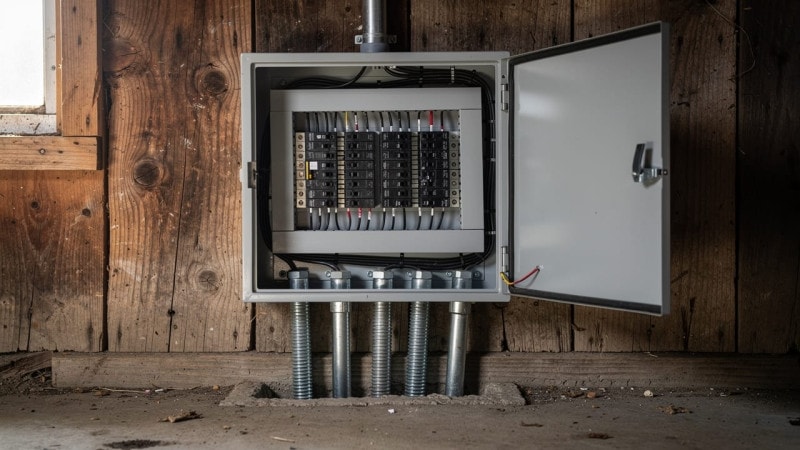
Panels and feeders are the backbone of every farm. A simple rule in any farm electrical system maintenance checklist is to keep at least one metre of clear space in front of each panel. No bales, tools, or storage should block access when something trips or an emergency shut-off is needed.
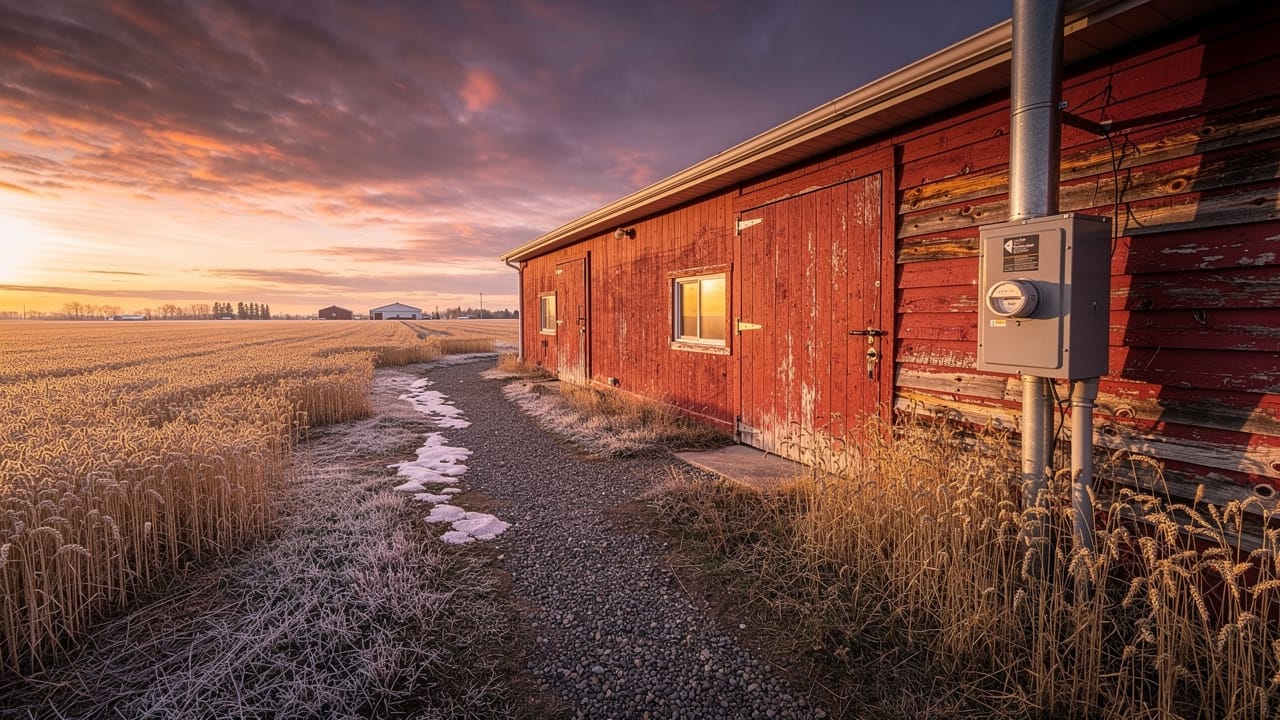
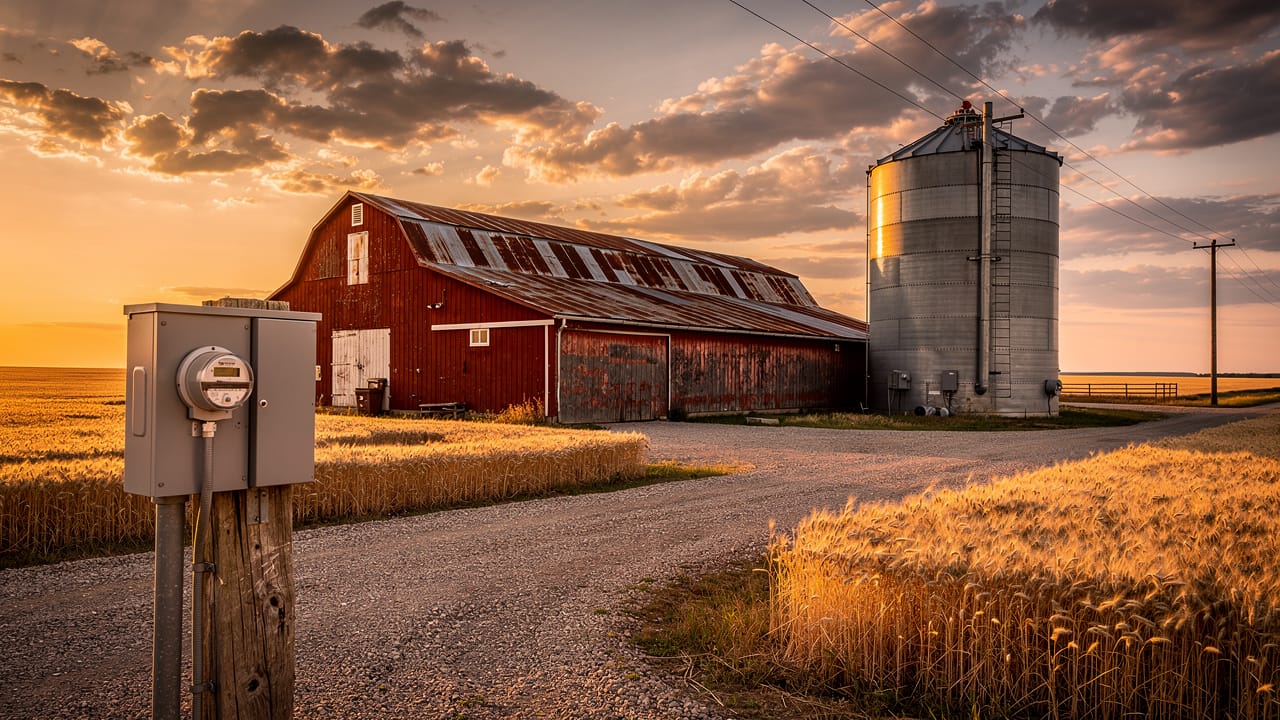
During scheduled checks, look closely at each panel cover, meter base, and disconnect. Watch for rust, condensation, and staining that suggest moisture problems. Open the cover only if you are trained and it is safe to do so. With power off, dust can be gently vacuumed from inside the enclosure so hay, chaff, and cobwebs do not build up. Never blow dust around with air, because that drives conductive particles into places they should not be.
Labels on breakers should match the actual loads. Mislabelled breakers slow down response during faults and make farm generator maintenance checklist planning more difficult. Look for discoloured insulation, melted plastic, or a burnt smell around breakers and lugs; these are warning signs of heat damage. Across the farm, walk through buildings and check exposed conduit for dents, loose straps, or broken fittings. Good outdoor farm electrical wiring safety also means using proper weatherproof boxes and fittings anywhere that sees rain or wash-down water.
Grounding, Bonding, And GFCI Protection
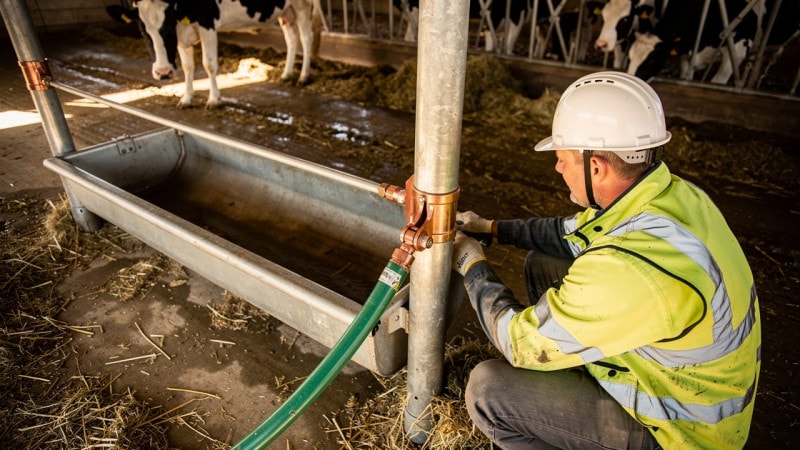
Grounding and bonding are central parts of any farm electrical system maintenance checklist, especially in livestock and wash areas. Start at the main service and look at the ground rods and grounding conductors. Clamps should be tight, conductors secure, and there should be no obvious corrosion where the conductor meets the rod or bar.
Inside barns and parlours, focus on anything metal that people or animals can touch. Stalls, gates, headlocks, feeders, water bowls, and stanchions should all be tied together with a bonding conductor that connects back to the grounding system. Good farm electrical grounding practice reduces stray voltage and protects both people and animals. This is a key part of dairy farm electrical safety and poultry house electrical maintenance.
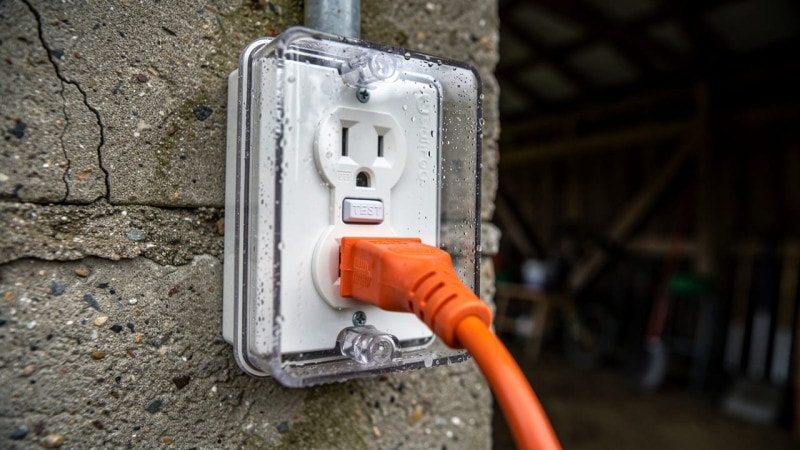
GFCI protection is another life safety item. Every receptacle in a damp or wet area should be protected, either at the outlet or at the breaker. That includes parlours, wash bays, exterior walls, and many barn locations. Press the test and reset buttons every month as part of routine rural property electrical safety checks. If any GFCI refuses to trip or reset, stop using that circuit and bring in an electrician. Some farms also schedule periodic testing for stray voltage in livestock areas, using specialized meters or outside services.
Motors, Lighting, Heating Equipment, And Backup Power
Motors, lighting, heating, and backup power need regular attention:
-
Motors: Motors are the workhorses of the farm—fans, augers, pumps, and automated feeders. A farm electrical system maintenance checklist should always include regular farm equipment electrical maintenance. Keep motor housings, cooling fins, and vents clear of dust and chaff so they can shed heat. Listen for new humming, grinding, or squealing noises, which often show up before a motor fails completely.
-
Lighting: Lighting affects both safety and productivity. In barns and machine sheds, fixtures should be rated for damp, dusty conditions, with sealed lenses and proper gaskets. Lamps over livestock or traffic areas need guards or shatterproof covers so broken glass never mixes with feed or bedding. Frequent flickering can signal loose connections, not just a weak bulb, and belongs in every barn electrical safety inspection.
-
Heating equipment: Heating devices deserve special attention. Portable heaters and heat lamps must sit well clear of straw, shavings, or feed bags. Cords and plugs should be checked for cuts, crushing, or scorch marks. If anything feels hot or smells odd, unplug it and replace it before it becomes a problem. These steps belong in poultry house electrical maintenance and in any cold-weather checklist.
-
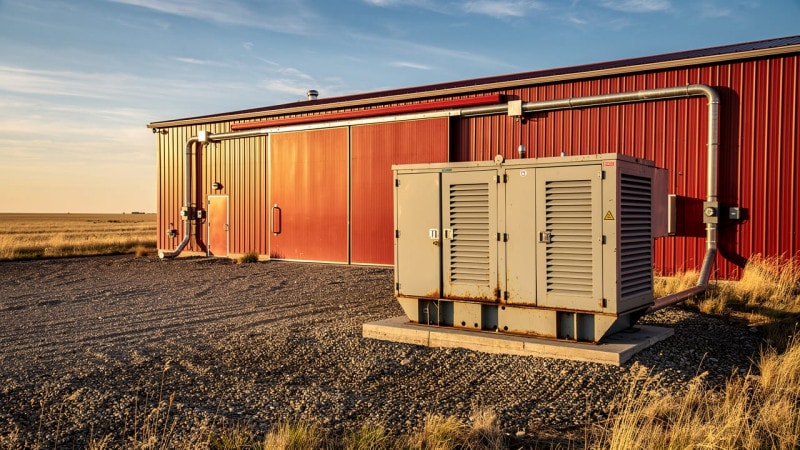
Backup power: Backup power is the last major piece. Many operators now treat a generator and automatic transfer switch as part of their standard farm electrical system maintenance checklist. Run the generator under load for at least half an hour each month, check oil, fuel, and coolant, and keep the intake and exhaust areas clear. Test that the transfer switch moves the load cleanly between grid and generator so there is no backfeed risk. This kind of farm generator maintenance checklist protects ventilation, pumps, and controls when the grid fails.
Warning Signs And When To Call A Professional Agricultural Electrician
Even with a strong farm electrical system maintenance checklist, things can still go wrong between inspections.
Catching small warning signs early is one of the best farm electrical safety tips.
When any of these show up, treat them as a stop sign, not a minor annoyance.
-
Flickering or dimming lights tell a story. They can point to loose connections or voltage drops and often show up when big motors start.
-
Breakers that trip again and again are not doing it by chance. They signal overloads or faults. Repeated resets add stress and hide real problems.
-
Buzzing, sizzling, or cracking sounds from panels, switches, or outlets are not normal. Quiet is the target for electrical gear. Any new noise deserves fast attention.
-
A sharp or burnt smell near equipment is an alarm bell. Heat damage can hide inside boxes and panels, and smell often shows up before visible damage.
-
Warm or discoloured outlets and switches point to loose terminations. Heat at the face plate means heat at the connection, and that is a fire risk.
-
Any tingle when touching metal equipment, waterers, or pipes is serious. It suggests a grounding failure or stray voltage. Stop use and call for help.
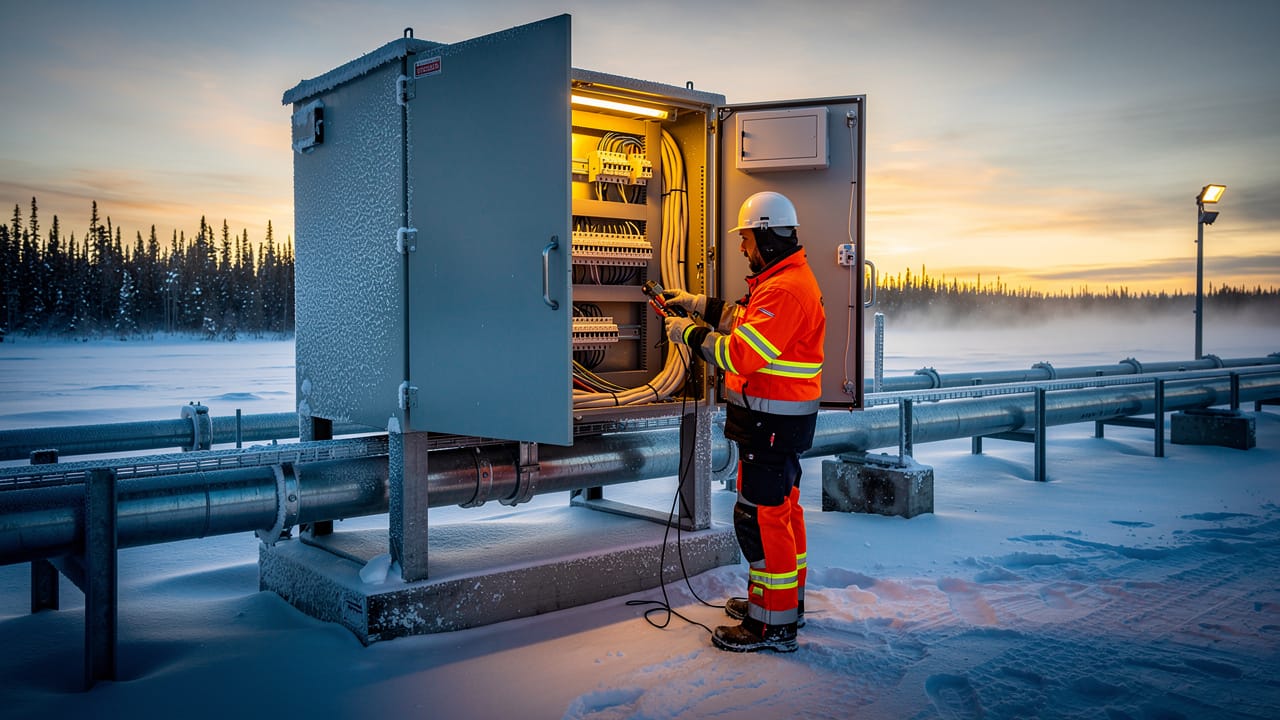
Farm staff can handle basic tasks such as visual checks, monthly GFCI tests, keeping panels clean, and tracking this farm electrical system maintenance checklist. Anything beyond that belongs to a licensed electrician with agricultural experience. Annual audits, thermographic scans, insulation testing, new circuits, and corrective repairs all need professional tools and training. Treat your electrician as a long-term partner and use their farm electrical inspection guide to stay aligned with the Canadian Electrical Code.
How Cove Electrical Supports Safe Farm Operations
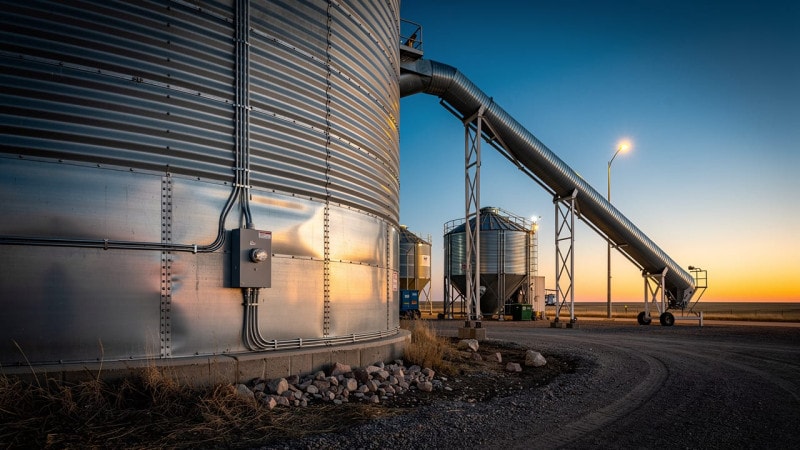
Cove Electrical focuses on operations that cannot afford downtime. That includes agricultural operators, industrial plants, oil and gas sites, and commercial facilities across Bonnyville and rural Alberta. The team is led by an experienced electrician and built around field experience, code knowledge, and a strong safety mindset.
For farms, Cove Electrical designs, installs, and maintains power systems for livestock facilities, grain handling, irrigation, climate control, and automation. The work is planned for harsh rural conditions, not office spaces. That means careful farm electrical panel maintenance, secure outdoor farm electrical wiring safety, and rural electrical system maintenance that stands up to dust, moisture, and heavy equipment. Backup generators with manual or automatic transfer switches are set up to protect critical circuits without backfeeding the grid.
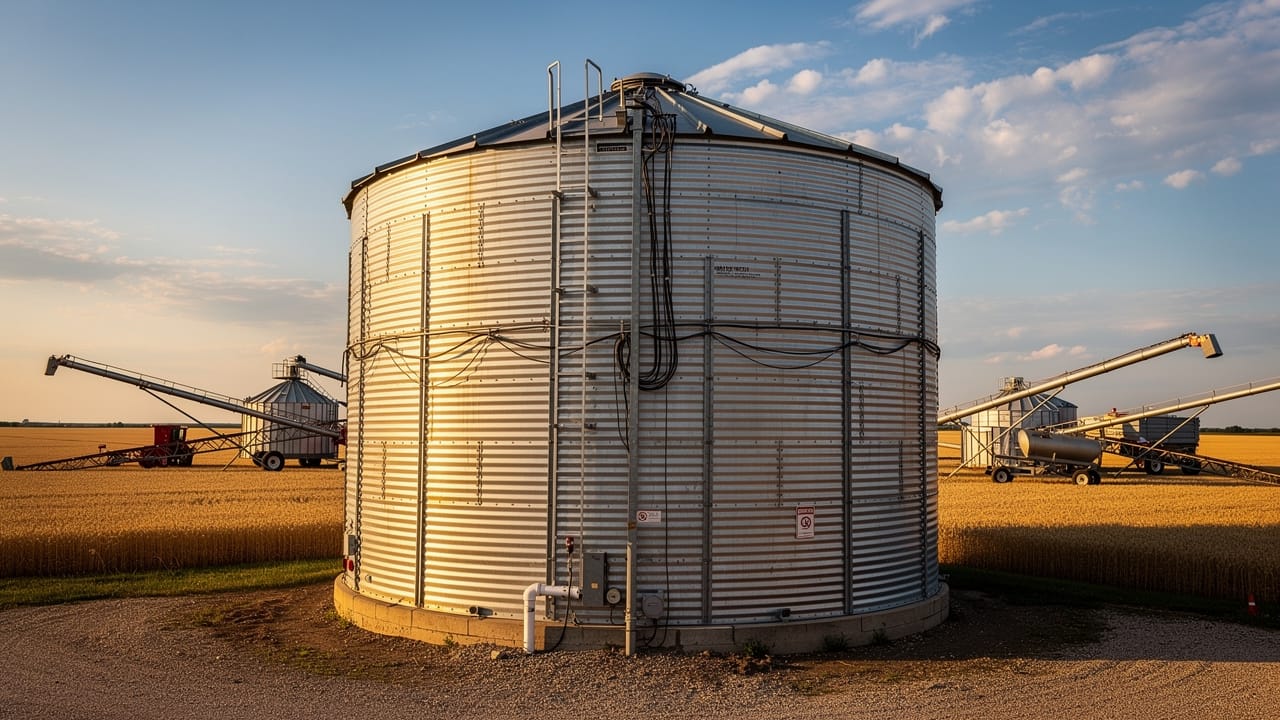
A good example is Cedar Brook Farm. Their older grain handling system no longer matched their scale. Cove Electrical provided system engineering, PLC programming, new electrical installation, and integration of grain and oilseed temperature monitoring. A whole-yard generator system was added, along with shaft monitoring on more than twenty grain handling units, high bin level shutoffs, and overhead bin scale integration. The result was early issue detection, fewer breakdowns, and more confidence during harvest.
Cove Electrical does not walk away after the first project. The team supports ongoing service, maintenance planning, and updates to your farm electrical system maintenance checklist as regulations and operations change. For farm operators who depend on steady power, Cove Electrical works alongside your team to plan safe, reliable electrical infrastructure.
Conclusion
A clear farm electrical system maintenance checklist is not paperwork; it is protection for people, animals, buildings, and income. Daily walk-throughs, monthly hands-on checks, and yearly professional audits work together to manage fire risk, reduce shock hazards, and keep equipment running when it matters most.
Agricultural sites face conditions that are far tougher than typical commercial work, so they need electrical systems and maintenance routines built with that reality in mind. Farm operators around Bonnyville and across rural Alberta who want safer, more dependable power can put this checklist into practice and then bring in Cove Electrical for a professional agricultural electrical inspection and long-term support.
FAQs
How Often Should A Farm’s Electrical System Be Professionally Inspected?
Most farms should schedule a full professional inspection at least once a year. Large sites, or farms that make frequent changes, may benefit from checks every six months. Inspections should include thermographic scans, insulation resistance tests, and a review of grounding and bonding. This ties directly back to your farm electrical system maintenance checklist.
What Are The Most Common Causes Of Electrical Fires On Farms?
The leading causes are damaged or aging wiring, overloaded circuits, and loose connections in panels or junction boxes. Combustible dust on motors, lights, and controls adds fuel to any spark. Rodents that chew cable jackets create hidden faults. A steady program focused on preventing electrical fires on farms cuts these risks sharply.
Is GFCI Protection Required In Barns And Livestock Facilities In Canada?
Yes, GFCI protection is required for receptacles in wet and damp locations under the Canadian Electrical Code, including Section 22 for agricultural buildings. That covers many barn, parlour, wash bay, and outdoor outlets. Monthly GFCI testing should be part of every agricultural electrical safety checklist so failed devices are replaced before an incident occurs.