When power drops in the middle of a cold January night, it is not just the lights that go out. Ventilation fans stop, water systems stall, and grain handling or milking equipment can sit dead while animals and crops depend on them. A reliable farm electrical system is the hidden engine behind everything on a working farm, and when it fails, the risk to people, livestock, and product is immediate.
Many Canadian farms still rely on wiring, panels, and barn electrical installations that were never sized for modern motors, automation, and electronic controls. Add stricter Canadian Electrical Code (CEC) rules and harsh weather, and it becomes clear why a clear guide to farm electrical system upgrades is so important for long‑term safety and reliability.
This practical guide walks through the warning signs that your system is falling behind, the key parts of a modern agricultural electrical upgrade, farm‑specific hazards, backup power and technology, and how to plan a code‑compliant project. Throughout, you will see where Cove Electrical, n experienced electrical contractor focused on agricultural and industrial work, fits in as a long‑term partner for reliable power across your operation.
“An ounce of prevention is worth a pound of cure.” — Benjamin Franklin
On a farm, that ounce of prevention often starts with the wiring behind the walls.
Key Takeaways
-
Frequent breaker trips, dimming lights, hot outlets, or visible corrosion show that a rural electrical system upgrade is overdue. These signs point to overloaded circuits and tired equipment. Treat them as early warnings rather than annoyances.
-
A modern farm electrical installation uses properly sized service, sub panels, conduit, and agricultural‑grade devices. It also allows for future automation and extra equipment. This reduces fire risk and keeps power steady when you need it most.
-
Livestock barn electrical safety depends on good grounding, equipotential bonding, and devices suited to wet, corrosive spaces. Stray voltage and poor barn electrical wiring quietly hurt production. Fixing these issues protects both animals and staff.
-
Backup generator systems with transfer switches keep wells, ventilation, coolers, and key controls running during outages. Working with a licensed agricultural electrician such as Cove Electrical keeps electrical safety on farms aligned with CEC rules and future plans.
Warning Signs Your Farm Electrical System Needs An Upgrade
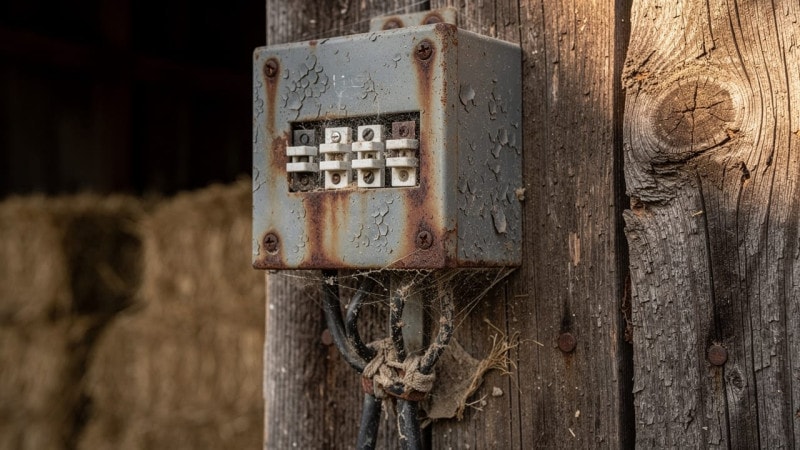
An electrical system rarely fails without warning. On many farms the signs are present every day, but they blend into the background until a serious fault or fire makes the problem impossible to ignore. Spotting those signs early lets you schedule an agricultural electrical upgrade on your terms instead of in the middle of a crisis.
Common red flags include clear performance issues and visible damage. They also include quieter triggers such as changes to your operation or new insurance demands. When several of these show up together, a structured farm electrical inspection by a qualified contractor should move to the top of the list.
-
Breakers that trip often or fuses that blow again after reset show that circuits are overloaded. This often appears after adding new grain dryers, large irrigation pumps, or robotic feeders to old wiring. Repeated trips mean the equipment load has outgrown the current farm power distribution.
-
Lights that flicker or dim whenever a motor starts point to voltage drop. Each start of a large auger or compressor pulls voltage down and stresses both the wiring and the motor. Over time this shortens equipment life and raises fire risk inside walls and conduit.
-
Burning smells, buzzing or crackling sounds, and discoloured outlets are active danger signs. They can indicate loose connections, failing breakers, or overheated conductors. In buildings full of hay, bedding, and grain dust, that is a direct path to a barn fire.
-
Old fuse boxes, two‑prong outlets, and early‑generation wiring were never meant for modern agricultural loads. They also leave big gaps in farm electrical code compliance. If you still see this gear, a farm electrical panel upgrade and new circuits should be planned.
-
Long‑term use of extension cords to run essential equipment shows that the original design no longer fits the way you work. Extension cords are meant for short‑term use and become damaged easily in barns and yards, which adds more fire and shock risk.
Changes on the business side can also be warning signs:
-
Expansion of herd size or storage capacity
-
New high‑demand equipment such as grain dryers or large compressors
-
Insurance companies asking for electrical reports or upgrades
When these factors appear, treat them as a chance to modernize the whole system instead of repeating short‑term fixes.
Key Components Of A Modern Farm Electrical System
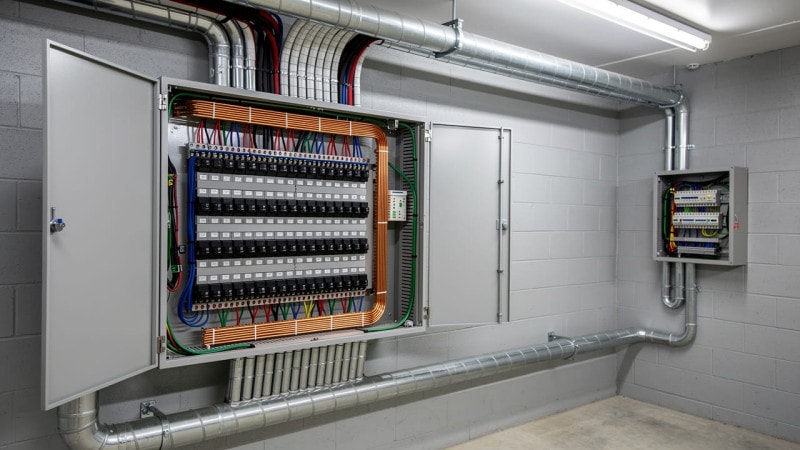
A safe and reliable rural property electrical upgrade starts with a clear design. A modern system is more than a bigger panel; it is a network of matched components that move power safely from the utility to every corner of the farm.
The main building blocks include:
-
Service Entrance, Meter Base, And Main Disconnect
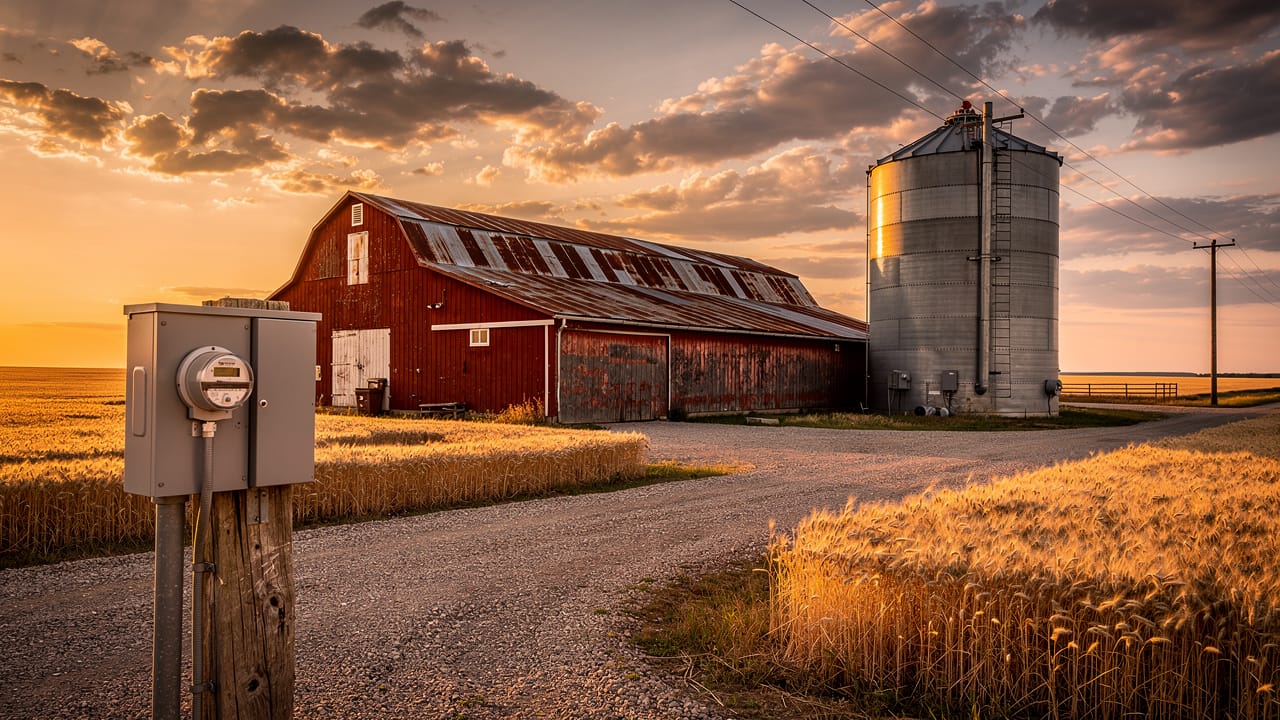
The service must be sized using CEC demand factors for the full farm load with room for future growth, often in the 200–400 amp range for mid‑sized sites. Clear, accessible main disconnect switches on each building give staff and first responders a fast way to cut power during an emergency. -
Main Distribution Panel And Sub Panels
The main distribution panel feeds sub panels in barns, grain systems, workshops, and yard sites. Sub panels localize faults so a short in a single auger does not darken an entire yard. They also make future agricultural electrical planning easier by giving space for new breakers close to the load. -
Wiring Methods And Enclosures
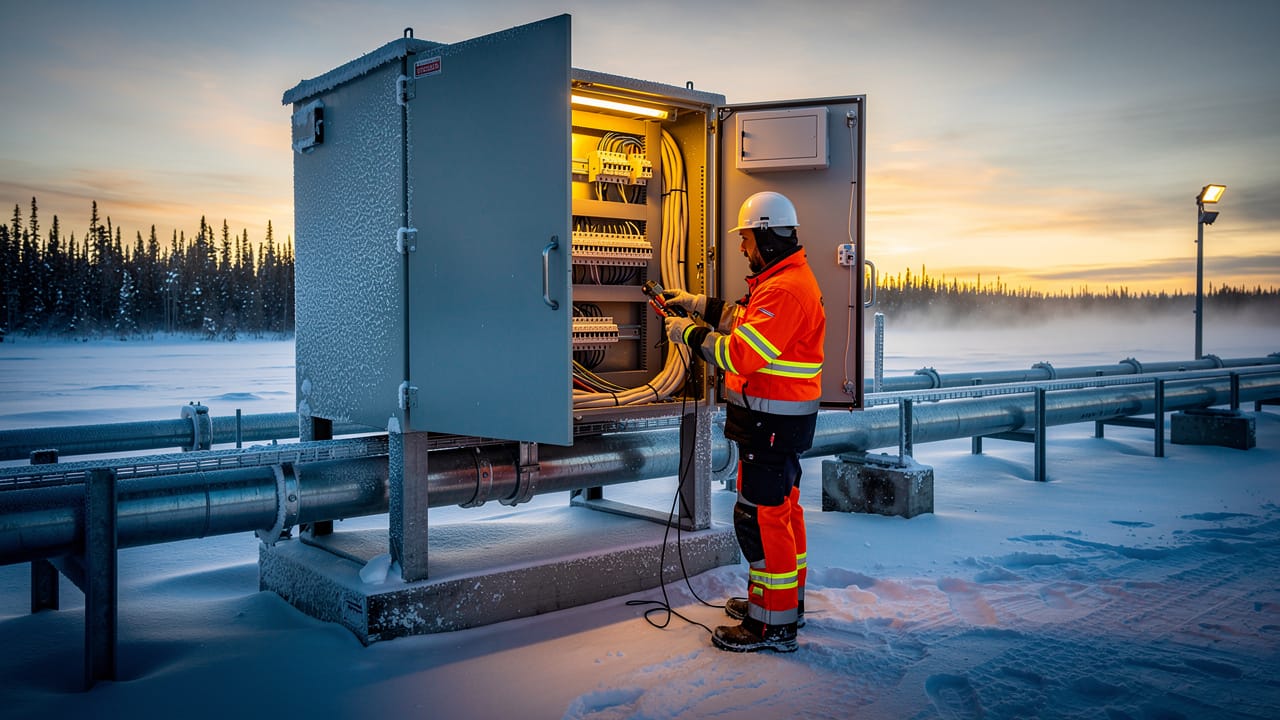
Wiring choices matter just as much as panel size. Modern agricultural work relies on copper conductors sized to match both current and run length, which keeps voltage drop under control. In barns and outdoor farm wiring, conductors should run in rigid PVC or metal conduit to stand up to moisture, rodents, manure gases, and equipment bumps. Agricultural‑grade outlets and switches, paired with NEMA 4X enclosures in wash‑down or corrosive areas, give a much longer service life than standard residential gear. -
Grounding, Bonding, And Surge Protection
Grounding and bonding sit underneath all of this. A well‑designed grounding system and equipotential bonding plane in livestock areas reduce stray voltage and shock risk. Layered surge protection at the main panel and at sensitive devices such as VFDs, controllers, and monitoring systems protects electronics from lightning and grid spikes.
“Safety doesn’t happen by accident.” — common safety saying
On a farm, that means designing every component of the electrical system with the environment and the load in mind.
Hazardous Location Wiring For Grain Handling Areas
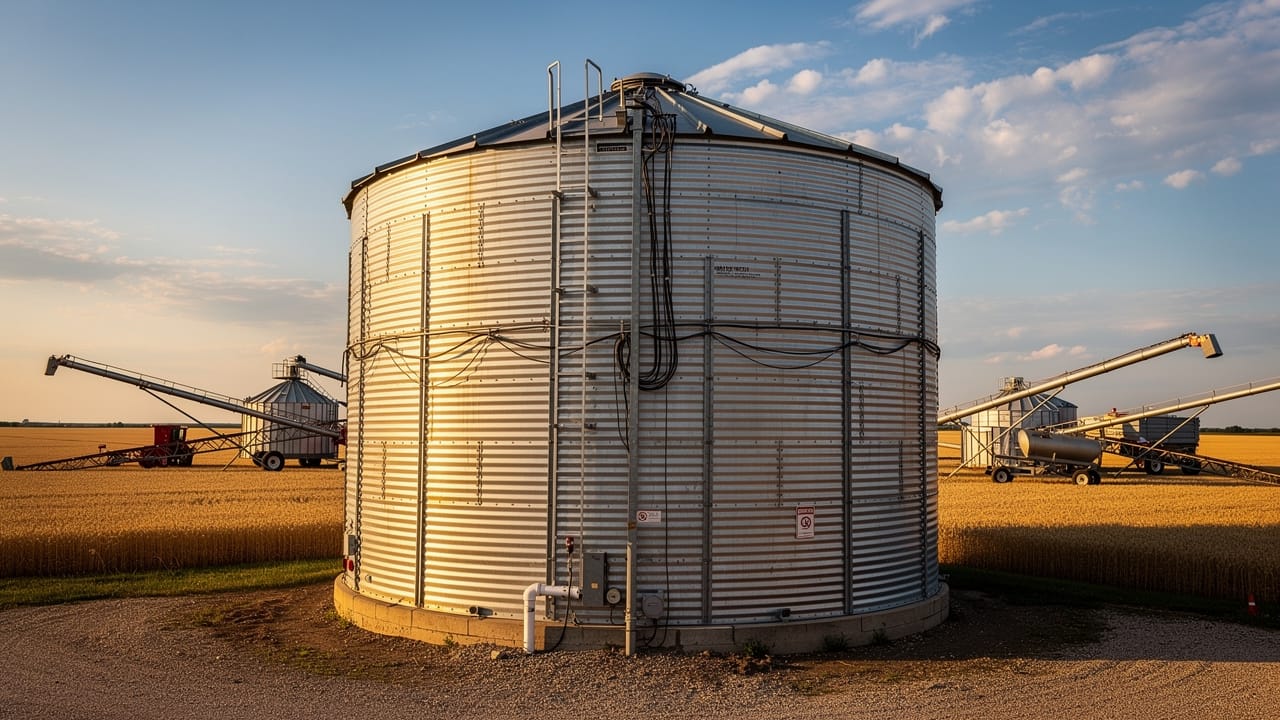
Grain handling equipment adds another layer of risk because fine dust can ignite. Under the Canadian Electrical Code, many grain transfer and drying zones are Class II hazardous locations. Standard motors, switches, and lights are not allowed in these spaces, because even a tiny spark can start an explosion.
To address this, every motor, light, switch, and junction in the classified area must carry the proper hazardous location rating. Explosion‑proof enclosures, sealed conduit, and correct cable glands form a tight system that keeps arcs and hot surfaces away from dust. Control circuits with intrinsic safety ratings are often used where signal wiring must enter hazardous zones without adding ignition sources.
Designing and installing this kind of wiring is specialized work that goes far beyond normal residential or small‑commercial practice. Cove Electrical has deep experience with hazardous grain systems and builds Class II‑compliant installations that line up with CEC rules while still giving you practical access for maintenance.
Agricultural-Specific Electrical Challenges And How To Address Them
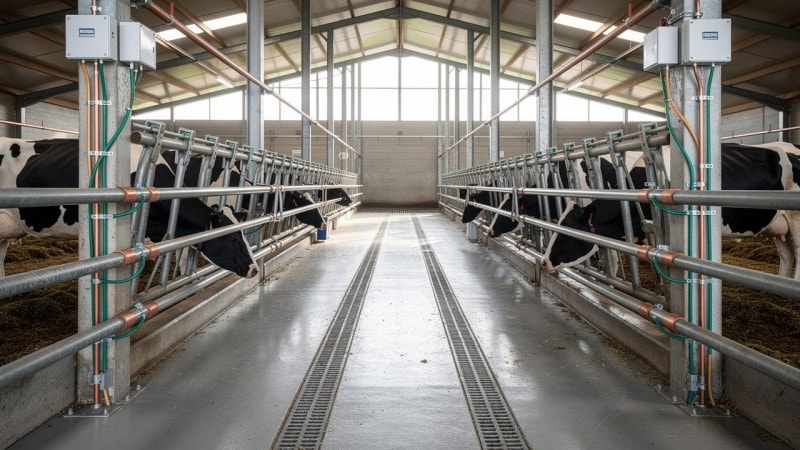
Farm buildings push electrical gear far harder than most commercial sites. High humidity, ammonia from manure, wash‑down sprays, dust, and wide temperature swings all attack metal parts and insulation. Standard equipment that works fine in town can fail early in a livestock barn.
Common farm conditions that stress electrical equipment include:
-
Constant moisture and condensation
-
Corrosive gases from manure and silage
-
High levels of dust and chaff
-
Physical damage from equipment, animals, and feed handling
To stand up to this abuse, barns and parlours need NEMA 4X or similar rated panels, sealed fittings, and corrosion‑resistant conduit. Fixtures and devices must be chosen with wash‑down and gases in mind, not just price. Cove Electrical routinely specifies agricultural‑grade materials on every farm electrical installation so that switches keep working long after a residential device would seize or crumble.
Fire risk is another major concern. Old wiring, poor terminations, and devices not suited to barns are common causes of agricultural fires. Good farm wiring safety practice calls for proper grounding, GFCI protection in wet areas, arc‑fault protection where required, and solid surge protection at key panels. Regular inspections, thermal scanning, and cleaning inside panels catch loose or hot connections before they turn into a crisis.
Livestock bring their own hazards. Stray voltage that people barely notice can cause cattle to avoid waterers or behave nervously in parlours. By creating an equipotential bonding plane that ties all metal rails, water lines, and floor steel into the grounding system, a good installer removes those small but harmful voltage differences. This is central to livestock barn electrical safety and should be part of any serious agricultural electrical upgrade.
Modern farms also rely on heavy loads such as grain dryers, irrigation pumps, and long conveyor runs. Many of these motors work best on three‑phase power. Planning three‑phase power on a farm during an upgrade avoids later surprises when a new dryer or leg needs more capacity. General electricians without farm experience often miss these details; Cove Electrical’s team focuses on agricultural wiring standards every day, so designs reflect the way real farms grow and operate.
Backup Power And Advanced Technology Integration
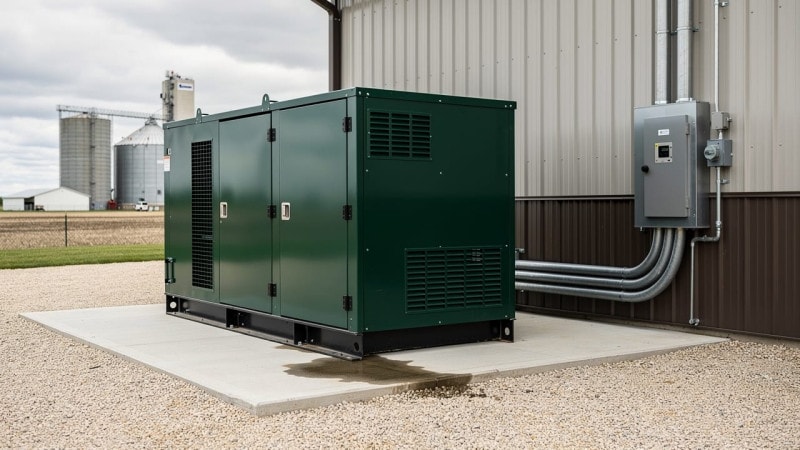
For many farms, grid power is only part of the story. A long outage can put animals, stored grain, and milk coolers at serious risk. That is why backup power belongs in any serious guide to farm electrical system upgrades, not as an afterthought but as a core part of the design.
A proper farm generator installation starts with deciding which loads must run during an outage. Important circuits often include:
-
Well and pressure system pumps
-
Barn ventilation fans and controls
-
Milk, egg, or produce coolers
-
Critical lighting in work areas and aisles
-
Automation systems, alarms, and monitoring
Cove Electrical sizes generators using careful careful load calculations, then feeds those circuits through a critical load panel and a transfer switch that shifts between utility and generator power without back‑feeding the grid. Depending on the farm, this may be an automatic transfer switch for hands‑off operation or a manual version where staff start the generator themselves.
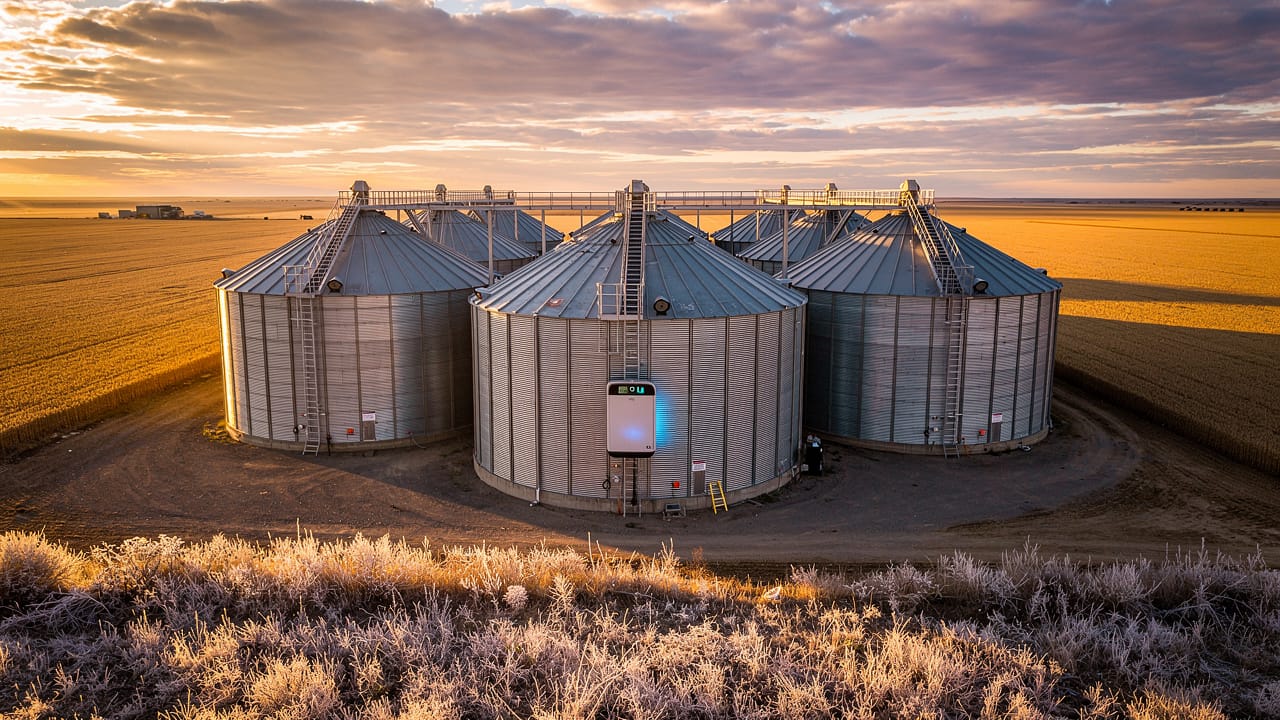
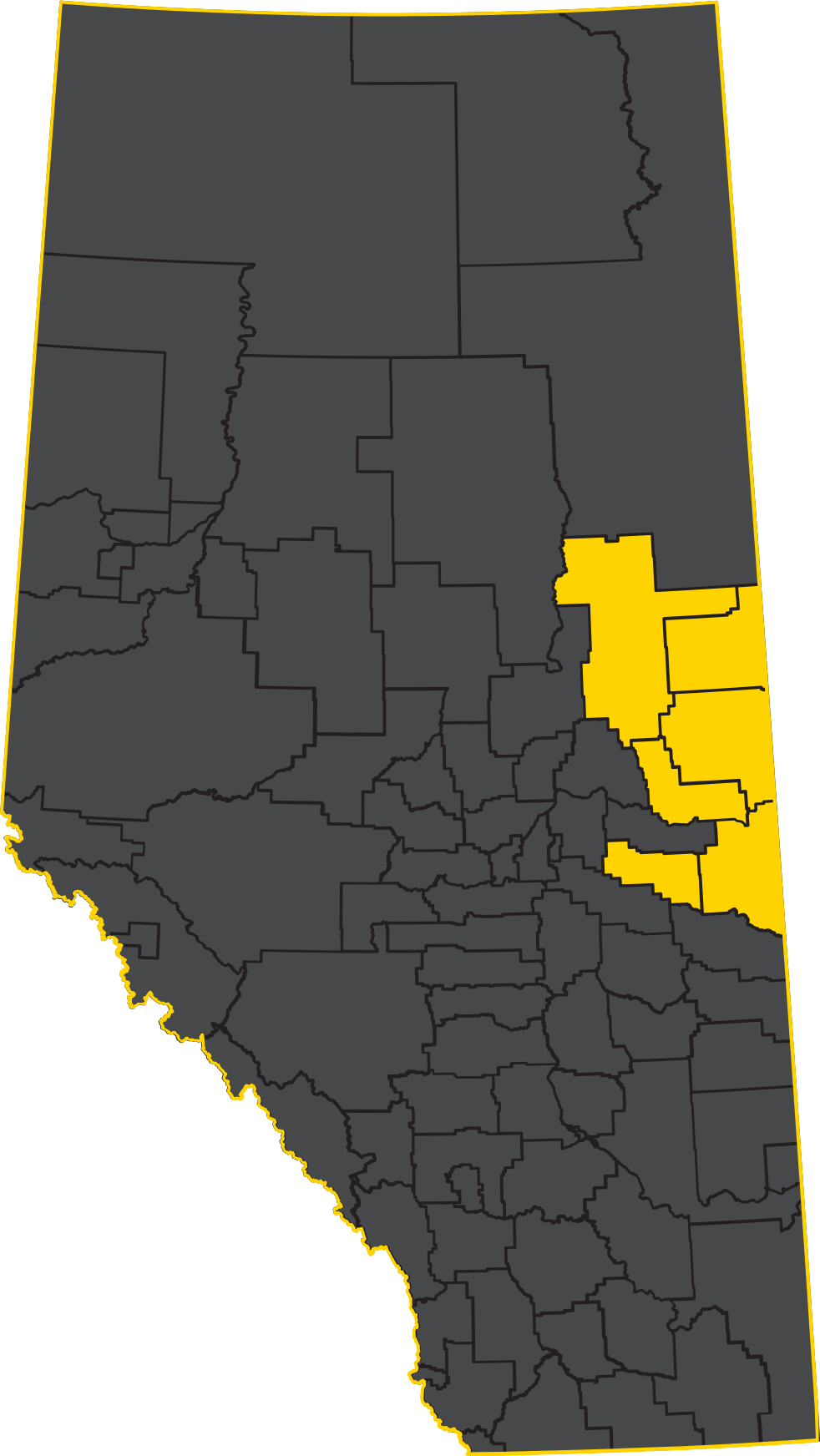
Modern farms also depend on automation and control systems. Grain and oilseed temperature monitoring, high bin level shut‑offs, shaft monitors, and PLC‑based controls keep complex yards running safely. On Cedar Brook Farm near Jarvie, Alberta, Cove Electrical engineered and installed an integrated system that monitored more than twenty grain handling shafts, tied in overhead scales, and backed the whole yard with generator power. That project shows how good electrical design, automation, and backup power can support long‑term growth.
Variable Frequency Drives (VFDs) on fans, pumps, and conveyors reduce energy use by matching motor speed to actual demand and soften starts that stress both motors and wiring — an efficiency strategy aligned with broader findings on digitalisation and AI for power system transformation and optimised energy management. Planning for VFDs during a rural electrical system upgrade means correct conductor sizing, panel space, and surge protection from day one.
Many operators now look ahead to farm solar panel installation. Oversizing the main panel and running empty conduit to good roof or yard sites during an upgrade makes later solar work far easier and less costly, even if the solar array is added years after the first stage of the project.
How To Plan And Execute A Farm Electrical Upgrade
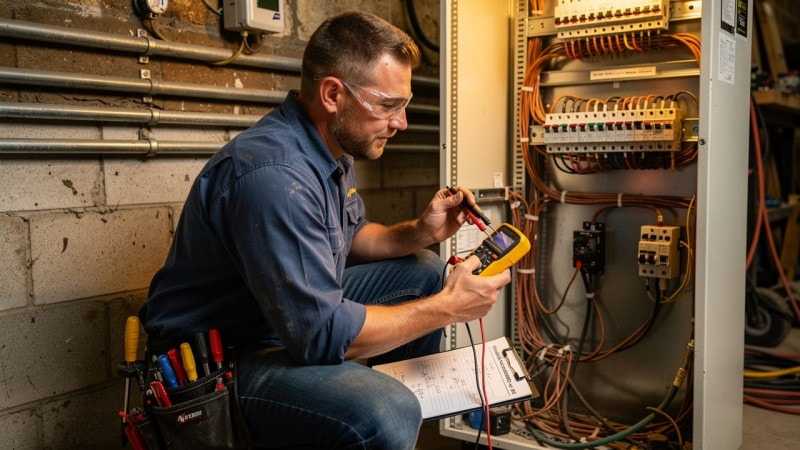
Successful agricultural electrical upgrades do not happen by guesswork. They follow a clear process that balances safety, code rules, and day‑to‑day farm work.
You can think of the process in five main steps:
-
Load Assessment And Condition Review
Step one is a professional load assessment and condition review. A qualified farm electrician will list all present and planned loads, from yard lights and small tools to the largest motors and automation cabinets. This load study guides the choice of service size, panel ratings, and feeder conductors, and it also flags worn gear, code issues, and places where farm wiring safety has slipped. -
System Design And Planning
Next comes system design and planning. This stage maps out service entrance details, panel locations, farm power distribution to each building, conduit routes, and the layout of safety devices such as GFCIs, surge protectors, and disconnects. Good agricultural electrical planning always leaves spare breaker space and larger raceways so future buildings or equipment can connect without starting from scratch. Cove Electrical treats that future capacity as a basic design rule, not an extra. -
Permits And Utility Coordination
Permits and utility coordination follow. Across Canada, farm electrical work requires permits from the provincial authority, and most upgrades need a planned disconnect and reconnect from the utility. A licensed contractor handles this paperwork and scheduling so the project moves smoothly and interruption is kept to a minimum. -
Installation And Changeover
Installation is where the physical change happens. Old panels, undersized feeders, and damaged conductors are removed, and new gear is installed to current farm electrical code compliance standards. A skilled team sequences this work to keep key operations, such as water and ventilation, running whenever possible, often by staging the changeover building by building. -
Inspection, Testing, And Training
The final step is inspection and commissioning. The safety authority inspects the work, then the contractor powers up circuits, checks voltage and phase rotation, and tests critical equipment under load. At the end, you should receive a walkthrough that explains panel labelling, generator operation, and the locations of all main disconnects. Cove Electrical provides that guidance along with long‑term maintenance support.
A well‑planned upgrade turns a source of worry into a system you can rely on during both calm seasons and busy harvests.
Conclusion
An undersized or aging farm electrical system is far more than an inconvenience. It is a fire risk, a threat to livestock and staff, a block to new technology, and a weak point in your insurance and regulatory picture. As farms add heavier motors, smart controls, and backup power, the gap between old wiring and current needs only grows wider.
A planned rural electrical system upgrade brings the whole farm up to current Canadian Electrical Code standards while adding capacity for the next phase of growth. That means properly sized service, rugged gear for barns and grain sites, safe outdoor farm wiring, backup generators, and space for automation and solar. Done well, it turns power from a constant worry into a stable base for the rest of the business.
Cove Electrical focuses on operations that cannot afford downtime, with experienced electricians who understand agricultural, industrial, and hazardous work across Alberta and beyond. If the warning signs in this guide sound familiar, it may be time to review your system. Reach out to Cove Electrical to schedule a professional farm electrical assessment and start building a safer, more reliable operation.
FAQs
How Much Does A Farm Electrical System Upgrade Cost In Canada?
Costs vary widely, because every farm has different service sizes, numbers of buildings, and levels of automation. A simple farm electrical panel upgrade in one shop is very different from a full yard rebuild with a generator and hazardous grain wiring. The only honest way to set a budget is a site visit and load assessment. Cove Electrical provides detailed written quotes after reviewing your equipment, wiring routes, and future plans.
Do I Need A Permit For Farm Electrical Work In Alberta?
Yes, electrical permits are required for farm work in Alberta, just as they are in towns and cities. The permit comes from the provincial safety authority or local municipality, depending on location, and it must be in place before wiring begins. Work without a permit can cause problems with insurance and property sales. A licensed contractor such as Cove Electrical handles the permit process and schedules all needed inspections.
What Canadian Electrical Code Section Applies To Agricultural Buildings?
Section 22 of the Canadian Electrical Code sets out rules for agricultural buildings. It covers wiring methods, grounding, damp and corrosive locations, and hazardous areas where dust or gases may be present. Provinces adopt the CEC and may add local rules, so the exact requirements can vary slightly by region. An experienced agricultural electrician keeps current with Section 22 and local amendments to keep your farm safe and compliant.