A barn fire rarely starts with a lightning strike. It is far more likely to begin with a tired fan motor, a chewed wire, or a dusty heater that has been running hot for months. When the goal is preventing electrical fires on farms, those small details are what protect animals, grain, and equipment.
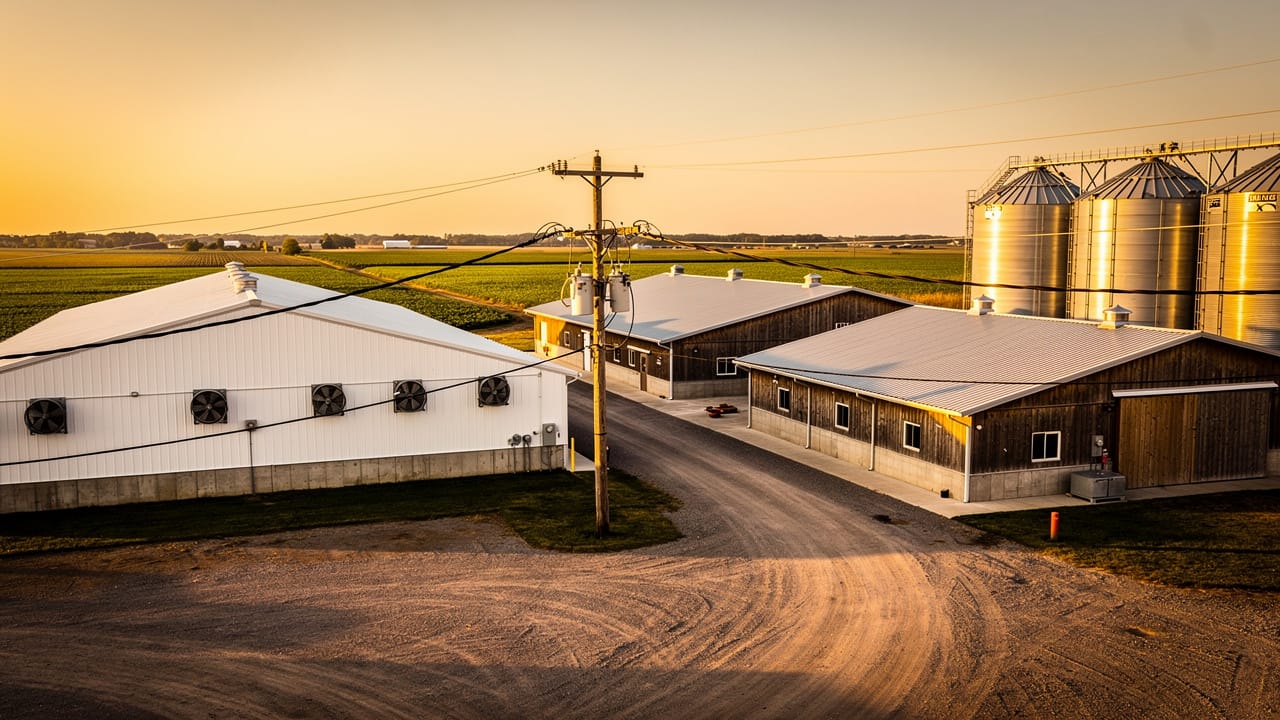
Farm buildings across Canada, especially around rural Alberta, are harsh places for electrical gear. Dust, moisture, corrosive gases, rodents, and heavy electrical loads attack wiring every day. Problems that would be a minor nuisance in a house can become serious agricultural fire risks beside dry bedding or a packed grain bin. The good news is that most electrical fires in barns never have to happen. With sound design, code‑compliant installation, regular maintenance, and help from a qualified agricultural electrician, operators can keep power reliable and safe. Cove Electrical, based near Bonnyville, focuses on this work every day. This guide explains the main hazards, common ignition sources, practical maintenance routines, critical safety devices, and when it is time to bring in a professional partner.
Key Takeaways
-
Farms expose electrical systems to dust, moisture, corrosive gases, rodents, and vibration. These factors speed up wear and make electrical fire hazards more likely, especially when standard residential materials are used in barns.
-
The most common ignition points are overloaded circuits, aging or damaged wiring, failing motors, and unsafe use of extension cords and heat lamps. Many of these warning signs can be spotted early with simple checks and quick repairs.
-
A strong fire‑prevention plan blends routine inspections, regular cleaning, and scheduled professional audits. Adding modern safety devices and following the Canadian Electrical Code creates another layer of protection, especially when you work with a specialist such as Cove Electrical.
Why Farms Face Higher Electrical Fire Hazards
A farm is not just a house with a few bigger breakers. Agricultural electrical safety has to cope with conditions that would damage normal equipment in a short time. Treating a barn like a simple commercial space is one of the fastest ways to raise fire risk.
Key conditions that increase barn fire risk include:
-
Combustible dust from grain, feed, hay, and bedding that settles on motors, panels, and light fixtures. It insulates hot parts so they cannot cool properly, and it can ignite quickly if a loose connection or motor throws a small spark.
-
Moisture and humidity from livestock respiration, washing, and condensation that seep into boxes and fixtures not rated for wet locations, leading to corrosion, short circuits, nuisance tripping, and hidden damage that later turns into arcing.
-
Corrosive gases from manure, especially in swine and poultry barns, that attack metal parts around the clock. Rusted terminals and enclosures run hotter than normal, often right beside dry wood, insulation, or bedding.
-
Rodents and vibration that strip away insulation and loosen terminals. Mice chew cables, while constant vibration from fans, augers, and conveyors slowly shakes connections loose, creating ideal conditions for arcing and overheating.
The Canadian Electrical Code recognises these realities and sets special rules for farm electrical safety and agricultural buildings, and fire risk assessment using machine learning techniques further confirms how environmental and structural factors compound ignition probability in agricultural settings. Treating those rules as a starting point—not a ceiling—is one of the most effective forms of barn fire prevention.
Common Causes of Electrical Fires on Farms
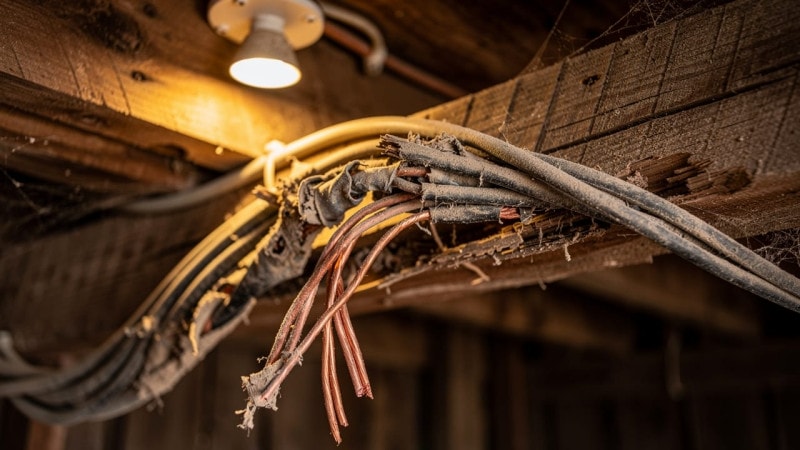
The farm environment sets the stage, but specific electrical failures are what actually start fires. Knowing these common causes helps operators spot danger early and fix problems before they spread.
-
Aging and damaged wiring – Many farm buildings still rely on wiring installed decades ago, long before modern grain dryers and automation systems. Brittle insulation, rodent damage, and nicked conductors can lead to arcing against metal siding, building frames, or dry bedding.
-
Overloaded circuits and wrong breaker sizes – A single circuit may end up running fans, heaters, and tools in a shop that was wired for a much lighter load. Wires that carry more current than they were designed for overheat and break down their insulation, especially when someone replaces a tripping breaker with a larger one without upgrading the wiring.
-
Improper use of extension cords and power bars – Extension cords are meant for short‑term use, yet they often become permanent feeds to heaters, pumps, or portable equipment. Light‑duty cords on heavy loads overheat, cords run through doors or under mats get crushed, and daisy‑chained power bars pile too much demand onto a single outlet.
-
Equipment problems and poor grounding – Motors packed with dust and chaff cannot cool and run hotter until the windings fail. Seizing motors draw extra current and heat the supply wiring, while unsecured heat lamps can fall into bedding or hang too close to wood. Weak or missing grounding means fault current may arc through frames, pipes, or building steel instead of taking a safe path.
Proactive Maintenance and Inspection Practices
Preventing electrical fires on farms depends less on luck and more on steady habits. A clear routine that combines daily awareness, regular cleaning, and scheduled professional inspection goes a long way toward keeping barns safe.
Routine Visual Inspections
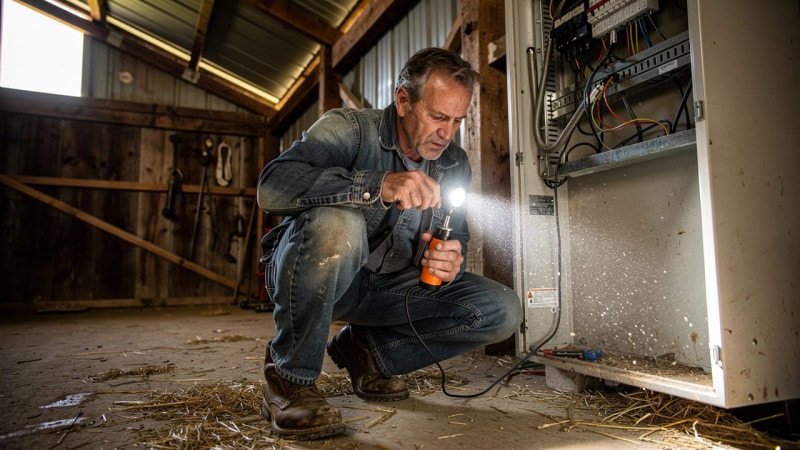
Everyone who works on the farm should know what trouble looks, sounds, and smells like. During chores, quick checks can catch many problems long before they start a fire:
-
Cords, plugs, and outlets – Watch for cracked insulation, flattened cables, loose fittings, or dark marks on plug blades, switch plates, and receptacles.
-
Lights – Flickering or dimming lights often signal loose connections or overloaded circuits.
-
Panels and junction boxes – Keep at least one metre of clear space in front of panels. Without opening the door, look for rust, moisture streaks, or staining as signs of hidden damage.
-
Unusual sounds or smells – Buzzing, sizzling, or a burning plastic smell near panels, motors, or junction boxes needs immediate attention from a qualified electrician.
As many farm safety trainers like to say, “Good maintenance is good fire prevention.”
Systematic Cleaning and Professional Audits
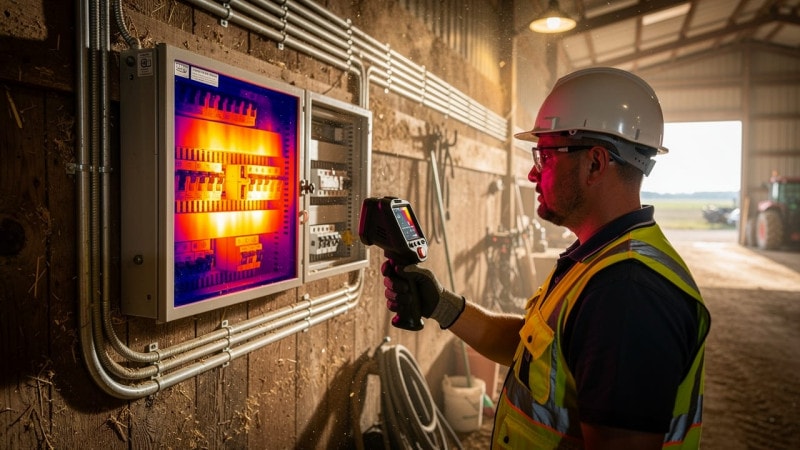
Dust and chaff act as both insulation and fuel, so cleaning is a key part of farm fire safety. With power turned off and locked out, use a brush or compressed air to remove buildup from motor housings, fan guards, and control panels. Wiping light fixtures and sweeping around electrical gear reduces heat retention and the amount of material available to burn.
Self‑checks are valuable, but they do not replace a trained eye. A licensed agricultural electrician should carry out a full audit every one to three years, more often for older or heavily loaded systems. This visit should include thermal imaging to find hot spots, load testing to spot overloaded circuits, and verification of farm electrical grounding against Canadian Electrical Code requirements. Cove Electrical builds maintenance programs around these steps for farms in Bonnyville and nearby rural communities, helping reduce breakdowns, extend equipment life, and remove fire hazards long before they threaten animals or buildings.
Critical Safety Devices and Installation Standards
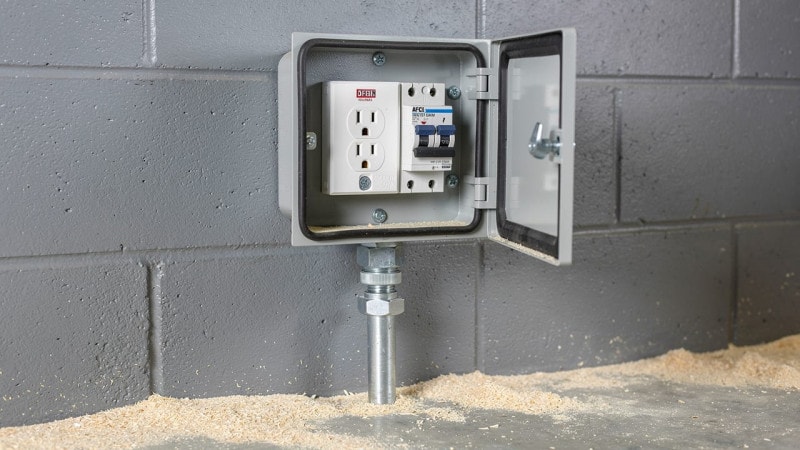
Even with good maintenance, electrical faults can still occur. Modern safety devices and proper installation standards make the difference between a quick breaker trip and a barn fire.
-
Ground Fault Circuit Interrupters (GFCIs) – GFCIs protect people and animals anywhere electricity and moisture meet. They monitor current flow and shut off power the moment they detect leakage to ground. The Canadian Electrical Code requires GFCI protection in wash bays, milking parlours, outdoor receptacles, and other damp areas, which also lowers fire risk near wet concrete or manure.
-
Arc‑Fault Circuit Interrupters (AFCIs) – AFCIs are designed for fire prevention. They sense the electrical pattern of damaged or loose wiring and trip before a glowing connection can ignite dust or wood. While not yet required on every agricultural circuit, they offer a strong extra layer of barn electrical safety, especially in older buildings being upgraded.
-
Surge protection – Rural properties are at higher risk from voltage surges related to lightning and power‑line switching. Whole‑farm surge protection at the main service, backed up by point‑of‑use devices on sensitive equipment, helps protect ventilation controls, grain handling controls, and automation panels from sudden failures that could lead to unsafe heating or shutdowns.
-
Main disconnect switches – Every building should have a clearly marked, easily reached disconnect so staff and first responders can cut power in seconds during a fire or equipment failure. Training crews on where these switches are and how to use them should be part of basic safety orientation.
-
Correct materials and enclosures – Wiring should be correctly sized and rated for damp or corrosive locations. In high‑traffic or rodent‑prone areas, cables belong inside rigid PVC or metal conduit. NEMA 4X enclosures and agricultural‑grade outlets and switches resist dust, water, and gases, which cuts down failures and keeps electrical hazards on farms under control.
Why Specialized Agricultural Electrical Expertise Matters
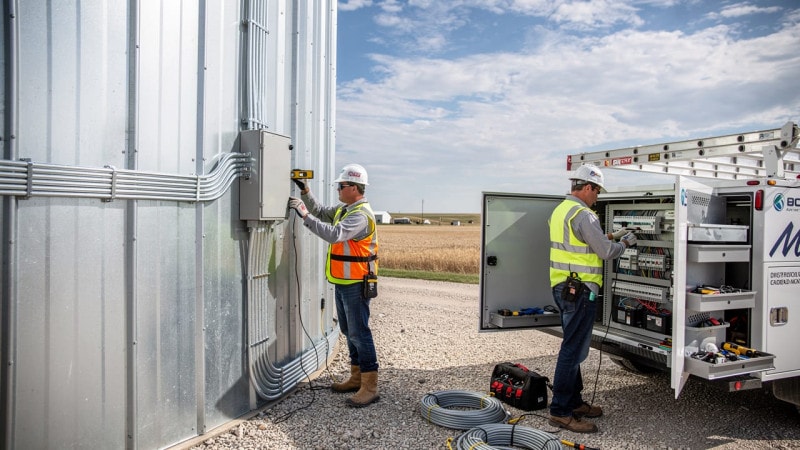
Electrical work on a farm is no place for guesswork. General electricians who mainly wire houses or small shops may not understand corrosive barns, hazardous grain handling areas, or livestock building fire‑safety needs. DIY wiring raises risk even higher and can cause insurance problems if a fire investigation finds non‑compliant work.
A common reminder from experienced electricians is, “You only get to wire it wrong once—the fire inspector handles the redesign.”
Agricultural buildings often include hazardous locations such as grain bins, feed mills, and fuel storage, along with corrosive atmospheres and stray‑voltage concerns in livestock facilities. A specialist who works with these sections of the Canadian Electrical Code every week knows which materials last, which layouts stay safe, and how to design farm wiring with future equipment in mind.
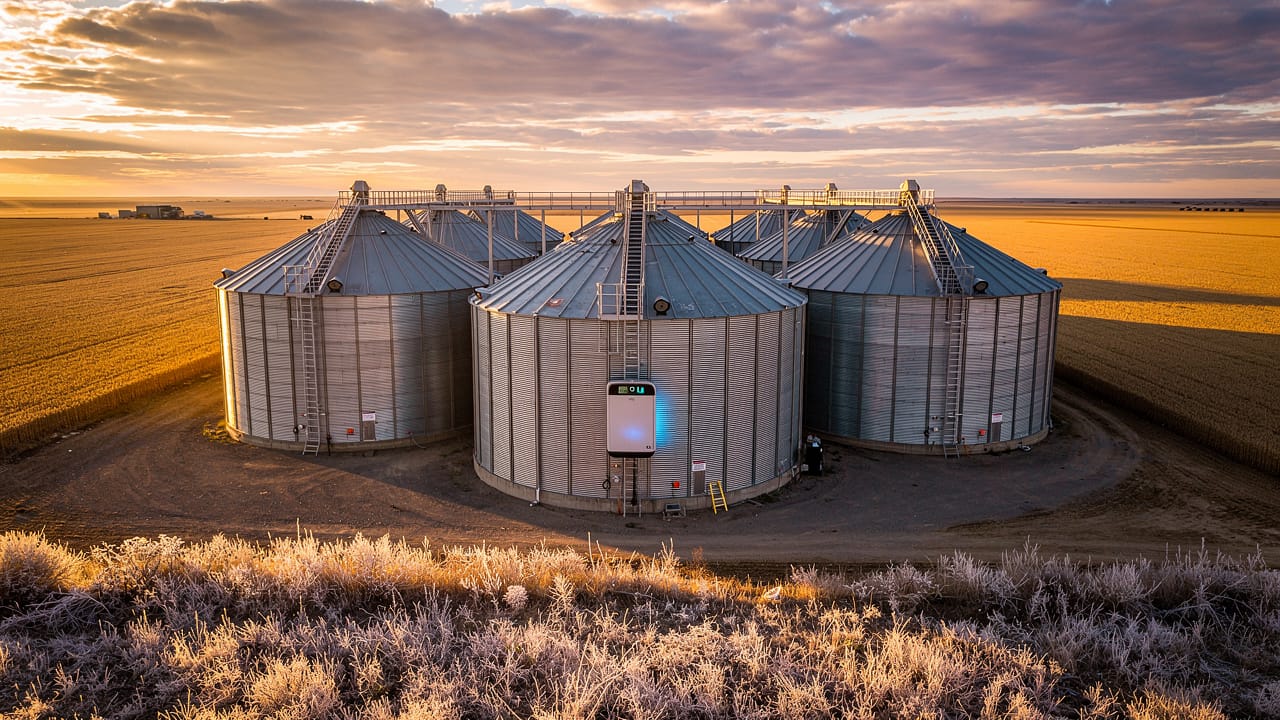
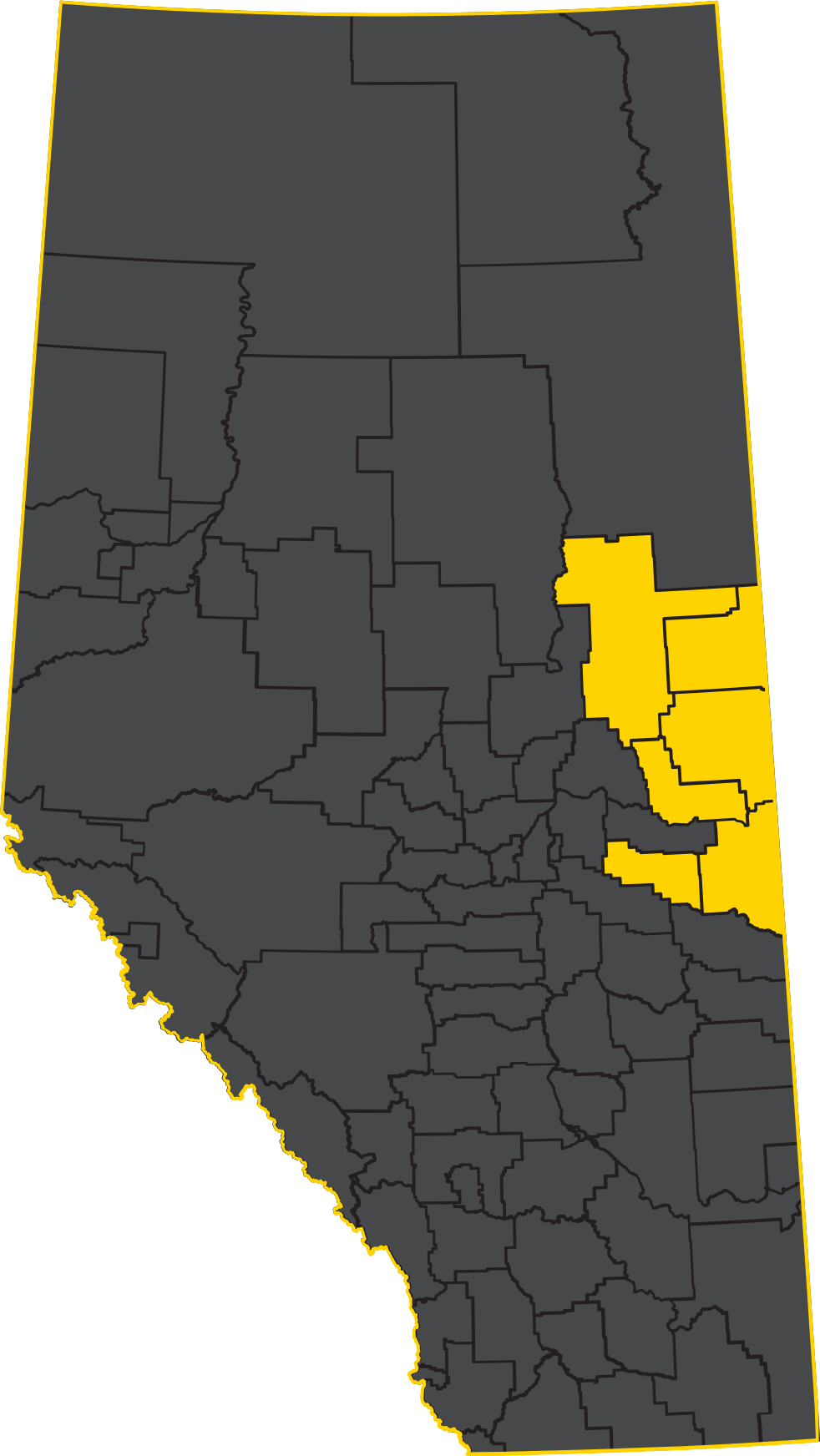
Cove Electrical focuses on this type of work for Bonnyville and rural Alberta operators. Led by an experienced electrician with many years in demanding farm and industrial settings, the company provides custom design and installation for barns, grain systems, irrigation, and climate control. Crews also upgrade aging wiring to current CEC standards, design and install generator systems to keep critical loads powered during outages, and offer proactive maintenance programs that spot issues before they turn into failures or fires. At Cedar Brook Farm, Cove Electrical worked with its True Ag Automation Division to combine strong electrical design with high‑bin level shutoffs, integrated scales, and smart controls that detect problems early, protect equipment, and reduce fire risk around grain handling.
Conclusion
Electrical fires on farms rarely come out of nowhere. They grow from known hazards, avoidable wear, and electrical work that was never meant for harsh agricultural use. By understanding those hazards, watching for early warning signs, and keeping systems clean and tested, operators can remove much of the risk.
A solid prevention plan brings several layers together. It starts with awareness of dust, moisture, and corrosive gases, adds routine inspections and cleaning, and relies on scheduled professional audits. It also uses GFCIs, AFCIs, surge protection, proper grounding, and code‑compliant materials to catch faults before they turn into fires. For operators in Bonnyville and rural Alberta who cannot afford downtime, calling Cove Electrical for a detailed farm electrical inspection is a practical next step. Investing in the right design, upgrades, and maintenance now costs far less than rebuilding after a preventable barn fire.
FAQs
What Are the Most Common Causes of Electrical Fires in Barns?
The leading causes include aging wiring with cracked or damaged insulation, often made worse by rodent chewing. Overloaded circuits are another frequent problem when modern heaters and fans run on old systems. Failing or dust‑clogged motors generate excessive heat, and unsecured heat lamps can fall into bedding and ignite nearby combustibles.
How Often Should Farm Electrical Systems Be Professionally Inspected?
Most farms benefit from a full professional audit every one to three years, depending on system age, size, and load. Older barns or heavily used livestock and grain facilities should be checked yearly. Monthly visual checks by farm staff help catch issues between expert inspections.
Are There Specific Canadian Electrical Code Requirements for Agricultural Buildings?
Yes. The Canadian Electrical Code includes detailed rules for agricultural buildings, corrosive atmospheres, and hazardous locations such as grain bins and fuel storage. It sets clear requirements for GFCI protection in wet and damp areas and for proper grounding and bonding. Significant electrical work must follow these rules, be permitted, and pass inspection by the local authority.
What Electrical Safety Devices Should Every Farm Building Have?
Every farm building should use GFCIs anywhere moisture is present and AFCIs on key circuits to reduce fire risk from damaged wiring. Surge protection at the main service and on sensitive equipment protects automation and controls. Clearly labelled main disconnect switches and properly rated enclosures and devices complete the safety picture for reliable agricultural fire prevention.