On many Western Canadian farms, long days and longer task lists now hit a hard limit. Ag automation is no longer a nice extra for some distant future; it is how grain, livestock, and irrigation operations keep up with demand while protecting people and assets.
Producers across Alberta and the prairies face the same mix of pressure and risk. Labour is hard to find and harder to keep. Equipment is more advanced. Electrical loads keep climbing. At the same time, there is no room for error with worker safety, animal welfare, grain quality, or irrigation timing.
Automation is not just for huge corporate farms with engineering staff. Scalable control systems now fit small and mid‑size family operations as well as large facilities. The question is no longer whether to automate, but how to do it in a way that is safe, reliable, and ready to grow with the farm.
Many farm advisors like to remind clients, “You can’t manage what you don’t measure.” Automation is the practical way to measure and manage the things that matter most on a modern farm.
This article explains what ag automation means in real farm terms, where it delivers clear results, and the electrical backbone that makes it work. It also shows how Cove Electrical and its True Ag Automation Division help build systems that protect people, product, and uptime instead of simply adding more gadgets.
Key Takeaways
-
Ag automation now reaches grain handling, livestock facilities, irrigation, and environmental monitoring. It ties into tasks that already happen every day, and even small upgrades can cut risk and save labour.
-
Electrical infrastructure is the hidden base of every automation project. Without enough capacity and proper design, even good hardware will create headaches. A strong electrical plan protects both your investment and your people.
-
Backup generators, PLC programming, and accurate load calculations are not extras. They keep animals alive, grain safe, and pumps running when the power blinks, protecting your whole operation.
-
Cove Electrical’s True Ag Automation Division offers design, installation, programming, backup power, and ongoing support built for real farm conditions, with one team that understands both electrical code and day‑to‑day farm reality.
What Is Ag Automation and Why Does It Matter for Canadian Farms?
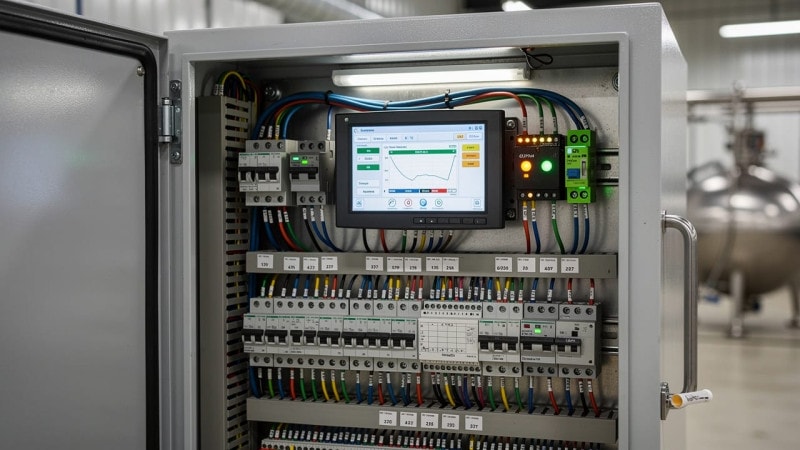
Ag automation means putting sensors, control systems, PLCs, and data tools to work so farm processes run with less hands‑on effort. Instead of an operator starting every motor or valve, a programmed system reads conditions, makes decisions, and carries out steps in the right order. People stay in charge, but computers and hardware take over repetitive work.
This goes beyond simple mechanization. A tractor or auger replaces physical labour but still needs full‑time human control. With true automation, sensing and logic are built into the process. Temperature probes in a grain bin can tell a PLC to start fans. A barn controller can ramp fans and heaters to hold a tight comfort range without someone watching switches.
Several forces are pushing this change on Canadian farms:
-
Labour shortages across the prairies make round‑the‑clock staffing for grain sites, barns, or irrigation very hard.
-
Higher throughput expectations demand more grain moved, more animals raised, and better use of water and fuel.
-
Tighter margins and input costs reward farms that reduce waste and idle time.
-
Safety and compliance expectations keep climbing, especially around confined spaces, chemicals, and animal housing.
Automation also plays a growing role in safety. Automated grain handling reduces bin entry and manual checks near moving equipment. Automated chemical application and remote pump control keep workers away from higher‑risk areas. When systems are set up well, the riskiest jobs either run under strict control or disappear.
Canadian agriculture is no longer early in this move. Many peers already use advanced drying, feeding, and irrigation controls. Producers who delay face higher labour costs, more downtime, and a harder time meeting future reporting and traceability expectations.
The Core Areas Where Ag Automation Delivers Results
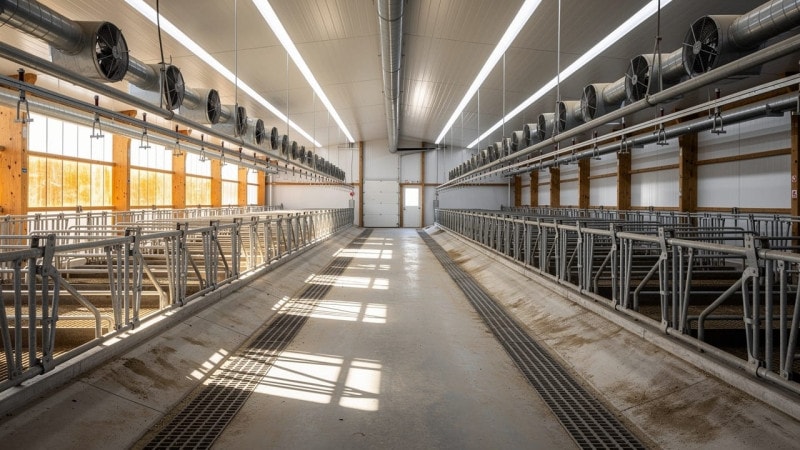
Ag automation shows up in many places on a farm, but four areas deliver especially clear gains for operators who depend on steady production.
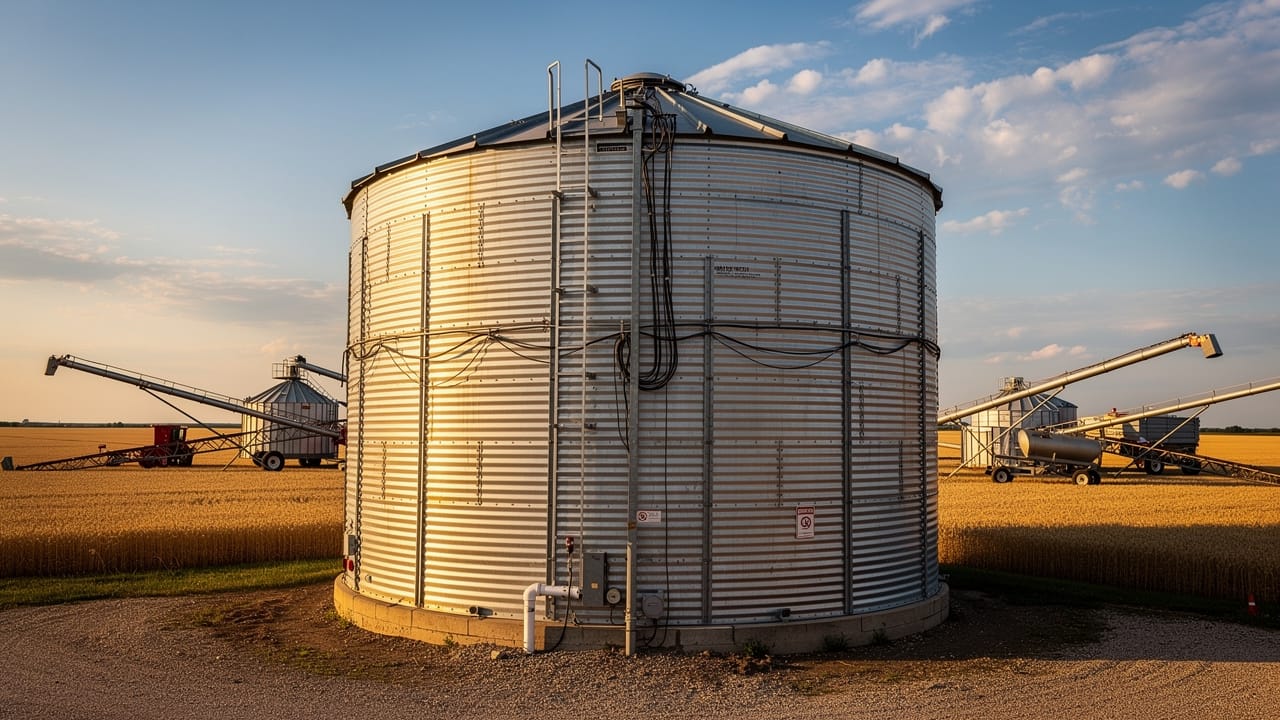
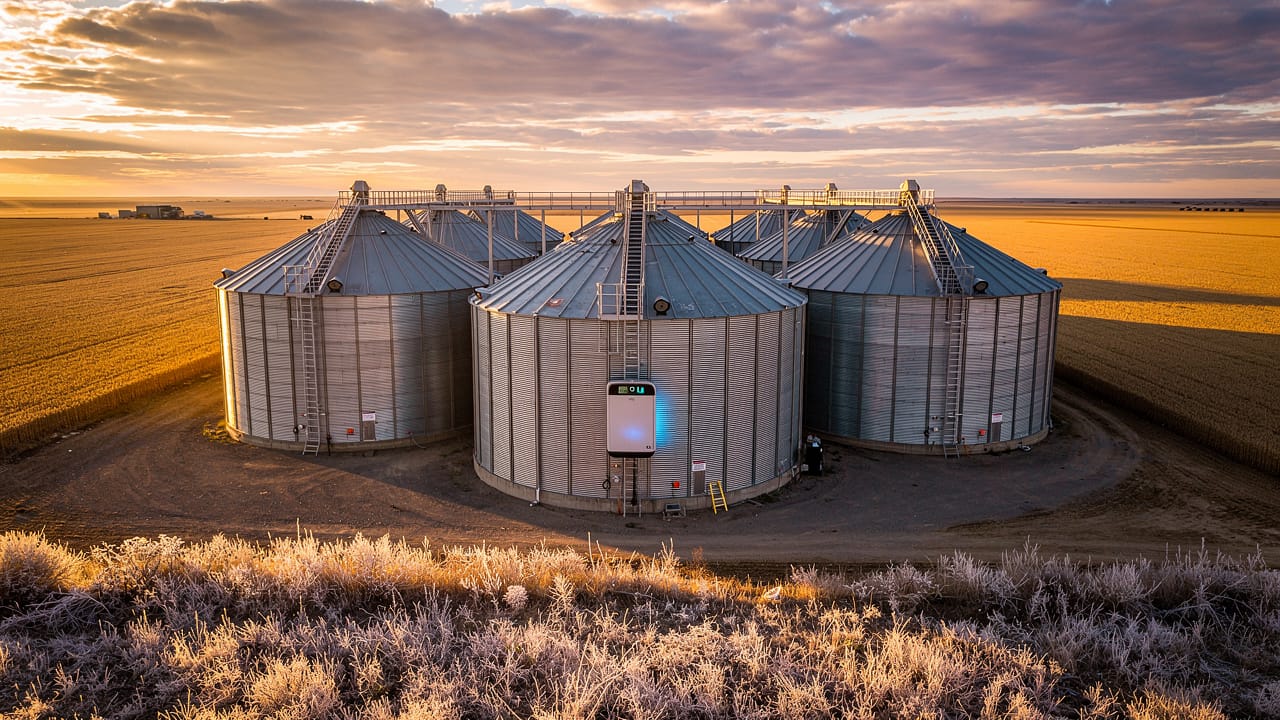
Grain handling and storage automation is often the first step. Central control panels start and stop grain legs, conveyors, and distributors in the correct order so bins fill safely without guesswork. Temperature and moisture cables inside bins send real‑time data, helping you spot hot spots before they turn into spoilage. Automated grain dryers read incoming and outgoing moisture, then adjust heat and fan speed to avoid over‑drying. High‑level shutoffs and overhead bin scale integration improve load accuracy and protect both equipment and workers from overfills. Shaft monitoring across handling points catches belt slips or bearing problems early, before they become a fire or breakdown.
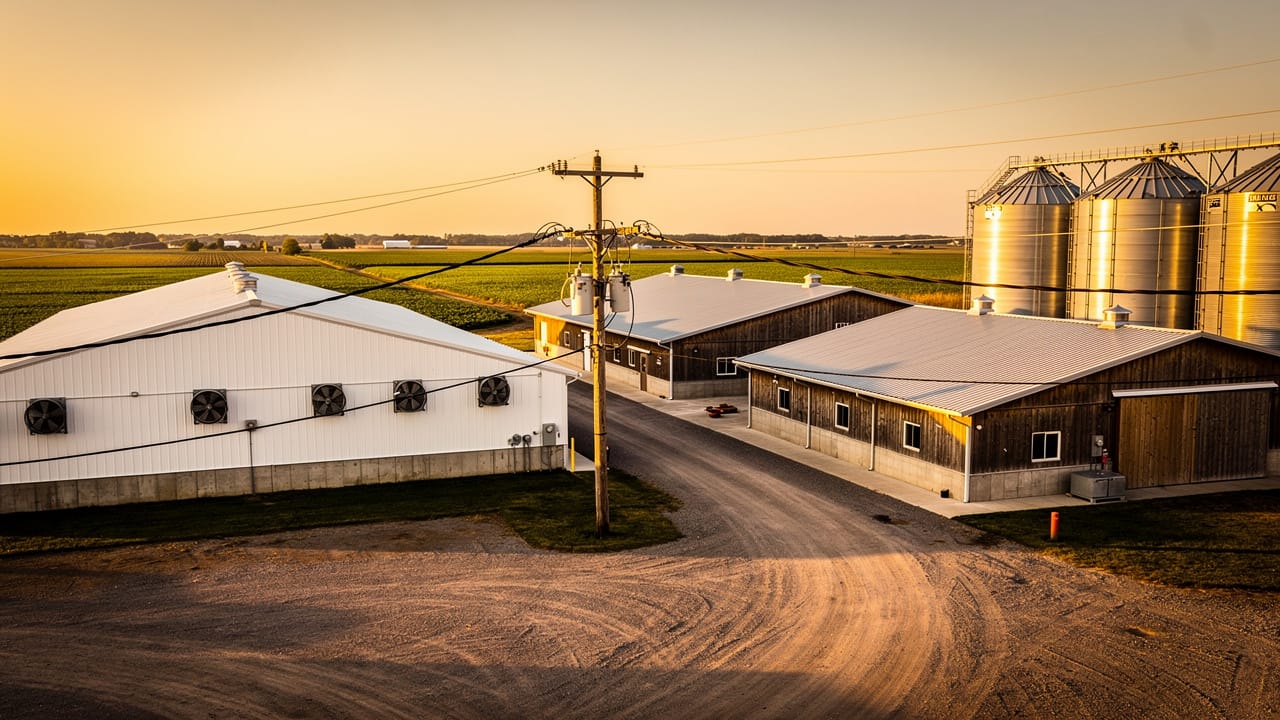
Livestock and facility automation keeps barns comfortable and animals healthy while cutting manual tasks. Automated feeding systems deliver the right ration at the right time, every time, which supports stronger gains and milk production. Computer‑controlled ventilation, heating, and lighting maintain a narrow temperature and air quality range even when the weather swings fast. Security, access control, and camera systems allow off‑site checks when staff cannot be there. In dairy setups, robotic milking and automated manure handling reduce heavy physical work and keep routines consistent. In these facilities, a power failure is a life‑safety event, not just a delay.
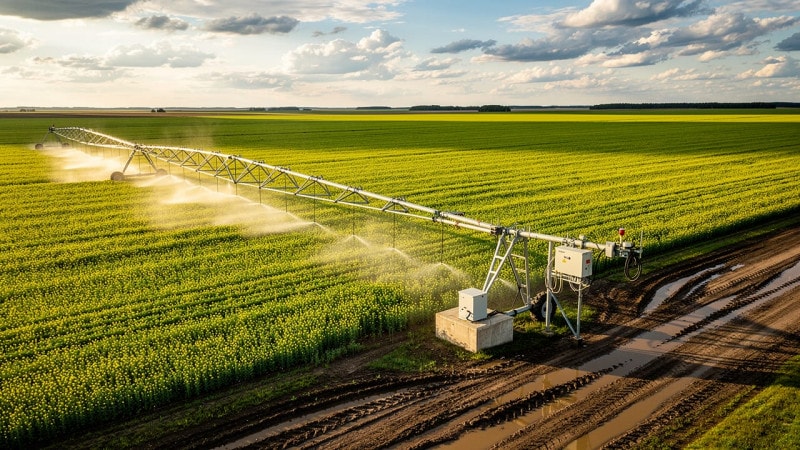
Irrigation automation helps manage both water and power costs. Soil moisture sensors and weather stations feed data to a central controller, which starts or stops pumps and valves only when crops need water. Operators can check and adjust systems from a phone or computer instead of driving to every pivot or pump house. Over a season, more precise scheduling cuts water waste, reduces wear on pumps and pipes, and supports steady yields.
Environmental monitoring ties the whole farm together. Professional‑grade weather stations measure temperature, wind, humidity, and rainfall on site instead of relying on distant data. Combined with grain and soil monitoring, this gives producers a clearer picture of risk and timing. The result is better planning for spraying, harvest, and storage, with fewer surprises and less guesswork.
The Electrical Infrastructure That Makes Ag Automation Work
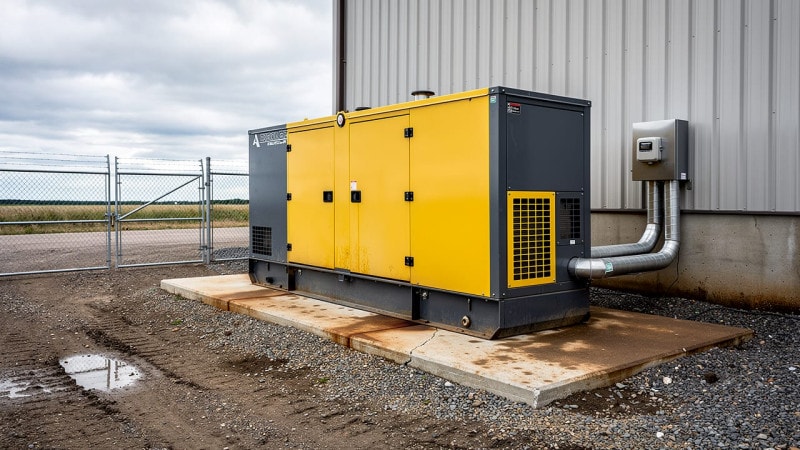
Every piece of ag automation on a farm depends on solid electrical support. Motors, controls, and sensors only perform well when the power that feeds them is reliable and well planned.
Adequate power capacity comes first. Older farm services were sized for lights, a few fans, and maybe one dryer. Add PLCs, multiple large motors, smart ag systems, smart barn controls, and automation hardware, and that same service can be pushed beyond its safe limit. A professional load calculation shows how much your current system can handle and where upgrades are needed. Often that means a larger main service, a new distribution panel, and heavier feeder wires to reach distant bins, barns, or pump sites.
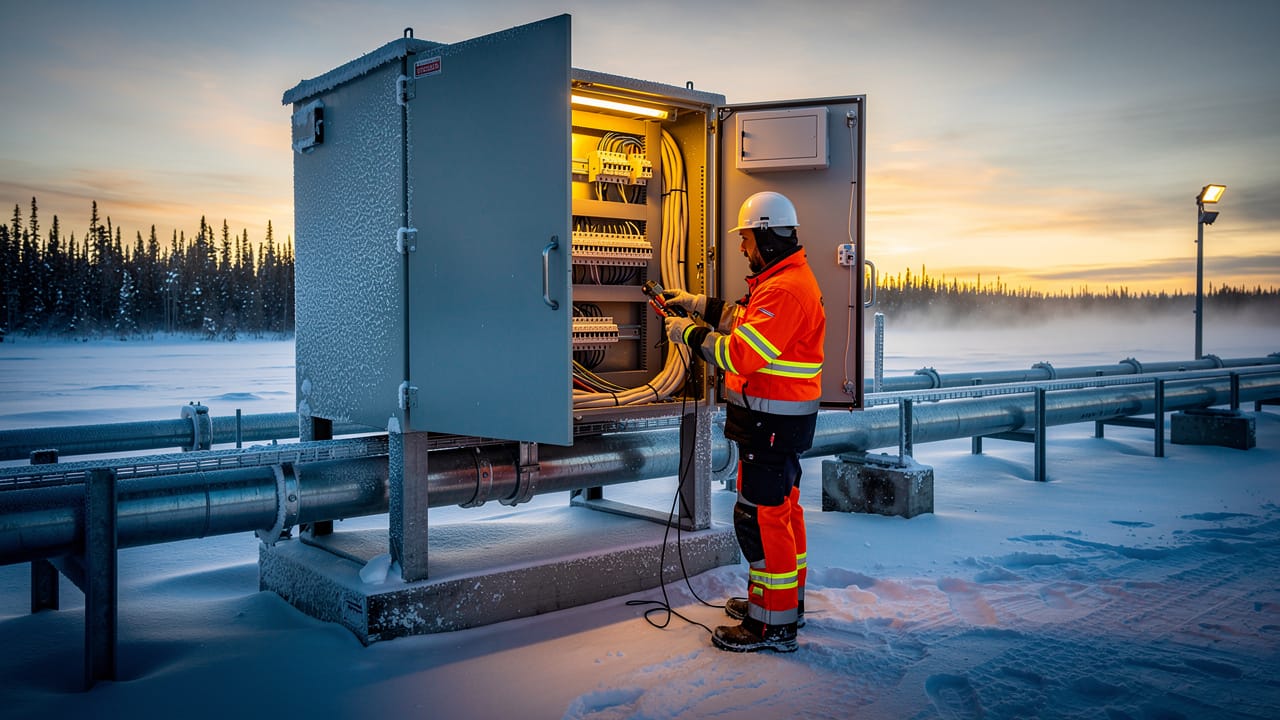
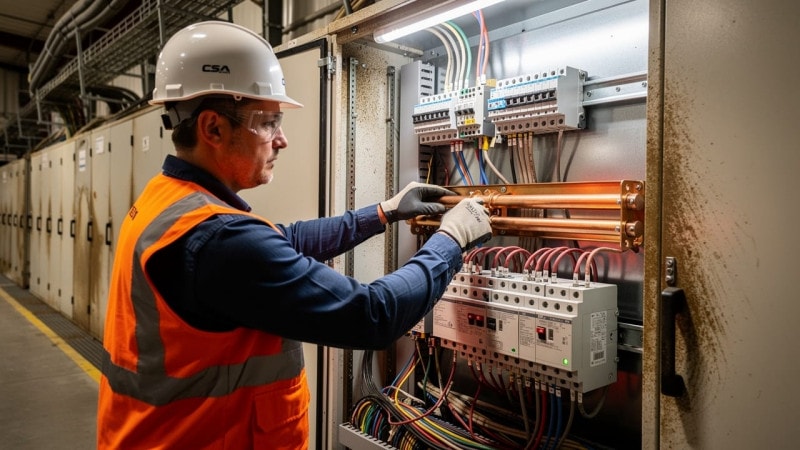
Control systems are the brains and nerves of farm automation. PLC programming ties together grain sequencing, livestock climate control, and irrigation timing. Motor control centres house the contactors and breakers that manage big loads like dryers, legs, and pumps. Variable frequency drives (VFDs) ramp motors up and down gently, which cuts mechanical stress and can lower power use. All of this must follow the Canadian Electrical Code, including the special rules for dusty, wet, or corrosive farm buildings.
Backup power systems are another core piece. Rural grids in Alberta see outages from wind, ice, and storms. For an automated hog or poultry barn, losing power to fans, heaters, or water lines even for a short time is not acceptable. An automatic standby generator with an Automatic Transfer Switch (ATS) keeps power flowing to key circuits within seconds of a loss. Uninterruptible Power Supplies keep PLCs, computers, and network hardware alive during that changeover, so controls do not crash or lose data. Whole‑yard generator systems can be designed so that barns, grain sites, and critical pumps all stay online.
Power quality and surge protection finish the picture. Sensitive microprocessors inside VFDs, PLCs, and controllers do not handle voltage sags or spikes well. Multi‑stage surge protection at the service entrance and at key control panels helps protect that gear from lightning and grid swings. A well‑designed grounding system gives fault current a safe path and reduces electrical noise, protecting both equipment and workers.
As one electrical safety trainer puts it, “Good automation without good power is like a new combine with no fuel in the tank.”
How Cove Electrical Supports Ag Automation From the Ground Up
Cove Electrical focuses on operations that cannot afford downtime. Through its True Ag Automation Division, the company brings extensive electrical experience and practical farm knowledge together on every project, from first design meeting to long‑term service.
The team handles full‑scope electrical and automation work for agricultural operations. That includes design, installation, and commissioning of complete systems, backed by system engineering and PLC programming. For grain handling, Cove Electrical integrates grain and oilseed temperature monitoring, shaft monitoring for many handling points, high‑bin level shutoffs, safety interlocks, and overhead bin scale connections. For livestock and other facilities, they design electrical systems that support security, access control, and environmental monitoring in harsh barn conditions. They also build and wire irrigation pump stations and control panels, install whole‑yard backup generator setups, and complete energy‑efficiency upgrades that reduce strain on equipment.
A recent project at Cedar Brook Farm near Jarvie in Alberta shows this approach in real life. The farm had outgrown its grain handling setup. Cove Electrical delivered a full electrical and automation package with PLC programming, monitoring for more than twenty grain shafts, integrated safety controls, and a backup generator system. The result was better safety, less downtime, and confidence that the system can grow with the farm, all managed through one accountable partner instead of many separate trades.
Conclusion
Ag automation has moved from future plan to present requirement for farms that depend on steady output. The success of those systems rests on the electrical foundation beneath them. To build safe, smart, and reliable automation, connect with Cove Electrical’s True Ag Automation Division and start with a thorough electrical review of your grain, livestock, and irrigation assets.
FAQs
What Is The First Step To Adding Ag Automation To An Existing Farm Operation?
The best starting point is a professional electrical load assessment. That shows whether your current service can support new motors, controls, and sensors. From there, you can rank priorities such as grain handling, livestock, or irrigation. Choose an electrical contractor with proven agricultural automation experience so design and code compliance are addressed together from day one.
Why Is Backup Power Critical For Automated Farm Operations?
Automated barns, grain systems, and irrigation rely on constant power to protect animals, crops, and equipment. Ventilation, heaters, bin monitoring, and pumps cannot simply pause during an outage. An Automatic Transfer Switch paired with a standby generator restores key circuits within seconds. This reduces life‑safety risks, helps prevent grain spoilage or crop stress, and keeps control systems online.
What Electrical Standards Apply To Ag Automation Installations In Canada?
All ag automation electrical work must follow the Canadian Electrical Code along with any provincial rules. Agricultural buildings have special requirements for moisture, corrosion, and dust. Grain handling areas are often classed as hazardous locations, which need approved enclosures and wiring. Work should always be done by a licensed electrician who understands farm environments and the demands of automated systems.