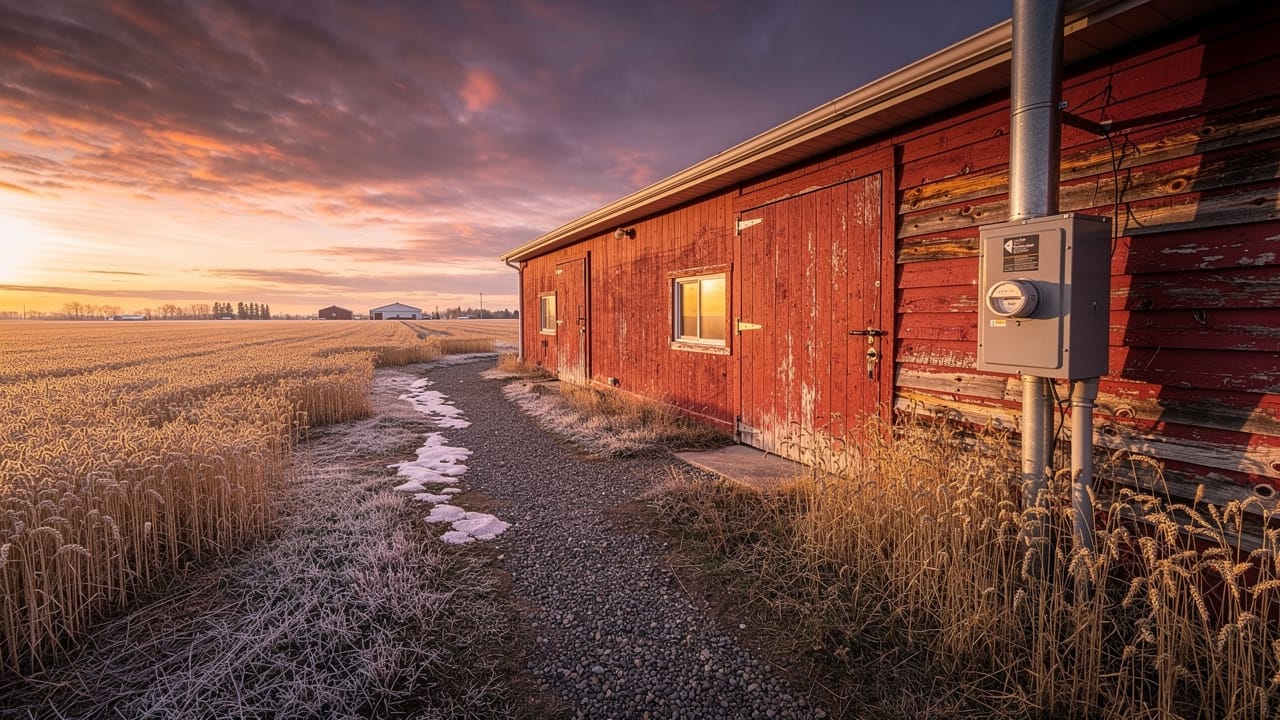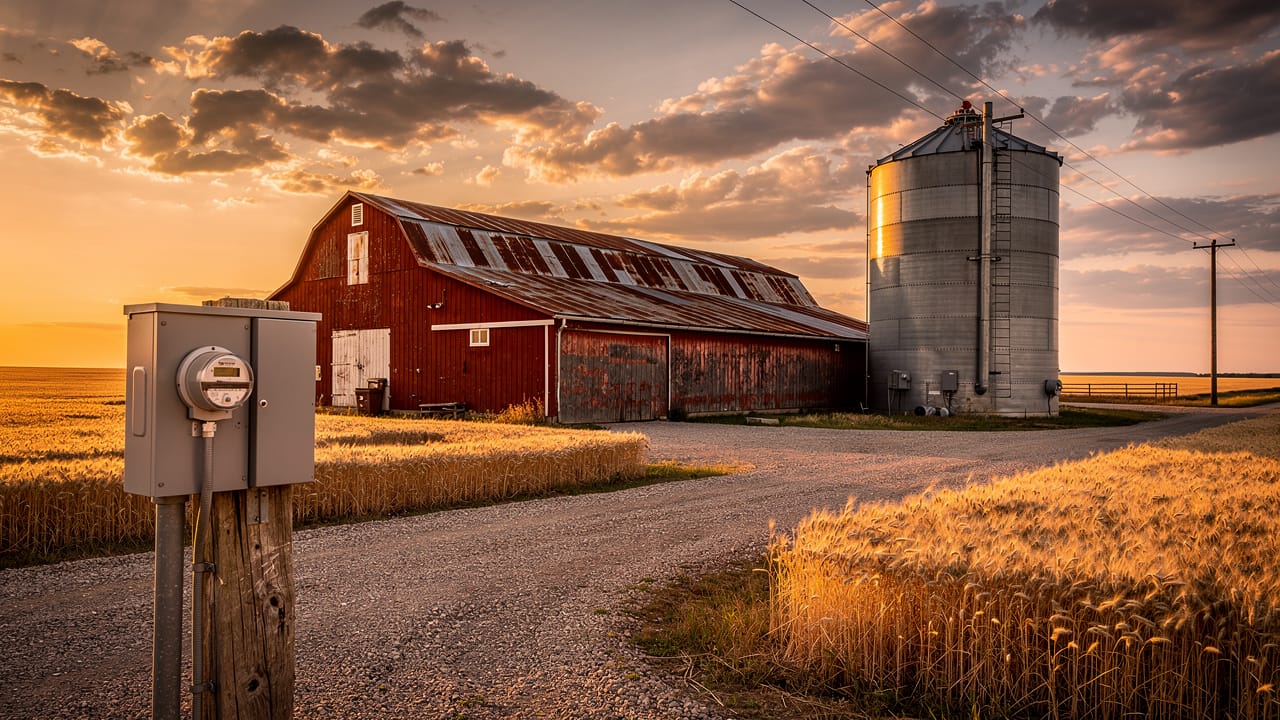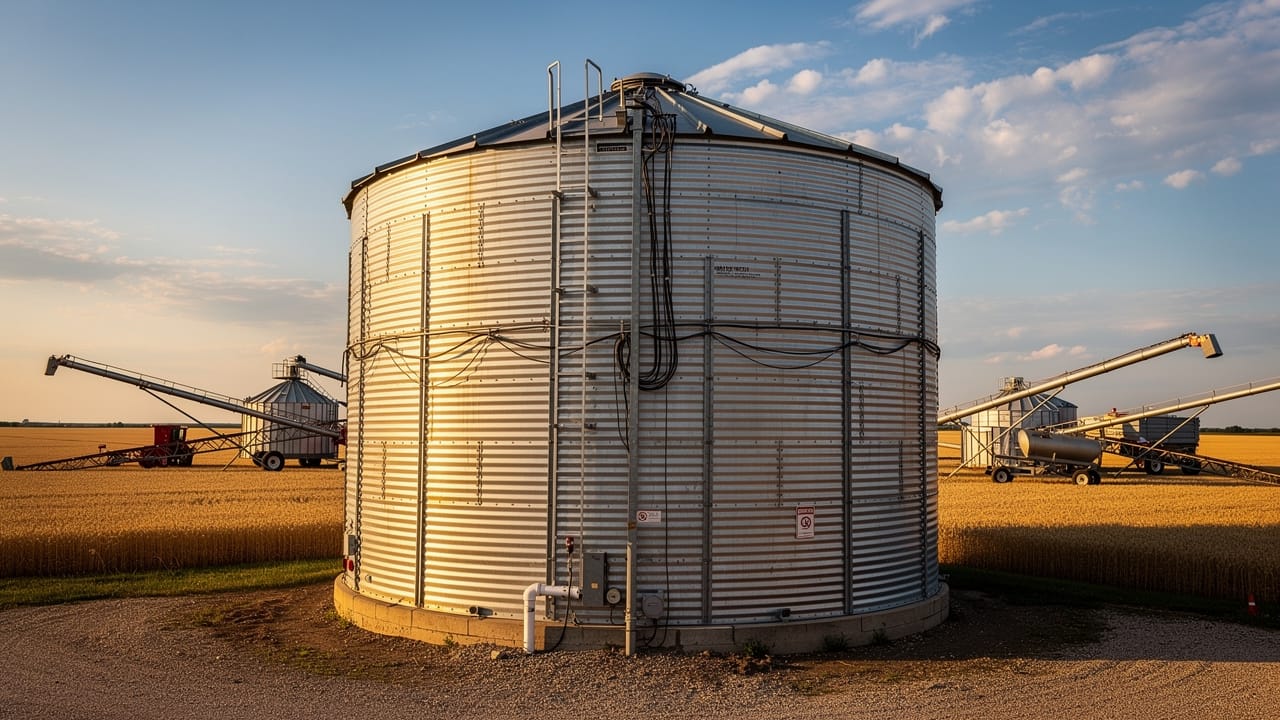
On a modern Canadian farm, electrical power is not a nice‑to‑have add‑on. It keeps animals breathing, grain moving, water pumping, and control systems thinking. When barn fans or augers stop mid‑load, you see how fast things go wrong when the lights blink off. That is why learning how to prevent electrical downtime on farms is now a core management job, not an afterthought.
Even a short outage can stall ventilation in livestock barns, shut down grain drying, idle irrigation during a heat wave, or freeze automation screens. Beyond lost time, there is real risk to animal welfare, crop quality, and expensive electronics. Threats come from both outside and inside your yard: storms and grid failures on one side; aging panels, overloaded circuits, dust, corrosion, and rodent damage on the other.
The farms that stay ahead treat electrical reliability the same way they treat herd health or field work. They plan farm electrical system maintenance, invest in backup power, modernize old gear, and call qualified help before something burns out at the worst moment. This guide breaks down four practical strategies: a proactive maintenance program, a reliable backup generator system, smart modernization with surge protection, and real‑time monitoring backed by a specialized agricultural electrician.
Key Takeaways
-
Even short power outages add up fast: animals stress, grain quality drops, and automation faults. The repair bill is only part of the real cost.
-
A clear maintenance program is your strongest defence. Regular inspections, cleaning, and testing catch problems early and improve agricultural electrical safety across your yard.
-
Backup generator systems protect the circuits that keep your farm alive. An automatic transfer switch brings power back within seconds, while an agricultural uninterruptible power supply protects control gear in that gap.
-
Modern panels, proper wiring, surge protection for farms, and better farm energy management all raise rural electrical reliability. Real‑time monitoring plus a skilled agricultural electrician then keeps that system steady.
Build A Proactive Farm Electrical Maintenance Program
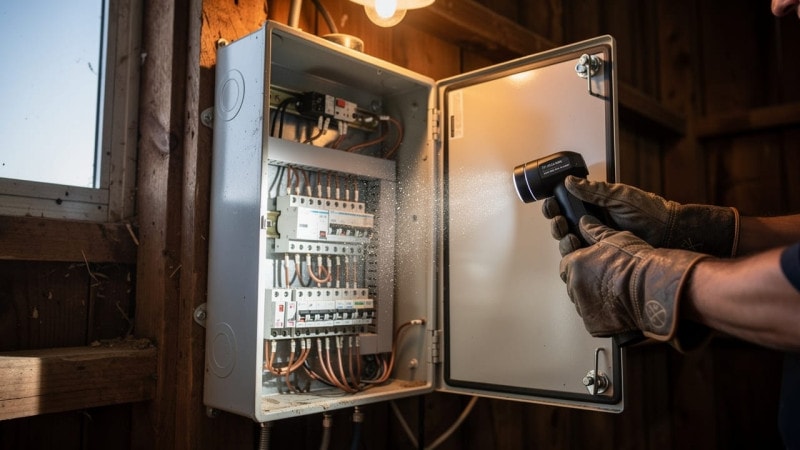
If you want to know how to prevent electrical downtime on farms, start here. Waiting for a breaker to trip during seeding, harvest, or a cold snap is an expensive way to run. Unplanned failures bring repair bills, production loss, animal stress, and premium rates for emergency callouts. A planned farm electrical maintenance program turns guesswork into a repeatable routine.
“An ounce of prevention is worth a pound of cure.” — Benjamin Franklin
Begin with simple visual checks that you and your staff can handle. Walk barns, grain handling areas, and workshops on a set schedule, looking for cracked or rodent‑chewed insulation, damaged conduits, rusty or swollen enclosures, loose or missing panel covers, and warm or discoloured outlets, plugs, or breakers that point to overloads and fire risk. These basic farm electrical inspections cost only time yet catch many early warning signs.
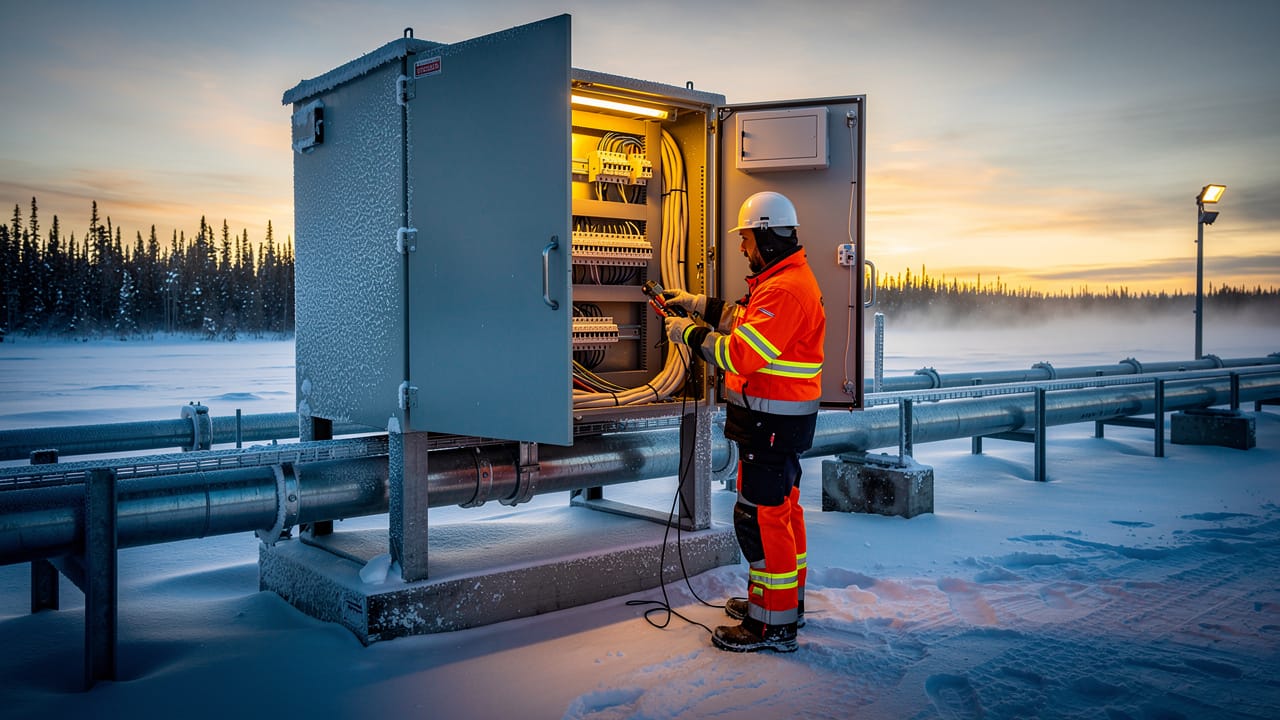
Some faults hide inside live gear where you cannot see them. An agricultural electrician with a thermographic camera can spot “hot spots” from loose lugs, failing breakers, and overloaded circuits. Building an annual scan into your farm electrical equipment maintenance—especially on main services, transfer switches, and large motor feeds—lets you fix problems on your schedule instead of during a storm.
Dust, chaff, cobwebs, and rodent nests inside panels and control boxes trap heat and feed flames. Before any cover comes off, follow lockout and tag procedures and confirm the power is off. Then use a vacuum with a non‑metallic hose to clear debris from motor control centres, breakers, and disconnects. Clean gear runs cooler and lasts longer, which directly supports agricultural electrical safety.
-
A good inspection checklist targets damaged wiring, moisture, corrosion, and warm panels so trends stand out instead of surprises.
-
Regular cleaning removes dust and chaff, lowers fire risk, keeps panels cooler, and supports long‑term electrical maintenance for agricultural buildings.
-
Component testing turns guesswork into facts: monthly GFCI checks, insulation tests on large motors and feeders, and periodic breaker testing logged in writing.
Many farms do not have the staff time or test gear to manage all this alone. Cove Electrical offers ongoing service and maintenance programs built for tough agricultural sites, so your farm can keep a consistent schedule without juggling calendars. That kind of structured care forms the base layer of farm power supply protection and reduces both downtime and stress.
Invest In A Reliable Backup Generator System
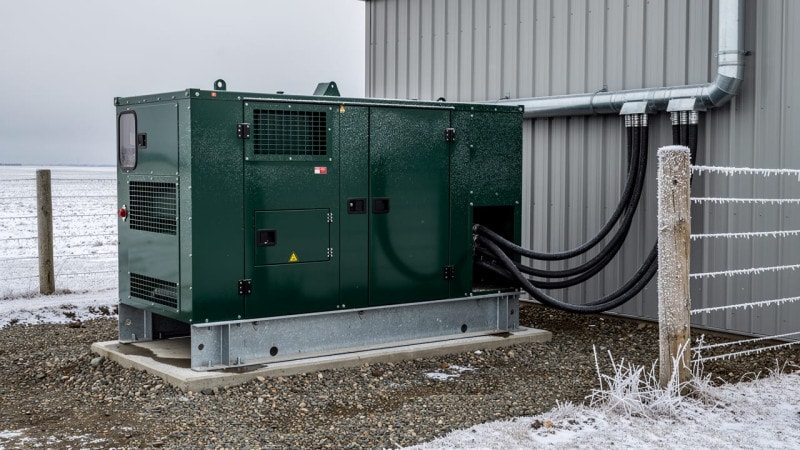
Even the best‑maintained system cannot stop every storm, ice build‑up, or utility fault. When the grid fails, the only thing between your livestock and a silent barn is the backup power system you already have in place. For intensive livestock, poultry, or dairy operations, a well‑designed generator setup is no longer optional.
Without backup power, barn ventilation fans stall, automated feeding and watering stop, milk coolers warm up, and irrigation pumps shut off mid‑cycle. That can mean animal losses, milk dumping, and crop damage—not just lost kilowatt‑hours. A reliable farm generator system keeps those vital circuits alive long enough for the utility to recover.
Most farms follow one of two paths. PTO generators are affordable and use tractors already on site, but they depend on someone being nearby and willing to move and connect the unit during rough weather. Automatic standby generators sit in one place, start on their own, and suit livestock facility power backup, poultry farm power backup, and dairy farm electrical systems where minutes matter.
The heart of any automatic system is the Automatic Transfer Switch (ATS). It monitors incoming power, disconnects your farm from the grid when voltage fails, starts the generator, and carries the load once it is stable. When the utility returns, it reverses the process. This protects line workers from dangerous back‑feed and restores life‑support systems in barns within seconds without anyone touching a control.
-
Proper sizing starts with picking priority circuits—fans, well pumps, milking, feeding, refrigeration, heating, key lighting—and having a qualified electrician size the generator correctly.
-
Regular oil and filter changes, fuel checks, battery testing, and weekly exercise runs keep your generator ready; neglect turns backup power into another failure risk.
-
An agricultural UPS ahead of PLCs, automation controllers, and key computers bridges the few seconds between loss of utility and generator pickup to protect data and control boards.
Cove Electrical designs and installs whole‑yard backup systems that tie generators, automatic transfer switches, and critical circuits into one clear plan. On projects like the Cedar Brook Farm upgrade in Alberta, that approach kept feed systems, grain handling controls, and monitoring equipment online when the grid dropped. The same mindset can protect your own backup power investment and keep your farm running when the rest of the road is dark.
Modernize Your Farm’s Electrical Infrastructure And Add Surge Protection
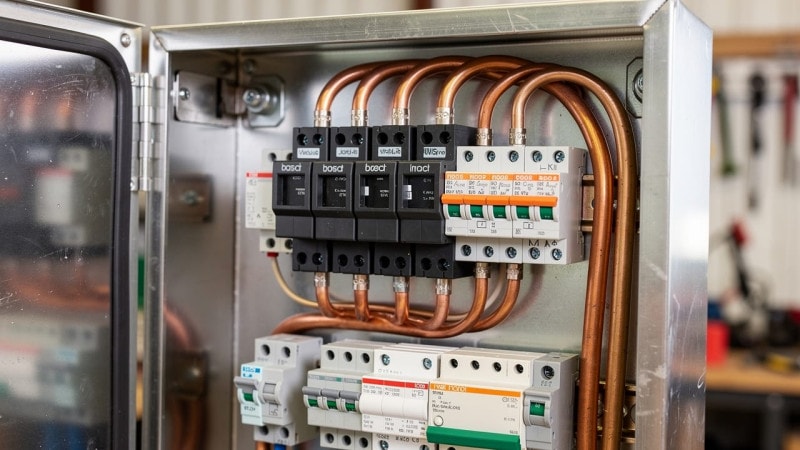
Many Canadian farms still run on electrical systems sized decades ago, when there were fewer motors, almost no automation, and limited electronics. Those same services now carry ventilation fans, grain handling lines, VFD‑driven equipment, computers, and networked control panels. If you want a real answer to how to prevent electrical downtime on farms, you must decide whether the backbone of your yard can handle what you ask of it.
Service and panel upgrades are often the first step. Moving to a 200‑amp or 400‑amp main service and replacing old fuse boxes with modern breaker panels creates room for present loads and future plans. It also cuts down on nuisance trips that stop conveyors or fans in the middle of a job. This work is a key part of electrical maintenance for agricultural buildings and supports long‑term rural electrical reliability.
Wiring and conductor condition matter just as much as panel size. Old cables with brittle insulation, moisture damage, or rodent chewing are a fire hazard and a common source of intermittent faults. Upgrading to correctly sized copper conductors in suitable conduit gives your equipment a solid path for current and a safe path for faults. A good agricultural electrician checks grounding and bonding at the same time to keep stray voltage away from livestock and metal work.
-
Surge protection for farms guards electronics from spikes riding on the line. A Type 1 or Type 2 device at the main service clamps down on large surges from lightning or utility switching, while point‑of‑use devices ahead of automation controllers, VFDs, and office gear mop up smaller spikes. This layered approach greatly reduces failures caused by damaged electronics.
-
Variable Frequency Drives (VFDs) on grain augers, irrigation pumps, and barn fans provide a gentle start instead of a hard jolt. They ease the inrush current that sags voltage, helping stop random trips on other circuits while trimming energy use and wear on belts and gearboxes.
-
Energy efficiency also supports reliability: LED lighting and high‑efficiency motors lower total load, keeping panels cooler and leaving headroom for future gear and better farm energy management.
Cove Electrical specializes in electrical system modernization for demanding farm operations, tying upgrades, grounding, surge devices, and advanced automation into one clear design. The goal is simple: a system that runs safely, handles busy seasons without complaint, and is ready for whatever your next piece of equipment requires.
Use Real-Time Monitoring And Work With A Specialized Agricultural Electrician

Once hardware is in good shape, the next step in learning how to prevent electrical downtime on farms is knowing what your system is doing in real time. Guessing by ear or smell is not enough when you depend on farm critical power systems to protect livestock, crops, and staff.
Modern metering and monitoring tools watch voltage, current, and power use on main services and individual circuits. A rising current draw on a well pump can point to a failing bearing long before the motor quits. Consistently low voltage across your yard may indicate a transformer or supply issue. Data like this turns farm electrical troubleshooting into a planned task rather than a scramble.
“You cannot manage what you do not measure” is a saying heard often in energy management, and it applies perfectly to farm electrical systems.
Automated alerts add another layer of protection, and power-outage exercises strengthen the case for rehearsed response plans — a principle that applies equally to remote farm sites where help can take considerable time to arrive. Monitoring hardware can send text or email messages the moment power fails, a key breaker trips, or a generator does not start. For remote or rural sites where help takes time, these rural power outage strategies give you a chance to act before barns heat up or coolers warm. This is a practical form of agricultural power outage prevention that fits the way farms operate.
Cove Electrical offers monitoring and data services that fit this picture, from grain and oilseed temperature monitoring through to weather station integration and remote access to key electrical data. When tied into your panels and control systems, these tools show how hard your system is working and where changes would bring the greatest gain in reliability.
The last piece is the person or team who designs, installs, and maintains your system. Farm electrical work is not the same as a house or small store; long runs between buildings, heavy motors, corrosive barn air, grain dust, and life‑support equipment for animals demand a specialist who understands Canadian Electrical Code rules for these sites. Handling major work yourself, or hiring a generalist, often leads to unsafe, unreliable installations and more downtime.
Cove Electrical is built around this kind of demanding work. Led by an experienced electrician with years of farm and heavy‑industry experience, the team focuses on systems that must keep running in harsh Alberta conditions. Design, PLC programming, generator integration, monitoring, and planned maintenance all come from the same place, so a specialized agricultural electrician from Cove Electrical can make sure your electrical system is ready for what the data shows.
Conclusion
Preventing electrical downtime is not one single project. It is an ongoing way of running your operation that brings several pieces together. A proactive maintenance program keeps panels, wiring, and safety devices in good shape. A reliable backup generator with an automatic transfer switch protects the circuits that matter most. Modern infrastructure with proper surge protection cuts failure risk and makes better use of every amp. Real‑time monitoring and a skilled agricultural electrician close the loop so you can act before small issues turn into full shutdowns.
The cost of putting these steps in place is almost always far lower than the cost of one major incident involving livestock loss, spoiled grain, or damaged automation. If you have been wondering how to prevent electrical downtime on farms like yours, the next move is clear. Do not wait for the next outage to expose weak points. Reach out to Cove Electrical for a professional assessment and a plan that fits your operation, so your farm’s electrical system is ready for the seasons ahead.
FAQs
How Often Should A Farm’s Electrical System Be Professionally Inspected?
Most farms should schedule a full professional inspection at least once a year. Older systems, or operations with very heavy electrical use, may benefit from checks every six months. Annual thermographic scans on main panels and large equipment help spot hidden hot spots. Regular inspections also support Canadian Electrical Code compliance for agricultural buildings.
What Are The Most Critical Circuits To Protect With Backup Power On A Farm?
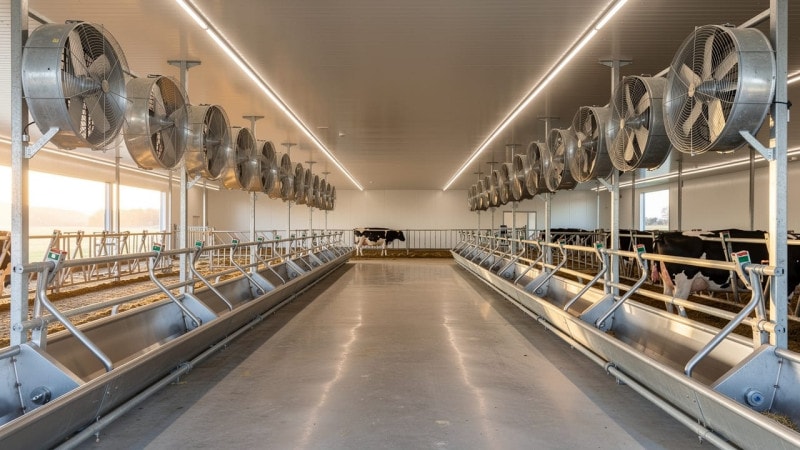
The first circuits to protect are those tied to animal welfare and product quality. That usually means barn ventilation fans, well pumps, automated feeding and milking systems, refrigeration and milk coolers, and heating circulation pumps. Grain handling controls and essential lighting also rank high. A professional load calculation and an automatic transfer switch keep these loads supplied safely during an outage.
What Causes Most Electrical Failures On Canadian Farms?
Many failures start inside the yard with aging or damaged wiring, overloaded circuits, loose connections, rodent damage, corrosion from moisture and manure gases, and dust packed into panels. External causes include severe storms, lightning, ice, and utility grid faults. The good news is that most internal problems can be avoided with consistent farm electrical system maintenance, cleaning, and timely upgrades.