When a pump station in northern Alberta loses power on a frozen January night, there is no safe pause button. Fluids start cooling, lines can freeze, alarms may go dark, and every minute of outage eats into production. Remote operators know that a single weak point in their electrical setup can turn into a very expensive problem.
For remote Alberta operations, electrical support is the backbone of safety, productivity, and continuity. Extreme weather, long distances from the grid, hazardous classifications, and heavy loads all meet on the same site. In that setting, electrical systems are not background infrastructure; they are the core of how oil and gas, industrial, and agricultural facilities stay running.
Cove Electrical is built for exactly this environment. Led by an experienced electrician with many years in the field, the team focuses on electrical support for remote Alberta operations, not residential service calls. Work centres on industrial facilities, oil and gas sites, farms, and remote camps where power quality and uptime matter more than anything.
This article walks through why remote Alberta sites are so demanding, the services that keep them online, how backup power should actually work, and why proactive maintenance is the only realistic strategy. Along the way, it shows how Cove Electrical partners with operators who cannot afford downtime.
Key Takeaways
Many managers want the key points before they read the full article. The following takeaways give a quick overview of how electrical planning affects uptime, safety, and cost on remote Alberta sites.
-
Remote Alberta operations need electrical systems engineered for harsh conditions and heavy continuous loads, not light commercial standards. Off‑the‑shelf work that might be fine in town often fails much sooner when exposed to northern winters and remote access limits.
-
Electrical downtime hits harder at a remote plant than in a city facility because support is far away and equipment is often more critical. A single failure can lead to lost production, damaged assets, safety exposure, and long recovery times that strain staff and budgets.
-
Compliance in hazardous and classified areas is mandatory and tied directly to life safety, not just paperwork. Generator and standby power setups are core infrastructure for these sites, since grid power or a single line feed cannot be treated as guaranteed.
-
Proactive maintenance gives the best long‑term value because it catches problems before they become outages and keeps systems aligned with codes. Cove Electrical brings a full range of industrial and remote electrical services across Alberta, from design and installation through to backup power and ongoing maintenance.
Why Remote Alberta Sites Face Specific Electrical Challenges
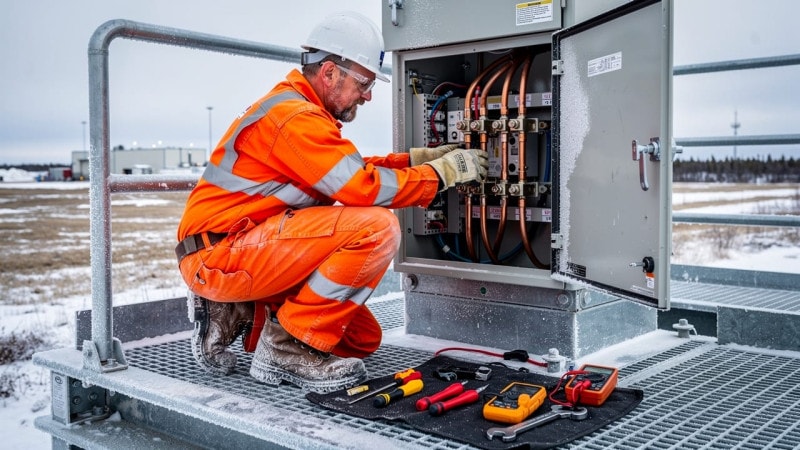
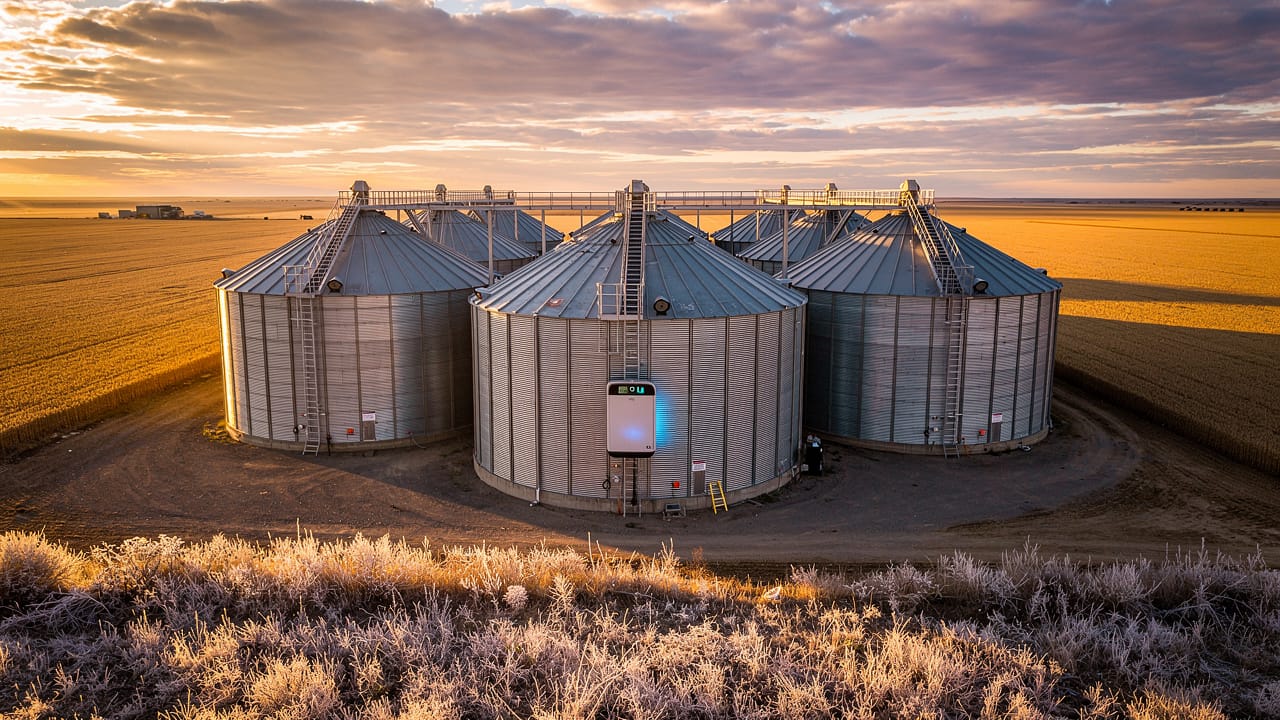
Remote Alberta facilities sit far from the comfort of city services. Many run on a weak grid line, a single feeder, or on‑site generation with long refuelling hauls. When something fails, the nearest industrial electrician in northern Alberta may be hours away, so electrical infrastructure must be planned for self‑sufficiency rather than easy access.
The climate adds another layer of stress:
-
Winter temperatures can drop to -40°C, then swing to hot, dusty summers.
-
These cycles are hard on cables, terminations, and enclosures.
-
Moisture works into conduits, while freeze‑thaw cycles attack seals and gaskets.
Without proper ratings, heat tracing, and weather protection, even a well‑designed system on paper can start to break down in just a few seasons.
Oil and gas fields bring hazardous area classifications into the picture. Classified zones with flammable gas or vapour need explosion‑resistant equipment, sealed wiring methods, and circuits designed to limit fault energy. At the same time, remote mines, plants, and farms run heavy motors, pumps, grain handling gear, and process equipment around the clock. This places continuous stress on distribution, grounding, and protective devices.
When something trips in town, a service truck can often arrive the same day. On a remote site, however, a fault can mean extended downtime, product loss, environmental risk, and pressure from regulators. Installations must align with the Canadian Electrical Code and Alberta requirements, and they must be built by a northern Alberta electrical contractor that understands how remote industrial electrical services in Alberta actually work in the field. Cove Electrical is set up precisely for that type of work.
As one Alberta operations manager put it, “We don’t get second chances when the power goes out at -40°C.”
Core Electrical Services Built For Remote Industrial Operations
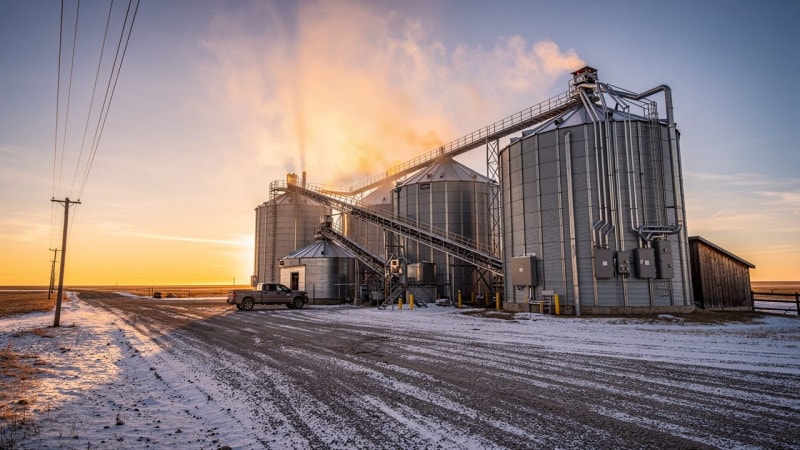
Remote operators need a partner that understands heavy industry, not a contractor who mainly handles small commercial work. Cove Electrical focuses on electrical infrastructure for remote operations, industrial facilities, and farms where uptime and safety are business requirements. The company acts as an industrial electrical contractor in Alberta, bringing design, installation, and field experience together on each project.
Cove Electrical designs and builds strong industrial power systems for processing plants, fabrication shops, and manufacturing facilities. This includes:
-
New industrial electrical installation in Alberta
-
Upgrades to existing equipment
-
Industrial power distribution across Alberta that can support continuous loads
Systems are laid out so they are logical to operate and maintain, even when the plant is busy.
Key service areas include the following.
-
Industrial facilities rely on Cove Electrical for power distribution, motor control, and automation that stand up to high duty cycles. Projects span new industrial electrical installation in Alberta and complex upgrades while production continues. Careful planning keeps shutdown windows short and helps keep operators comfortable with the finished system.
-
Oil and gas clients work with Cove Electrical as an oil and gas electrical contractor in Alberta for everything from well pads to processing sites. Hazardous areas receive equipment and wiring methods suited to classified zones, whether in conventional production or electrical services in the oil sands of Alberta. Compliance and documentation help these facilities pass inspections and operate safely.
-
Remote field operations and camps depend on off‑grid and grid‑supported setups that keep lights and critical loads on. Cove Electrical delivers remote camp electrical services, remote location electrical installation, and mobile electrical services across Alberta that support rigs, laydown yards, and temporary or seasonal sites. Systems are built to handle rough access roads, mobile equipment, and weather exposure.
-
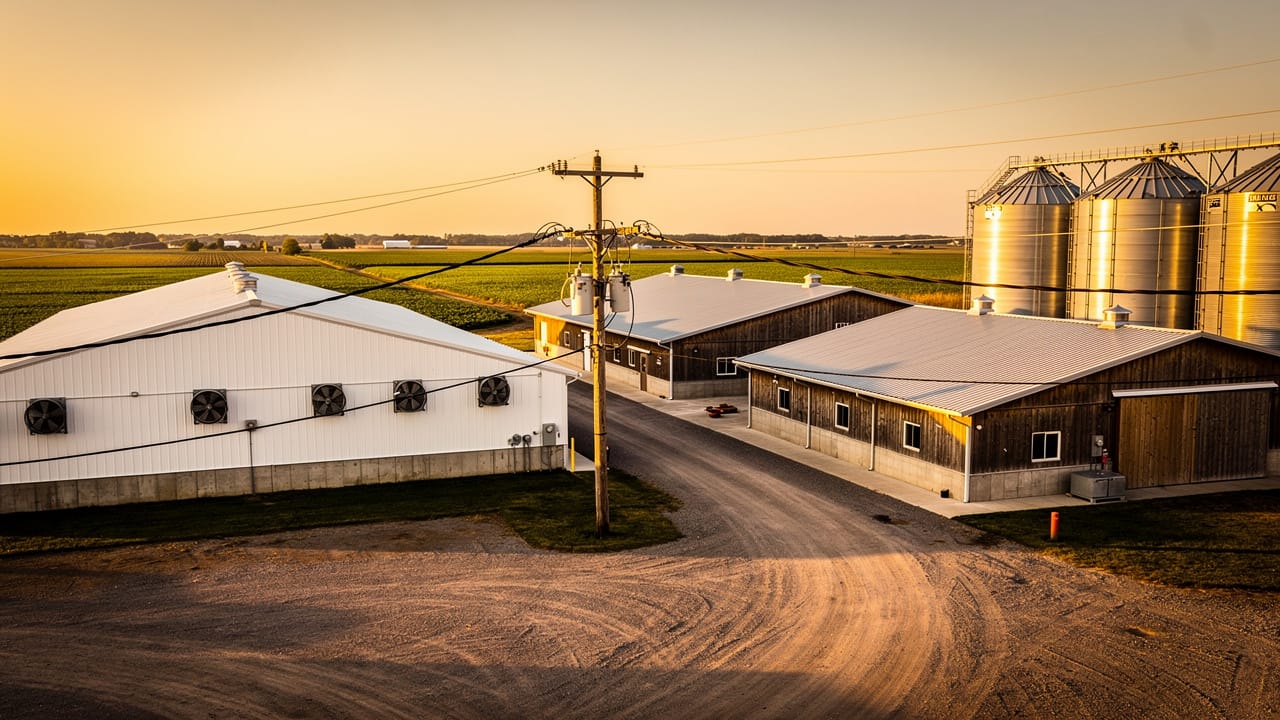
Agricultural operators turn to Cove Electrical for barn power, grain handling, irrigation, and farm automation that can work all season. Electrical infrastructure for remote operations on farms must handle dust, moisture, livestock, and long wiring runs. Long‑term maintenance programs help protect these investments and keep equipment running when labour and harvest windows are tight.
Across all of these areas, Cove Electrical works directly with plant managers, engineers, and site supervisors to match electrical work to operational needs. The standard is simple: power systems that support production and safety with no tolerance for preventable failure.
Backup Power And Generator Support Protecting Critical Operations
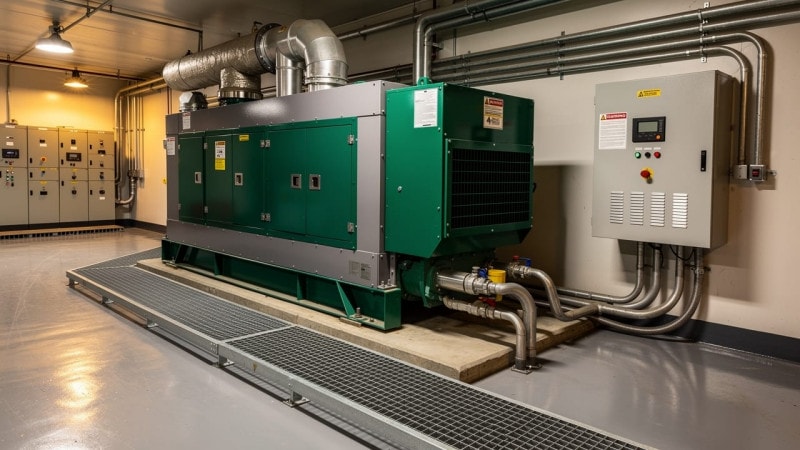
On a remote site, loss of power is never just an inconvenience. A grid outage or internal failure can shut down pumps, disable process control, and leave safety systems operating on limited backup. Restarting after an uncontrolled stop can expose motors and drives to stress, dump product, and stretch restart procedures over many hours.
For many operations, on‑site generation is not a backup plan; it is part of daily life. Off‑grid electrical systems in Alberta, along with weak or unreliable feeders, mean that generators and fuel supply act as the real backbone of the plant. Even for sites connected to the Alberta Interconnected Electric System, remote location and long lines increase the risk of voltage dips and outages that hurt production — a challenge further underscored by large-scale infrastructure efforts such as AtkinsRéalis conducting feasibility study work on new energy corridor connections across the province.
Cove Electrical designs and installs generator and standby power setups that reflect this reality. Systems are sized to protect critical operations, including:
-
Control rooms and communication links
-
Key pumps, fans, and process loads
-
Safety devices, alarms, and emergency lighting
Automatic transfer gear and control logic bring generators online quickly when the main source fails, so staff can focus on operations rather than manual switching in the dark.
Commissioning does not stop at turning the key once. Backup systems are tested under real or simulated load so managers know:
-
How long changeover takes
-
Which loads are protected
-
How the plant behaves during an outage and during re‑energization
Temporary electrical power for industrial shutdowns or construction work is also part of the picture, as is remote worksite power supply support for drilling or seasonal projects. Fuel management, clear operating procedures, and regular testing keep these systems ready for use. The real question for any site is not whether backup power exists, but how reliably it performs when the grid drops.
Safety, Compliance, And Hazardous Area Electrical Work
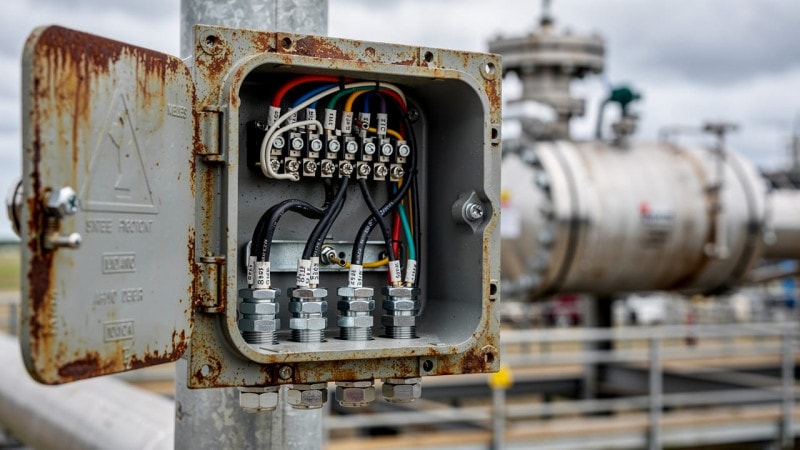
Many remote Alberta operations sit in hazardous locations where gas, vapour, or combustible dust can be present. In these areas, the wrong electrical device can become an ignition source that leads to fire or explosion. Safety is tied directly to how carefully the electrical system is designed, installed, and maintained.
Hazardous classifications define which zones require special equipment and wiring practices. In these zones, components must be rated for the environment and installed using methods that limit any chance of arc or spark reaching the atmosphere. That can mean:
-
Flameproof or explosion‑resistant enclosures
-
Properly sealed conduit and fittings
-
Gas‑rated cable glands
-
Intrinsically safe circuits where required
Protection does not end at the device level. Remote industrial plants also depend on well‑coordinated protective relays, fuses, and breakers that detect faults quickly and isolate only the affected part of the system. Correct short‑circuit ratings, selective coordination, and clear labelling all support safer operation, especially when staff changes or contractors come to site.
Cove Electrical operates as an oil and gas electrical contractor in Alberta with hands‑on experience in hazardous and classified work. Projects in fields, processing plants, and electrical services in the oil sands of Alberta are completed to Canadian Electrical Code requirements and relevant Alberta rules. For operations managers, choosing a contractor with this background is one of the most important safety decisions they make.
As many safety professionals remind their teams, “Good electrical work is invisible day to day, but everyone notices when it fails.”
Electrical Maintenance Strategies For Long-Term Remote Site Reliability
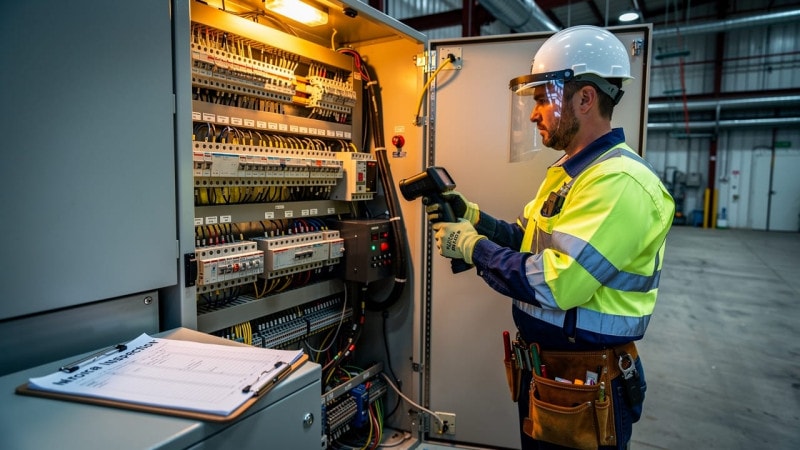
Once a remote facility is running, the worst plan is to wait for something to fail before calling for help. When the nearest industrial electrician in northern Alberta is half a day away, reactive maintenance can mean long outages, overtime, and stress on staff who may already be stretched thin.
Proactive maintenance treats electrical systems as assets that need care, not just wiring in the walls. A good program typically includes:
-
Regular visual inspections of panels, cables, and equipment
-
Torque checks on terminations in switchgear, MCCs, and junction boxes
-
Infrared scans where appropriate to find hot spots
-
Testing of protective devices such as breakers and relays
-
Cleaning of panels and enclosures to remove dust and moisture
These steps find loose connections, overheating components, and aging parts before they turn into trips or fires.
Backup power requires the same attention. Generators need routine run tests, fuel checks, and periodic full‑load exercises so operators know they will start and carry the plant when needed. Transfer gear and controls must also be tested, since a perfect generator is useless if the switchgear fails to move the load.
Alberta weather speeds up wear on outdoor equipment, especially where wind‑driven snow, summer heat, and dust attack exposed gear. Moisture and temperature cycles can also break down insulation and seals in conduits and junction boxes. Cove Electrical offers electrical maintenance for remote industrial sites that accounts for these conditions and keeps documentation current, so compliance stays up to date as codes and operations change. The goal is simple: long‑term reliability instead of repeated emergency calls.
A common saying in maintenance circles sums it up well: “If you don’t schedule maintenance, your equipment will schedule it for you.”
Conclusion
Remote Alberta operations cannot treat power as a background service. Electrical systems hold together safety, production, environmental protection, and communication on every site, from farms and fabrication shops to oil and gas facilities.
The most successful operations invest in strong system design, compliant hazardous area work, dependable backup power, and disciplined maintenance. Those four pillars turn electrical infrastructure into a stable base rather than a constant source of risk and surprise costs.
Cove Electrical focuses on this type of work as a northern Alberta electrical contractor dedicated to industrial, oil and gas, and agricultural clients. For managers who need reliable electrical support for remote Alberta operations, the next step is straightforward: bring in a team that designs for uptime and stands behind its work.
FAQs
What Types Of Remote Alberta Industrial Sites Does Cove Electrical Service?
Cove Electrical works with oil and gas operations, industrial processing plants, manufacturing facilities, fabrication shops, and agricultural sites across the province. The company spends much of its time in northern Alberta as an industrial electrician for remote locations where grid access is weak. Experience with hazardous and classified environments is a core part of this work.
Why Is A Specialized Electrical Contractor Necessary For Oil And Gas Sites In Alberta?
Oil and gas facilities operate in hazardous zones that demand explosion‑resistant equipment, sealed wiring methods, and intrinsically safe circuits in many areas. General electricians may not understand these requirements or the Canadian Electrical Code rules that apply. Non‑compliant work increases risk to people, equipment, and the operator. Cove Electrical is an oil and gas electrical contractor in Alberta with training and field experience in this type of installation.
How Does Cove Electrical Support Backup Power And Generator Systems For Remote Sites?
Cove Electrical designs and installs generator and standby power arrangements that fit each site, from small remote stations to large plants. Systems include correctly sized generators, automatic transfer gear, and control logic that responds quickly when power drops. Installations are tested under load so operators see how their backup behaves. This approach supports industrial power distribution across Alberta where grid power alone is not enough.
What Does An Ongoing Electrical Maintenance Program Include For Remote Industrial Operations?
An electrical maintenance program from Cove Electrical includes:
-
Scheduled inspections of distribution equipment and control panels
-
Testing of breakers, relays, and protective devices
-
Tightening and cleaning of terminations and bus connections
-
Checks on grounding and bonding systems
-
Routine testing and service for generator and transfer equipment
Findings are documented so trends can be watched over time. These services support electrical maintenance for remote industrial sites and help avoid unplanned shutdowns in demanding Alberta conditions.