Stored grain on a Canadian farm is like money in a steel bin. It looks safe from the yard, but inside it can lose value fast if moisture and temperature start to move the wrong way. Remote grain moisture sensing gives operators a way to see what is happening deep in the grain, instead of guessing from the outside.
Many farms still rely on climbing ladders, opening hatches, and using a hand probe. That work is slow, hard on the body, and only checks a tiny slice of a very large bin. Problems such as a hot spot in the core or a wet layer near the wall can grow for days or weeks before anyone notices.
Remote grain moisture sensing replaces that guesswork with continuous readings from sensors inside the bin, all visible on a phone, tablet, or office computer. The system watches every hour, sends alerts when readings move out of range, and gives clear data for fan control. But that monitoring is only as steady as the electrical and communication systems feeding it, which is where a specialist like Cove Electrical comes in.
This article breaks down how remote grain moisture sensing works, why constant moisture and temperature monitoring protects grain quality and farm income, how to choose the right system for a Canadian operation, and why professional electrical design and installation are key to keeping everything running when it matters most.
Key Takeaways
-
Remote grain moisture sensing gives non-stop readings of moisture and temperature inside each bin. It replaces guesswork from manual checks and lets operators respond before problems spread. This cuts both product loss and stress.
-
Early warning of rising moisture or heat stops mould, insect growth, and mycotoxin issues before they affect a whole bin. That protection keeps more grain in top grade and ready for sale. It also supports food safety for the end user.
-
Sensor-driven fan control means aeration runs only when readings and outside air conditions make it worthwhile. That targeted fan use trims hydro costs and reduces wear on motors. Over a few seasons, the savings add up.
-
Good system design depends on bin size, grain type, internet access, and future growth plans. Professional electrical work for power, grounding, and surge protection is the base that keeps the whole system stable and safe.
“Once the bin lid closes, your only real protection is what you can measure,” as one Prairie grain storage advisor likes to say. “Good data is cheaper than lost grain.”
What Is Remote Grain Moisture Sensing and How Does It Work?
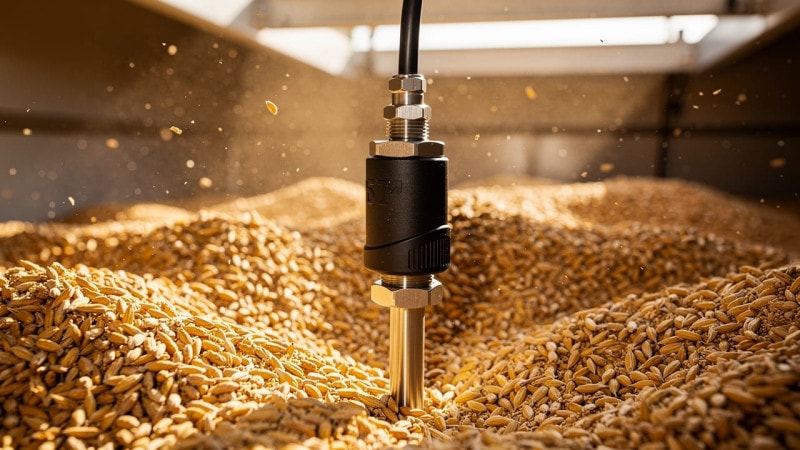
Remote grain moisture sensing uses a network of sensors inside the bin to measure both moisture content and temperature around the clock. Those readings travel through a gateway to a cloud platform, where the operator can view the data from anywhere with a connection. Instead of a single probe reading once a week, the system gives a fuller picture of what is happening throughout the grain mass.
At the heart of remote grain moisture sensing are three main layers that work together as one system:
-
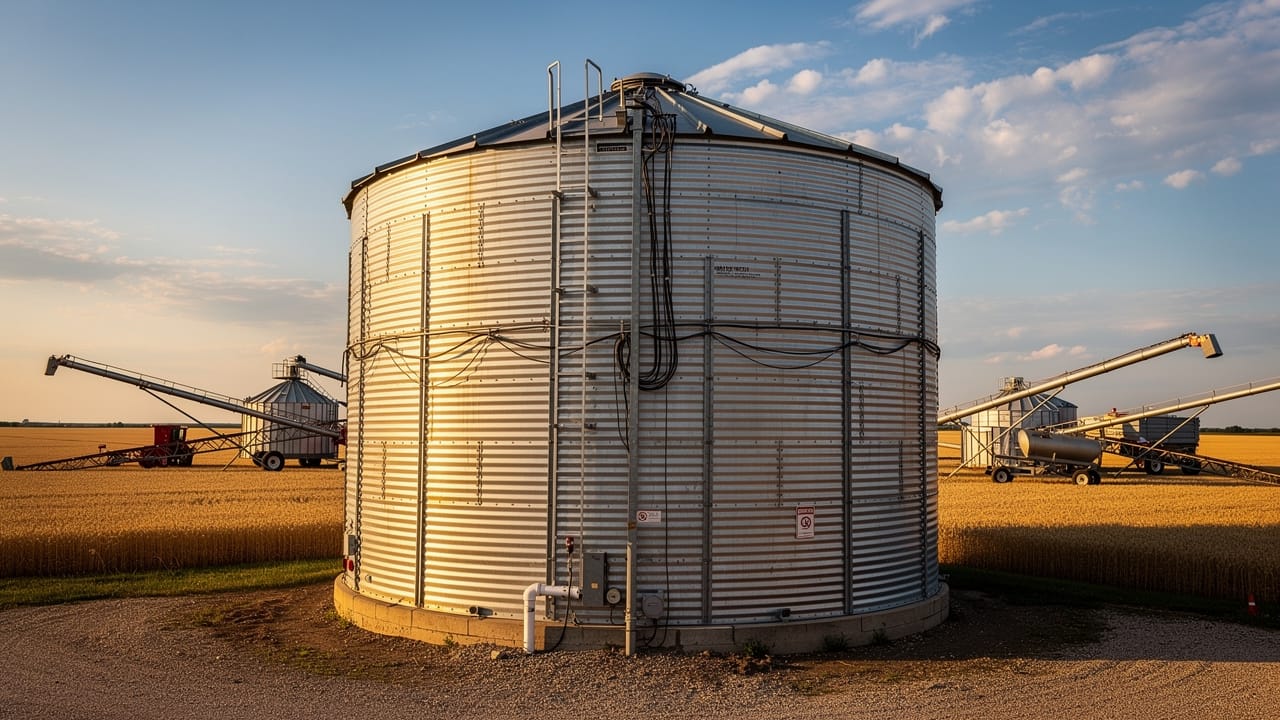
In-bin sensors sit right in the grain and measure moisture and temperature. They may be mounted on hanging cables or built into wireless pods that are tossed into the bin during filling. Several sensors at different depths and locations give a clear view of both the core and the outer zones, catching trouble that a single hand probe would miss.
-
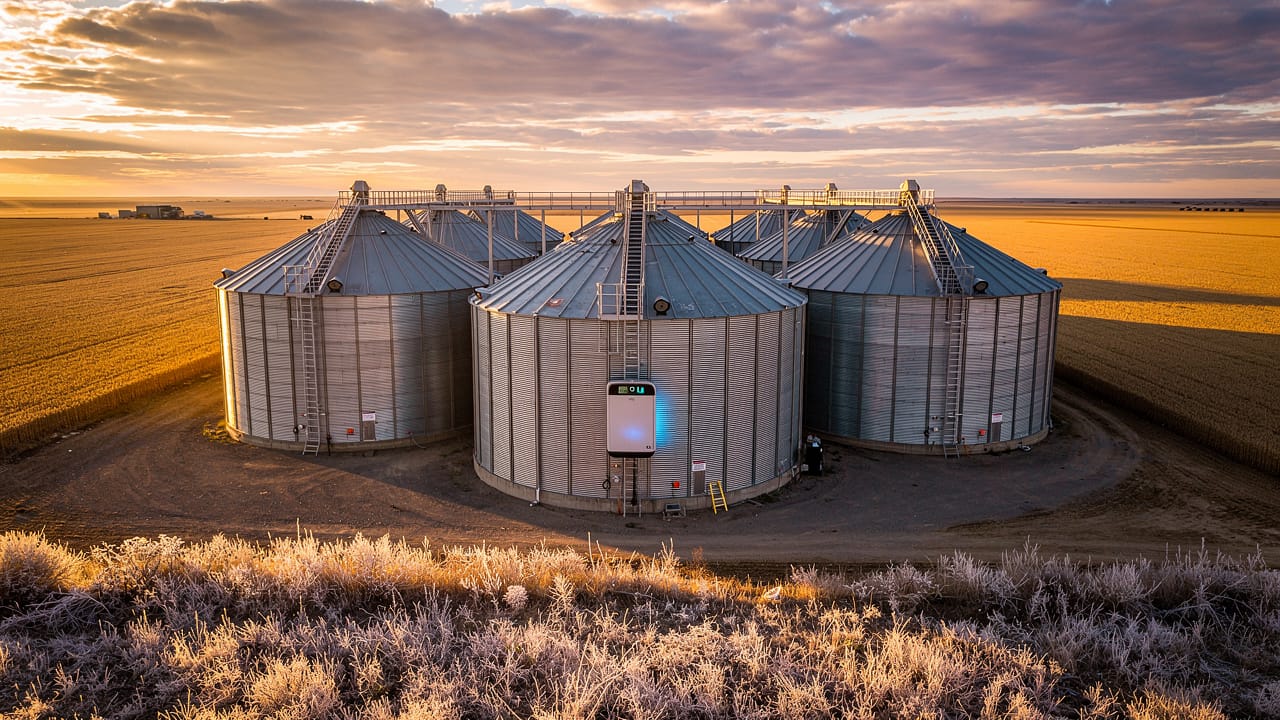
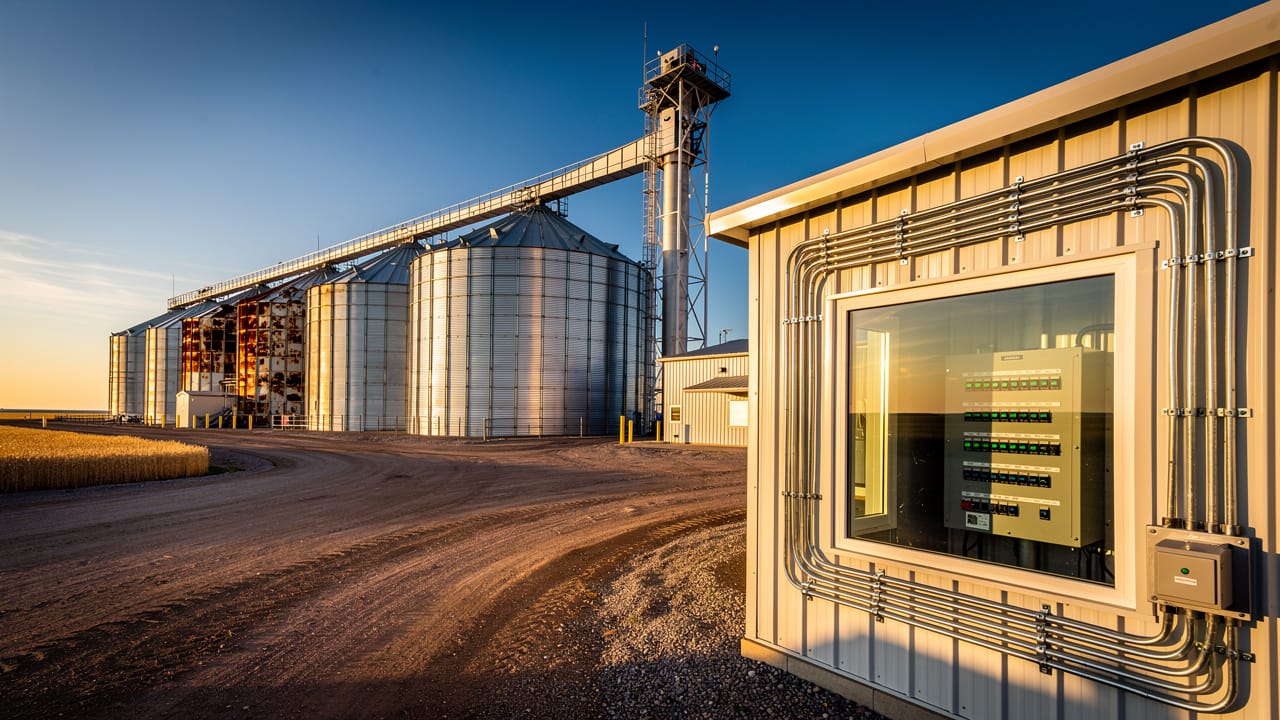
A gateway unit mounted on the outside of the bin collects all sensor signals. It then pushes data to the cloud over a cellular, Wi‑Fi, or in some cases satellite link. This device needs clean, steady power so readings are not lost when the weather or grid flickers.
-
Cloud software and a user interface turn the raw numbers into something easy to use. Operators see colour graphics of each bin, trend lines over time, and clear alerts on phones or email when any reading crosses a limit. Good platforms also make it easy to compare bins, seasons, and crop types.
The day-to-day cycle for remote grain moisture sensing is simple but powerful:
-
Sensors take readings on a set schedule, such as every 15 or 30 minutes.
-
The gateway sends those readings to the cloud platform, which updates charts and checks alert rules.
-
If a temperature zone starts to climb or moisture drifts above the safe range, the operator gets a message.
-
Fans can be started, stopped, or adjusted, and grain can be moved before damage spreads.
There are two main hardware approaches inside the bin:
-
Cable-based systems use heavy sensor cables hung from the roof, giving stable, repeatable readings from the same points every season and no battery worries.
-
Wireless systems use battery-powered pods spread through the bin, which are easier to add to older bins or flat storage but depend on radio signal and long-life batteries.
In both cases, remote grain moisture sensing only works as planned when the electrical supply to the gateway, control panels, and fans is solid, grounded, and protected from surges. This is a core focus for Cove Electrical on grain sites across Alberta.
Why Moisture and Temperature Monitoring Is Critical to Grain Quality
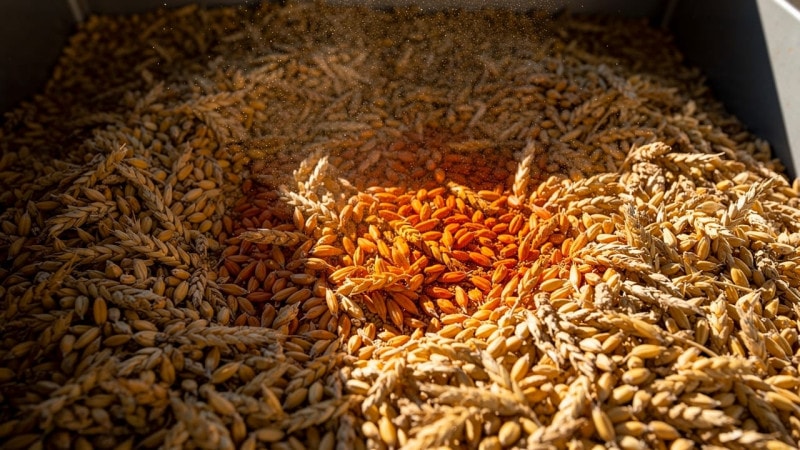
Moisture and heat inside a bin do not stay still. Grain breathes, outside weather shifts, and small problem areas can grow fast. Remote grain moisture sensing turns those invisible shifts into clear data so operators can protect both grain quality and safety.
-
Spoilage and hot spots usually start with a pocket of higher moisture. Microbes and insects become active in that pocket and begin to create heat. Remote grain moisture sensing spots that warming trend early, so fans can be run before the hot spot spreads through the bin.
-
Market value depends directly on hitting the right moisture range for each crop. If grain stays too wet, buyers can downgrade or refuse a load. If it is over-dried, weight is lost that can never be billed. Sensor data supports precise drying and aeration so grain leaves the yard at target moisture, not guesswork.
-
Food safety is at risk when moulds form in wet grain and begin to produce toxins. These compounds can harm both livestock and people and may make a whole lot unsellable. Steady monitoring with remote grain moisture sensing helps keep conditions in the safe zone and lowers the chance of these hidden issues.
-
Worker safety inside the bin is better when fewer people need to climb or enter to probe grain. Confined space entry brings real danger of entrapment, dust exposure, and falls. Remote readings mean more decisions can be made from the ground or the office instead of from inside the bin.
-
Smart aeration driven by sensor data cuts agricultural power demands while guarding grain. Instead of running fans on a timer or by habit, operators can run them when grain is warm and air outside is cool and dry. Many farms see fan run time fall by a large margin when they move to data-based control using remote grain moisture sensing.
-
Record keeping also improves. Stored data creates a history of how each bin was managed, which can help with audits, crop insurance discussions, and conversations with buyers who want proof of good storage practices.
In short, every point of moisture and every degree of temperature inside stored grain carries dollars with it. Systems built around remote grain moisture sensing give Canadian operators the steady picture they need to protect those dollars from harvest to sale.
Choosing and Implementing the Right Monitoring System
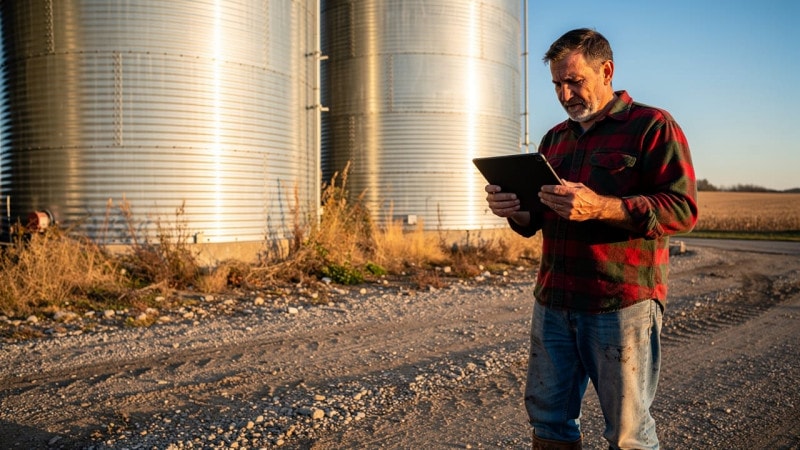
Not every farm or commercial site needs the same remote grain moisture sensing setup. The right choice starts with a clear look at the storage you already have and where you plan to go in the next few years. A quick, cheap device that does not match the bins or power system can cause more frustration than value.
First, examine the physical side of the yard:
-
Tall, wide commercial bins need more sensor cables or wireless pods than a few smaller hopper bins.
-
Oilseeds such as canola pack tight and heat faster than cereals, so they may need closer sensor spacing and tighter alert limits.
-
The total number of bins matters too, since it affects how many gateways and licences are needed and how far you may want to grow the remote grain moisture sensing network in the future.
Next, check the connectivity at the bin site. For many rural Alberta and western Canadian yards, cellular is the most practical choice for sending data from the gateway to the cloud. It is wise to look at carrier coverage maps and even test signal strength on-site before locking in hardware. In more remote areas, satellite links are an option, while some yard sites with good farmhouse internet may be able to use Wi‑Fi.
When comparing hardware types, be honest about how the bins are used:
-
Cable-based systems suit permanent, high-throughput bins where long life and repeatable readings matter most.
-
Wireless pods shine when retrofitting older bins, short-term storage, or flat sheds, as they drop in with little metal work.
Remote grain moisture sensing can run on either style; the best choice depends on how easy bin entry is, how often bins are turned, and how much maintenance time is realistic.
Software should never be an afterthought. Look for:
-
Clear dashboards that let you spot trouble at a glance
-
Strong alert options (text, email, app notifications)
-
Good historical charts that make it easy to see how a bin behaved through a season
-
Options to connect to automated fan control or PLCs so aeration can respond to real-time grain data without constant human input
This is where Cove Electrical focuses its work, tying remote grain moisture sensing into full electrical and automation designs on farms that want one control view for bins, conveyors, fans, and backup power.
A common rule of thumb among storage specialists is, “Spend as much time planning your monitoring system as you spent planning your biggest bin.” That planning often starts with a walk-through beside an experienced electrician.
Why Professional Electrical Integration Makes or Breaks Your System
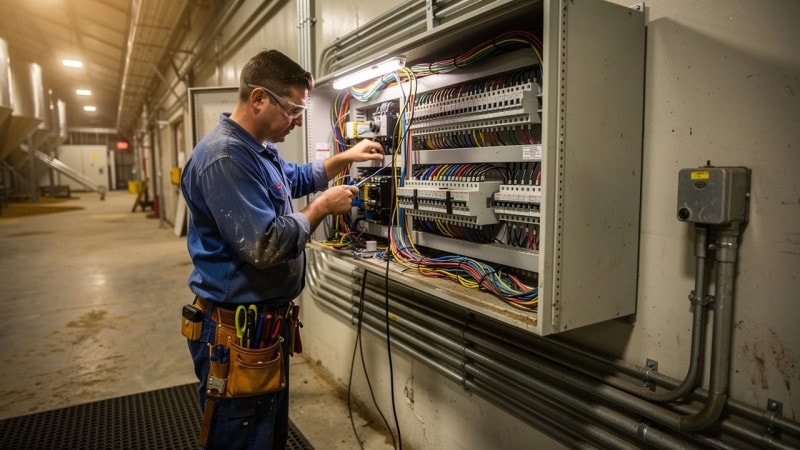
Even the best remote grain moisture sensing hardware cannot do its job if the electrical side is weak. Gateways, control panels, sensors, fans, and communication gear all rely on steady power and proper protection. A cheap shortcut here can mean random faults, dead electronics, and lost grain value.
Stable, dedicated power is the starting point. Monitoring gear and control electronics are sensitive to voltage drops, spikes, and electrical noise from large motors. A qualified agricultural or industrial electrician can provide separate clean circuits, correct grounding, and surge protection so remote grain moisture sensing runs without nuisance trips. This work is especially important on yards with older wiring or long runs between buildings.
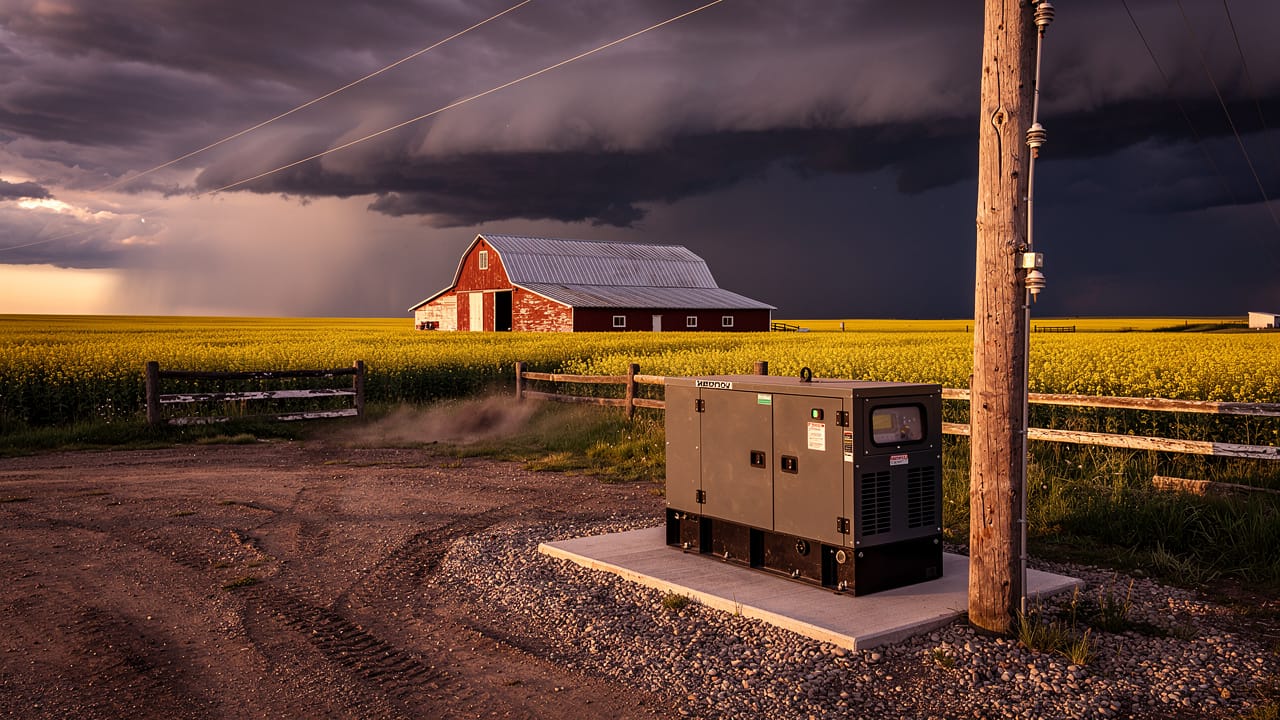
Backup power is another key piece for Canadian farms, where storms and rural grid faults are common. The highest risk for spoilage often comes right after harvest, which can line up with fall storms. If a power cut shuts down both monitoring and fans for days, a bin can change fast. Whole-yard generators, automatic transfer switches, and sometimes small UPS units for gateways keep remote grain moisture sensing and aeration active when the grid is dark. Cove Electrical designs and installs these systems with grain quality and continuous operation in mind.
Safety rules add more demands around grain. Grain dust is a combustible hazard, and many areas around bins fall under hazardous location rules in the Canadian Electrical Code. All conduits, junction boxes, and devices near grain handling need the right ratings and careful sealing to avoid ignition points. This is not a place for DIY work or general home wiring habits. Cove Electrical works daily in agricultural and industrial sites, using dust-tight and weather-tight gear that holds up in harsh bin yards for the long term.
Finally, tying remote grain moisture sensing into high-voltage fan and conveyor motors calls for real control know-how. Low-voltage sensor signals must drive contactors, motor starters, and sometimes VFDs without stray faults or hard starts that damage equipment. Cove Electrical builds and programs PLC panels that take data from the monitoring platform and run fans and interlocks in a clean, predictable way. When electrical integration is done right, the monitoring system becomes a reliable tool instead of one more thing to babysit during busy seasons.
As many electricians tell farm clients, “Sensors are only as reliable as the power and wiring behind them.”
Conclusion
Remote grain moisture sensing is not a gadget for show. It is a practical risk management tool that protects the value of every tonne stored in a bin, from harvest to delivery. By watching moisture and temperature nonstop, it stops small problems before they turn into downgrades, rejects, or full-bin losses.
For that protection to hold, the monitoring hardware must sit on a solid electrical base. Clean power, good grounding, safe wiring in dusty areas, and dependable backup power all matter as much as the sensors themselves. Farmers and commercial operators who treat electrical design as part of grain management see fewer surprises and better long-term performance.
Cove Electrical focuses on operations that cannot afford downtime. For farms, grain terminals, and mixed agricultural sites across Alberta, the team designs and builds power and automation systems that support remote grain moisture sensing, smart aeration, and reliable grain handling day after day.
FAQs
What Is The Difference Between Cable-Based And Wireless Remote Grain Moisture Sensing Systems?
Cable-based remote grain moisture sensing uses heavy sensor cables hung from the roof of the bin. These cables carry power and data, so there are no batteries to replace and readings always come from the same fixed points. This style suits large, permanent bins where long service life and repeatable data matter.
Wireless remote grain moisture sensing uses battery-powered pods spread through the grain during filling. It is easier to add to older bins or flat storage, but radio signals must cross a dense grain mass and batteries will need attention over time. For some sites, a mix of cable-based and wireless hardware gives the best coverage.
How Does Remote Grain Moisture Sensing Reduce Aeration Costs?
Remote grain moisture sensing tracks temperature and moisture so operators know exactly when grain needs air and when it does not. Fans can then be run during the best outside conditions, such as cool, dry nights, instead of on a fixed timer or guesswork.
This cuts wasted fan hours, lowers power bills, and reduces mechanical wear on motors. Many sites see fan runtime fall by a large share once they move to this data-based control. Over several seasons, those savings can pay for a significant part of the monitoring system.
Why Does Remote Grain Monitoring Require Professional Electrical Installation?
Remote grain moisture sensing depends on sensitive electronics that do not handle poor power, loose grounds, or lightning surges well. Professional electricians provide stable circuits, correct grounding, and surge protection so gateways and control panels stay online.
Grain bins and handling areas are also treated as hazardous locations because of combustible dust, so all wiring and equipment must meet strict Canadian Electrical Code rules. Tying the monitoring system into fan and conveyor motors involves PLCs, relays, and starters, and that integration needs agricultural or industrial electrical expertise to stay safe and reliable. Working with a specialist such as Cove Electrical helps keep both people and stored grain protected.