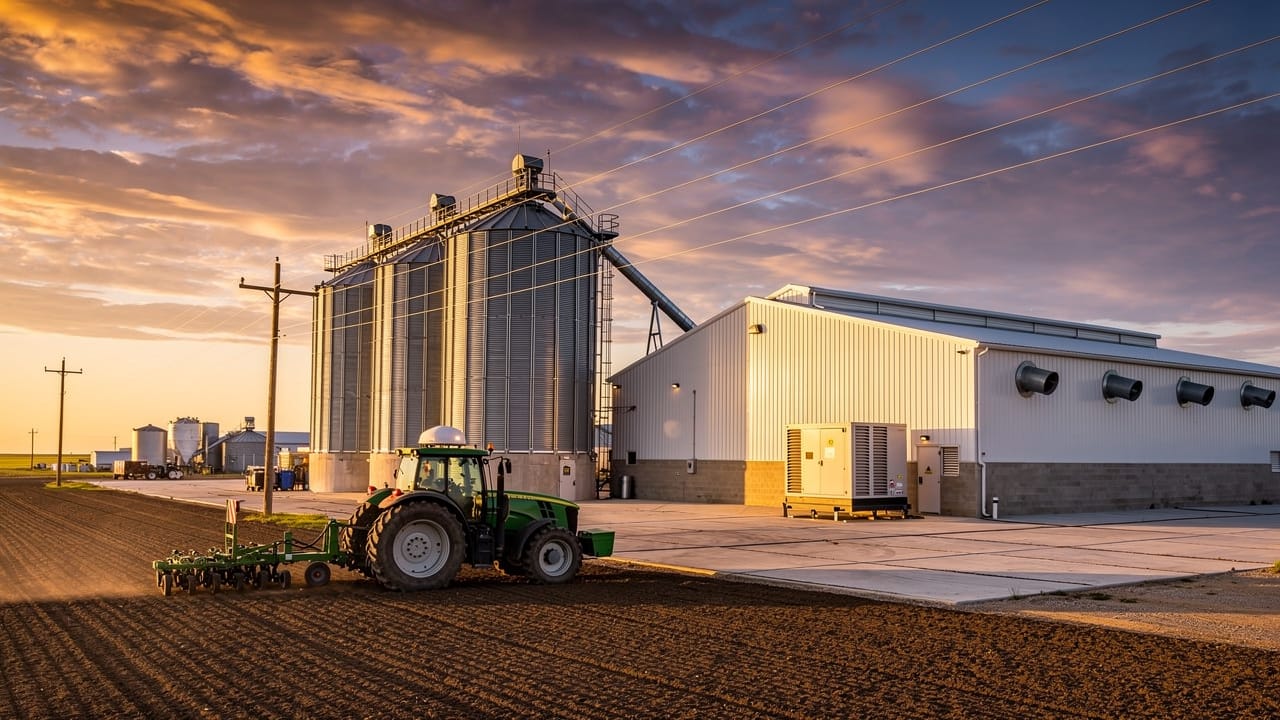
Picture a grain yard on a busy harvest night. Grain dryers roar, conveyors move nonstop, and lights glow from the dairy barn long after dark. Behind that scene sits advanced agriculture technology, running everything from bin fans to robotic milkers. The farm still looks familiar from the road, yet under the hood it has more in common with a small industrial plant than a family homestead.
Across Canada, operators face tight labour pools, wider weather swings, and pressure to produce more with every acre. Advanced agriculture technology answers that pressure with GPS guidance, automated feeding lines, sensor networks, and data tools that turn gut feeling into clear numbers. These systems cut waste, support animal health, and make better use of water, fuel, and time.
None of that works without dependable power. Every sensor, controller, pump, and motor on a smart farm still needs clean, steady electricity that does not quit when a storm hits or a line goes down. This guide walks through the core pieces of advanced agriculture technology, how connected data systems change daily decisions, and why a strong electrical backbone from a partner such as Cove Electrical helps the whole system pay off long term.
Key Takeaways
These key points show how advanced agriculture technology and strong electrical work fit together on a modern Canadian farm:
-
Advanced agriculture technology brings together GPS guidance, seeding control, sensors, automation, and farm software. These pieces work as one system with the aim of higher yield and healthier animals.
-
Modern farm tech pulls power more like a plant than a house. Motors, pumps, and control panels need well‑planned wiring and protection. Old circuits often fail right when work is heaviest.
-
Backup generators, weather stations, and smart control panels keep advanced agriculture technology steady through storms and grid trouble. Cove Electrical builds and maintains these systems for harsh farm sites, helping protect animals, crops, and equipment when power from the street stops.
Core Technologies Changing Modern Canadian Farms
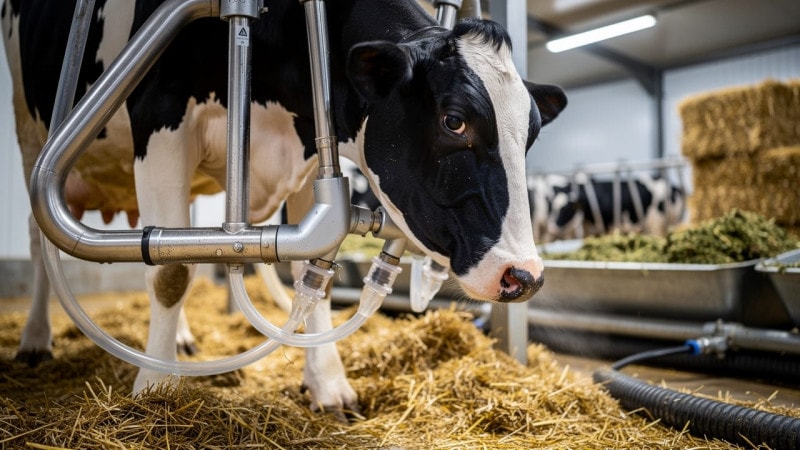
Walk through almost any progressive Canadian operation and the signs of advanced agriculture technology stand out right away. Antennas sit on tractor cabs, control panels ring grain yards, and touchscreens glow in barns. These tools are not there for show. They help you work faster, spend less on inputs, and protect animals and crops with better control.
At the heart of this shift sits precision agriculture, built on GPS and GIS:
-
GPS guidance steers tractors and sprayers within a few centimetres so passes line up and overlaps shrink.
-
GIS mapping stacks yield maps, soil tests, and topography.
-
Variable Rate Technology (VRT) then places seed, fertiliser, and chemicals only where they are needed, keeping input use in check while yields stay strong.
Automation goes much further than auto steer:
-
Robotic milkers handle teat prep, milking, and post dip while collecting data for every cow, from milk flow to standing time.
-
Automated feeding systems bring the right ration to the right group through the day, which supports better growth and less feed waste.
-
Autonomous or semi‑autonomous tractors take on tillage or spraying when staff are already stretched thin, keeping work moving when the weather window is narrow.
Drones add a view you can never get from the cab. Multispectral and thermal cameras show stress from pests, lack of water, or nutrient issues long before the crop changes colour. Instead of waiting for bare patches, you can step in early with targeted spraying, irrigation, or scouting.
Controlled environment agriculture such as vertical farms and advanced greenhouses stacks plants in climate‑managed rooms under LED light. Pumps, fans, and control systems may run around the clock. In these sites, advanced agriculture technology depends on heavy‑duty electrical services, clean power, and clear backup plans to keep crops safe and staff protected.
All of these tools only reach full value when the power systems behind them are built for the load. Cove Electrical designs and installs farm electrical services that match long run times, harsh dust and moisture, and the safety rules in the Canadian Electrical Code. That gives advanced agriculture technology a stable base instead of a weak link.
Data, IoT, And Automation — The Connected Farm
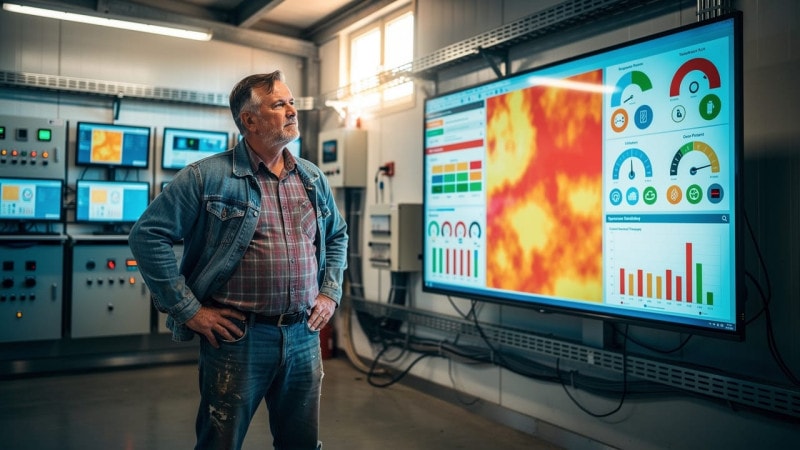
Every piece of advanced agriculture technology now produces data. Moisture readings, milk weights, fan runtimes, and power draw can all feed into one view of the farm. Used well, that data turns guesswork into planned action and supports better daily decisions.
“You can’t manage what you don’t measure.” — Peter Drucker
Internet of Things (IoT) sensor networks sit at the heart of that picture:
-
In fields, soil probes track moisture and temperature while small weather stations record wind, rain, and leaf wetness.
-
In barns, ear tags and collars report movement and rumination so early signs of illness stand out well before anyone could spot them by eye.
-
On grain sites, temperature cables and CO₂ sensors in bins point to hotspots or spoilage risk before grain is lost.
Farm management software pulls that data into one dashboard. You can see grain bin temperatures beside dryer status or cow health alerts beside feed system reports. Many platforms also track inventory, input costs, and margins by field or barn, so the same advanced agriculture technology that runs equipment also supports financial choices.
Some systems add artificial intelligence (AI) and machine learning (ML) on top. They compare past and present data to:
-
Estimate yield by field or zone
-
Flag likely disease patches on maps
-
Suggest irrigation plans based on soil readings and forecast
For an operator, that means clear prompts around when to plant, spray, or start dryers, backed by data instead of hunches.
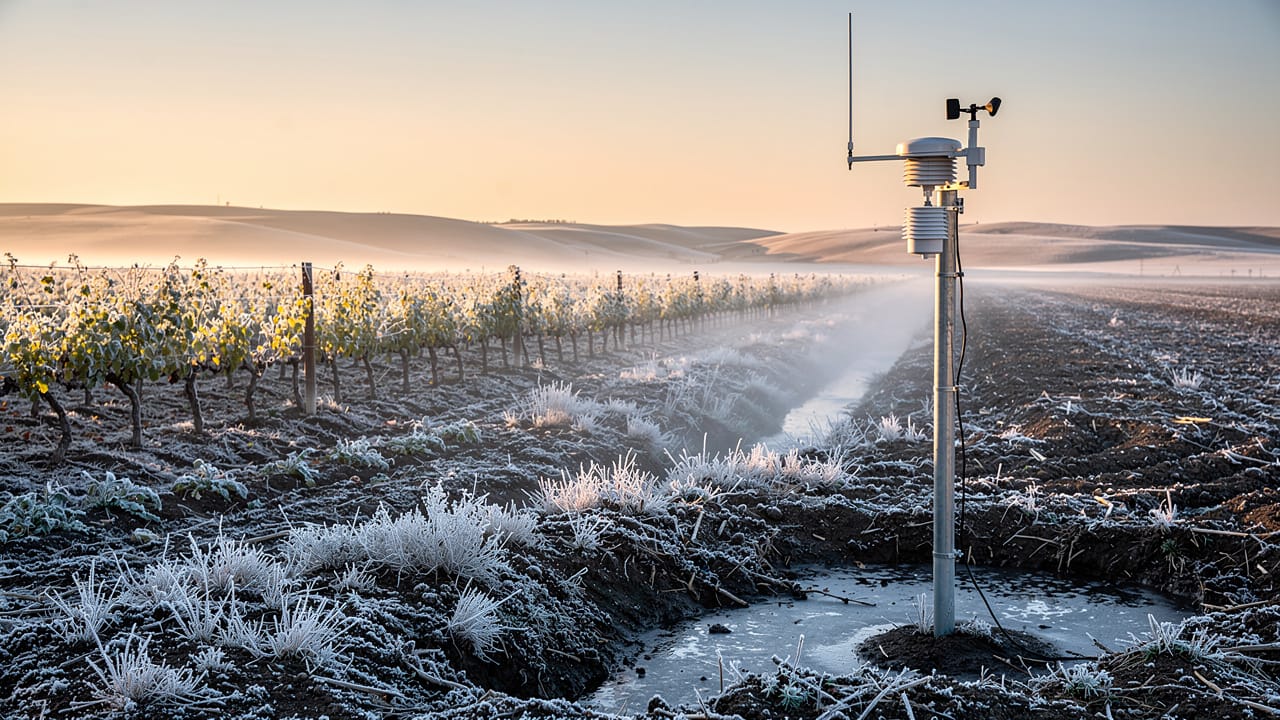
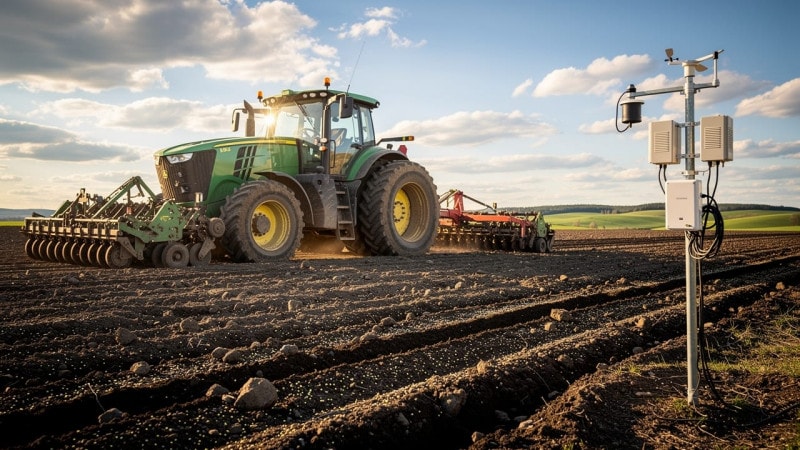
On‑farm weather stations play a special role for Canadian sites that rely on advanced agriculture technology. A station that records wind, humidity, and temperature at your own yard gives better guidance than a report from the nearest town. Cove Electrical supplies and installs these stations, wiring them into existing panels and data systems so readings flow straight into farm management tools.
All of this connected gear needs steady electricity. Sensors may run on batteries or small solar panels, yet the gateways, switches, and servers that tie them together live on your main service. A short outage or low‑voltage event can stop logging, scramble settings, and shut down automation. That is why advanced agriculture technology depends on solid wiring and well‑planned backup power.
Powering Advanced Agriculture: Why Electrical Infrastructure Is Non-Negotiable
A modern Canadian farm that runs advanced agriculture technology has power needs closer to an industrial yard than a simple shop. Grain dryers, long auger lines, robotic milkers, large fans, and irrigation pumps all draw heavy current, often for long hours. When something fails, the cost goes far beyond a dark yard. Fans stop, animals overheat, grain can spoil inside hot bins, and one fault can shake productivity, animal welfare, and cash flow all at once.
As many grain producers say, “The time you lose power is always the time you need it most.”
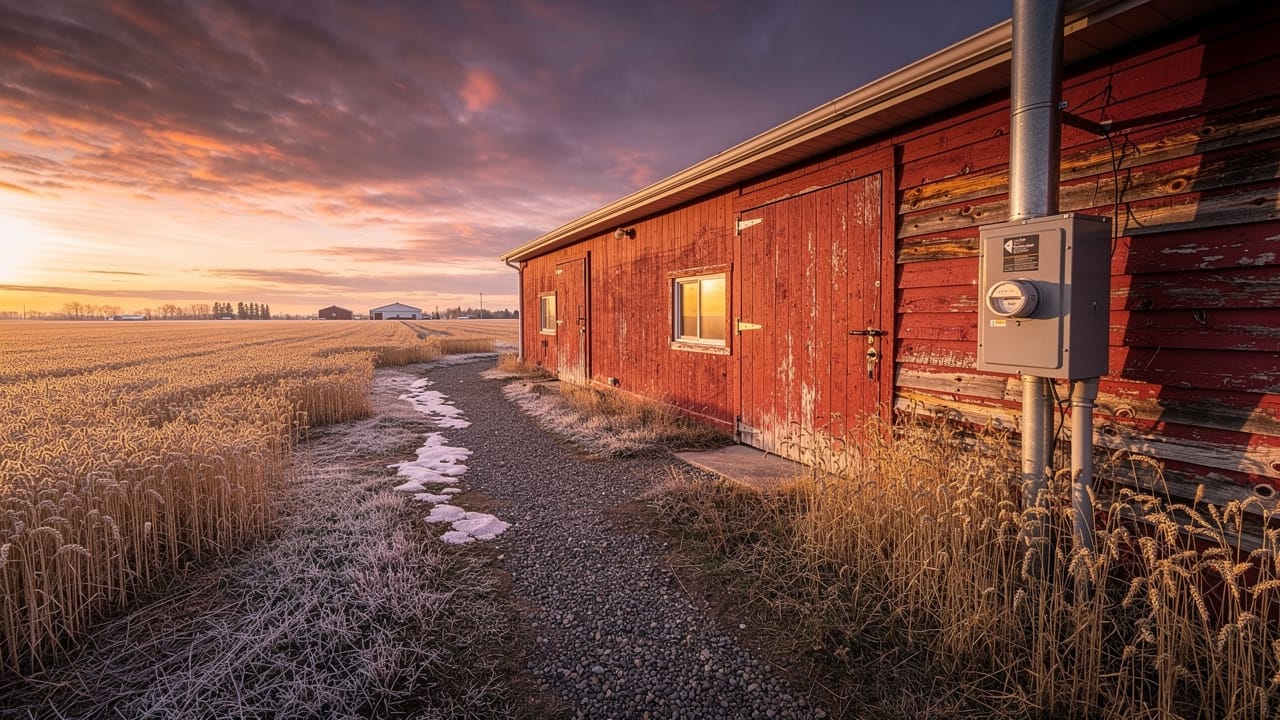
Cove Electrical focuses on power systems for sites that cannot afford downtime. Led by a master electrician with many years of field work, the team designs from real load and safety needs. For agricultural clients using advanced agriculture technology, Cove Electrical handles design, installation, and maintenance of wiring for barns, grain yards, irrigation, climate control, and on‑farm automation, all built to match the Canadian Electrical Code and hazards from dust, moisture, and gas.
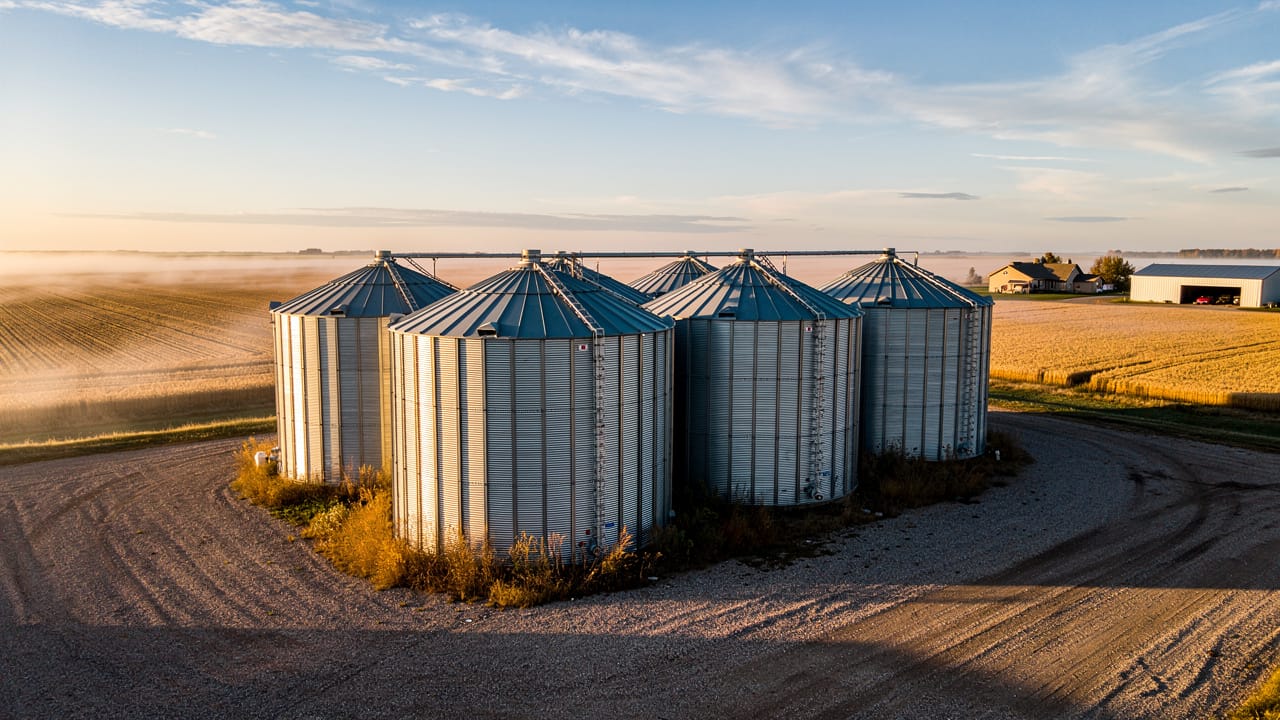
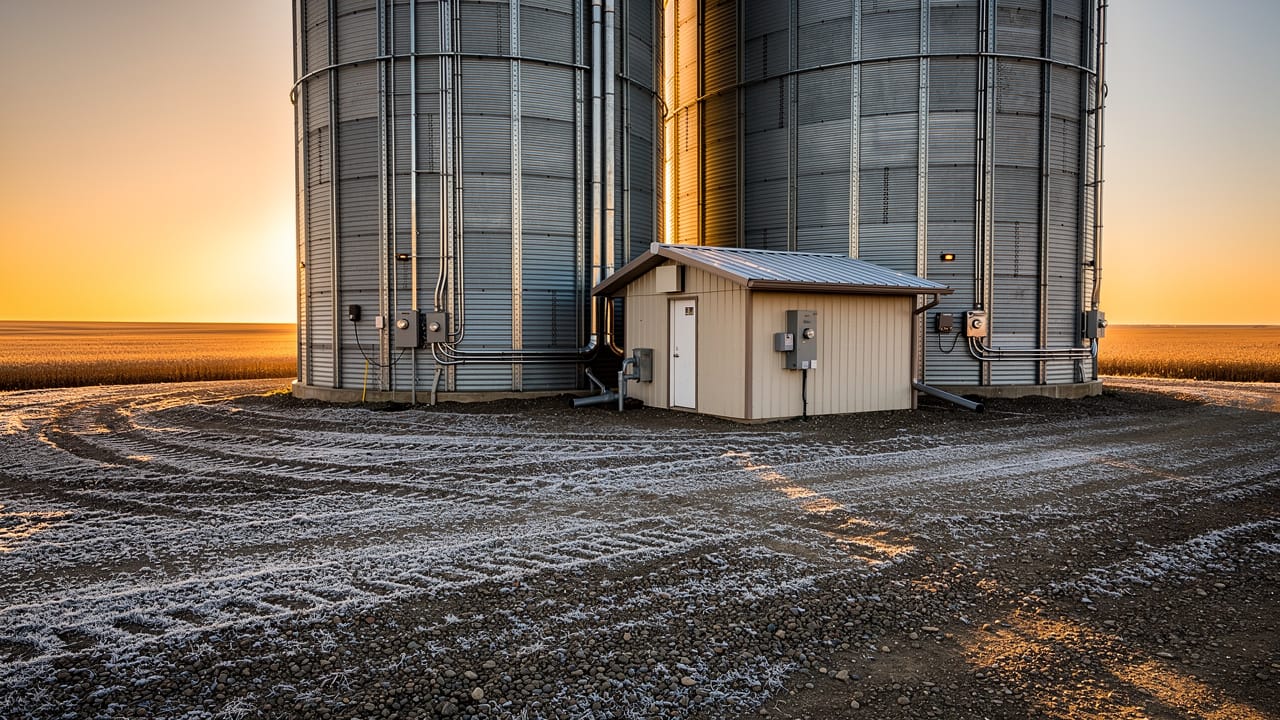
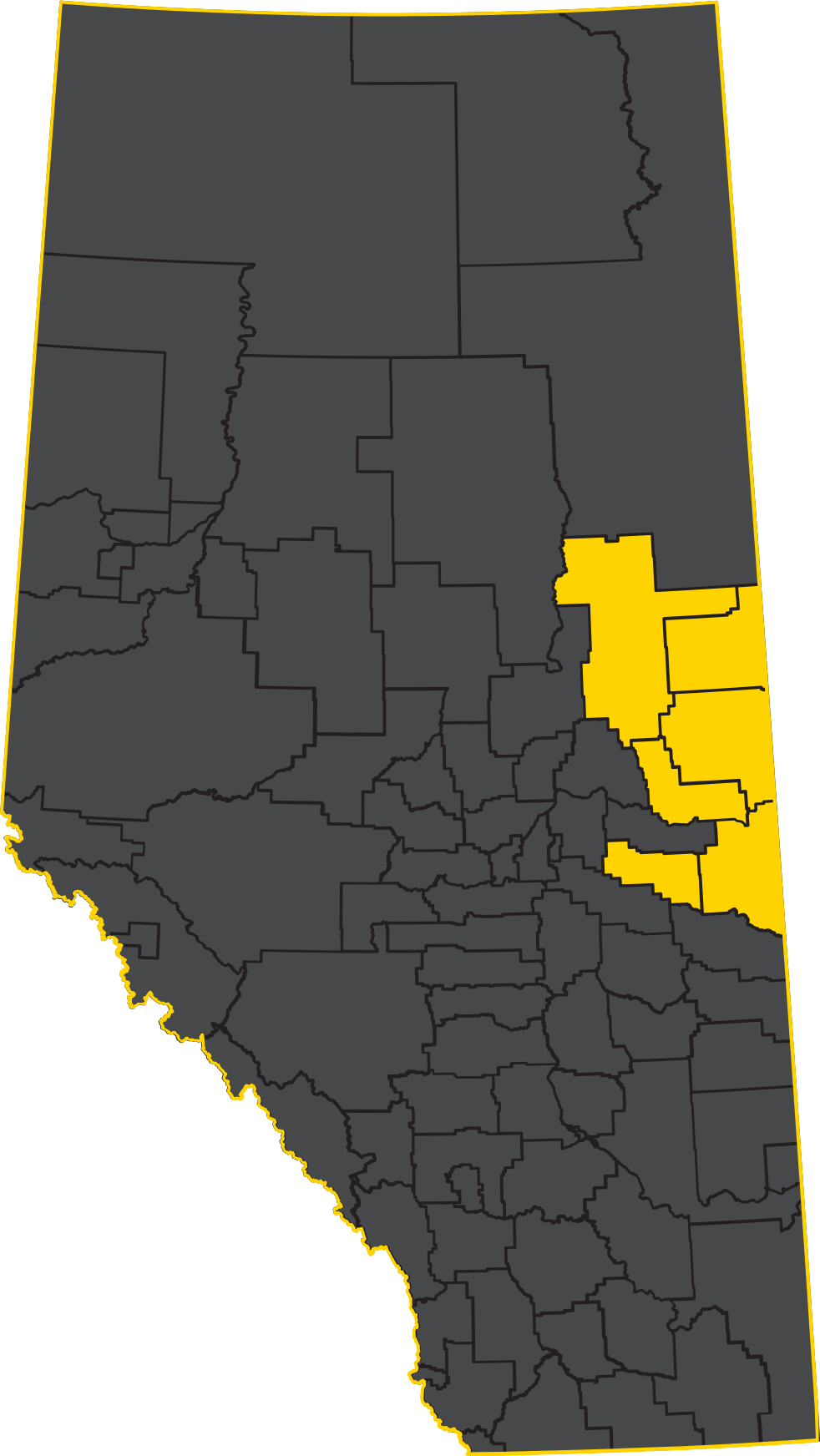
Grain handling shows this clearly. Cove Electrical powers dryers, conveyors, aeration fans, and bin systems so they work as one controlled unit instead of a patchwork of switches. At Cedar Brook Farm near Jarvie in Alberta, the team added PLC‑based control, temperature cables, shaft monitoring on more than twenty legs, high bin‑level shutoffs, integrated scales, and a whole‑yard standby generator that keeps the system running when the utility fails.
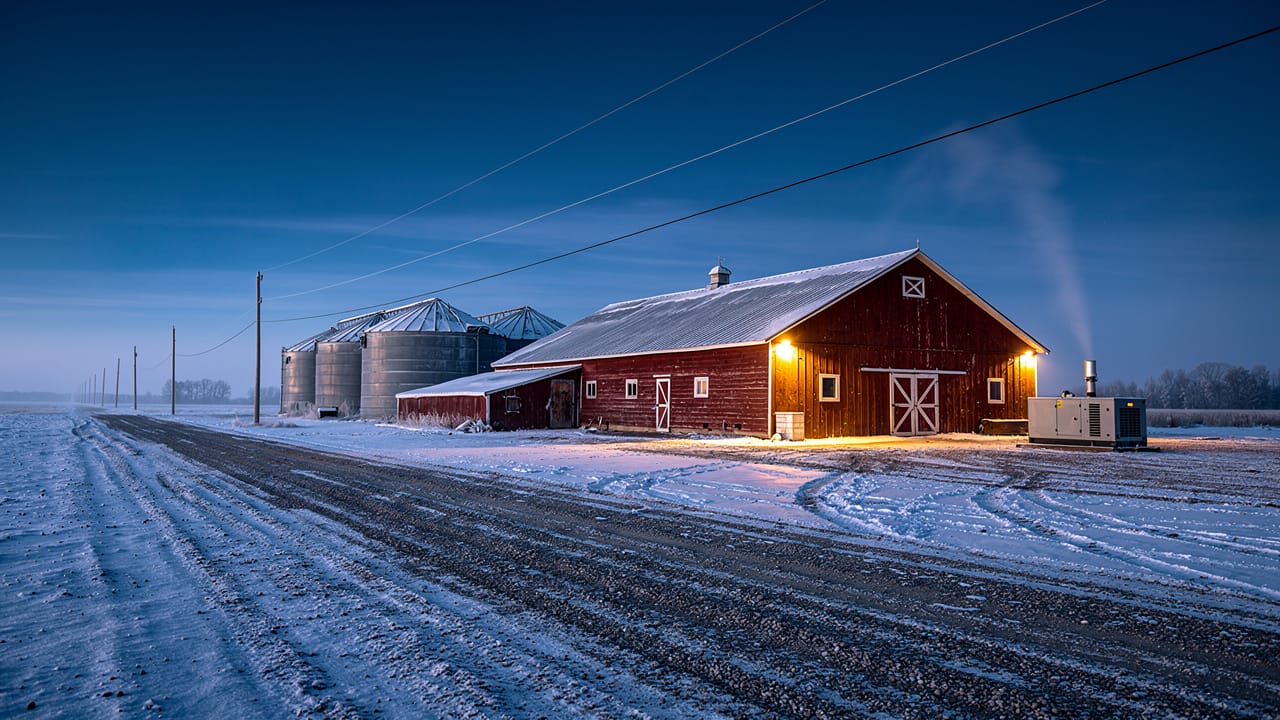
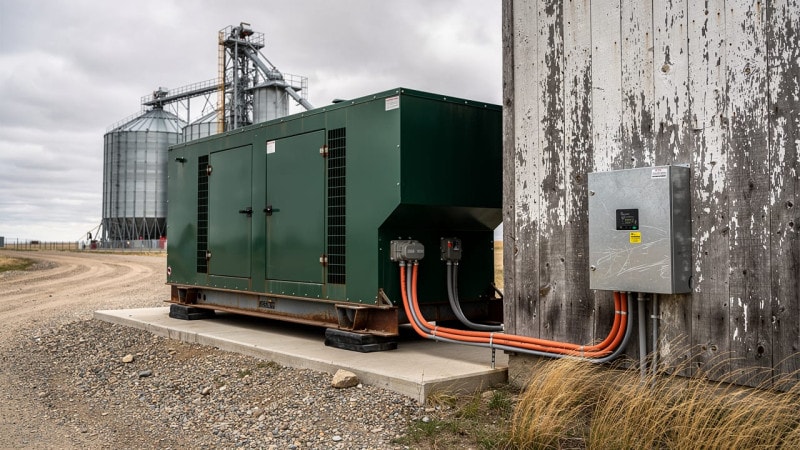
Backup power is now basic risk control for farms that use advanced agriculture technology. Cove Electrical designs and installs standby generators on natural gas, diesel, or propane with automatic transfer switches that start and change over within seconds of an outage. Uninterruptible power supplies (UPS) keep controllers, networks, and office systems live during that switch so data is not lost and automation stays in step.
Beyond raw power, Cove Electrical also supports automation. PLC programming and control panel design link grain handling, irrigation, and barn climate under clear sequences that staff can monitor and adjust. When you are ready to add more advanced agriculture technology, from extra bin lines to new dairy robots or a weather station network, the same team can expand panels and capacity so the system stays simple to run.
A well‑planned farm electrical layout will usually cover:
-
Main service size and future expansion room
-
Motor starting and protection for large loads
-
Surge protection and voltage control for sensitive electronics
-
Safe wiring methods for dusty, damp, or corrosive areas
-
Backup power for high‑priority loads such as ventilation, milking, and monitoring
Overcoming Adoption Challenges On Canadian Farms
Advanced agriculture technology can feel expensive on paper. Tractors with GPS, robotic milkers, sensors, and upgraded power services all carry real price tags. Yet they also cut labour, reduce wasted inputs, and avoid breakdowns, so many farms see payback within a few seasons, especially when they focus on the most valuable upgrades first.
A second hurdle is skills. Running data systems, irrigation controls, and generator gear takes knowledge most families never needed before. Partnering with specialists such as Cove Electrical for design, installation, and maintenance brings that know‑how without adding full‑time technical staff.
Connectivity and codes are the other common barriers:
-
Connectivity: IoT sensors and other pieces of advanced agriculture technology may struggle on slow rural internet links. Careful placement of antennas, use of local data logging, and choosing hardware built for weak signals can help.
-
Electrical codes and safety: Agricultural wiring must follow the Canadian Electrical Code plus rules around grain dust, moisture, gases, and animal areas. Many older yards still run on wiring meant for smaller loads, with panels full or near their limit.
Many farms address these barriers with a staged plan:
-
Start with safety and reliability upgrades to existing wiring.
-
Add backup power for ventilation, milking, and key controls.
-
Bring in sensors and automation where they can deliver fast savings.
-
Fold data from new systems into one farm management platform.
A planned upgrade with an agricultural specialist such as Cove Electrical is far safer than a rushed fix after a failure or near miss, and it gives you clearer choices about which technologies to add next.
Conclusion
Canadian farms are now complex operations that depend on advanced agriculture technology for daily work. GPS guidance, IoT sensors, automation, and data tools already raise yields, improve animal care, and cut wasted inputs. None of that can do its job without safe, dependable electrical systems behind it.
Cove Electrical specialises in power, automation, and backup systems for operations that cannot afford downtime. Whether you run a dairy, grain yard, mixed farm, or other heavy‑use site, the team can assess your present wiring and design upgrades that match your future plans. Reach out to Cove Electrical to give your advanced agriculture technology the stable foundation it needs to pay off for years.
FAQs
Here are brief answers to common questions about farm power and advanced agriculture technology.
What Is Advanced Agriculture Technology, And Why Does It Matter For Canadian Farms?
Advanced agriculture technology is the mix of GPS guidance, IoT sensors, automation, and data tools built into daily farm work. It matters in Canada because it helps limited staff cover more acres, handle short seasons, and respond better to shifting weather, while supporting better animal care and resource use.
How Much Electricity Do Modern Farm Systems Actually Require?
Power needs vary widely between farms that use advanced agriculture technology. Grain dryers, robotic milkers, irrigation pumps, and controlled environment lighting can each draw large loads, especially when several run together. In many cases, older panels and feeders are undersized for this level of demand and need careful review by a qualified farm electrician.
Why Is Backup Power Essential For Farms Using Advanced Technology?
A farm built around advanced agriculture technology relies on powered ventilation, milking, feeding, irrigation, and monitoring. A grid outage stops those systems and can harm animals, crops, and stored grain. A standby generator with an automatic transfer switch keeps key loads running and helps protect both livestock and stored product.
What Makes Agricultural Electrical Work Different From Standard Commercial Electrical Work?
Farm electrical work has to account for grain dust, gases, moisture, wash‑down, rodents, and heavy equipment traffic. Many areas require special wiring methods and enclosures under the Canadian Electrical Code. Contractors with real agricultural experience, such as Cove Electrical, design systems that handle these conditions safely while supporting long‑term farm growth.