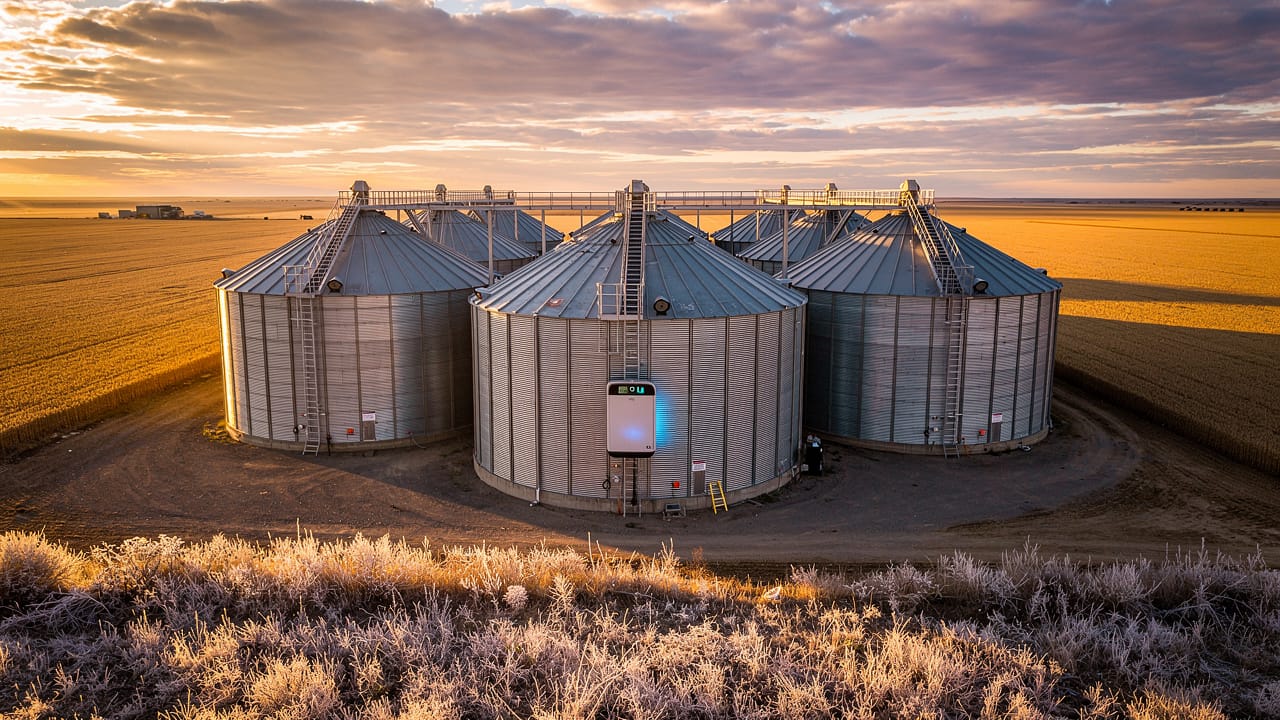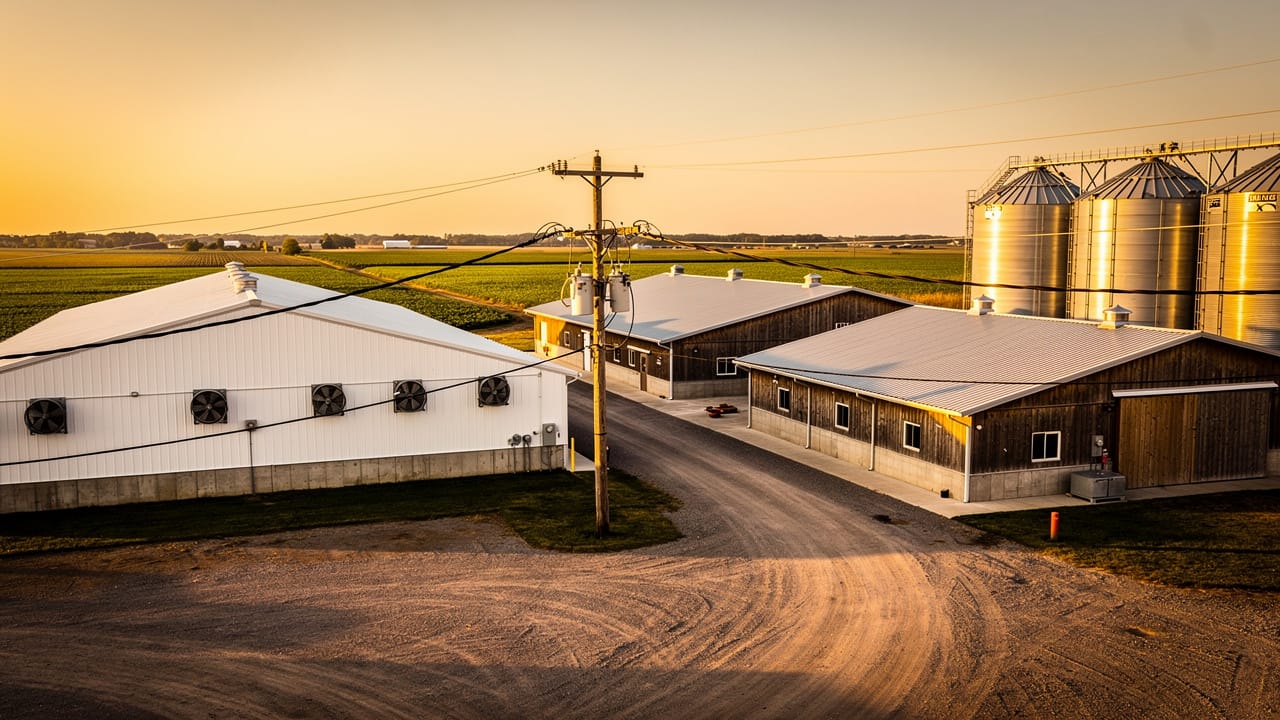
Every harvest, there is that moment when trucks are lined up, augers are screaming, and the yard feels one breakdown away from chaos. When grain is backing up and crews are scrambling, the limits of manual handling show up fast. This is where automated grain handling systems change how a yard runs, from the pit to the bin and back to the truck.
These systems are integrated networks of permanent equipment, sensors, and control panels that move, dry, and store grain with very little hands-on work. Instead of climbing bins, running from motor to motor, and guessing at bin levels, operators use a simple screen and a clear set of presets. The system starts the right conveyors, directs grain to the right bin, and keeps an eye on temperature, moisture, and shaft movement.
When things go wrong, the cost is real. Spoiled grain, plugged legs, burnt-out motors, and hours of downtime all hit the bottom line. None of that automation matters, though, without safe, reliable electrical power and control gear behind it.
Cove Electrical focuses on that backbone. The company designs, installs, and maintains the electrical and automation infrastructure that keeps automated grain handling systems running across Alberta farms. Keep reading to see what these systems include, how they boost productivity, what the electrical side demands, and how Cove Electrical can help build or modernize a grain yard that does what it needs to do every single season.
Key Takeaways
For busy owners and operators, here is a fast snapshot before digging into the details. These points show why many farms across Alberta are moving to automation and stronger electrical infrastructure.
-
Automated grain handling systems cut manual bottlenecks at the pit and reclaim. They move grain faster, with fewer people on the ground watching every motor. Harvest days become more predictable, even when trucks arrive back to back.
-
Advanced monitoring protects both grain and machinery on long days. Temperature cables, shaft monitors, and high bin level shutoffs catch problems early. By stopping equipment before something fails, the system saves bearings, belts, and crop quality.
-
The electrical backbone is just as important as the mechanical equipment. Stable three phase power, PLC based control, and clean wiring keep the system running when it matters most. Backup power keeps dryers, fans, and controls going when the grid drops.
-
Cove Electrical delivers full scope electrical and automation services for demanding farm yards. From PLC programming to backup generators and shaft monitoring, the focus is long term reliability. Proactive maintenance and smart upgrades lower the real cost of ownership over many seasons.
What Are Automated Grain Handling Systems?
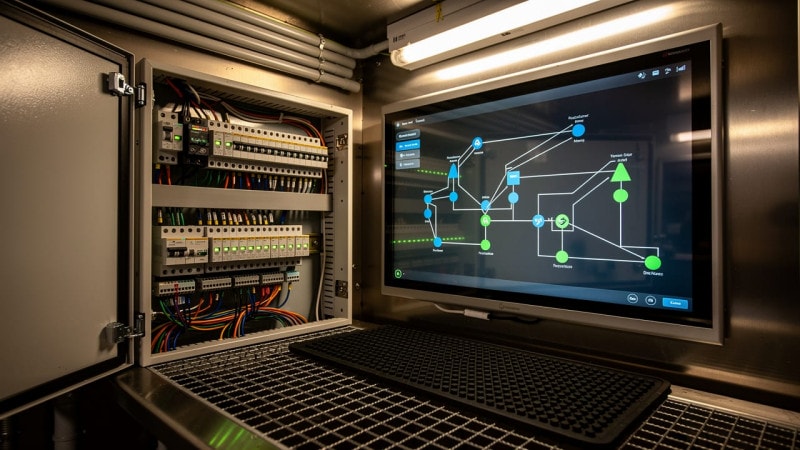
Automated grain handling systems are coordinated networks of mechanical equipment, sensors, and control logic that move grain from field to storage and then to market with minimal manual work. Instead of treating every pit, bin, and conveyor as a separate piece, the system ties them together so they run as one controlled process. The goal is simple: move more grain, with fewer delays and less risk.
On the mechanical side, core equipment usually includes:
-
receiving pits or hoppers where trucks unload
-
bucket elevators that lift grain vertically
-
drag chain or belt conveyors that move grain horizontally across the yard
-
distributors and automated slide gates that send grain to the right destination, whether that is a wet bin, dryer, or final storage
All of this equipment is permanent and sized around the actual capacity of the farm.
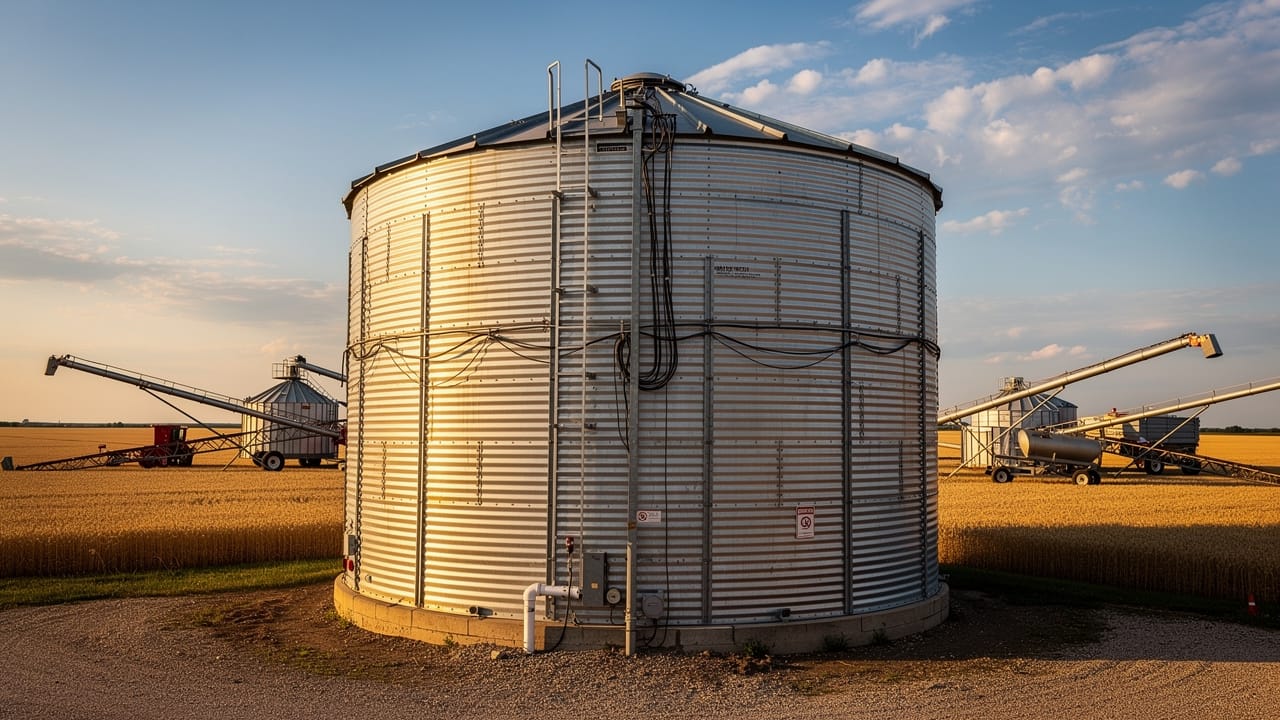
Storage and conditioning equipment sit at the heart of most systems. Grain bins and silos hold different crops and grades, often with temperature cables hanging through the grain mass. Dedicated grain dryers bring moisture down to safe levels, while aeration fans manage temperature over the months that follow. In an automated setup, those fans and dryers do not just run on guesswork. They operate off setpoints and sensor readings that match how the grain is behaving.
The control layer is what turns a yard full of hardware into an integrated automated grain handling system. A Programmable Logic Controller (PLC) acts as the brain. It decides which motors start, in what order, and when they stop. Human Machine Interface (HMI) screens give operators a live map of the yard so they can choose transfer paths, check alarms, and override when needed. Bin level switches, temperature cables, and shaft monitors feed live data back to the PLC.
Many modern systems add remote access so operators can check bin levels or stop a transfer from a phone or tablet. All of this intelligence depends on a safe, stable electrical installation. Without reliable power, clean controls, and correct protection, even the best designed automation will struggle, which is why electrical design is just as important as mechanical layout.
The Strategic Benefits Of Automation For Grain Operations
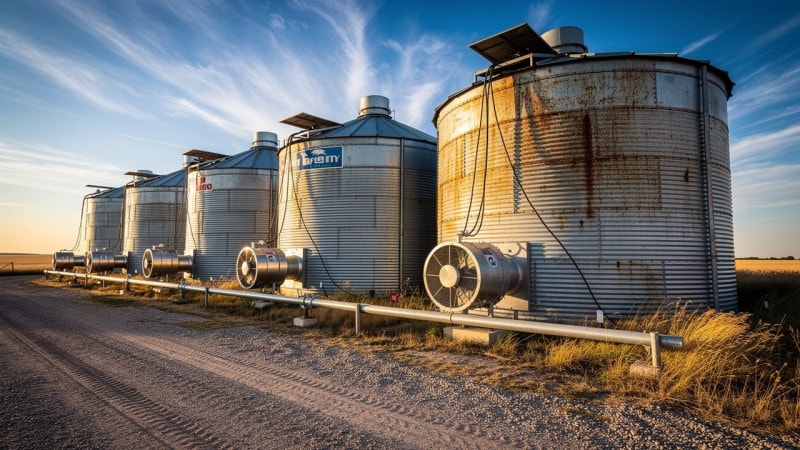
For grain operations across Alberta, automation is no longer just a nice extra. It is one of the most direct ways to protect throughput, grain quality, and profit when labour is tight and weather is unpredictable. Automated grain handling systems turn a patchwork of motors and switches into a predictable process that matches the pace of harvest.
“Automation applied to an inefficient operation will magnify the inefficiency.” — Bill Gates
That idea applies to grain as much as it does to software. When automation is planned around how a yard really runs, it supports people instead of getting in their way.
-
Increased throughput and efficiency shows up first at the receiving pit. With pre-programmed transfer paths, the operator selects a crop and destination, and the system starts equipment in the right order. Conveyor lines clear before shutdown, and there is no walking back and forth to start each motor by hand. Truck unload times drop, and more acres can be handled in the same daylight.
-
Reduced labour dependency matters in every rural area facing staff shortages. Instead of three or four people running between pits, bins, and panels, one trained operator can manage grain flow from a central screen. Other workers can focus on loading, maintenance, and logistics. When a new person joins the team, they learn a set of clear presets rather than a maze of disconnects and starters.
-
Proactive problem prevention is built into a well designed automated system. Temperature monitoring inside bins, high bin level shutoffs, plugged chute switches, and shaft motion sensors all feed into the PLC. When something slows, overheats, or reaches a limit, the system alarms and often stops the right equipment before damage occurs. This approach protects gearboxes, legs, and belts from sudden failure.
-
Improved grain quality and market value comes from better control of moisture and temperature. Automated aeration and dryer control hold grain within set ranges rather than swinging from too wet to over dried. That steadier control cuts shrink, reduces spoilage, and keeps grain within buyer specs. Across several bins and seasons, those small gains add up to real money.
-
Accurate inventory management is another clear advantage. When overhead bin scales, flow readings, and level switches are tied to the control system, operators know what is in each bin without guessing. This helps with contract planning, trucking, and cash flow decisions. Instead of climbing ladders with a tape measure, they check a screen.
-
Reduced total cost of ownership comes from shifting away from emergency repairs and long nights chasing faults. Automated grain handling systems, backed by strong monitoring and good electrical work, make failures less common and easier to track down. That means fewer last minute service calls and more confidence that the system will do its job when the combines roll.
The Electrical Infrastructure Behind Reliable Grain System Automation
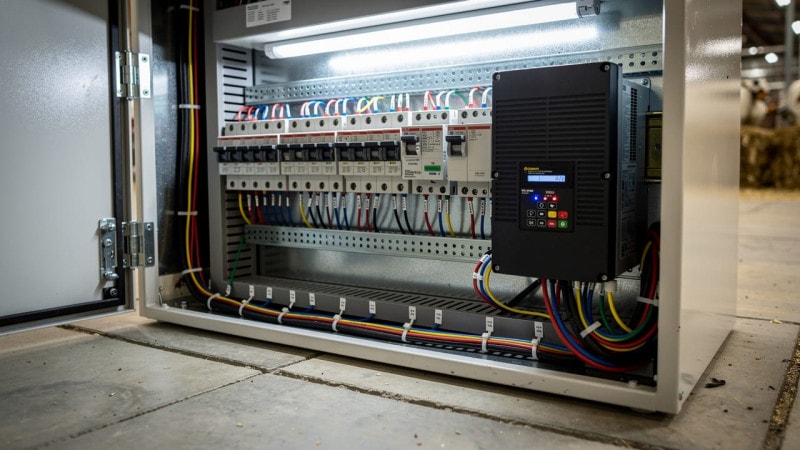
Behind every reliable automated grain handling system sits an electrical installation built for heavy motors, dusty conditions, and long days under load. When the electrical side is weak, the best mechanical design in the world will still trip breakers, overheat components, and shut down at the worst time. For farms that depend on throughput, power quality is not an afterthought.
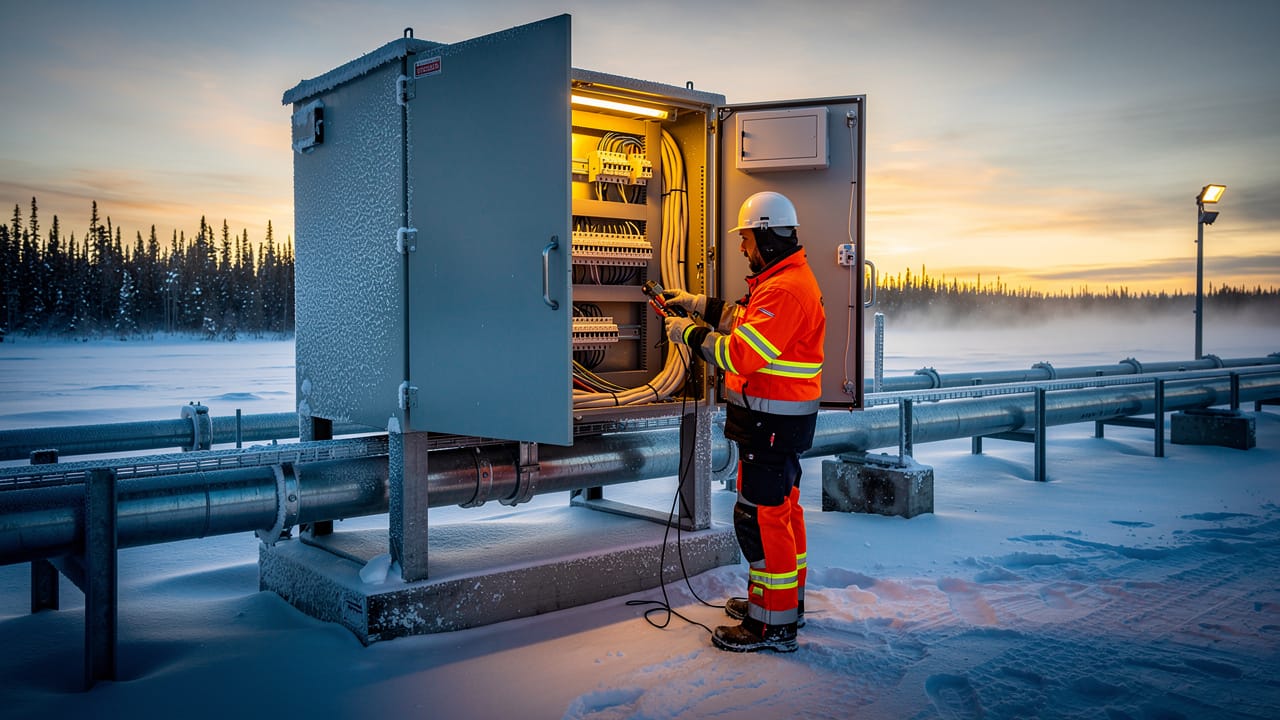
A well designed grain yard needs enough three phase capacity to start and run conveyors, bucket elevators, dryers, and aeration fans without serious voltage drop. Service size and transformer placement matter, especially on rural feeds with long runs. Power is normally distributed through a Motor Control Centre (MCC). This central cabinet keeps starters, breakers, contactors, and control gear in one protected place so faults are easier to find and fix.
Variable Frequency Drives (VFDs) are a key part of modern grain handling. By ramping motors up and down smoothly, they cut the mechanical shock on belts and chains at every start. They also trim the current spike that would otherwise pull down the entire yard during harvest. On large fans, VFDs help match airflow to what the grain actually needs, which saves energy over time and reduces wear on motors.
Grain dust brings a specific safety risk that electrical work must respect. Many areas in a grain facility fall under Class II hazardous location rules under the Canadian Electrical Code. This covers tunnels, elevator heads, and other places where dust can collect. Conduit, junction boxes, seals, and devices in these zones must be chosen and installed by people who work with hazardous locations every day, not just general commercial spaces.
Grounding, bonding, and surge protection protect both people and electronics. A solid grounding system keeps metal parts at the same electrical potential, which limits the chance of static sparks in dusty air. Surge devices shield PLCs, HMIs, and sensor networks from lightning strikes and rural power swings that can destroy control boards in a moment.
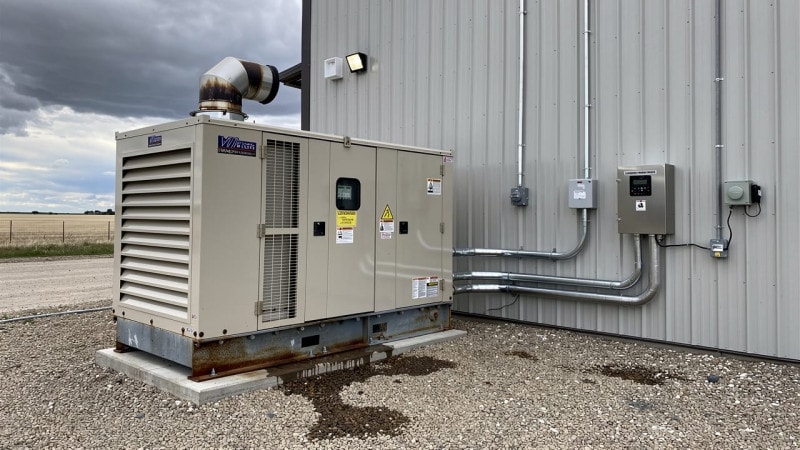
Backup power is another key part of the electrical design for many Alberta grain farms. Whole yard generator systems keep dryers, aeration, key conveyors, and control panels running when the grid fails. That means wet grain keeps drying, fans keep moving air, and the system comes through an outage without spoilage or tricky restart problems.
As operations add bins, bigger dryers, and more sophisticated control, the original electrical system often becomes the bottleneck. Cove Electrical has modernized many yards where ageing wiring and undersized gear were holding growth back. At Cedar Brook Farm in Jarvie, Alberta, the team delivered a full electrical and automation upgrade, including PLC programming, temperature and shaft monitoring, backup generators, and scale integration. The result was a grain system ready for future expansion rather than held back by its own power.
Specialized agricultural electrical experience matters here. The loads, hazards, and business risks in a grain yard are not the same as small commercial work. Choosing a partner with deep knowledge of this environment is the fastest way to get reliable automation.
How Cove Electrical Supports Your Automated Grain Handling System
Cove Electrical is not a general electrician that sometimes works on farms. The company is built around operations that cannot afford downtime, with a dedicated True Ag Automation Division focused on grain handling, drying, and smart monitoring. The work is led by an experienced electrician with many years in industrial and agricultural environments, including hazardous and remote sites across Alberta.
Cove Electrical supports automated grain handling systems through a clear set of services that cover design, installation, and long term care:
-
System engineering and PLC programming start with how the farm actually runs. The team develops a control philosophy that matches real grain flow paths and safety needs. Then they program the PLC and HMI so the operator has simple, clear choices on screen instead of confusing switches.
-
Monitoring and safety integration bring grain and oilseed temperature cables, twenty or more shaft monitors, plugged chute switches, and high bin level shutoffs into one view. Alarms are grouped and labelled in plain language so operators know what happened and where. This turns scattered devices into a connected safety net.
-
Power and backup design focus on stable operation across the entire yard. Cove Electrical designs and installs farm power systems, Motor Control Centres, VFDs, and whole yard generator packages that keep key circuits alive during outages. The work follows the Canadian Electrical Code and is built for long service.
-
Modernization and ongoing service round out the support. The team upgrades ageing panels and wiring so yards can add bins, dryers, and controls without overload. Planned maintenance, thermal scanning, and fault detection help catch weak points before they turn into failures on a busy harvest day.
Cedar Brook Farm in Jarvie shows what this looks like in practice. Cove Electrical delivered a full scope electrical and automation upgrade that increased throughput, reduced downtime, and gave the owners confidence that their infrastructure can handle the next expansion. For grain operators who want the same peace of mind, the first step is an honest look at the current electrical system.
Cove Electrical invites farm owners and operations managers to reach out for an assessment of their grain handling power and control setup. From there, a clear plan can be built to support both current needs and the next stage of growth.
Conclusion

Automated grain handling systems are more than a set of conveyors and a new leg. They are a strategic investment in how an operation moves, protects, and sells its crop. The real value shows up when the automation is backed by electrical design that handles heavy loads, dust risk, and long harvest days without flinching.
Reliable automation depends on reliable power, protection, and control. That means the right service size, clean MCCs, smart use of VFDs, proper grounding, and dependable backup power, all tied together with well planned PLC logic and monitoring.
Cove Electrical stands as a specialist partner for Alberta grain operations that cannot afford downtime. To build a new yard or modernize an existing one, connect with Cove Electrical and put the electrical backbone of your grain handling operation on firm ground for the seasons ahead.
FAQs
Many farm owners have similar questions when they first look at automating grain handling. These answers cover some of the most common points that come up during planning and design.
What makes automated grain handling systems more reliable than manual operations?
Automated grain handling systems follow the same sequence every time, so there is less chance of someone starting motors in the wrong order or sending grain to the wrong bin. Sensors watch temperature, shaft speed, and bin levels and alert the operator when something is off. Safety interlocks stop equipment when a fault is detected, which protects machines and people. The system can keep running for long stretches without someone standing beside every motor starter.
How important is backup power for a grain handling operation?
Backup power is very important for any yard that dries or stores a lot of grain. If the grid fails while dryers or aeration fans are running, grain can heat up fast and spoil or bridge. Whole yard generator systems keep critical loads like dryers, fans, controls, and key conveyors running until utility power returns. In many rural parts of Alberta, where outages are more common, backup power is part of basic risk management rather than a luxury.
When should a farm upgrade its electrical infrastructure for grain automation?
A farm should review its electrical system before adding major loads like new dryers, legs, or banks of fans. Frequent breaker trips, dimming lights when motors start, or trouble adding new automation gear are signs that capacity is already stretched. Planning an electrical upgrade ahead of expansion avoids surprises during harvest. By checking service size, wiring, and control panels early, the infrastructure can grow smoothly with the rest of the operation.