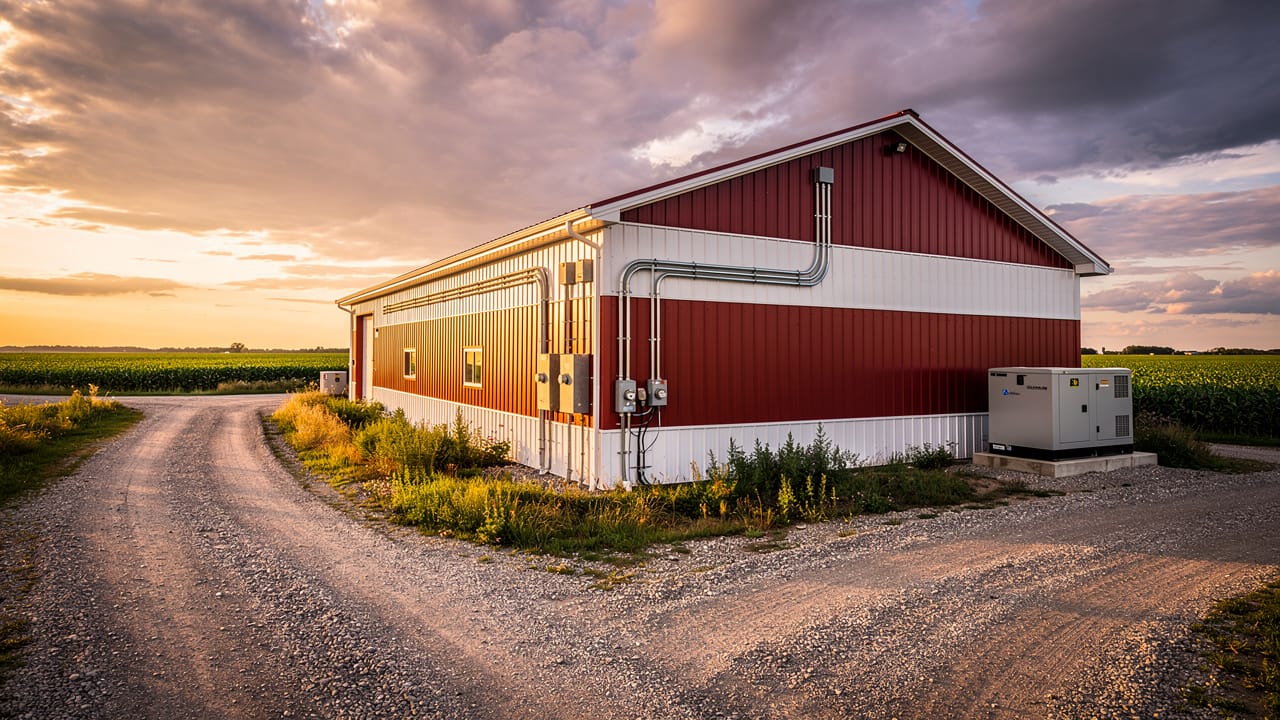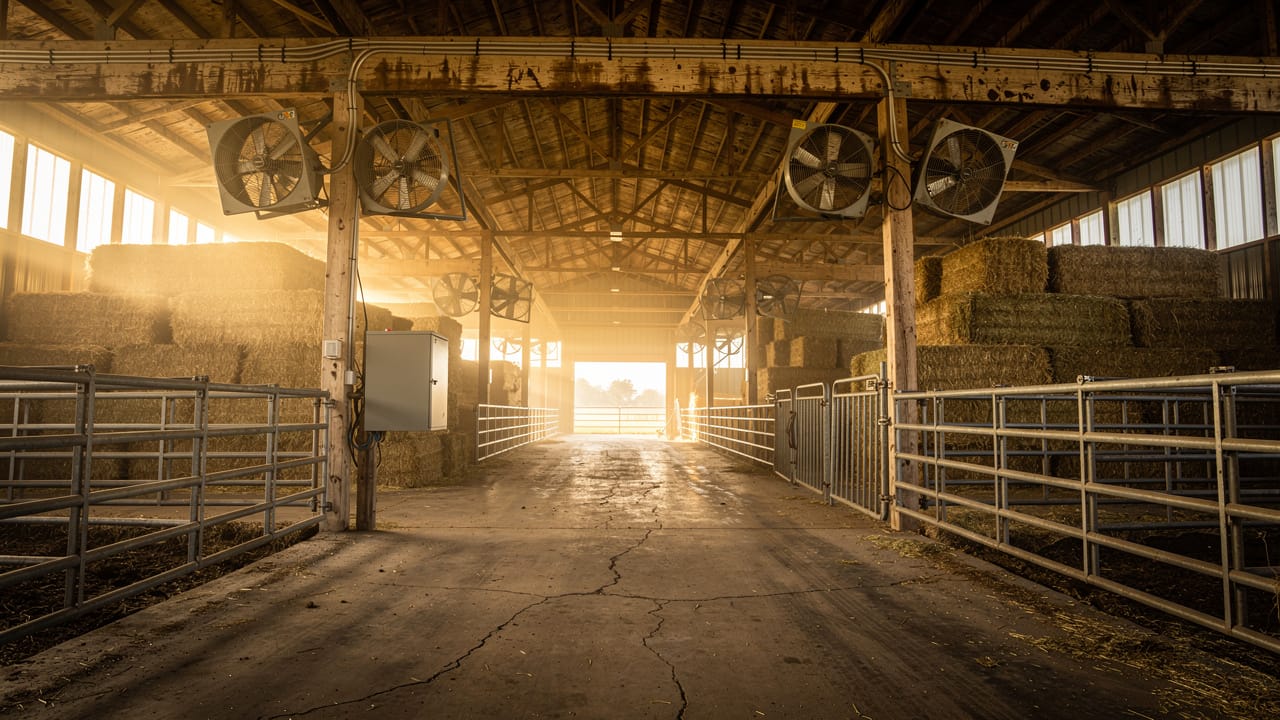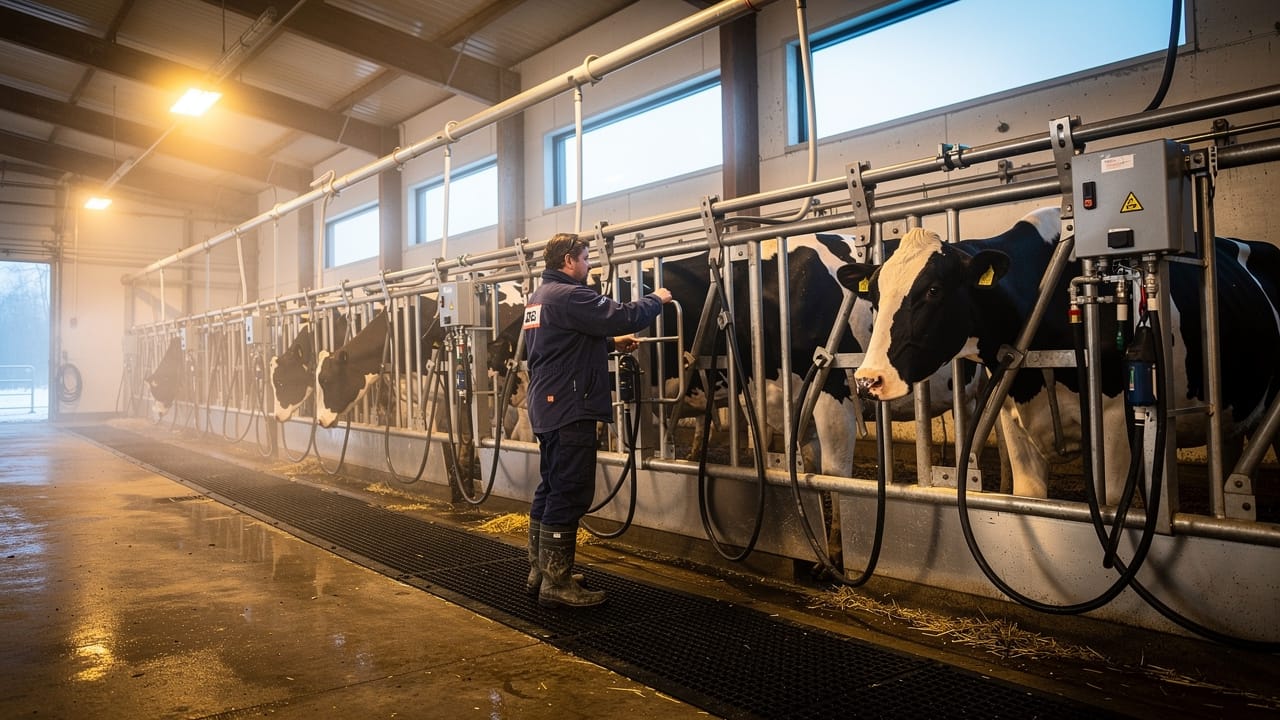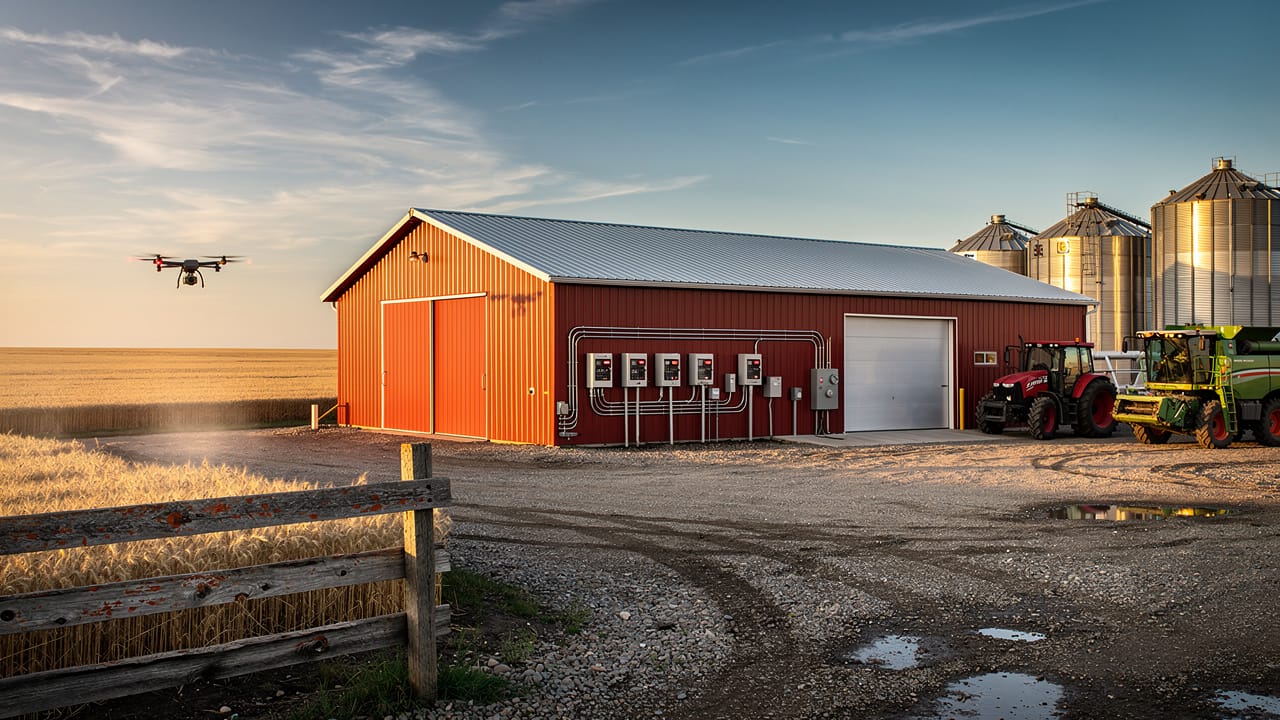
Picture a remote Alberta plant in the middle of winter. It is dark, the wind is cutting, and the temperature has dropped well below zero. If power fails in that moment, production stops, safety systems are at risk, and every minute lost turns into real money. That is the reality behind electrical systems for remote Alberta operations.
These worksites are nothing like city shops or office buildings. They sit far from the grid, often in hazardous areas, with equipment that runs around the clock. Cables face frost heave and vehicle traffic. Enclosures deal with ice, dust, and vibration. In these places, electrical work is not just about lights and outlets. It is about keeping people safe and keeping the operation running.
Generic contractors are usually set up for homes and small commercial jobs, not for off‑grid power, oilsands facilities, or remote industrial plants. Remote Alberta electrical services need a different mindset and different skills. Cove Electrical was built around that need. As a master electrician‑led company, it focuses on safety‑driven, code‑compliant electrical systems that keep remote operations online.
This article walks through the real electrical challenges of remote Alberta sites, the core services that matter most, how hazardous‑area compliance works, what reliable backup power looks like, and why long‑term maintenance should never be an afterthought. By the end, it will be clear how a focused partner such as Cove Electrical helps protect people, production, and profits in some of the toughest locations in Canada.
“When you’re hours from the nearest town, power isn’t a convenience — it’s life support for the entire site,” as many Alberta maintenance supervisors like to say.
Key Takeaways
-
Remote Alberta operations face harsh weather, long distances, and hazardous atmospheres. These factors change how electrical systems must be designed and installed. Standard city‑based methods often fail early when pushed into these settings.
-
Safety rules and hazardous‑area codes are strict for oil and gas, industrial plants, and remote camps. Working with a contractor who lives in this space keeps people safe, keeps inspectors satisfied, and keeps equipment running as planned.
-
Backup generator systems and a solid maintenance plan turn electrical systems for remote Alberta operations into reliable assets. A partner such as Cove Electrical focuses on long‑term performance, not quick fixes that only last a season.
The Real Electrical Challenges Of Remote Alberta Operations
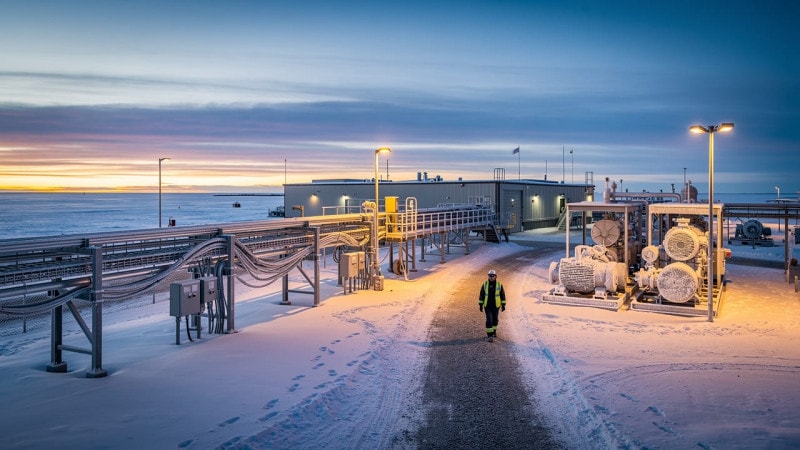
Remote Alberta operations deal with demands that most urban sites never see. The winter cold alone can crack insulation, stiffen seals, and push enclosures past their limits. Add blowing snow, ice buildup, and wide temperature swings, and even simple gear like disconnects and junction boxes has a hard life.
Distance from the grid is another major factor. Many northern Alberta facilities operate with weak or no utility service, a challenge well documented in research on remote off-grid communities across Canada. That means they rely on off‑grid generator systems, hybrid setups, or other remote site power systems. Any design mistake in these systems shows up fast as unstable power, nuisance trips, or full outages.
For oil and gas, petrochemical, and some agricultural sites, hazardous atmospheres come into play. Flammable gases, vapours, and dust can be present during normal work. In these zones, standard electrical components are not just a bad idea; they are dangerous. Classified areas need certified equipment, sealed conduit, careful cable routing, and records that prove everything meets the Canadian Electrical Code (CEC).
Regulation is layered on top of all this. Remote industrial and oilfield operators must navigate the CEC, Alberta rules, and industry‑specific standards. Non‑compliance risks shutdowns, fines, and insurance problems. It also puts workers in danger, which is never acceptable, and inspectors from the authority having jurisdiction pay close attention to these sites.
Downtime is far more painful in remote locations than in town. Bringing in help can take hours, and every hour can mean lost production, missed hauling windows, spoiled product, or stalled processing. For that reason, operations managers look for northern Alberta electrical contractors who design for long life and easy service, not just the lowest quote.
On top of everything, the labour pool is thin. Skilled electrical contractors in northern Alberta are in high demand, and not every team is comfortable with hazardous‑area work or off‑grid systems. Working with a contractor like Cove Electrical, which focuses on remote industrial electrical work, helps close that gap and keeps risk under control.
Core Electrical Services For Remote And Industrial Sites
Remote and industrial sites across Alberta need more than simple wiring, as findings from a study on Alberta’s electrical supply system highlight the complexity and inefficiencies that can emerge without careful system design. They depend on a strong electrical backbone that keeps equipment running, manages power quality, and protects sensitive controls. These are the building blocks behind any reliable electrical systems for remote Alberta operations.
Well‑planned design, solid power distribution, and thoughtful equipment integration work together. When one part is weak, the whole system suffers. Cove Electrical centres its work on these basics, so operators can focus on production instead of tripping breakers and voltage alarms.
Rural And Remote Electrical System Design
Good remote system design starts long before a single cable is pulled. A proper design looks at how the site actually works day to day, such as:
-
Production targets, motor loads, and typical operating profiles
-
Control and automation needs, including remote monitoring
-
How expansion or added equipment might look a few years from now
-
The physical site layout, including access routes and clearances
It also means studying the environment around the site, including soil movement, wind exposure, and moisture.
For farms, camps, and industrial sites that sit far from towns, off‑grid electrical systems in Alberta must handle large temperature swings and rough handling. This includes:
-
Choosing enclosures with the right ratings for dust, moisture, and impact
-
Selecting cable types and routing that reduce damage from equipment traffic and frost heave
-
Designing grounding and bonding systems that work in frozen soil and rocky ground, not just on paper
Cove Electrical approaches rural and remote design with that reality in mind. The team performs detailed site assessments, reviews existing gear, and lines up design choices with regulatory rules from the start. Outputs include clear electrical drawings, load calculations, and protective device settings that focus on operational continuity. Getting this stage right avoids costly redesigns, unplanned trips, and early equipment failure once the site is live.
Industrial Power Distribution And Equipment Integration
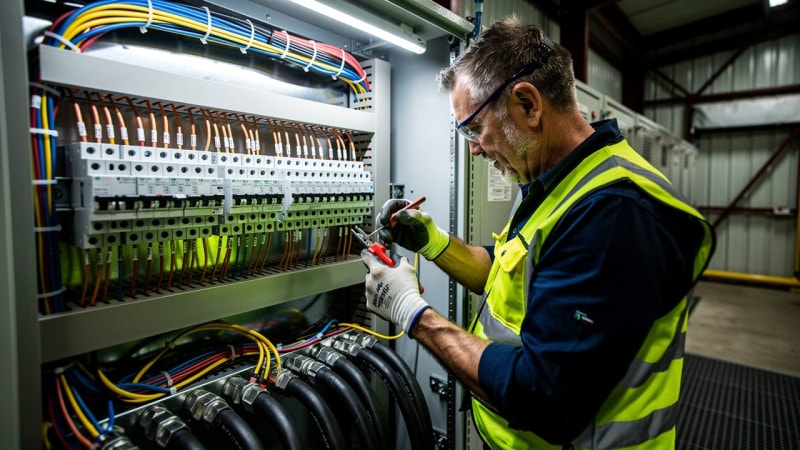
Once the design is set, power distribution has to deliver clean, stable energy to everything from variable frequency drives to large pumps and compressors. Remote industrial sites often blend heavy process equipment with sensitive automation gear. If the distribution system is weak, small issues in one area can ripple across the plant.
Key parts of a well‑built system include:
-
Proper load balancing on feeders and panels
-
Dedicated circuits for critical control gear
-
Correct surge and fault protection
-
Voltage regulation and power conditioning for sensitive electronics
-
Planning for generator input and future expansion of loads
For many Alberta industrial power systems, this also means coordinating power quality with drives, soft starters, and large motors so starting currents and harmonics do not upset other equipment.
Equipment integration is just as important. Motors, heaters, skids, and packaged systems all need to work with the plant’s controls. Cove Electrical focuses on wiring practices, control logic interfaces, and protection schemes that let each device talk to the wider system without causing noise or nuisance trips. For operators, that means:
-
Simpler troubleshooting
-
Fewer unexplained shutdowns
-
Industrial electrical systems in Alberta that feel stable and predictable, even in remote settings
Clear labelling, accurate as‑built drawings, and operator training further reduce confusion when something does go wrong.
Hazardous Location Compliance And Oil & Gas Electrical Systems
In oil and gas, and in some industrial plants, parts of the site are classed as hazardous. In these zones, electrical work must prevent any spark or hot surface from lighting off a flammable mix. This is a specialised area where mistakes carry heavy consequences.
“Safety codes are written in blood; every rule reflects a lesson learned the hard way,” is a common reminder among electricians and safety officers on industrial sites.
Hazardous‑area electrical projects demand more than basic trade skills. They call for a strong grasp of area classifications, certified gear, installation rules, and inspection records. Cove Electrical focuses directly on this kind of work, designing and maintaining electrical systems for remote Alberta operations that run safely inside Class I and Class II zones.
Electrical Systems For Classified Hazardous Locations
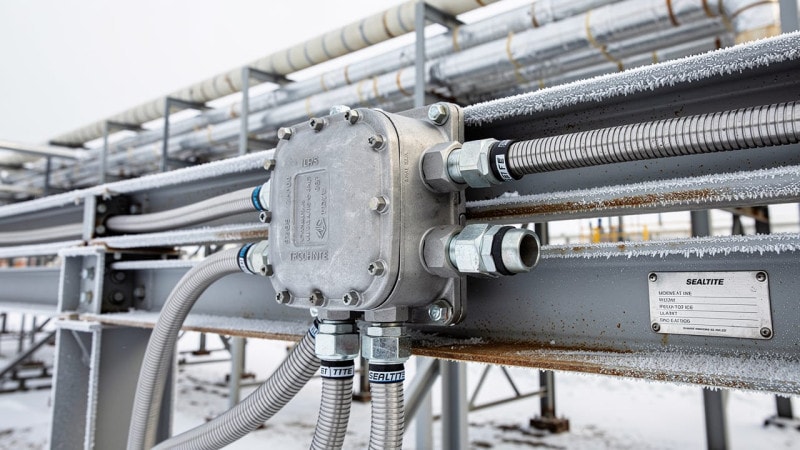
Where flammable gases, vapours, or fine dusts are present, you cannot treat electrical equipment as ordinary. Hazardous area classifications such as Class I and Class II, with Division 1 and Division 2, define how likely these materials are to be present during normal work. That classification sets the rules for what electrical equipment can be used and how it must be installed.
In these spaces, you will see:
-
Explosion‑proof enclosures in gas and vapour areas
-
Intrinsically safe circuits for instruments and low‑energy devices
-
Sealed conduit runs to stop vapours from travelling through raceways
-
Cable entries, glands, and fittings that match certification ratings
Even simple items like junction boxes and lighting fixtures need to be selected carefully and installed exactly as the listing requires.
All of this has to line up with the Canadian Electrical Code, CSA standards, and Alberta oil and gas expectations. Cove Electrical designs, installs, and maintains hazardous‑area systems with these rules at the front of every decision. Documentation, from drawings to inspection reports, shows inspectors and insurers that each part of the installation meets the correct standard. Cutting corners in these zones is never worth the risk, as it can lead to ignition events, forced shutdowns, and long‑term damage to people and property.
Oil & Gas Compliance And Safety-Driven Installations
Oil and gas sites have extra layers of safety and compliance needs beyond basic hazardous‑area rules. Equipment is large, process risks are high, and regulatory interest is constant. That is why a safety‑driven mindset is built into every Cove Electrical project.
Compliance is not just about the day gear is installed. It includes:
-
Proper equipment tagging and nameplates
-
Inspection routines scheduled around production plans
-
Clear records that prove systems stay within code over time
Cove Electrical uses master electrician oversight on each job so that design, material choice, and workmanship align with code and company standards from start to finish.
For oilsands plants, remote well sites, and northern gas facilities, that approach protects staff and assets. A single fault in a classified area can affect pressure control, flaring, or emergency shutdown functions. Safety‑driven installations and thorough records give operators confidence that their electrical systems support, rather than threaten, safe operations.
Backup Generator And Emergency Power Systems For Remote Sites
For many remote operations, generator plants are the main source of power, not just a backup — a dynamic explored in a techno-economic analysis of hybrid power systems that underscores the critical role of generation planning for off-grid and remote industrial sites. Even when the grid is present, it can be unstable or prone to long outages. Having dependable generator systems for remote operations means the difference between a controlled pause and a full loss of control.
Emergency power is not just about keeping lights on. It must support key loads such as:
-
Process controls and automation
-
Communication links and remote monitoring
-
Life‑safety systems, alarms, and fire protection
-
Environmental protection gear, including pumps and containment systems
Cove Electrical designs and maintains generator‑based electrical systems for remote Alberta operations with that wider picture in mind.
Generator System Installation And Integration
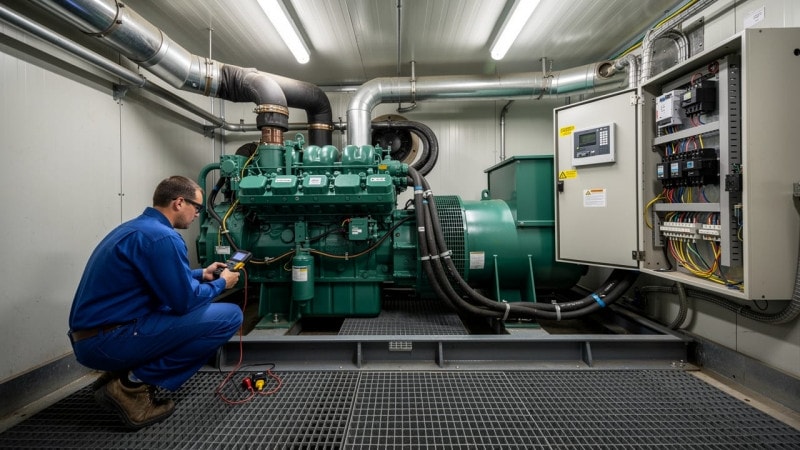
Installing a generator at a remote site involves much more than setting a unit on a pad and tying it into a panel. Good design starts with a careful load study that reviews:
-
Normal operating loads across the facility
-
Short‑term peak demands, including motor starts
-
Emergency and life‑safety loads that must never be shed
From there, generator sizing, feeder ratings, and transfer gear are set to match real site needs.
Automatic transfer switches and control panels handle startup, shutdown, and load sequencing. They decide which circuits come online first and which can wait or shed during heavy use. Critical circuits such as fire pumps, process PLCs, freeze protection, and communication links must be picked out and wired so they always have priority.
Fuel systems, ventilation, and exhaust routing also need proper planning and code‑compliant installation. Cove Electrical installs, tests, and integrates these generator systems so they work smoothly with existing distribution, whether that is grid‑tied, off‑grid, or part of a hybrid setup. When generator systems are installed this way, operators can trust that power will be there when the grid fails or when remote Alberta electrical services must run fully on local generation.
Preventive Maintenance And Generator Reliability
A generator that only gets attention when the lights go out is a risk, not a safety net. Mechanical parts wear, fuel quality changes, and control gear can drift out of calibration. Without regular checks, even a quality generator can fail at the worst time.
Proactive maintenance keeps generator systems ready by focusing on tasks such as:
-
Routine load testing under realistic conditions
-
Fuel system inspections to catch contamination or leaks
-
Filter and fluid changes according to operating hours and environment
-
Checks on starting batteries, chargers, and block heaters
-
Testing of transfer switches so they change over cleanly under load
-
Reviewing control panels for alarms, event logs, and proper settings
Cove Electrical builds maintenance planning into its generator work from the start. Site‑specific schedules match the importance of the load and the harshness of the environment. For remote sites, this preventive care costs far less than an emergency call‑out, lost production, and possible damage from frozen or stalled equipment during an outage.
Electrical Safety Standards And Long-Term System Reliability
Electrical safety and long‑term reliability sit at the core of every remote project. A system that only works on day one is not good enough for oilfield pads, industrial plants, or remote agricultural sites. These operations need electrical systems for remote Alberta worksites that stay safe and steady year after year.
Code compliance, protective device settings, and proper documentation are the base. On top of that, ongoing inspections and maintenance keep systems healthy as equipment ages and loads change. Cove Electrical treats every remote project as a long‑term commitment to safety and performance, not a one‑time build.
“The cost of maintenance is always less than the cost of unplanned downtime,” is a saying heard on almost every industrial site, and it is especially true when the nearest electrician is hours away.
Adherence To Canadian Electrical Code And Alberta Regulations
Every remote site in Alberta must follow the Canadian Electrical Code, CSA standards, and any sector‑specific rules that apply. These codes set minimum levels for clearances, conductor sizing, protection, bonding, and many other details. They exist to protect workers, equipment, and the public.
Ignoring or bending these rules exposes operations to more than fines. It can void insurance, create unsafe conditions, and lead to shutdown orders from inspectors. In the event of an incident, poor records or non‑compliant work can also bring serious legal risk.
Cove Electrical works under master electrician oversight for each project. Designs, material lists, and field work are checked against code at every step. The result is electrical infrastructure that not only passes inspection but also gives owners and operators confidence that their systems are built on a solid, compliant base.
Proactive Maintenance For Long-Term System Performance
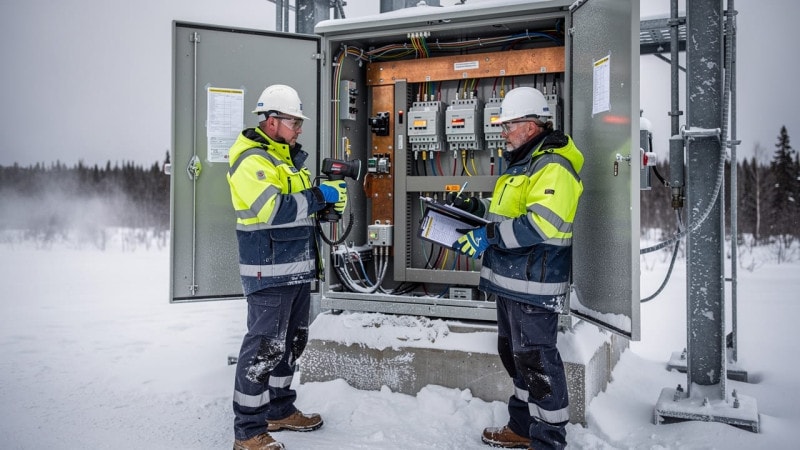
Even the best installation will drift over time without care. Connections can loosen, insulation can age, and loads often grow as operations expand. Remote sites add extra stress, with vibration, temperature swings, and hard‑to‑reach equipment.
A structured maintenance program keeps these factors in check. Common tasks include:
-
Visual inspections for damage, corrosion, and moisture ingress
-
Torque checks on terminations in panels, MCCs, and junction boxes
-
Insulation resistance testing on feeders, motors, and critical circuits
-
Thermal imaging to find hot spots before they become failures
-
Reviewing protection settings and coordination when equipment changes
-
Updating drawings and records so field work matches documents
Records from these visits build a history that helps plan upgrades and avoid surprises.
Cove Electrical designs maintenance plans that support long‑term stability instead of short‑term fixes. For operators, this approach reduces emergency call‑outs and turns electrical maintenance at remote facilities into a planned, budgeted activity. It is a simple trade‑off: a few hours of planned work now to avoid days of urgent work later.
Why Cove Electrical Is The Right Partner For Remote Alberta Operations
Choosing an electrical contractor for a remote or hazardous site is not the same as hiring someone to wire an office. Remote Alberta operations need a partner who understands production risk, safety rules, and the true cost of downtime. That is where Cove Electrical stands apart.
Cove Electrical focuses on operational power systems, not residential or small convenience projects. Its teams work in oil and gas fields, industrial plants, remote camps, and rural sites where power is the backbone of the business. This narrow focus means the company understands how off‑grid power, hazardous locations, and industrial controls all tie together.
Every project is led by a master electrician with many years of hands‑on field experience. That leadership shows up in clear designs, safe work practices, and code‑compliant installations. From hazardous‑area panels to remote camp electrical systems, the same attention to safety and reliability applies.
Cove Electrical also treats each engagement as a long‑term partnership. The goal is not to replace a failed breaker and leave. The goal is to design and maintain systems that support continuous operation, even when weather and conditions are hard. For operators, that means less worry about surprise failures and more time spent on production and planning.
With deep experience in hazardous‑area classifications, off‑grid and hybrid power, and northern field work, Cove Electrical fits the needs of oil and gas operators, industrial facility managers, and operations managers across Alberta. When electrical systems for remote Alberta operations matter to the bottom line, having this level of focused support makes a real difference.
Conclusion
Remote Alberta operations run on electricity. Without stable power, pumps stop, controls go dark, safety systems falter, and production stalls. Harsh weather, hazardous atmospheres, and distance from the grid all increase the stakes. These are not places where cut‑rate gear or generic installs make sense.
Cove Electrical brings a different approach. With master electrician leadership, a focus on hazardous and remote environments, and designs built around operational continuity, the company helps operations stay safe and productive. From power distribution and integration to generator systems and maintenance, each step is centred on long‑term performance, not quick patch jobs.
For operations managers, facility leaders, and oil and gas producers, the message is simple. Investing in the right electrical partner up front costs far less than dealing with system failures, emergency repairs, or regulatory trouble later. If an operation depends on reliable electrical systems for remote Alberta locations, it is time to speak with Cove Electrical and build a clear plan for safe, steady power.
FAQs
Remote and industrial operators often ask similar questions when they first look for specialised electrical support. The answers below address some of the most common points that come up when selecting a contractor for remote Alberta electrical services.
What Types Of Remote Alberta Operations Does Cove Electrical Serve?
Cove Electrical serves oil and gas producers, industrial facility managers, and remote camp operators across Alberta. The company focuses on rural and northern environments where reliable power is essential, such as oilsands sites, compressor stations, and remote processing plants. It also works with operations managers who oversee backup power, generator farms, and other critical circuits at remote or hard‑to‑reach locations.
What Makes Electrical Work In Hazardous Locations Different From Standard Installations?
Hazardous locations are areas where flammable gases, vapours, or dusts can be present during normal work. Electrical equipment in these zones must use certified explosion‑proof enclosures, intrinsically safe circuits, and properly sealed conduit systems. Standard gear and methods used in non‑hazardous areas are not allowed, as they can act as ignition sources. All work must follow the Canadian Electrical Code, area classification rules, and Alberta oil and gas regulations, which calls for specialised training and field experience.
How Important Is Preventive Maintenance For Generator Systems At Remote Sites?
Preventive maintenance for generators at remote sites is very important. Without regular load tests, fuel checks, and inspections, there is no way to trust that a generator will start and carry the load during a real outage. Planned work on transfer switches, cooling systems, and control gear keeps the whole package ready. Cove Electrical treats proactive generator maintenance as a core part of keeping remote operations online.
Why Should Remote Operations Hire A Specialised Electrical Contractor Instead Of A General Contractor?
Remote industrial sites and oilfield facilities present technical and safety demands that go well beyond standard commercial work. Hazardous‑area compliance, off‑grid and hybrid power systems, and strict Canadian Electrical Code rules in harsh environments all add layers of risk. General contractors rarely have the focused training or experience needed to manage these factors safely. A specialised contractor such as Cove Electrical brings field‑proven methods, master electrician oversight, and designs built for continuous operation in remote and hazardous Alberta locations.