Every season, more work lands on fewer shoulders. Herds grow, grain moves faster, and irrigation covers more acres, while the crew stays the same size or even shrinks. When weather turns or markets tighten, the gap between what a farm demands and what people can handle by hand becomes very clear.
That is where a well planned farm automation system comes in. Sensors, PLCs, VFDs, and connected controls now run feeding, ventilation, grain handling, and irrigation on farms across Canada. On operations that depend on steady power and constant uptime, automation is no longer a nice extra, it is part of staying in business.
The catch is simple. A farm automation system only performs as well as the electrical backbone under it. Undersized panels, weak backup power, and poor wiring turn smart equipment into a very expensive headache. This article walks through the core pieces of a modern farm automation system, real farm applications, the electrical design that keeps it reliable, and what to look for when planning an upgrade. It is written for people who care more about uptime, safety, and return on investment than buzzwords and sales talk.
As many farm managers like to say, “You can’t manage what you don’t measure.” That idea sits at the core of modern farm automation.
Key Takeaways
-
A modern farm automation system ties sensors, PLCs, VFDs, GPS, and connected devices into one control network. Data flows from the field or barn to the controller, then to motors and valves that act on that data. That link between information and action is what cuts waste and boosts yield.
-
The hidden part of a farm automation system is the electrical infrastructure that feeds it. Correct service size, clean power, and well laid out panels protect sensitive electronics and motors. Without that base, even the best control gear fails when you need it most.
-
Automation already pays off in livestock barns, grain yards, and irrigation systems across Canada. Better climate control, bin monitoring, and smart water use reduce labour needs, protect animals and grain, and trim power and input costs.
-
Planning a farm automation system with growth in mind avoids ripping out panels and conduits in a few years. Extra breaker space, larger raceways, and open communication standards make it far easier to add bins, barns, or pivots later.
-
Working with a specialized agricultural electrical contractor such as Cove Electrical keeps risk down. A partner who understands farm loads, Canadian Electrical Code rules, and backup power designs systems that keep running when conditions are at their worst.
Core Components Of A Modern Farm Automation System
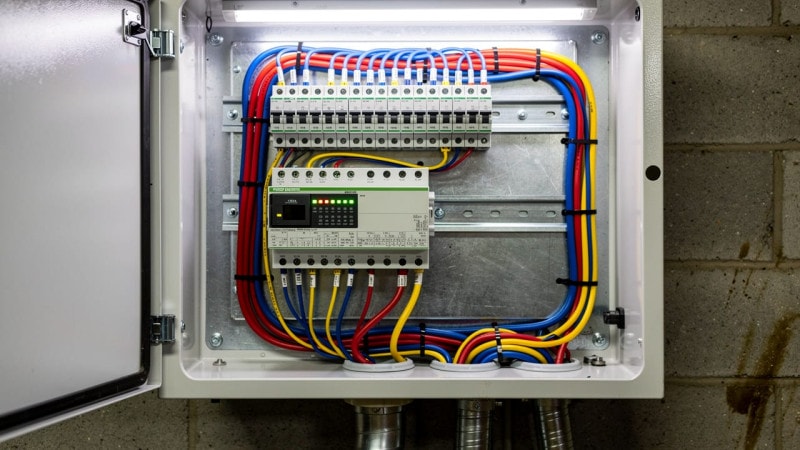
A modern farm automation system is more than a set of gadgets. It is a network that watches what is happening across the farm, decides what should change, and carries out that change through motors, valves, and relays. When each piece talks to the others, you get steady, repeatable control instead of guesswork.
Sensors form the eyes and ears of the system:
-
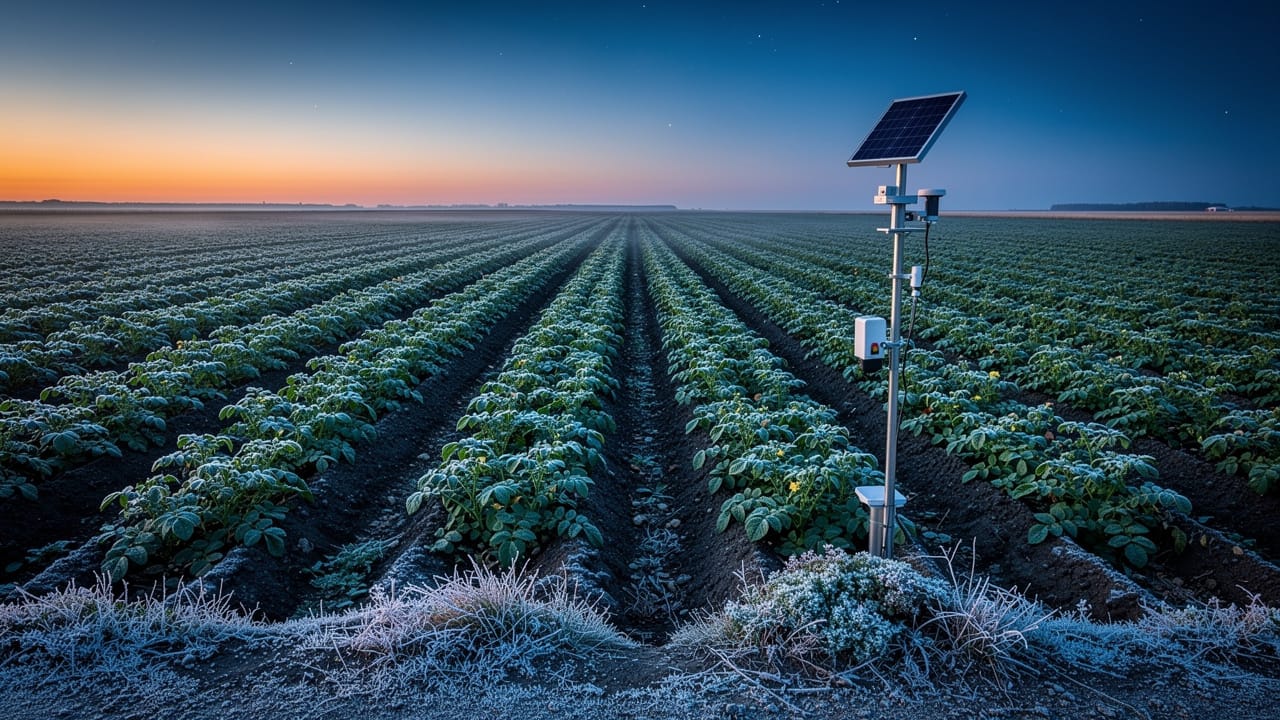
Soil probes track moisture so irrigation only runs when needed.
-
Temperature and humidity devices in barns guide fans and inlets.
-
Cables in grain bins watch for rising heat or moisture.
-
Level sensors on overhead bins stop conveyors before anything overfills.
The more accurate this data is, the better your farm automation system can manage inputs and protect product.
Programmable Logic Controllers (PLCs) sit at the centre. These industrial computers take sensor inputs and run logic that matches how you want the site to work. A PLC can bring fans up in stages as barn temperature climbs, or shut down a grain leg if one shaft trips a sensor. Because PLCs are built for harsh sites, they handle dust, vibration, and long hours far better than consumer gear.
Variable Frequency Drives (VFDs) control the speed of motors on fans, pumps, and conveyors. Instead of starting a motor at full speed every time, a VFD can ramp it up gently and then hold only the speed you actually need. That:
-
Cuts energy use.
-
Reduces wear on belts, bearings, and gearboxes.
-
Gives much finer control over air flow or water pressure inside the automation system.
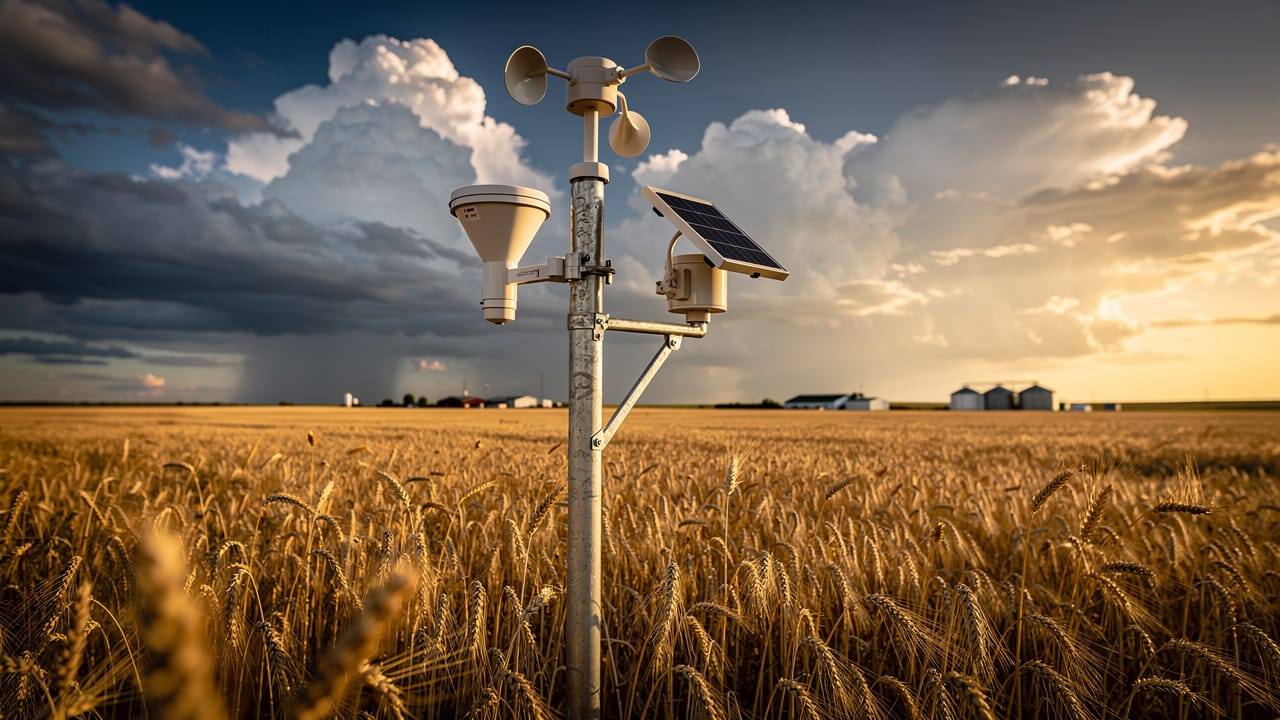
On top of this, connected devices and farm networks give you remote access. With the right setup, bin temperatures, barn climate, and pump status all show on a phone or office computer. GPS and guidance systems round out the picture in the field, where auto steer and section control use position data to keep rows straight and stop overlap. When sensors, PLCs, VFDs, and connectivity are tied together, one change in the field or barn triggers safe, quick action across the whole system.
Key Applications Across Canadian Farm Operations
Once the building blocks are in place, a farm automation system turns into very practical gains across the yard. In Canadian livestock barns, grain sites, and irrigated fields, the same core ideas play out in different ways.
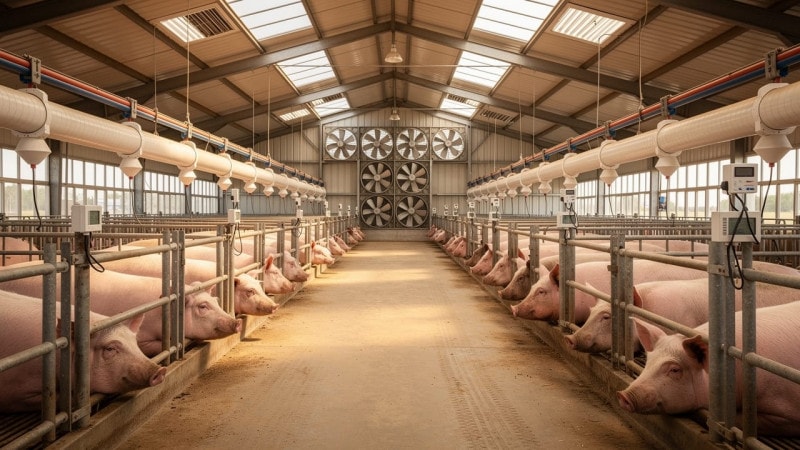
In livestock facilities, climate and feeding come first. Temperature, humidity, and gas sensors feed data to PLCs that run ventilation stages with VFD controlled fans. Instead of fans snapping on and off, speed ramps up and down based on real barn conditions, which keeps animals comfortable and power use lower. Automated feed systems drop precise rations into pens at set times, which cuts waste and makes feeding more predictable, even when staff are stretched thin.
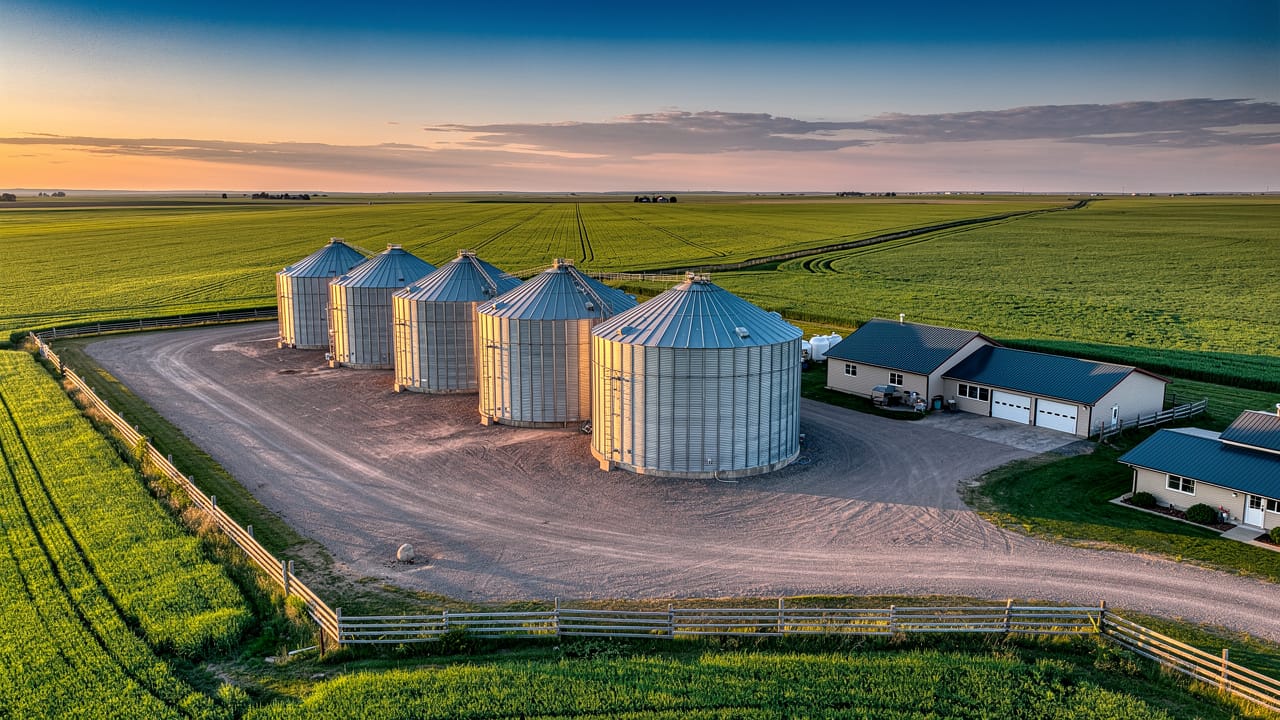
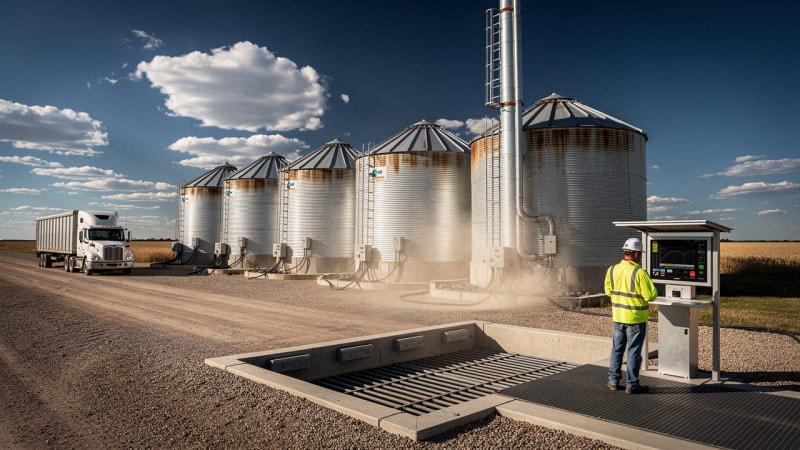
Grain handling sites gain a lot from a well designed farm automation system. Cables inside bins send temperature and moisture readings back to a central panel. When the system sees a warm pocket of grain, it can start aeration fans on its own and alert you before spoilage sets in. High level switches on bins stop legs and conveyors before they pack grain into spouts or roofs. From a single control point, one operator can start or stop multiple augers and direct flow to the right bin, which improves safety and keeps trucks moving at harvest.
Many grain farmers describe automation as “having eyes in every bin without climbing a ladder.”
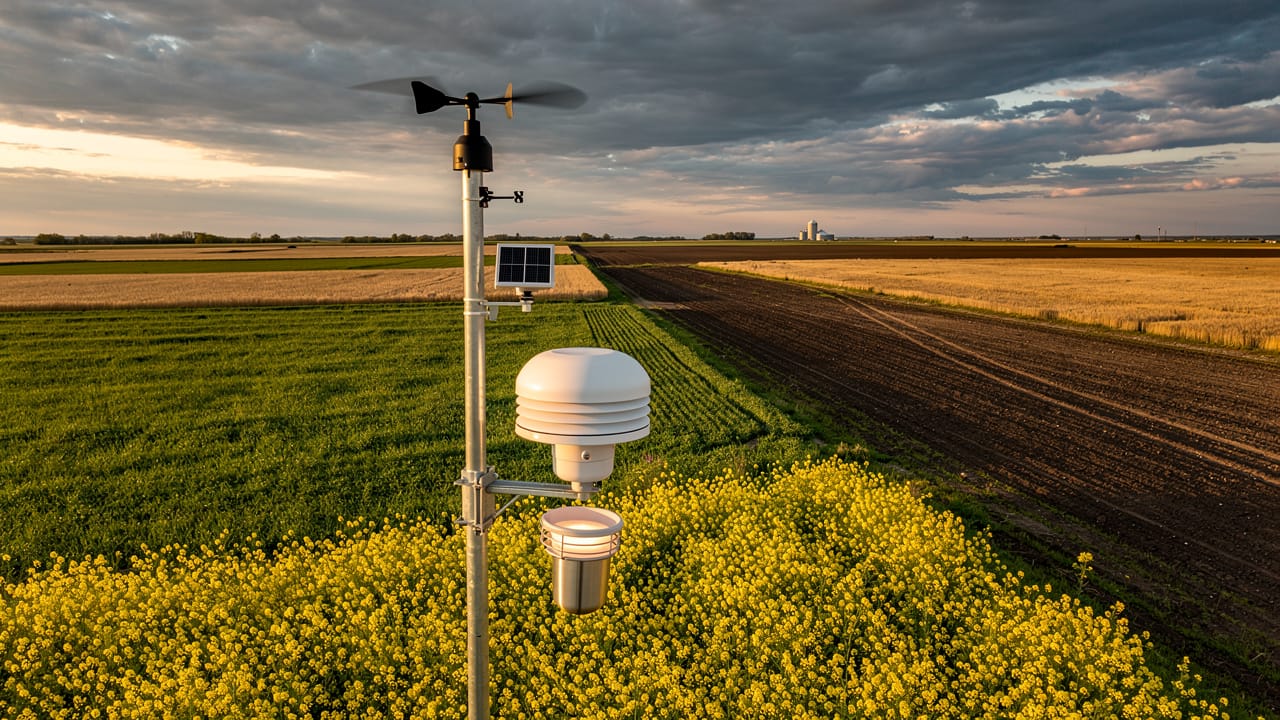
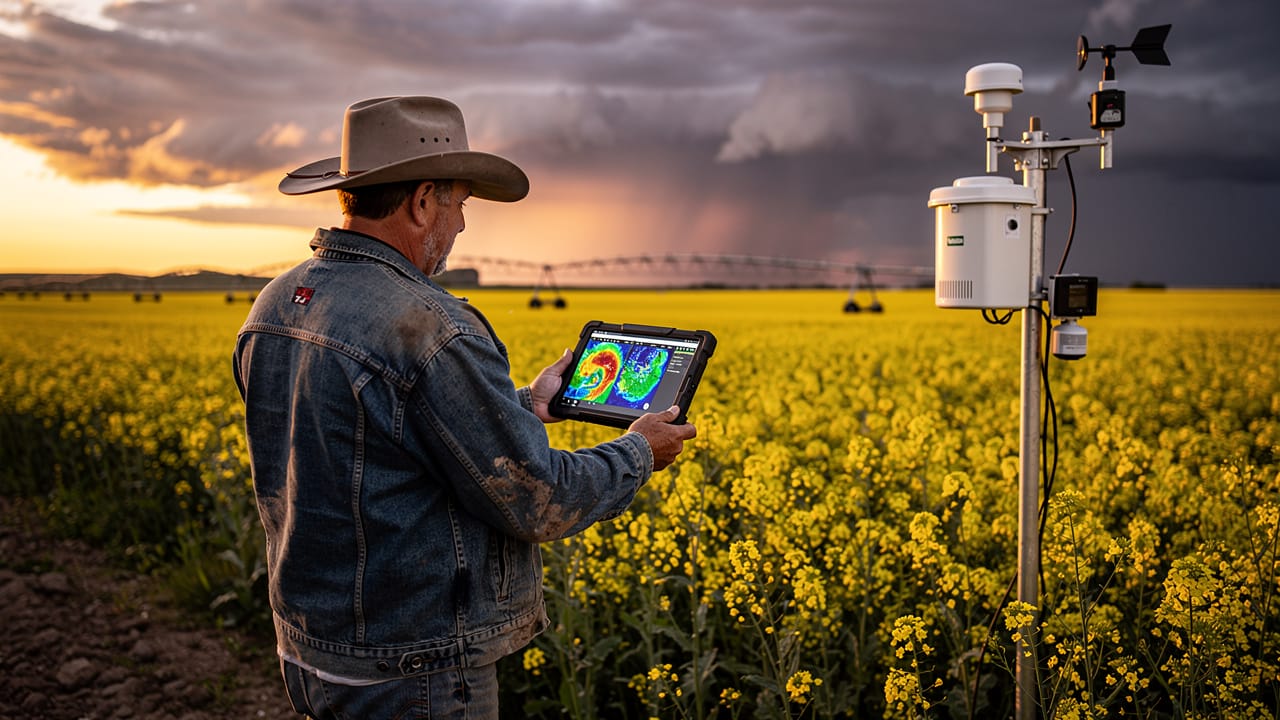
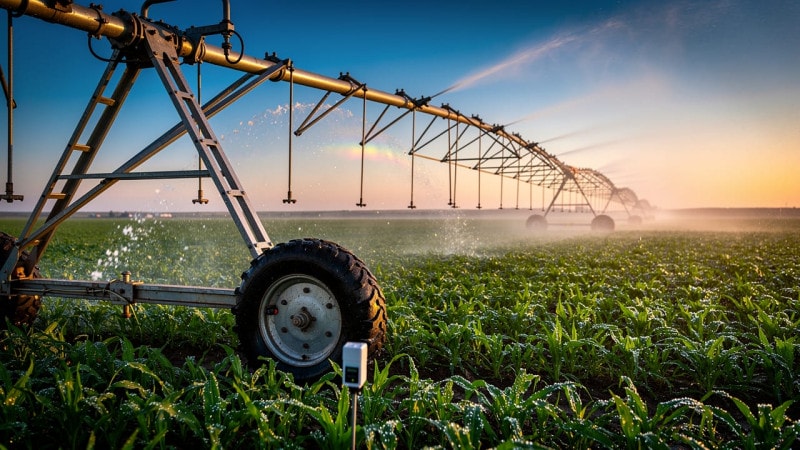
Irrigation and field work also benefit. Centre pivot systems can read soil moisture and weather station data, then adjust water rates by field or by zone. VFDs on pump motors hold steady pressure while using less electricity than across the line starts. In the field, GPS guided tractors with section control tie into your farm automation system so seed, fertilizer, and spray only go where they should, with no double passes on headlands or point rows. Less overlap means lower input bills and cleaner records for compliance.
Across all these areas, the payoff is not just comfort or convenience:
-
A connected farm automation system cuts labour hours.
-
It narrows production risk by catching problems earlier.
-
It gives you real data on how equipment and product behave over time.
That is the base for better planning and stronger margins.
The Electrical Infrastructure That Makes Automation Reliable
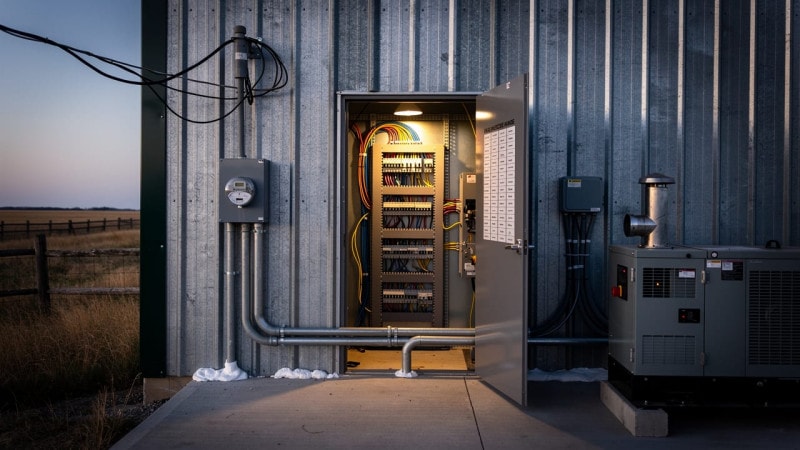
Every farm automation system relies on one thing that is easy to overlook, which is the electrical backbone. When panels are undersized or wiring is tired, sensitive controls and motors show it fast through nuisance trips, random faults, and early failures.
First, total load must match real demand. Each new motor, PLC, heater, and fan adds to the draw on your main service. A proper load calculation shows whether the existing service and distribution panels can handle an automation upgrade. On many farms, this means upsizing main gear, adding well planned sub panels, and running correctly sized feeders so voltage stays steady and expensive control gear stays safe. Leaving extra breaker space and larger conduits during a project also makes the next phase far less painful.
Power quality is just as important. PLCs, VFDs, and communication gear react badly to spikes, sags, and harmonic noise. Good design adds surge protection at the service and in key panels, plus line reactors and filters where VFDs feed large motors. That keeps distortion down and reduces random shutdowns that can stall a farm automation system in the middle of a critical job.
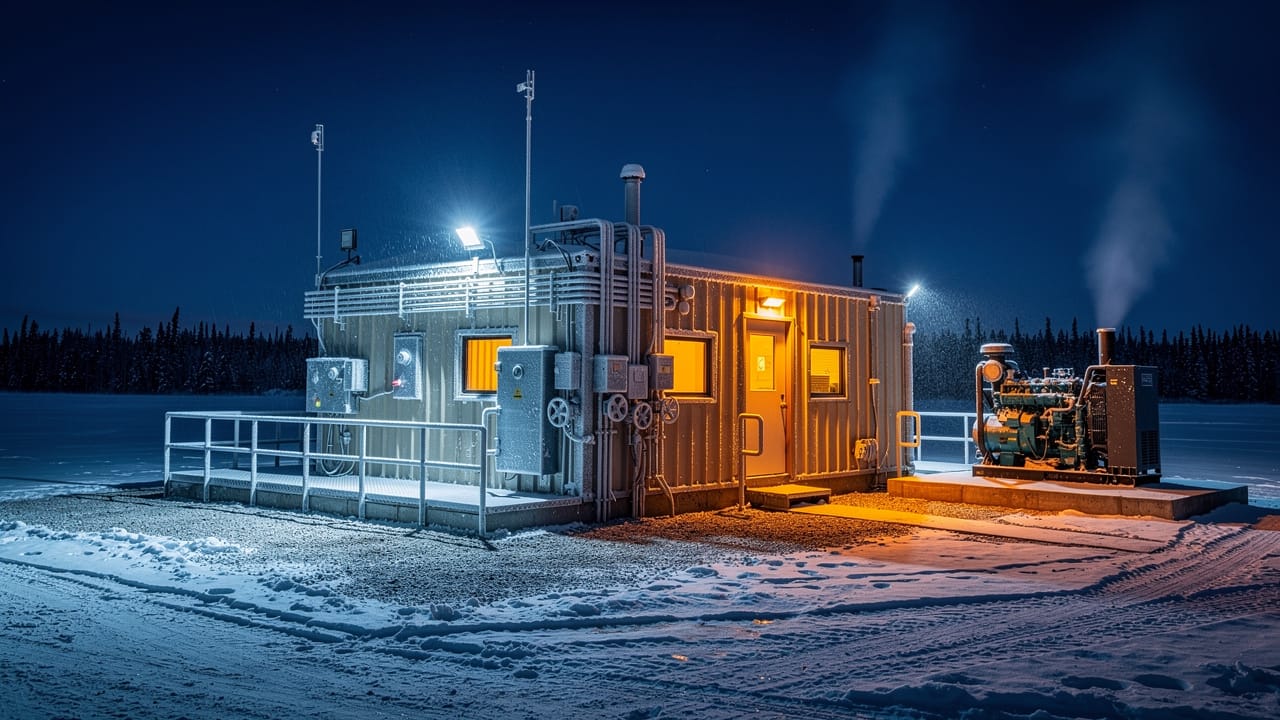
Backup power is non negotiable for barns and grain sites. If a storm knocks out the line in mid winter, barn fans, waterers, and feeding systems cannot simply wait. A standby generator with an automatic transfer switch starts on its own and moves selected loads over without a person on site. Small uninterruptible power supplies bridge the gap for PLCs and networks so control logic stays alive while the generator starts, instead of dropping out at the worst time.
As experienced electricians often remind clients, “If the power is wrong, the automation will be wrong too.”
This is where Cove Electrical focuses its work. The team designs and installs complete electrical and control systems for grain handling, livestock barns, and irrigation, including PLC programming, VFD integration, Motor Control Centres, and whole yard generator systems with transfer switches. At Cedar Brook Farm near Jarvie, Alberta, Cove Electrical replaced an overloaded grain yard setup with new controls, bin temperature monitoring, more than twenty shaft sensors, high level shutoffs, overhead scale integration, and backup power across the site. Downtime dropped, issues showed up early on alarms instead of during breakdowns, and the new electrical layout now has room to grow with the farm.
Planning And Implementing A Farm Automation System
Good results from a farm automation system start long before the first sensor goes on a wall. The best projects begin with a clear picture of what is already on the yard and what you want the site to handle over the next decade.
An honest audit of existing electrical gear comes first. That means checking:
-
Main service size and available capacity.
-
Panel fill, breaker condition, and labelling.
-
Wire sizes, conduit runs, and terminations.
-
Grounding and bonding methods.
-
How power reaches outbuildings and remote equipment.
Many farms have added bins, fans, and small controls over the years without updating the backbone, which leaves panels packed full and circuits near their limit. Layering new automation on top of that almost guarantees nuisance trips and hard to trace faults.
Design for growth, not just what you need right now. When you plan a farm automation system, it pays to think in stages so new bins, barns, or pivots can tie in later without tearing out what you just built. Larger conduits, extra cable capacity, and space in panels and control enclosures add a small cost today but prevent big bills later. Choosing hardware and software that speak common, open protocols also makes it easier to connect grain, livestock, and irrigation controls into a single farm view over time.
The partner you pick matters just as much as the gear. Agricultural electrical work is not the same as small commercial or residential projects. Heavy motors, long runs between buildings, corrosion, dust, and the need for near constant uptime change how panels, drives, and controls must be designed and installed. A specialized contractor such as Cove Electrical:
-
Carries out proper load studies.
-
Selects and programs PLCs and VFDs for farm duty.
-
Follows the Canadian Electrical Code for agricultural sites.
-
Designs backup power into the system from the start.
They also stay involved with service, maintenance, and operator training, so you are not left calling three different trades when something shuts down.
Conclusion
A well designed farm automation system is already raising yields, cutting labour, and making better use of inputs on Canadian farms. The real success stories all share one pattern, which is smart controls on top of solid, well planned electrical work.
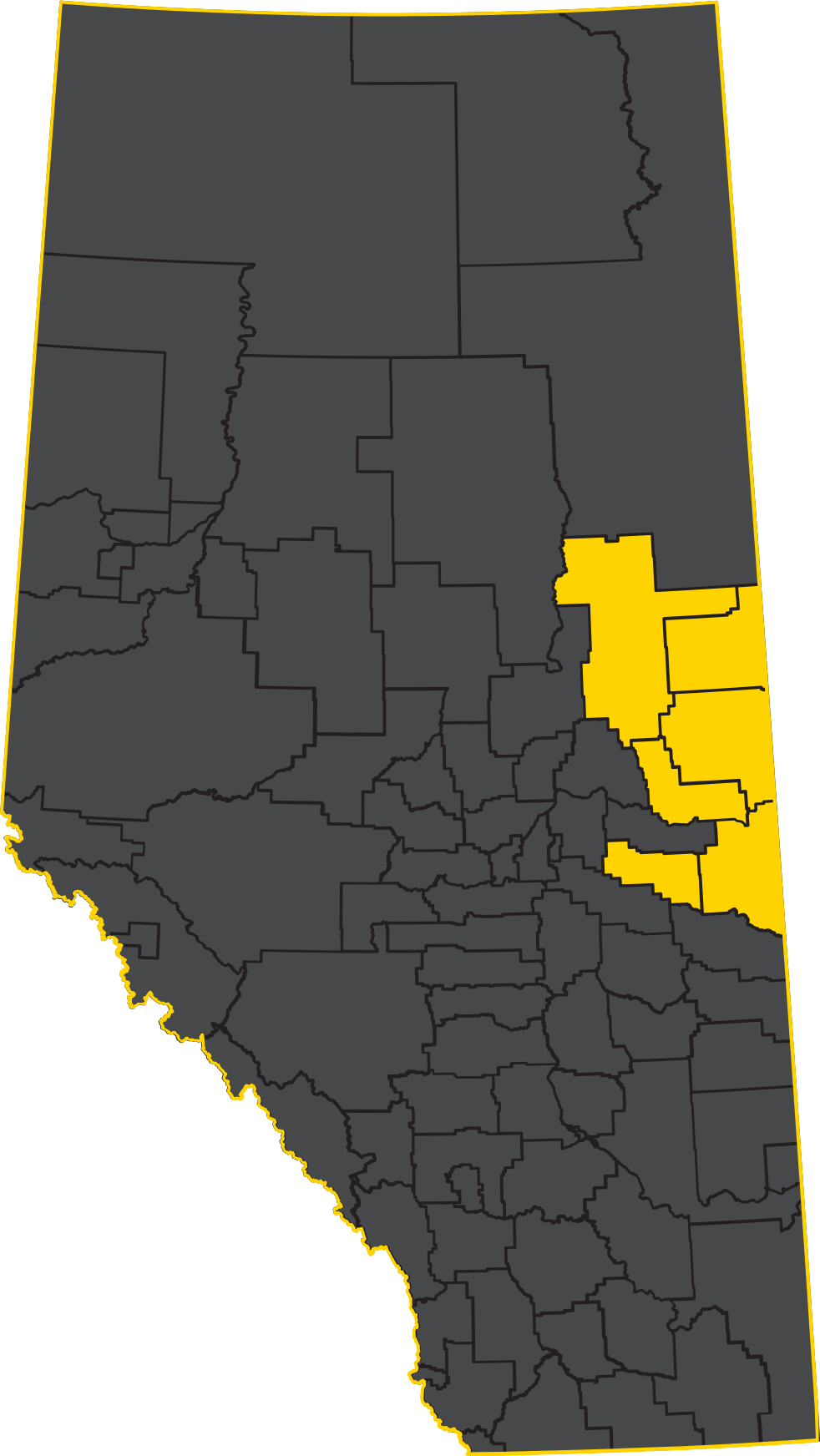
When power capacity, wiring, panels, and backup systems match the needs of the site, automation runs day after day instead of dropping out when conditions are harsh. Operators who invest in this foundation protect livestock, grain, and equipment, and they give themselves room to grow without constant rework. If your farm is looking at new bins, barns, or irrigation upgrades, or if the current electrical layout feels stretched, talk with a specialized agricultural electrical contractor before signing for more technology. Cove Electrical supports farms across Alberta with design build electrical and automation projects built for long term reliability and steady uptime.
FAQs
What Is A Farm Automation System And How Does It Work?
A farm automation system is an integrated network of sensors, PLCs, VFDs, control panels, and connected devices that manage key tasks on a farm. Sensors read conditions such as temperature, bin level, or soil moisture and send that data to a PLC. The PLC follows its program and starts or stops fans, pumps, and conveyors through relays and drives. Because all parts talk to each other, one change in the field or barn leads to a fast, coordinated response.
How Much Does It Cost To Automate A Farm In Canada?
The cost of a farm automation system in Canada ranges widely, because every operation is different. Total price depends on the size of the site, how many motors and bins you plan to control, and how strong the current electrical service is. On many projects, upgrading panels, feeders, and backup power makes up a large share of the budget. The best first step is a professional on site assessment and load calculation, along with a review of any grants or support programs available in your province.
Why Is Backup Power Important For Automated Farms?
Backup power is vital because a modern farm automation system depends on steady electricity. In a livestock barn, loss of power can stop ventilation, feeding, and water in minutes, which puts animals at risk. At a grain site, a sudden outage during drying or handling can damage product and equipment. A standby generator with an automatic transfer switch starts and carries selected loads without manual action, while small UPS units keep PLCs and control networks alive through short outages. Taken together, these measures keep critical systems running when the utility line fails.