A regional forecast might say a town received ten millimetres of rain overnight, while a field ten kilometres away stayed bone dry and the crop is already under stress. That gap between what the forecast says and what actually hits the ground is where on-farm weather station technology earns its keep.
Instead of guessing, on-farm weather stations record real conditions on the farm itself. They track rainfall, temperature, humidity, wind, solar radiation, and even soil moisture in real time. For Canadian operators dealing with short growing seasons, frost risk, and long distances between fields, that level of detail is the difference between reacting after damage and acting before it happens.
A common saying in precision agriculture is, “You can’t manage what you don’t measure.” Weather stations are a direct example of that idea at work.
This is not a gadget for curiosity. For farms running pivots, ventilation, grain systems, or irrigation automation, on-farm weather station technology is operational infrastructure. When the data is wrong or the station loses power, money is at risk. This article focuses on what matters most: the core sensors, how the data changes daily decisions, how it moves from field to phone, and why professional electrical work from companies like Cove Electrical is the foundation that keeps everything online.
Key Takeaways
-
On-farm weather station technology delivers hyperlocal weather data that regional forecasts simply cannot match. It measures what is happening on a specific farm, not at an airport many kilometres away, so decisions line up with real field conditions.
-
Key hardware pieces include wind, rain, temperature, humidity, pressure, and solar sensors, plus soil probes and leaf wetness sensors for farm-specific insight. When combined, these devices turn weather into clear guidance for irrigation, spraying, crop protection, and seeding.
-
Long-term value depends on more than sensors. Reliable connectivity, proper siting, grounding, surge protection, and backup power keep the system alive during storms and outages. Cove Electrical designs and installs complete, code-compliant systems so the data keeps flowing when it matters most.
What Core Sensors Make Up An On-Farm Weather Station?
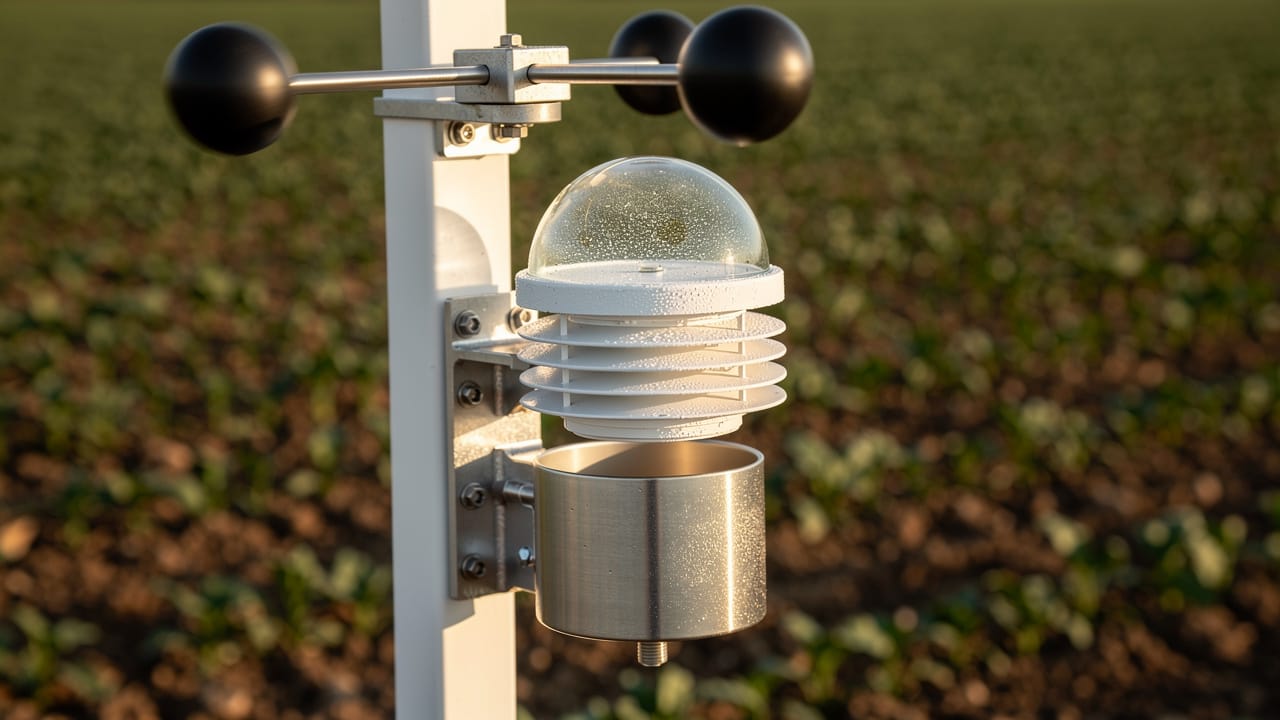
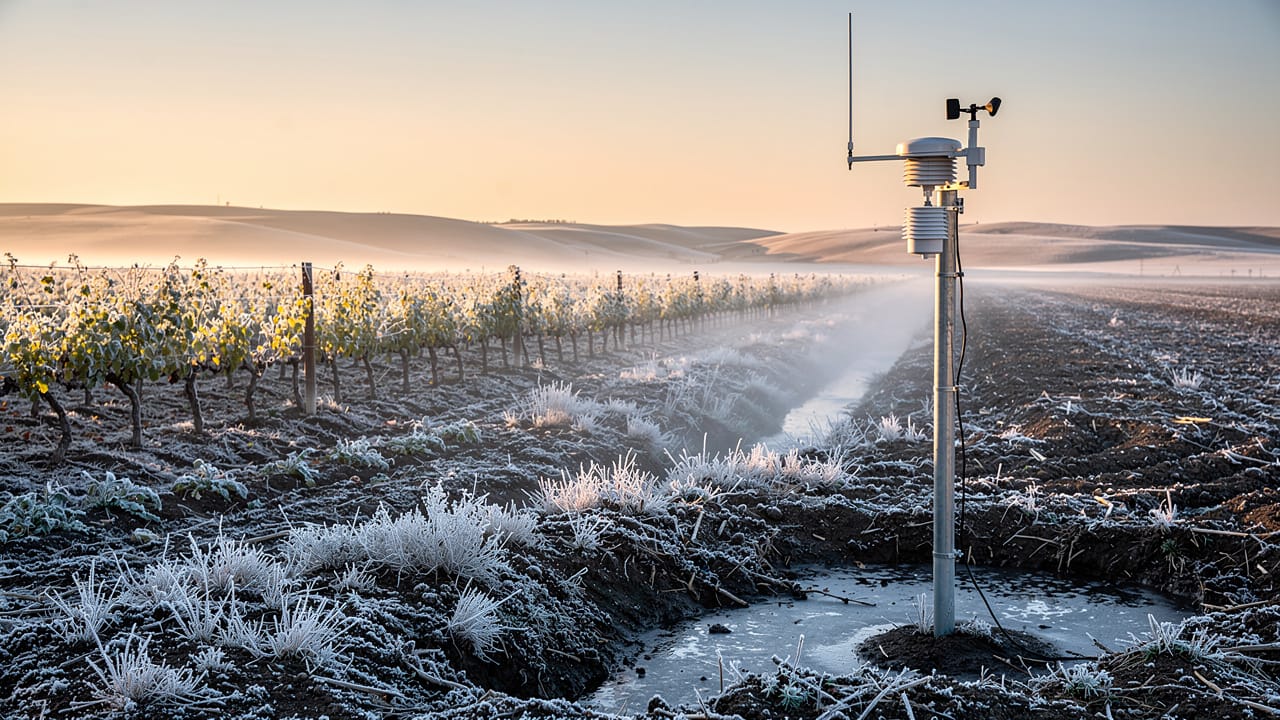
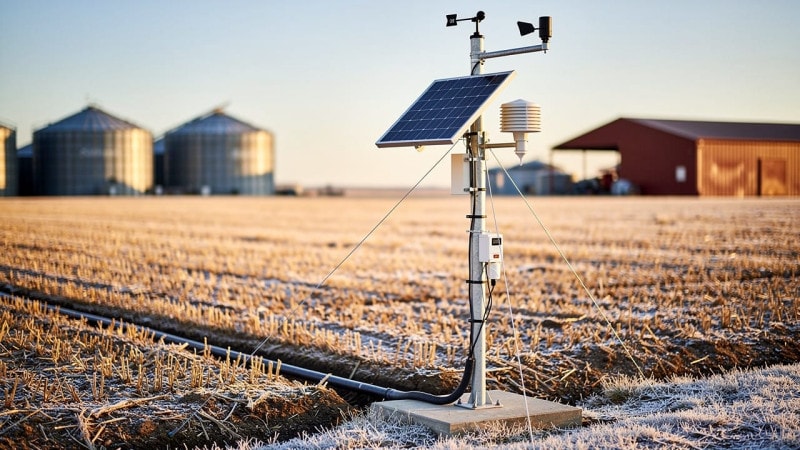
A professional on-farm weather station is not a single gadget on a pole. It is a small network of sensors, each watching a different part of the environment. Together they give operators a clear picture of what crops, livestock, and equipment are facing at that moment.
Key hardware pieces typically include:
-
Anemometer (wind sensor): Measures wind speed and direction. Spraying without accurate wind data risks drift, wasted product, and angry neighbours, especially in windy parts of Alberta and Saskatchewan. Wind readings also guide pivot operation, help protect shelters during high-wind events, and support safety planning around tall equipment.
-
Rain gauge: Records real precipitation on the field, not at a town weather site. That reading is the starting point for every irrigation decision and for judging nutrient runoff risk. Even a small difference in rainfall across a section can change whether an irrigation pass is needed.
-
Thermometers, hygrometers, and barometers:
-
Thermometers track ambient air temperature for frost warnings, Growing Degree Day (GDD) calculations, and heat stress monitoring.
-
Hygrometers measure relative humidity, a key factor for fungal disease pressure, safe grain drying, and barn air quality.
-
Barometers watch air pressure shifts that hint at incoming fronts and storm systems, giving operators time to adjust work plans.
-
-
Pyranometer (solar radiation sensor): Reads solar radiation, which is needed to calculate evapotranspiration (ET). ET shows how much water crops lose each day by combining evaporation from soil with transpiration from plants. When ET numbers pair with rainfall and irrigation totals, operators can manage water with far more confidence.
-
Specialised agricultural sensors: Extend what basic weather data can show.
-
Soil moisture probes at several depths show how far rain or irrigation water has moved into the root zone.
-
Soil temperature probes guide seeding timing and help explain nutrient availability.
-
Leaf wetness sensors record how long plant surfaces stay wet, a direct input to many disease models.
-
Most stations mount these sensors on a mast and run them from a solar panel and rechargeable battery. For Canadian farms, correct sizing, orientation, and protection of that small power system is not optional. Without steady power to every sensor, the data record breaks and the value of the system drops.
How On-Farm Weather Data Drives Critical Farm Decisions
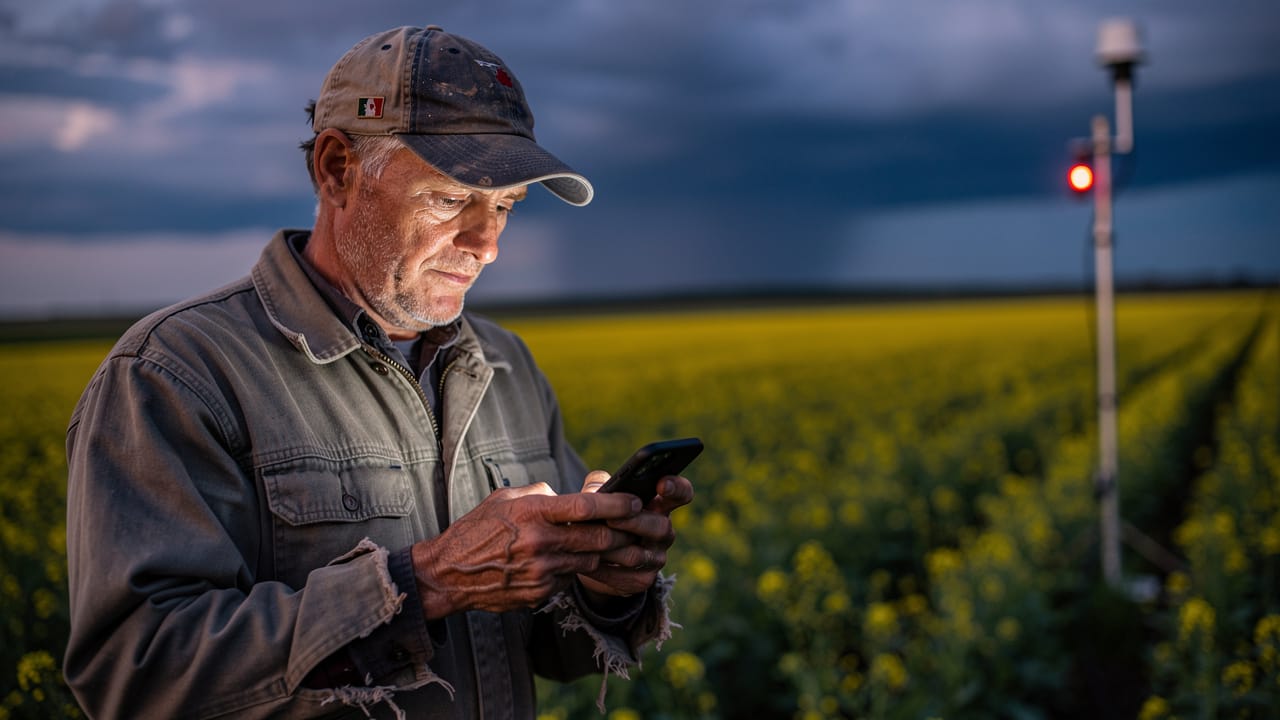
The real power of on-farm weather station technology shows up when numbers turn into specific actions. A live feed of accurate data lets operators move from “I think” to “I know,” which is a big step when water, fuel, and inputs carry real cost.
For irrigation, ET calculations combine data from the pyranometer, thermometer, hygrometer, and anemometer. That daily ET number shows how much water the crop used, not just how hot it felt. When ET data lines up with soil moisture probe readings, irrigation can be timed and sized with precision. This approach:
-
cuts overwatering that leaches nutrients and causes root disease
-
avoids underwatering that leads to yield loss and plant stress
-
reduces pump run time, power bills, and wear on wells or surface water systems
Spraying and fertilising also change with better data. Wind speed and direction from the anemometer must meet label and regulatory limits before any sprayer leaves the yard. Temperature and humidity check whether a product will stay active long enough to work and whether plants can take it without damage. Using on-farm weather station technology for these checks means more product reaches the target, fewer complaints from neighbours, and better cost-per-acre performance.
Frost and heat stress are constant risks in many parts of Canada. Real-time temperature readings with custom alerts allow operators to respond before damage happens. A text message at two degrees above freezing gives time to start wind machines or irrigation for frost control. Heat alerts trigger cooling plans for high-value crops or livestock so production does not slide during a hot spell.
Many growers put it simply: “Weather data doesn’t stop a frost, but it does buy you time to act.”
Disease and pest pressure can be modelled instead of guessed. Leaf wetness duration, temperature, and humidity go into established models for problems like fusarium head blight or late blight. Rather than spraying “just in case” on a calendar, operators can treat only when the model shows high risk. That cuts chemical use, fuel, and sprayer wear, and helps slow resistance.
Seeding and harvest timing also benefit. Soil temperature readings help find the right window for fast, even germination. GDD tracking through the season helps predict when crops will reach key stages or harvest, which is essential for lining up labour, trucks, and storage. During harvest, real-time rainfall and humidity data guide which field is fit and which needs to wait.
Connectivity And Data Management For Getting Data From The Field To A Decision
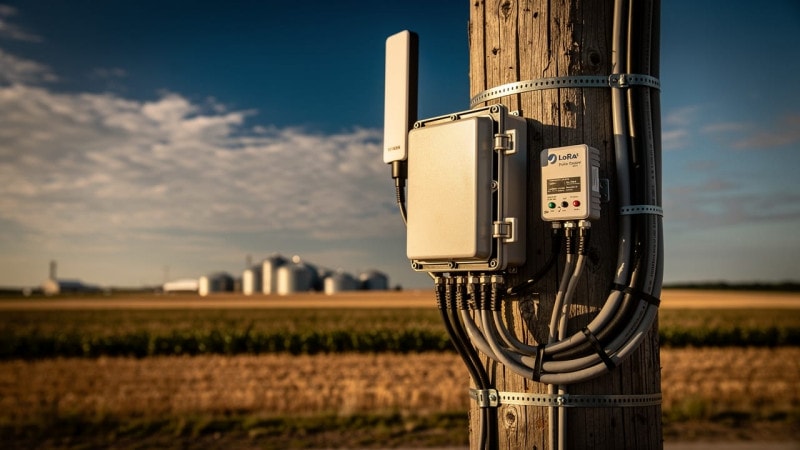
Accurate sensors are the first step. The second step is moving that data from a pole in the field to the person making choices. On-farm weather station technology depends on steady, dependable connectivity so the data is there when decisions need to be made.
Common options include:
-
Cellular (4G or 5G): Many Canadian farms sit within tower range. The station sends data through a modem to a cloud platform, where it appears in a browser or mobile app in near real time. This option is simple to deploy and suits most single-station setups.
-
Wi‑Fi: Works well when the station is close to the yard, shop, or a strong outdoor access point. It avoids monthly data fees but has limited range, so it seldom fits stations placed deep in remote quarters.
-
Low-power radio (LoRaWAN and similar): For large operations, low-power radio systems can tie many stations and sensors across thousands of acres back to one gateway. That gateway then uses a single cellular or wired internet link to share data, which keeps operating costs down.
-
Satellite: In remote Prairie or northern sites where no tower is available, satellite fills the gap. It brings higher hardware and data costs, and some delay, but it removes the risk of missing key events due to poor coverage.
Software completes the picture. Web dashboards and mobile apps show live readings, trends, and history in simple charts. Operators can set alerts for frost risk, spray wind limits, or rainfall totals that should pause irrigation. Many platforms link directly with farm management tools, irrigation controllers, or PLC-based systems so that actions follow data with little delay. When a connectivity drop happens during a frost night or windy spray window, risk goes up fast, which is why careful design of this part of the system matters.
Professional Installation And Power Infrastructure As The Foundation Your Weather Station Depends On
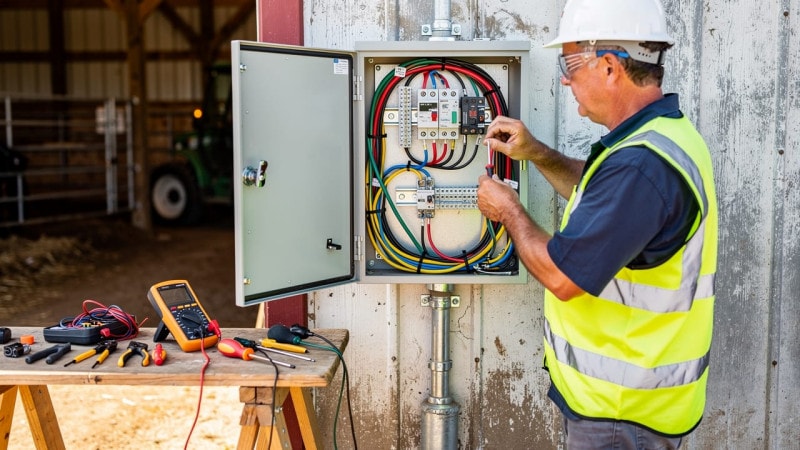
A high-end set of sensors is only as good as the electrical work behind it. If power is weak, grounding is poor, or cables are exposed, on-farm weather station technology can fail at the exact moment it is needed most. That is why many Canadian operators work with specialist firms like Cove Electrical instead of treating the station as a simple DIY project.
As more than one electrical inspector has said, “Most monitoring systems fail for the same reasons other equipment fails: poor power and poor protection.”
Correct siting comes first. The mast should stand in an open area, away from buildings, trees, bins, and equipment that create windbreaks, shade, or heat reflection. Installers follow World Meteorological Organization guidelines for heights and clearances so temperature, wind, and solar readings reflect true field conditions. The mast needs a solid base, often in concrete, with guy wires where needed and all hardware sized for Prairie wind and snow loads.
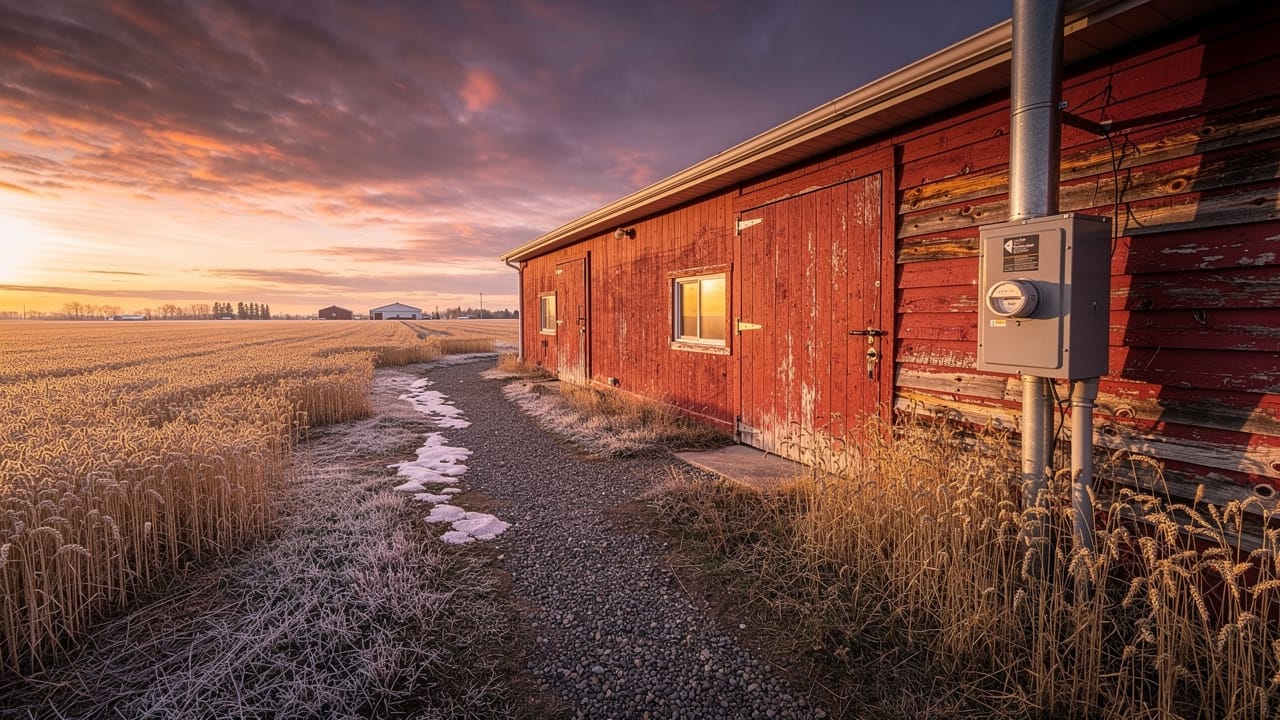
Most remote stations run on a solar panel and rechargeable battery. Getting that power system right is not guesswork. The installer must match panel and battery size to the station’s load and to winter daylight at that latitude. Panel tilt and direction need careful setup so snow clears and the panel sees as much low winter sun as possible. For stations close to buildings, trenching armoured cable from the main electrical system can make sense, but it must meet Canadian Electrical Code rules for burial depth, conduit, and protection.
Lightning and surges are serious threats. A station mast in an open field is an inviting strike point. Proper grounding with driven rods gives lightning energy a safe path into the soil instead of through electronics. Surge protection devices on both power and data lines cut down damage from nearby strikes or grid problems.
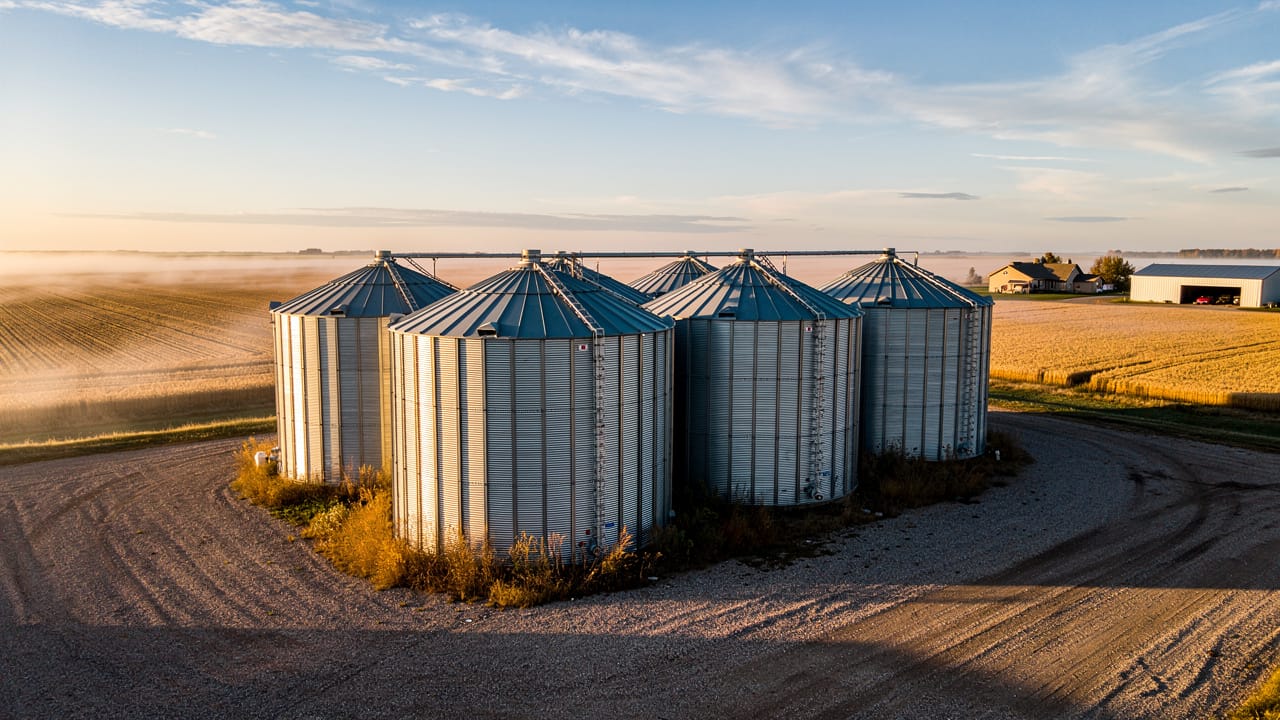
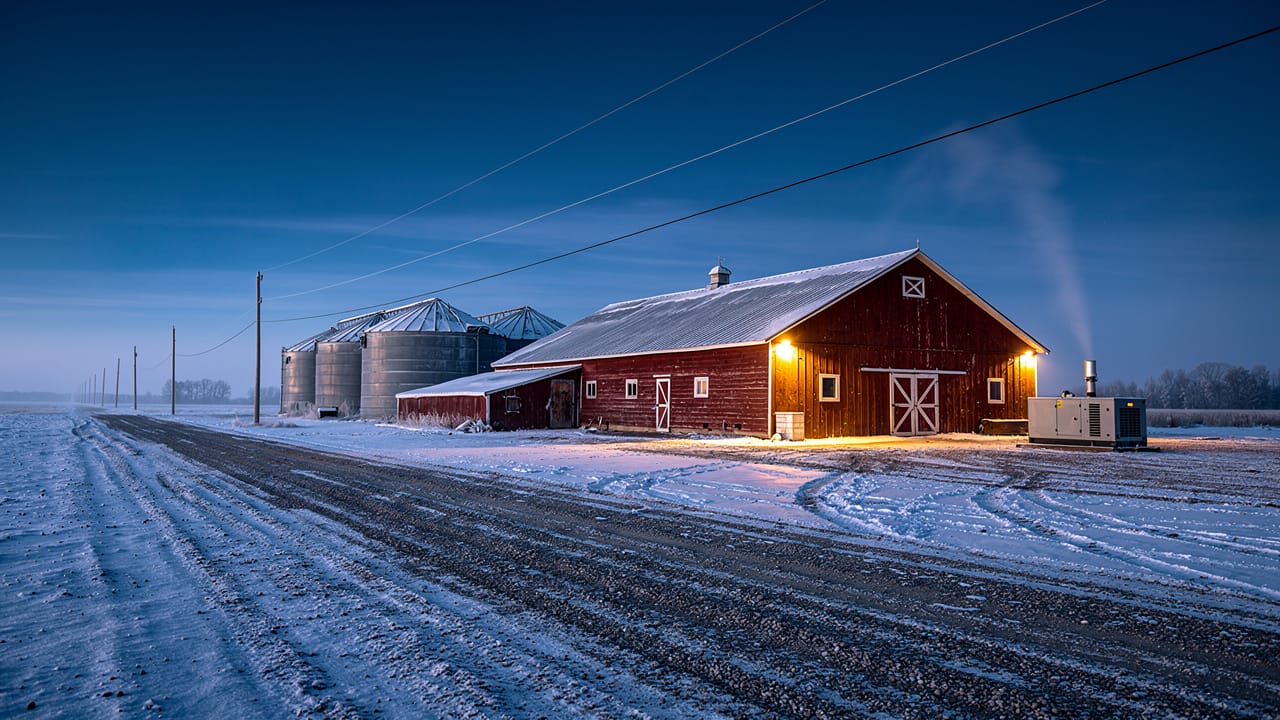
For stations tied into critical controls such as irrigation pumps, barn ventilation, or grain systems, backup power is part of the design. Cove Electrical often connects these loads to standby generators through Automatic Transfer Switches and adds UPS units to keep PLCs, network hardware, and weather gateways running during the changeover. They use NEMA 4X enclosures, corrosion-resistant fittings, and conduit rated for damp or corrosive barn air. All work follows Canadian Electrical Code requirements for agricultural and hazardous areas, which gives operators a system that stands up to dust, moisture, manure gases, and long-hour use.
Cove Electrical also supplies and installs professional-grade weather station systems from leading manufacturers, tying the sensors, power, connectivity, and backup power into one reliable package. For operations that cannot accept downtime, that level of planning and installation is not a luxury; it is standard practice.
Conclusion
On-farm weather station technology turns weather from a guess into a clear set of numbers that match real conditions on the farm. With the right sensors, operators can manage water, protect high-value crops, time inputs, and spot risks like frost or disease before damage appears.
The long-term value of that data depends on solid electrical and communication work. Poor siting, weak power, or lack of grounding can turn a promising system into an unreliable gadget that fails when storms or outages roll through. Professional installation from a qualified contractor is the line between a trusted data asset and a headache.
Cove Electrical focuses on farms and operations that depend on constant power and accurate information. Their team can assess a site, design the right mix of sensors, power, grounding, connectivity, and backup systems, and install everything to code. For operators in Alberta and across Canada who treat uptime as non‑negotiable, that kind of support turns on-farm weather station technology into a steady part of daily operations.
FAQs
What is the best power source for a remote on-farm weather station in Canada?
The standard choice is a solar panel paired with a correctly sized rechargeable battery. The design must match the total power draw of the sensors and modem, plus shorter winter days and cold temperatures. For stations that feed critical automation, tying into a generator-backed circuit adds another layer of security, best planned by a professional electrician.
How do I protect my weather station from lightning and electrical surges?
Protection starts with proper grounding of the mast using one or more driven ground rods. Surge protection devices on both the power feed and data lines reduce damage from nearby lightning and grid issues. Because farm sites face special hazards, this grounding and surge work should be done by a licensed electrician who understands rural and agricultural conditions.
How do I choose the right connectivity option for my farm’s weather station?
Cellular service is usually the first choice where coverage is strong, giving straightforward, real-time access to data. Large farms with many sensors or weak cell service often use LoRa radio links back to a single gateway. Remote locations may rely on satellite instead. Checking coverage maps and talking with an installer like Cove Electrical helps match connectivity to farm layout so data remains continuous and reliable.