A single mistimed rain or frost can turn a good year into a tight one. Many operators still lean on a general forecast and a gut feeling, even though the cost of a wrong call keeps rising. That is where precision weather data for farmers changes the game, turning guesswork into clear numbers that guide each move in the field.
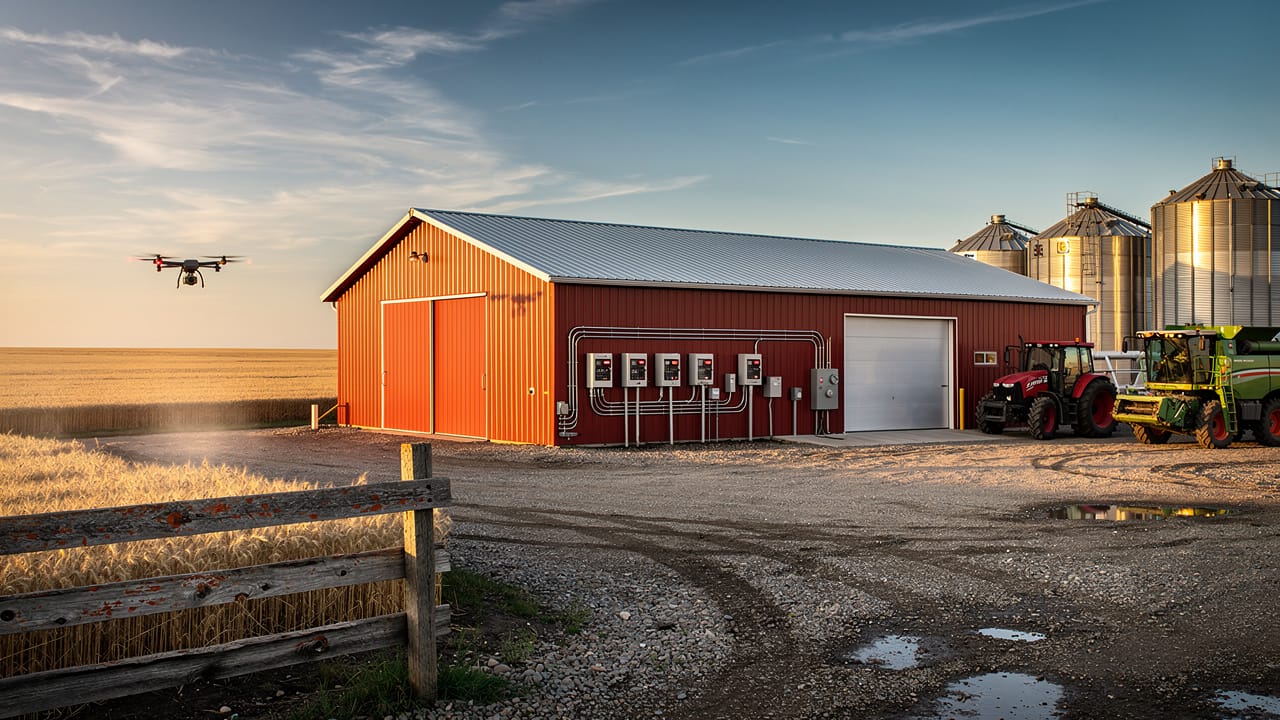
Weather now touches every part of a Canadian farm operation, from irrigation pumps and grain fans to ventilation for livestock. Heat waves, smoky skies, and pop-up storms often don’t match what the nearest airport reports. For a farm that runs like a small industrial site, with tight labour windows and heavy power loads, relying on distant data is like running equipment without gauges. Precision weather data for farmers brings those gauges right to the yard.
At the same time, climate patterns are less stable, and old rules of thumb do not always hold. To protect yield, power systems, and cash flow, operators need local, real-time information tied into solid electrical and control systems. This article walks through why precision weather data for farmers is now an operational basic, which weather variables matter most, how technology and automation put that data to work, and how Cove Electrical builds the electrical backbone that keeps everything running when the weather turns.
As many agronomists like to say, “You can’t manage what you don’t measure, and weather is near the top of that list.”
Key Takeaways
-
Precision weather data for farmers shifts operations from reacting after damage to acting before it happens. With local measurements in hand, it becomes much easier to move irrigation, fans, and equipment ahead of a frost, heat wave, or storm. That change cuts stress and protects both crops and infrastructure.
-
Tracking temperature, rain, humidity, wind, and solar radiation gives a clear picture of what fields and barns are facing. When these numbers guide day-to-day choices, inputs like fuel, water, and crop protection products go farther. Less waste and fewer surprises add up to stronger margins.
-
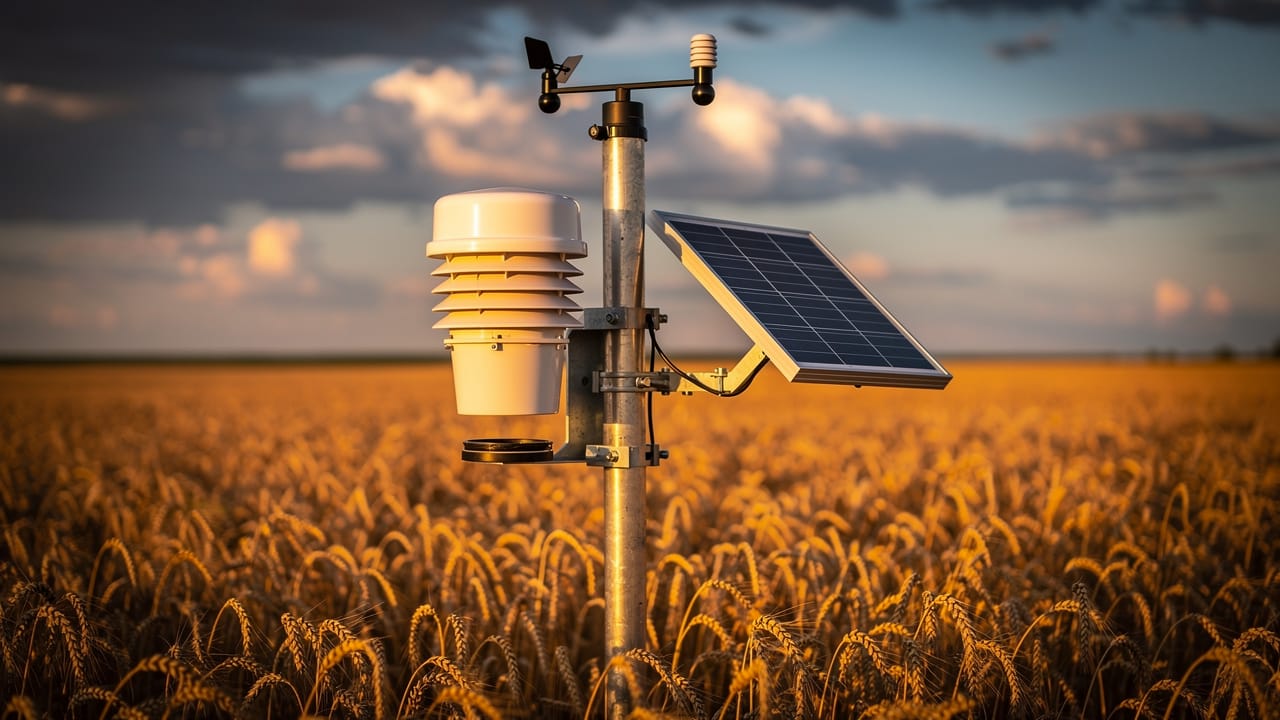
On-farm weather stations give readings for the exact field or yard instead of an airport many kilometres away. That means the data matches what operators see on the ground, even when a storm splits and only hits half the farm. Better alignment between numbers and reality leads to better calls.
-
When weather data feeds irrigation controls, grain drying, and other automation, systems can respond quickly and in a repeatable way. Pumps and fans can start or stop based on real conditions rather than manual checks. This improves consistency, saves labour, and cuts the risk of human error.
-
Cove Electrical, through its True Ag Automation Division and Cloud7 Weather systems, supplies and installs professional-grade stations and automation that turn precision weather data for farmers into clear action. Backed by code-compliant electrical work and backup power, these systems keep watching the sky even when the grid goes down.
Why Precision Weather Data for Farmers Is An Operational Priority
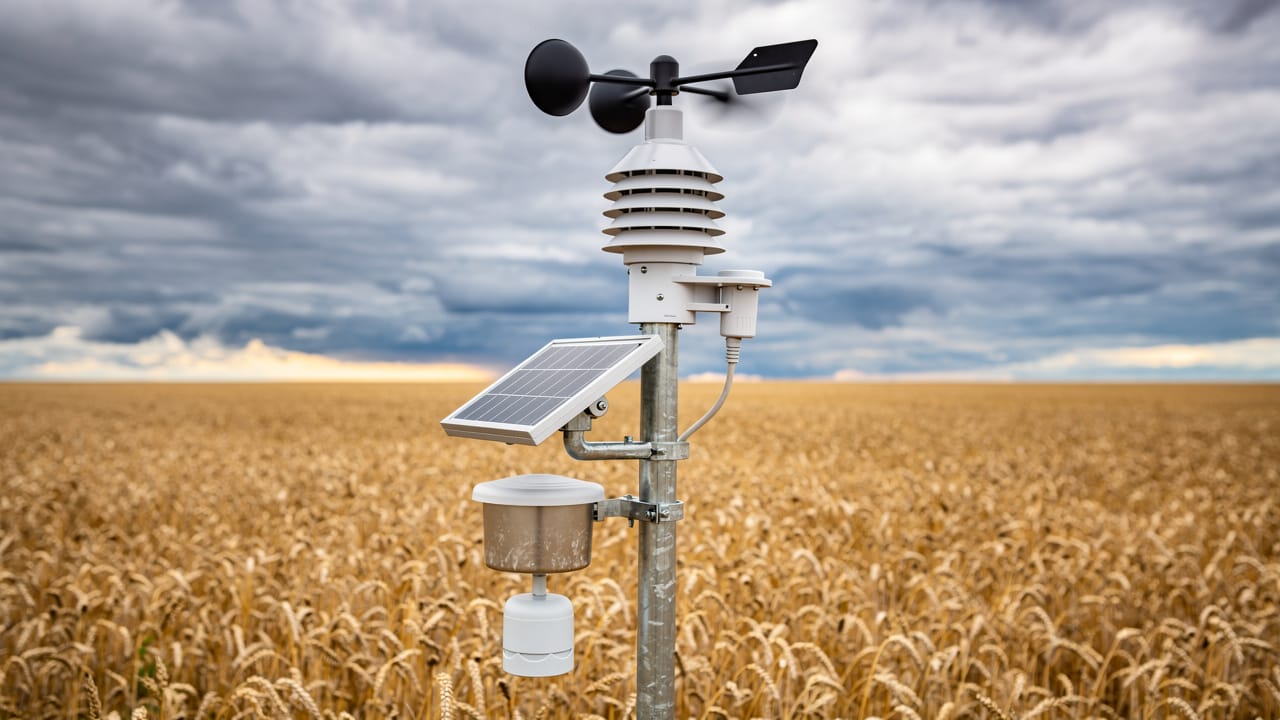
Modern farms work much like small plants or mills. Every pass with a sprayer, every hour a pivot runs, and every fan in a livestock barn has a direct cost and a clear tie to weather. When a manager uses precision weather data for farmers, those choices shift from educated guesses to measured, repeatable decisions.
Unstable weather already costs farmers large sums each year. Drought, heat stress, heavy rain, frost, wildfire smoke, and strong wind events all chew into yield and quality. One study pegged heat stress losses in the dairy sector at around 1.2 billion US dollars a year, which shows the scale of what unstable conditions can do. Without precision weather data for farmers, these hits arrive with little warning, and operators are left scrambling.
For many farms, a single avoided frost event or better-timed irrigation cycle can cover a big share of the cost of monitoring gear and automation.
Regional forecasts help with big-picture planning, but they miss field-level detail. A farm near central Alberta can see a thunderstorm hit one set of quarters while the official station 30 kilometres away reports light rain and mild wind. If irrigation, spraying, or harvest timing is based only on that distant report, the result can be overwatering, lost spray, or lodged crops. Hyper-local readings from precision weather data for farmers close that gap.
The shift from reacting to problems to staying ahead of them depends on data that is current, accurate, and tied to the exact ground under the crop. Planting windows, irrigation shifts, spray timing, grain drying runs, and livestock ventilation all link back to it. When operators make multi-thousand-dollar calls without that information, they accept more risk than many industrial sites would tolerate.
Key Weather Variables That Drive Smarter Farm Decisions
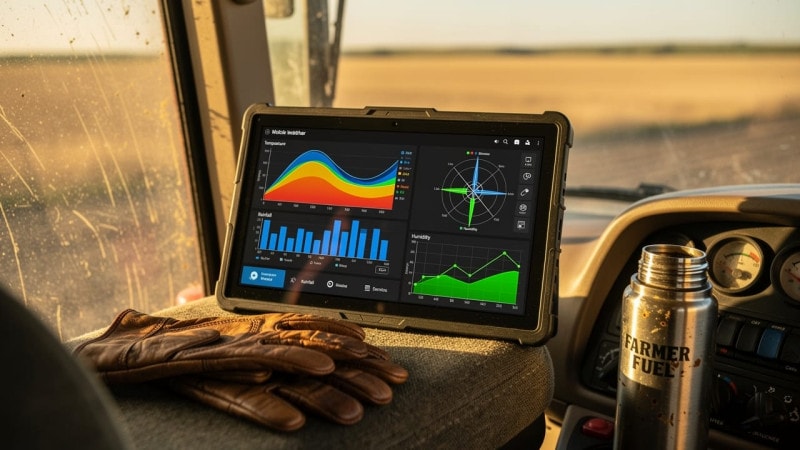
Not all weather numbers matter equally. The real value of precision weather data for farmers comes from tracking the specific metrics that change crop growth, soil conditions, and equipment performance. When each of these is visible in real time, decision-making becomes far more focused.
-
Temperature drives seed germination, plant growth speed, and stress during flowering and filling. Accurate readings, day and night, help operators avoid planting into cold soils or missing a heat wave that could hurt pollination. Temperature also feeds Growing Degree Day (GDD) counts, which give a far better idea of crop stage than calendar dates alone.
-
Precipitation affects both water supply and field access. Knowing exactly how many millimetres fell on a given field guides whether to irrigate, wait, or stay off the land to avoid compaction. It also flags risks such as erosion and nutrient loss when heavy rain lines up with recent fertilizer work.
-
Humidity ties closely to disease risk and crop dry-down. High humidity supports fungal issues like mildew and blight, which raises the need for timely fungicide passes. When precision weather data for farmers tracks humidity, operators can time these passes before an outbreak rather than after damage shows.
-
Wind speed and direction shape spray safety, moisture loss, and even pollination in some crops. Strong winds can flatten plants and move spray off target, while light breezes can help air flow through dense canopies. Local wind readings are far more reliable than guessing based on a regional report.
-
Solar radiation supplies the energy for photosynthesis and also affects evapotranspiration, the water crops pull from soil. Sunny, windy days on the Prairies dry soils far faster than cloudy, calm days at the same temperature. Including solar radiation inside precision weather data for farmers gives irrigation models the accuracy they need.
These variables never act alone. A hot, dry, windy afternoon has a very different impact than the same temperature on a calm, damp morning. Field-level monitoring brings these pieces together so operators see the real stress their crops face, not an average from somewhere else.
How Technology Puts Precision Weather Data To Work On The Farm
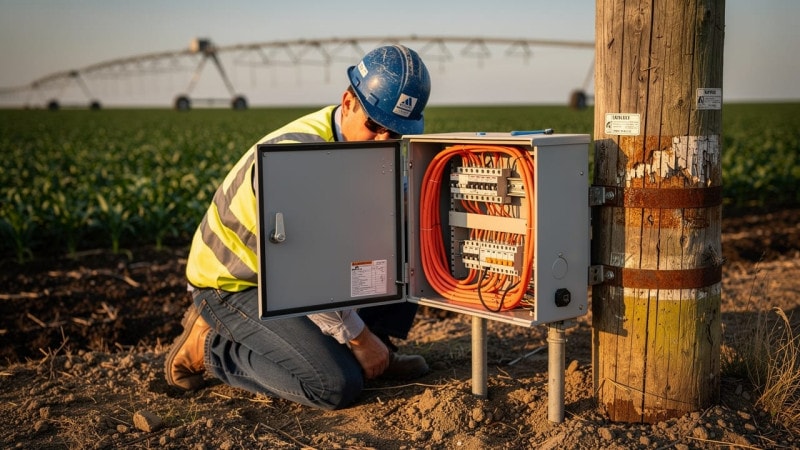
Technology now makes it practical to gather and use precision weather data for farmers every minute of the day. The key is pairing the right hardware, software, and electrical work so the system stays accurate, safe, and reliable in tough farm conditions.
-
Cove Electrical’s True Ag Automation Division uses Cloud7 Weather systems to bring professional-grade stations to Prairie farms. These units rely on LTE-M and NB-IoT networks, so they send field data to an app even in many rural areas where coverage is thin. When paired with Cove Electrical’s PLC-based control and IoT integration, that data can drive irrigation pumps, grain drying fans, and remote alarms without the operator needing to be on site.
-
On-farm weather stations in general give readings from the exact yard or field, rather than a distant airport or city centre. They track temperature, humidity, rainfall, wind, and solar radiation right where crops and animals live. To stay accurate, they need solid mounting, proper siting away from obstructions, and regular checks, all of which fit well inside Cove Electrical’s professional installation service.
-
Weather forecasting apps and farm-focused decision tools turn complex models into simple alerts and charts. They can warn of frost, hail, or strong winds and give short- and long-range views that help shape both daily jobs and seasonal plans. When these tools use data from precision weather data for farmers, their advice lines up better with real field conditions.
-
Satellite imagery and remote sensing add a top-down view of crop health and soil moisture. They help operators see patterns such as dry hilltops, wet low spots, or areas with stressed plants that match what field sensors report. This combination works well for large farms that manage spread-out quarters.
-
Integrated farm management platforms bring real-time field data, job lists, and mapping together in one place. With strong electrical and control design, these platforms can start and stop irrigation based on evapotranspiration, shift grain fans when humidity drops, and flag problems before they hurt yield. Cove Electrical designs systems so precision weather data for farmers feeds directly into these control points without unsafe workarounds.
A common saying among automation technicians is, “If you can measure it, you can control it.” Weather stations and controls follow that same rule on the farm.
Under all this technology sits the electrical backbone. Weather stations, radios, PLCs, and pumps all need stable power, proper grounding, and protection from dust, moisture, and corrosive air. Cove Electrical focuses on farms, industrial sites, and oil and gas operations that cannot afford downtime, so each build follows the Canadian Electrical Code, uses suitable enclosures, and plans for growth.
Choosing The Right Weather Monitoring Setup For Your Operation
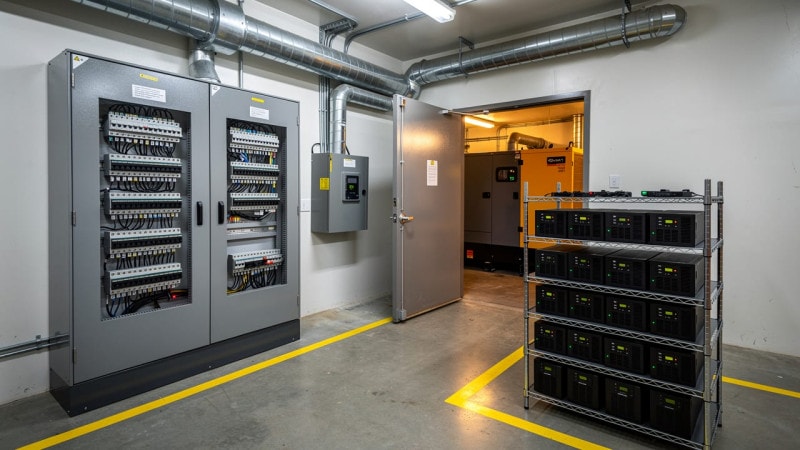
The right level of monitoring depends on the size of the farm, the value at risk, and the current electrical setup. A smaller grain or mixed operation may gain the most from a single, well-placed station tied to automated irrigation or grain fans, with precision weather data for farmers driving simple, clear actions.
Larger or multi-site farms often need several stations plus a shared platform that blends readings with maps and job planning. In every case, the monitoring system is only as strong as the power and control gear behind it. Cove Electrical reviews existing panels, wiring, and backup power, then designs a code-compliant, long-life setup so precision weather data for farmers stays online during the worst storms, not just on calm days.
Turning Weather Data Into Smarter Crop Management Decisions
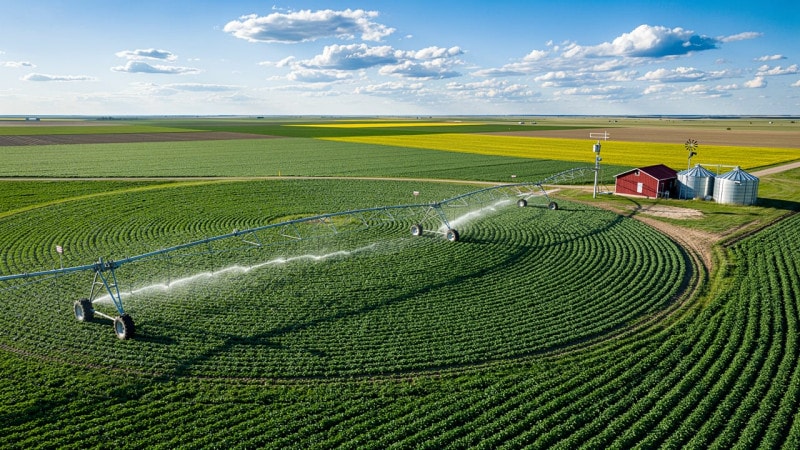
Collecting numbers is only useful when they guide day-to-day choices. The real strength of precision weather data for farmers shows up when it shapes planting, watering, spraying, and harvest in clear, repeatable ways.
-
Planting and harvest windows become more accurate when seasonal outlooks, local temperatures, and Growing Degree Days are tracked together. Operators can pick hybrids or varieties that match likely heat and moisture patterns, then plan to harvest during a dry stretch instead of rushing to beat unknown weather. This reduces drying costs and harvest losses.
-
Precision irrigation gets a major boost from real-time field measurements. By feeding temperature, humidity, rain, wind, and solar data into models such as the FAO-56 method, operators can water only when crops truly need it. That protects yield, saves water and power, and avoids issues like root disease from overwatering.
-
Spray timing improves when wind and humidity readings come from the actual field. With precision weather data for farmers, operators can avoid spraying into gusts that push product off target or into damp air that slows drying. Better timing means fewer repeats, lower product use, and less drift risk.
-
Disease and pest management becomes more proactive when trends are visible. Extended high humidity and certain temperature bands often signal when fungal disease is likely to take off. By watching these patterns, operators can treat early, keep more leaf area green, and avoid yield loss.
-
Historical weather records build a local file that is far stronger than memory alone. Comparing several seasons of weather and yield helps reveal shifts in frost dates, heat waves, and pest pressure. This supports long-term changes in crop mix, planting dates, and even infrastructure, such as where to invest in more irrigation or drainage.
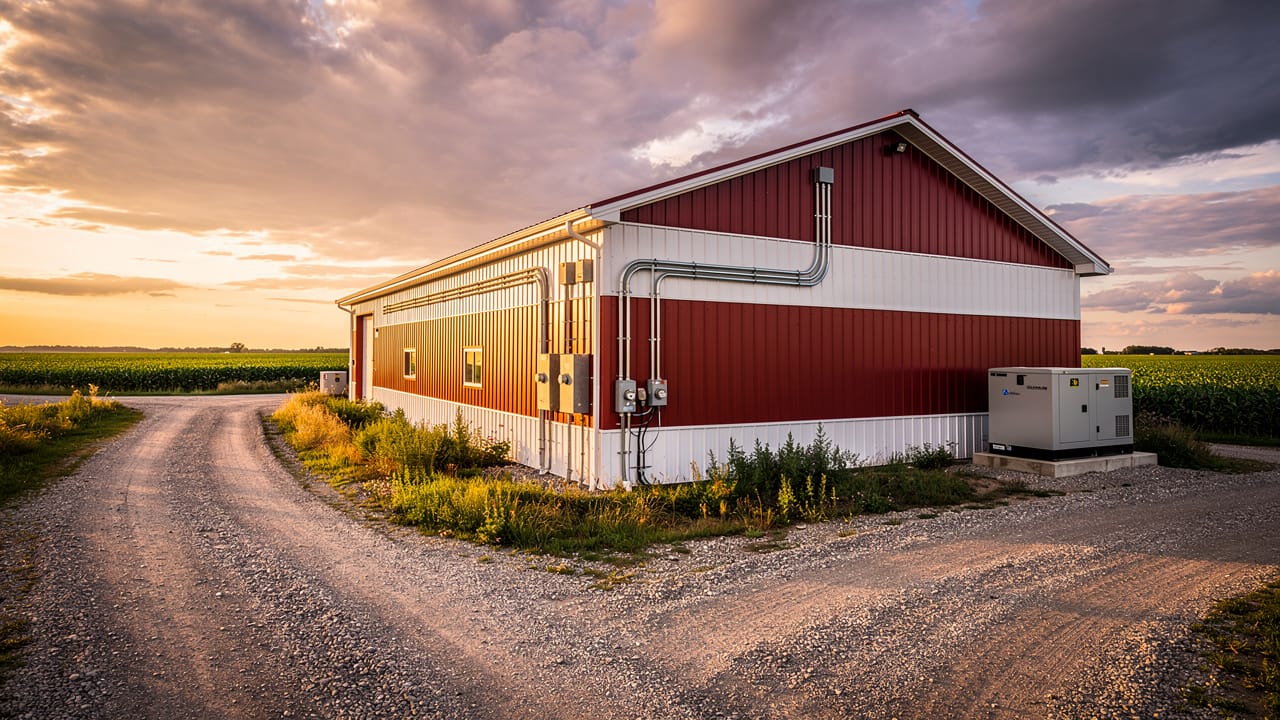
All of this depends on one more piece that is easy to overlook. Weather stations, pumps, PLCs, and radios must keep running when storms hit. Rural Alberta often sees grid outages just when data and automation are most important. Cove Electrical designs multi-layered backup power with standby generators, automatic transfer switches, and UPS units that hold up the control brains. That way, precision weather data for farmers and the systems that act on it keep working during the very events they are meant to manage.
Conclusion
For operations that live or die by uptime, precision weather data for farmers is not a gadget; it is a core input like fuel or seed. The farms that stay ahead are the ones that measure their own conditions and act before weather turns from a concern into a loss. Relying only on distant forecasts leaves too much to chance.
The real value of precision weather data for farmers depends on the strength of the full chain that gathers, moves, and uses it. Weather stations need solid mounting and power, radios need coverage, and PLCs and pumps need safe, steady electricity. Cove Electrical brings these pieces together through its True Ag Automation Division, Cloud7 Weather installations, PLC automation, and layered backup power.
If the goal is a farm that keeps running and making smart choices while storms roll through, now is the time to review the electrical and monitoring setup. Contact Cove Electrical to assess current systems and design a precision-ready farm that treats weather data as seriously as any other part of the operation.
FAQs
What Is Precision Weather Data, And Why Does It Matter For Farmers?
Precision weather data is real-time, local information gathered at or near the field instead of at a distant station. It covers key numbers like temperature, rain, wind, humidity, and solar energy where crops and animals actually live. With precision weather data for farmers, every call on irrigation, spraying, and harvest timing lines up better with real conditions.
How Do On-Farm Weather Stations Differ From Standard Weather Apps?
Most weather apps pull data from regional or national networks that can be many kilometres away from the farm. An on-farm station records what is happening in the yard or field, so its readings match what operators see with their own eyes. Cove Electrical’s True Ag Automation Division supplies, installs, and maintains these stations so data stays accurate and the system lasts.
What Role Does Electrical Infrastructure Play In A Precision Weather Monitoring System?
Every part of a monitoring and automation setup depends on stable power and proper protection. Weather stations, IoT sensors, PLCs, and irrigation controls must run through storms, dust, and cold without nuisance trips or failures. In rural Alberta, that means well-designed farm wiring backed by generators with automatic transfer switches and UPS units, all of which Cove Electrical engineers to meet the Canadian Electrical Code and long-term farm needs.