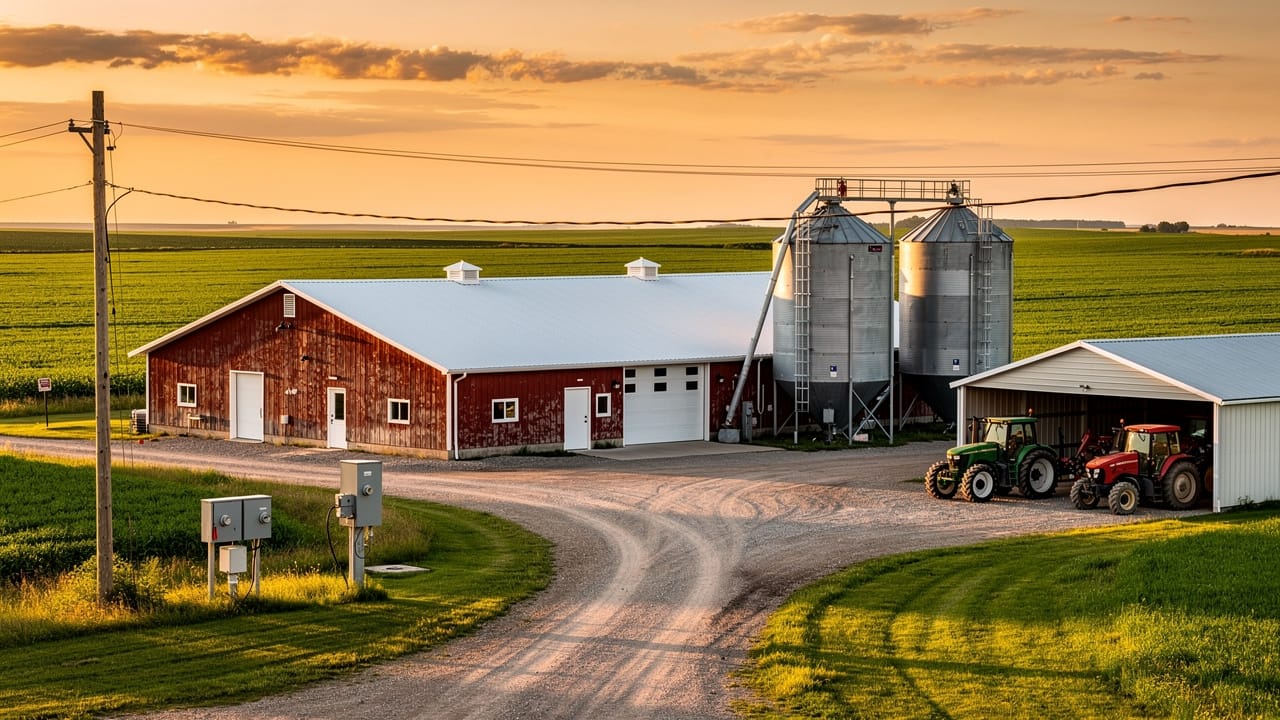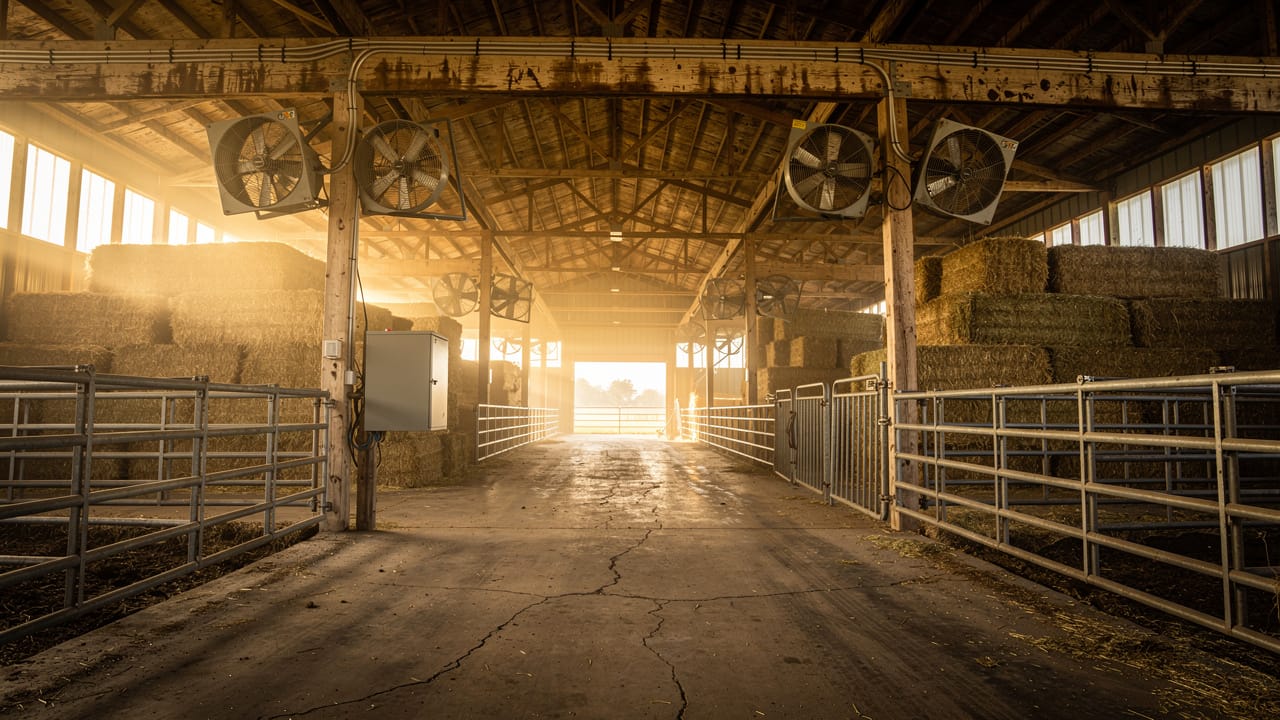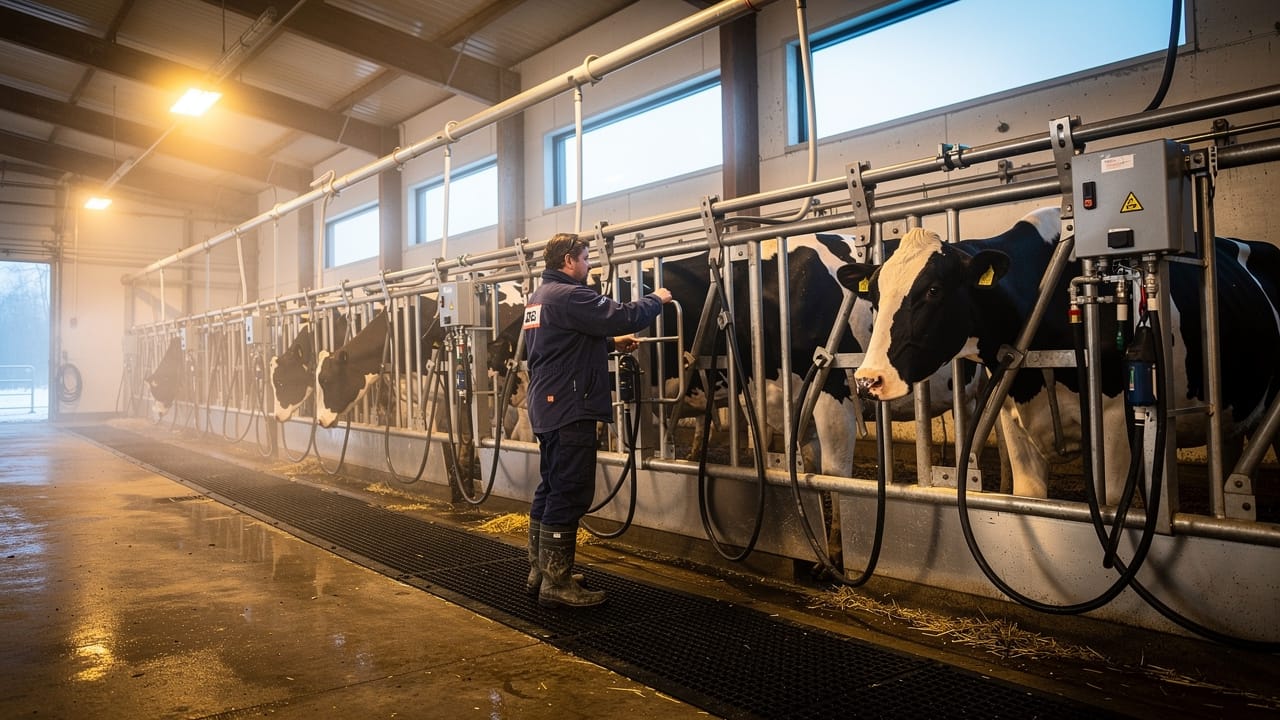
A full bin looks like security, yet every farmer knows it also holds a quiet risk. One hidden hotspot or wet pocket can heat up, spread, and wipe out a season of work. That is why more Western Canadian operations are turning to real-time grain condition monitoring to protect what is sitting in storage instead of just hoping for the best.
Manual bin checks worked when bins were smaller and margins were wider. Climbing ladders, lowering a probe, and trusting a few readings is slow, hard on the body, and easy to put off during seeding or harvest. Worse, by the time a problem is big enough to smell or see, it has often already eaten into profit that will never come back. Real-time grain condition monitoring replaces that guesswork with steady eyes inside the bin.
Put simply, real-time grain condition monitoring is a sensor-based system that keeps watch on temperature, moisture, and even carbon dioxide inside every bin and feeds that data to a phone, tablet, or office computer. That turns storage from a once-in-a-while check into a steady stream of information and early warnings. In this article, you will see how these systems work, why they matter so much in Western Canada, and how Cove Electrical designs the electrical backbone that keeps them safe, reliable, and ready when it counts.
As many grain storage specialists like to say, “You cannot manage what you never measure.”
Key Takeaways
Real-time grain condition monitoring can feel complex, but a few key points make the value clear right away.
-
Real-time grain condition monitoring tracks temperature, moisture, and CO2 every hour of every day. This steady flow of data spots small changes long before they turn into full spoilage. Early action protects grain quality and keeps more money in the bin.
-
Manual checking covers only a tiny part of a large bin and often happens too late. It also forces people into dangerous spaces with dust, bad air, and moving grain. Automated systems cut most routine bin entry and sharply reduce safety risk.
-
A dependable monitoring setup relies on solid electrical work, backup power, and proper hazardous location design. Cove Electrical provides end‑to‑end electrical and automation services so real-time grain condition monitoring runs safely and stays online across Western Canadian farm sites.
What Is Real-Time Grain Condition Monitoring and Why Does It Matter?
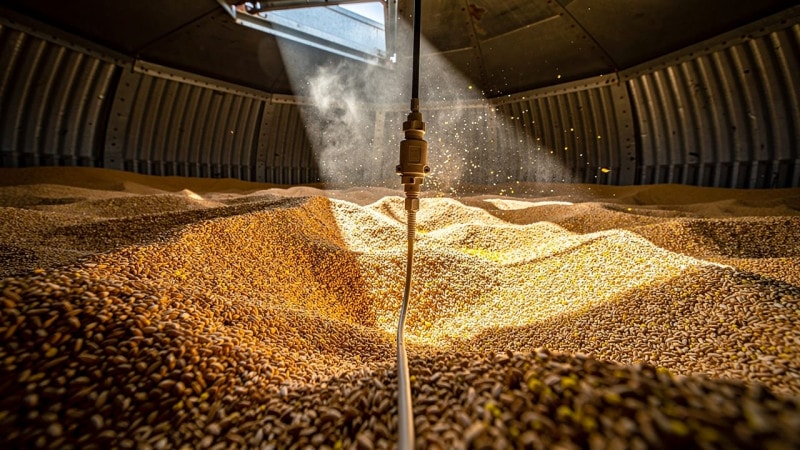
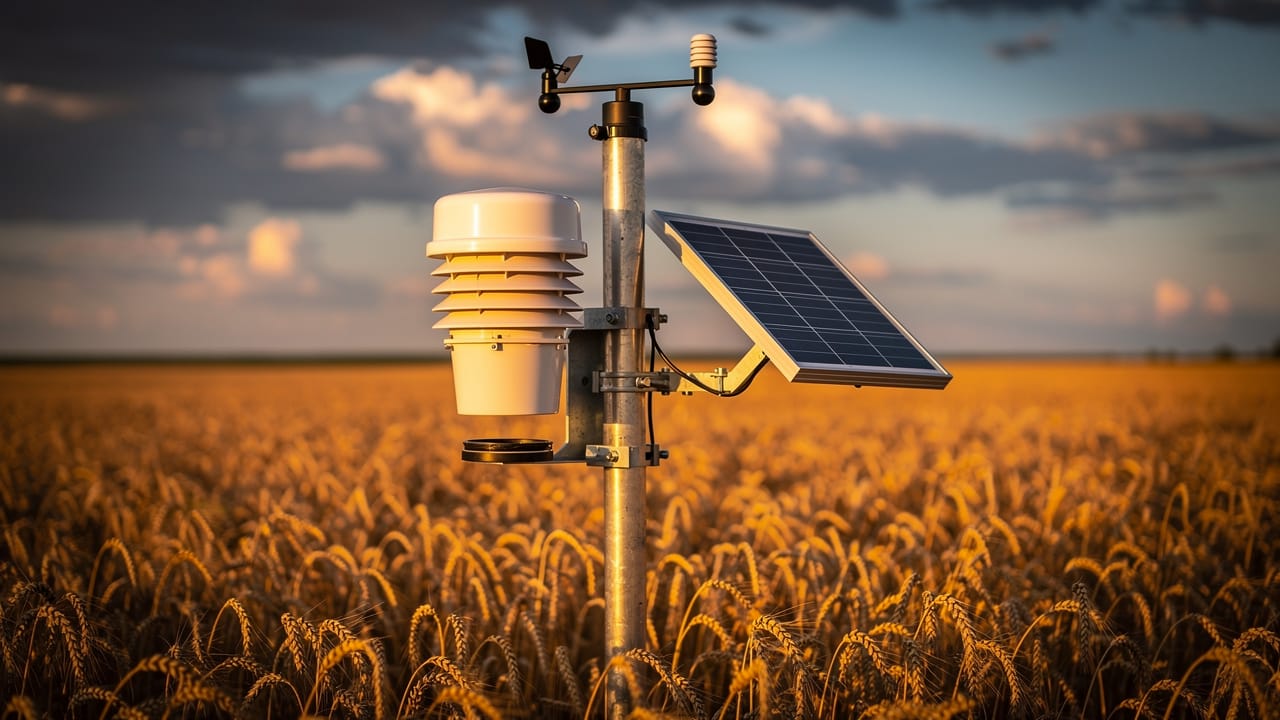
Real-time grain condition monitoring is an automated system that uses sensors inside bins to watch grain health all the time. Temperature, moisture, and CO2 readings travel from the bin to a gateway on site, then up to a secure cloud platform. From there, you can see the status of every bin on a phone, tablet, or office computer without climbing a ladder or opening a hatch.
Temperature is the first building block of real-time grain condition monitoring. Heavy-duty temperature cables hang from the roof to the floor of the bin, with sensors set at different heights. Together they create a three‑dimensional picture of the grain mass. A slow climb in temperature in one area often means mould, insects, or tight spots starting to heat up. Catching that rise early lets you move air or grain before damage spreads.
Moisture content is just as important. In-grain moisture sensors give continuous readings of the grain itself, not just the air. A little extra moisture can shorten safe storage time and invite mould, especially when outside weather swings from warm to cold. With real-time grain condition monitoring, you can decide when to run fans based on hard numbers instead of guesswork, avoiding both wet grain penalties and costly over‑drying.
CO2 takes monitoring one step further. As insects and mould grow, they release carbon dioxide long before temperature changes become obvious. Sensors in the headspace or in the grain mass pick up this rise quickly. That makes CO2 the earliest warning sign inside a bin and a key reason real-time grain condition monitoring is far more effective than any manual check.
In Western Canada, the stakes are even higher. Remote yard sites, harsh winter cold, warm falls, and freeze‑thaw cycles push moisture around inside bins. Real-time grain condition monitoring tracks thousands of data points across these swings, turning random checks into clear trends that guide when to cool, dry, or move grain.
The Hidden Risks of Manual Monitoring and Bin Entry
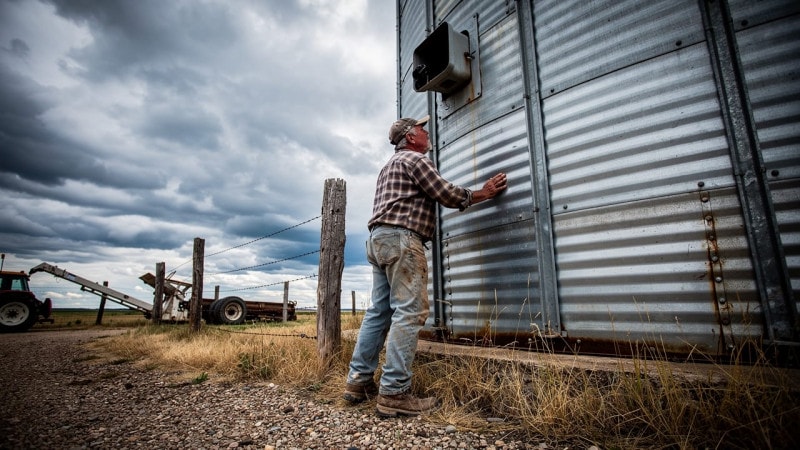
Manual checking feels simple, but it leaves big blind spots. A handheld probe or temperature stick only reaches a few small spots near the top of the bin. Problems that start deep in the core or near the floor can grow for weeks without showing up in those samples. Real-time grain condition monitoring fills in those gaps with constant readings from top to bottom.
Time and labour are another issue. Walking to every bin, climbing ladders, opening lids, and logging readings takes hours in a week. During planting or harvest, those hours simply are not available, so checks get skipped right when grain is going into storage warm and at higher moisture. Real-time grain condition monitoring keeps working even when crew members are tied up in the field.
The biggest risk with old-style checks is safety. Every trip into or onto a bin is a chance for something to go badly wrong. Flowing grain can pull a person under in seconds. Crusted layers can break without warning, and a person standing on that crust can drop straight into moving grain. Spoiling grain can also create low oxygen and toxic gases that are not obvious until it is too late.
Fine grain dust adds even more danger. It hangs in the air, settles on equipment, and can ignite if a spark or hot motor is nearby. Limiting bin entry is one of the simplest ways to reduce that risk. Real-time grain condition monitoring sharply cuts the need to climb, probe, or walk on grain, so crews spend far less time in dangerous spaces and you lower both injury and liability risk.
“No load of grain is worth a life,” is a common reminder in farm safety training, and modern monitoring systems make it easier to live by that rule.
Core Components of a Reliable Grain Monitoring System
Behind every real-time grain condition monitoring setup is a mix of sensors, communication gear, and software that all need to work together. The quality of each piece, and how they tie into your electrical system, decides how much you can trust the data on your screen.
At the grain level, the system starts with sensors and cables:
-
Temperature cables with multiple sensing points hang through the grain and build that full thermal profile from roof to floor.
-
Moisture sensors read the actual grain moisture so aeration decisions are based on facts, not guesses about air humidity.
-
CO2 sensors sit in the headspace or within the grain to catch the earliest signs of biological activity.
For many Western Canadian yards, Cove Electrical integrates wireless monitoring hardware to avoid long cable runs and disruptive bin entry. Wireless systems from providers such as Adaptive Agriculture are one option that makes it easier to retrofit existing bins while still pulling accurate readings from inside the grain mass.
The next piece is data transmission. Sensors feed their readings to a local gateway or control panel mounted near the bins. That gateway then sends the data over cellular, Wi‑Fi, or wired internet to a cloud platform. Because real-time grain condition monitoring depends on steady data flow, that gateway should sit on a clean, dedicated electrical circuit so heavy loads like dryers, augers, or compressors do not cause resets or gaps in readings.
On the software side, a web dashboard or mobile app presents the information in a clear way. You see colour‑coded graphs, current values, and historical trends for each bin. You can set custom alarm points so that if temperature, moisture, or CO2 step outside safe limits, the system sends a text or email within minutes. This is where real-time grain condition monitoring turns into real action, giving you time to run fans, move grain, or call for help.
Many modern setups also tie directly into aeration controls. Instead of running fans on a fixed schedule, the monitoring system starts and stops them based on grain conditions and even outside weather data. This style of fan control cuts power use and avoids both over‑drying and under‑aeration. To do this safely, fan motors must be wired through proper starters or drives that the control system can command, which is where professional electrical work from Cove Electrical matters.
Why Electrical Infrastructure Is the Foundation of a Reliable System
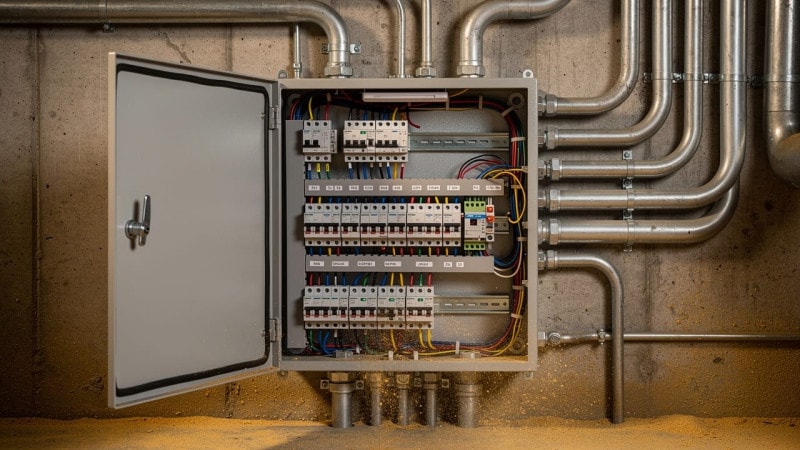
Real-time grain condition monitoring is only as dependable as the power that feeds it. If circuits are shared with large motors, if wiring is undersized, or if dust-rated enclosures are skipped, the best monitoring hardware will give faults, frozen readings, or shut down when it is needed most. A strong electrical base is what turns good technology into a dependable tool.
Stable, dedicated power is the first layer. Sensors, gateways, PLC panels, and variable frequency drives for fans all need clean power that is free from spikes and electrical noise. Cove Electrical designs grain sites so monitoring gear and control panels sit on their own circuits, with surge protection, line reactors, and harmonic filters where needed. This approach keeps sensitive devices working smoothly even while large grain dryers and augers start and stop nearby.
Hazardous location requirements add another layer. Grain handling areas often fall under Class II dust rules in the Canadian Electrical Code because of combustible dust. That means all conduit, junction boxes, and enclosures must be chosen and installed to keep dust away from contacts and hot surfaces. Cove Electrical uses NEMA 4X and other dust‑tight enclosures, rigid PVC or metal conduit, and proper sealing methods. Skipping these details can turn a small wiring job into a serious ignition risk inside a bin area.
Integration with Motor Control Centres (MCCs) is just as important. For real-time grain condition monitoring to run fans automatically, the control outputs need to tie into starters, overload protection, and drives in a safe way. Cove Electrical builds and programs MCC and PLC panels so fan motors, conveyors, and related gear are clearly labelled, easy to service, and ready for expansion as your yard grows.
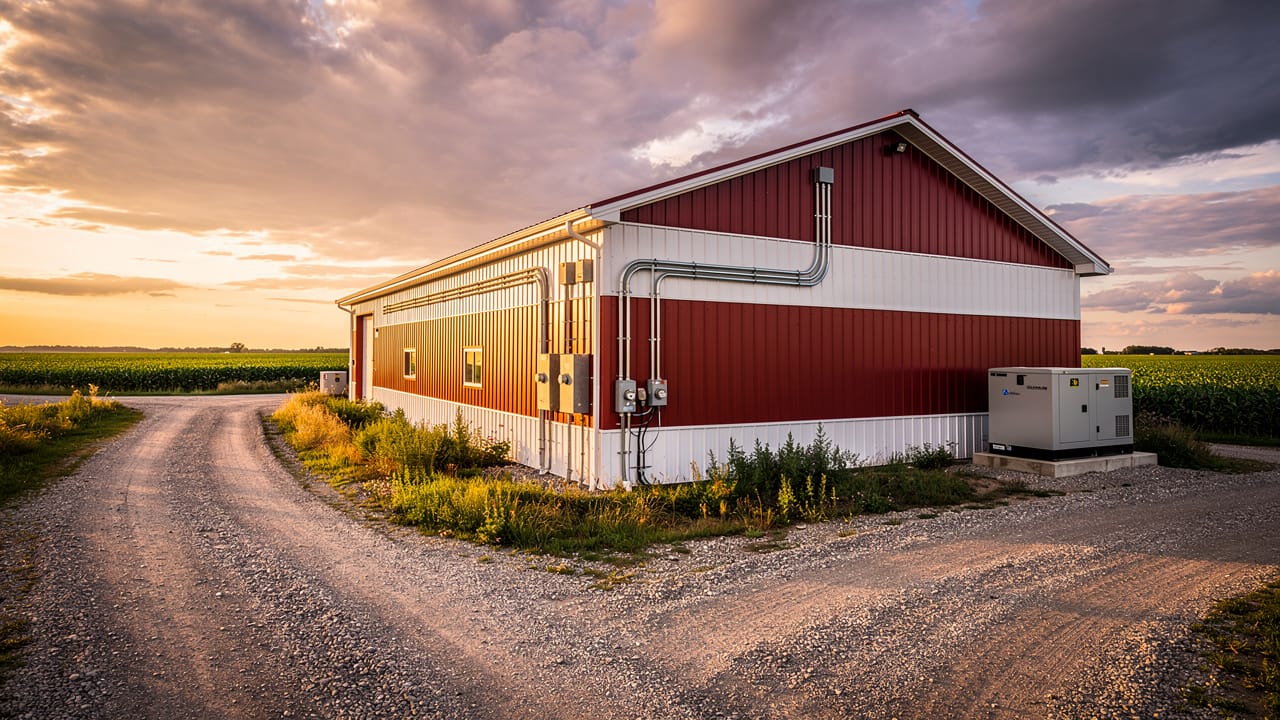
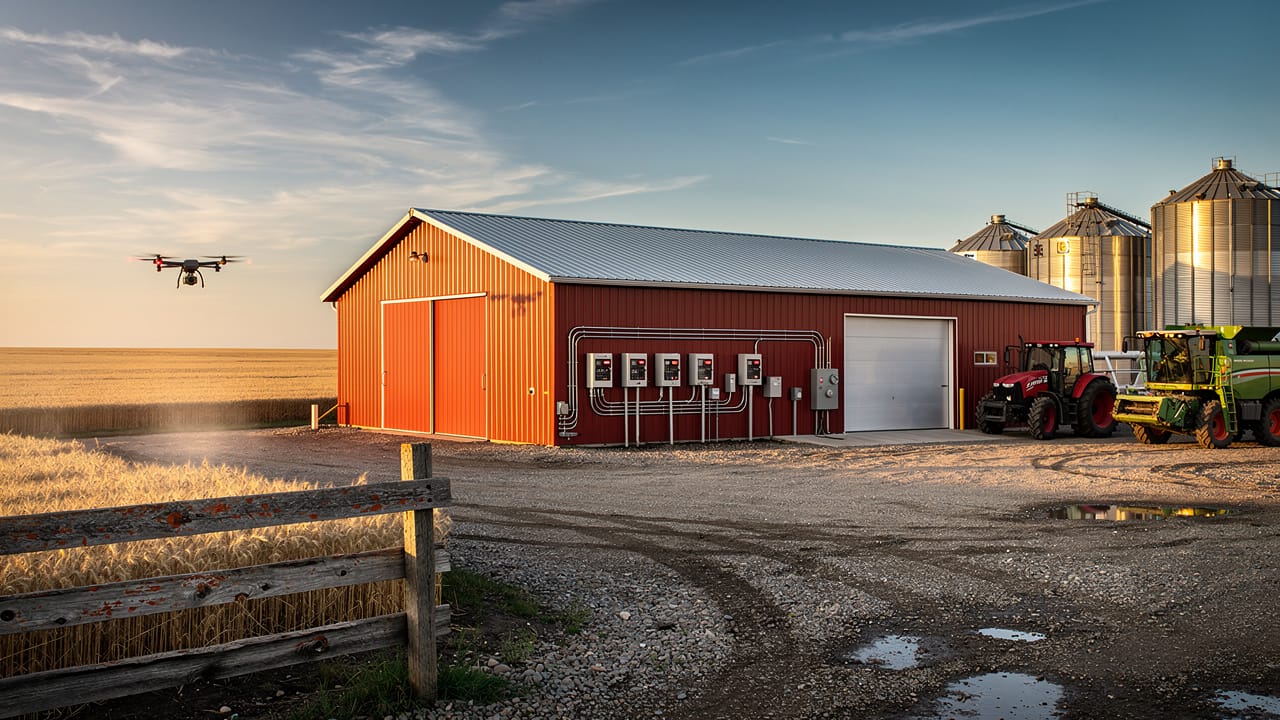
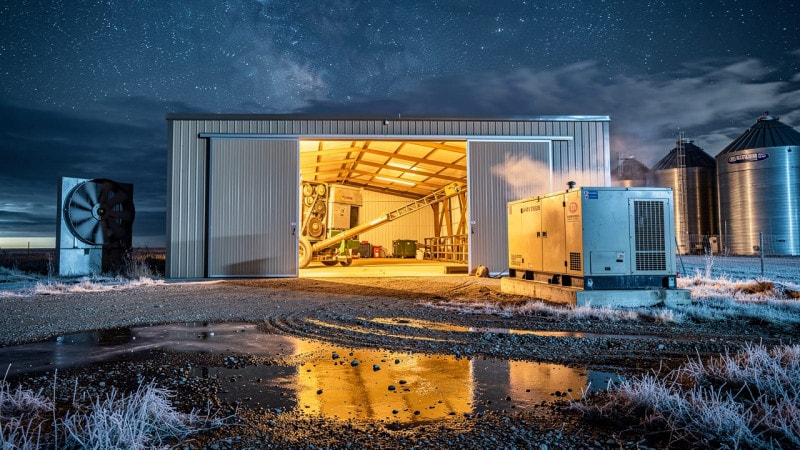
Backup power is the final piece that keeps protection going during a hydro outage. Without power, monitoring stops and fans sit idle while grain keeps heating. Cove Electrical designs whole‑yard generator systems with Automatic Transfer Switches (ATS) so critical loads like dryers, aeration fans, and monitoring gear stay live. At Cedar Brook Farm near Jarvie, Alberta, this approach included PLC programming, full grain and oilseed temperature monitoring integration, shaft monitoring on more than twenty drives, high bin level shutoffs, overhead bin scale integration, and a backup generator system sized to the site. The result was steadier operation, less downtime, and confidence that real-time grain condition monitoring would stay online when the grid went dark.
Conclusion
Stored grain is too valuable to leave to guesswork and ladder climbs. Real-time grain condition monitoring turns bins into watched assets, with constant feedback on temperature, moisture, and CO2 instead of scattered snapshots. That change cuts spoilage, reduces dangerous bin entry, and lets you run aeration based on real data rather than habit or hunch.
For that system to pay off, the electrical side cannot be an afterthought. Poor wiring, shared circuits, and non‑compliant gear in dusty spaces can cause system failures, alarms you cannot trust, or even fires and explosions. When power drops during a storm and there is no backup, every minute without monitoring or fans raises the risk to your harvest.
Cove Electrical focuses on operations that cannot afford downtime, from grain systems to full farmyards across Western Canada. With master electrician leadership, deep knowledge of hazardous agricultural sites, and strong PLC and MCC design skills, the team builds the electrical backbone that real-time grain condition monitoring depends on. If you are planning a new bin yard or upgrading existing storage, bring Cove Electrical into the conversation early so the monitoring, aeration, and electrical work together from day one.
FAQs
What Are The Most Important Parameters To Monitor In Stored Grain?
The three key parameters are temperature, moisture content, and CO2. Temperature shows where hotspots may be starting so you can cool or move grain before quality drops. Moisture content tells you if grain is safe for long‑term storage or at risk of mould or grade loss. CO2 is the earliest sign of biological activity, so in a real-time grain condition monitoring system it often gives the first warning that something is going wrong.
Can I Install A Grain Monitoring System Myself?
Some parts of a system, such as mounting sensors or setting up an app, may look simple. The risk comes with the electrical work needed to power gateways, tie into fan starters, and connect to Motor Control Centres in dust‑classed areas. In Canada, grain handling sites often fall under hazardous location rules, so do‑it‑yourself wiring can create serious fire and explosion risk. Working with a specialist contractor such as Cove Electrical means your real-time grain condition monitoring system is wired safely, to code, and ready for long‑term use.
What Happens To My Grain Monitoring System During A Power Outage?
Without backup power, your monitoring hardware shuts down along with aeration fans and control panels. You lose visibility into bin conditions at the very time grain may be warming up or sweating. A properly sized standby generator with an Automatic Transfer Switch keeps sensors, gateways, PLC panels, and fans running during a hydro outage. Cove Electrical designs and installs these backup systems so real-time grain condition monitoring keeps protecting your harvest even when the grid is off.