On many Canadian farms, the breaker panel matters as much as the tractor keys. Understanding agricultural power demands is now a core part of running a profitable operation, not a side task left for later. When every barn, bin, and pump ties back to the same service, one weak link can shut everything down.
Modern farms run closer to industrial plants than simple homesteads. Ventilation for livestock, grain dryers, irrigation pumps, greenhouse controls, and automation all add to total farm energy consumption and overall agricultural electricity usage. When that load pushes past what the system can safely carry, the result is more than a nuisance trip on a breaker. It can mean stressed animals, spoiled grain, damaged motors, and expensive emergency work.
The gap between installed wiring and real farming power requirements is one of the easiest risks to ignore. This guide walks through practical ways to understand agricultural power demands on a real farm, how a proper load calculation works, why backup power now sits at the same level as feed and fuel, and how smarter farm electrical systems support growth. Cove Electrical works in rural Alberta every day on exactly these jobs, so the examples and advice come from the field, not a textbook.
Read through to get a clear picture of where power is used on a farm, what a safe system looks like, and how to plan upgrades that protect livestock, crops, and equipment for the long term.
“You can’t manage what you don’t measure.” That old line fits farm electrical systems just as well as crops and inputs.
Key Takeaways
-
Modern Canadian farms pull power from many different places. Livestock facilities, grain handling systems, irrigation, workshops, and homes all stack onto the same service and shape rural energy demand. A clear view of this mix is the first step in understanding agricultural power demands and planning any upgrade.
-
A professional load calculation is far more than a guess at farm equipment power needs. It counts every motor, heater, and light, applies Canadian Electrical Code demand factors, and looks at peak seasons and future expansion. This work forms the base for safe agricultural load management and correctly sized farm electrical systems.
-
Backup power has become basic risk management for serious agricultural operations. A properly sized generator and transfer switch keep barn ventilation, water, refrigeration, and grain aeration running when the grid fails. Without this, even a short outage can hit livestock farming energy use and crop production energy needs in ways that are hard to recover from.
-
Modern electrical upgrades and automation can cut agricultural electricity usage and improve agricultural energy efficiency. With the right design, farmers can add solar power on farms, remote monitoring, and smarter controls without overloading old infrastructure and while supporting precision agriculture energy tools.
-
Agricultural settings are hard on electrical gear. Dust, moisture, corrosive gases, and physical damage demand environment-rated components, solid grounding, and full Canadian Electrical Code compliance. A safety‑focused contractor such as Cove Electrical treats this as standard practice, not an add‑on.
Identifying Key Agricultural Power Loads On Your Farm
Understanding agricultural power demands starts with a simple idea: before changing panels, adding generators, or talking about renewable energy for agriculture, it pays to know exactly where electricity goes on the farm. Many operators know the big users by feel, yet the full picture only appears once everything is laid out.
Different operations see very different patterns of farm energy consumption, for example:
-
Dairy farms with several barns run heavy continuous loads on ventilation and milk cooling.
-
Grain farms might run fairly light most of the year, then hit near‑industrial draw during harvest when dryers, augers, and aeration fans all run together.
-
Irrigated ground creates strong spikes in irrigation power consumption during dry spells.
It is also easy to forget the background loads that live on the same service. Workshops with welders and compressors, offices packed with electronics, and the farmhouse itself all add to overall farming power requirements. When these sit on a system first built for a much smaller operation, even a modest expansion can push the service past its safe limit.
Livestock Facilities, Grain Handling, And Irrigation Systems
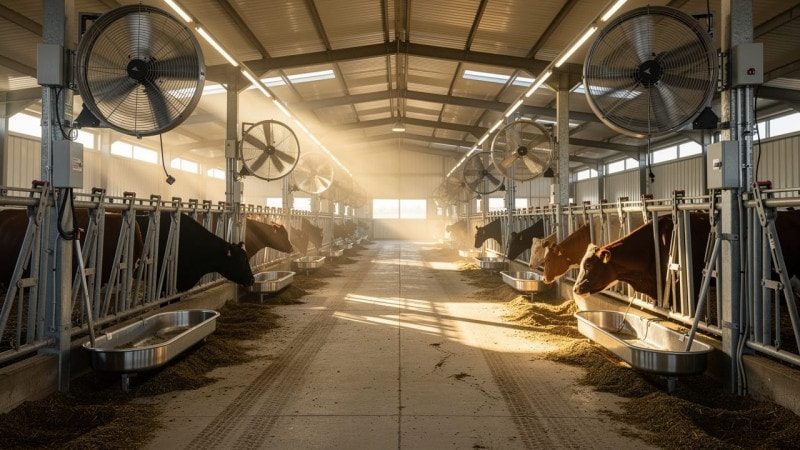
Livestock facilities are often the biggest piece of agricultural electricity usage on mixed operations. Continuous ventilation fans, heaters, and cooling equipment keep barns safe for animals in both winter and summer. Automated feeding and watering add steady motor loads, while vacuum pumps and milk coolers in dairy barns raise livestock farming energy use around the clock. In a sealed barn, a power failure of even an hour during extreme weather can threaten animal health.
Grain handling systems change the load profile in a different way:
-
Grain dryers draw very high current for long periods and often sit near the top of farm equipment power needs.
-
Augers, grain legs, and conveyors add short but heavy starts that can pull voltage down on an undersized service.
-
Aeration fans may be smaller, yet they run for weeks to protect stored grain, so their share of crop production energy needs is easy to underestimate.
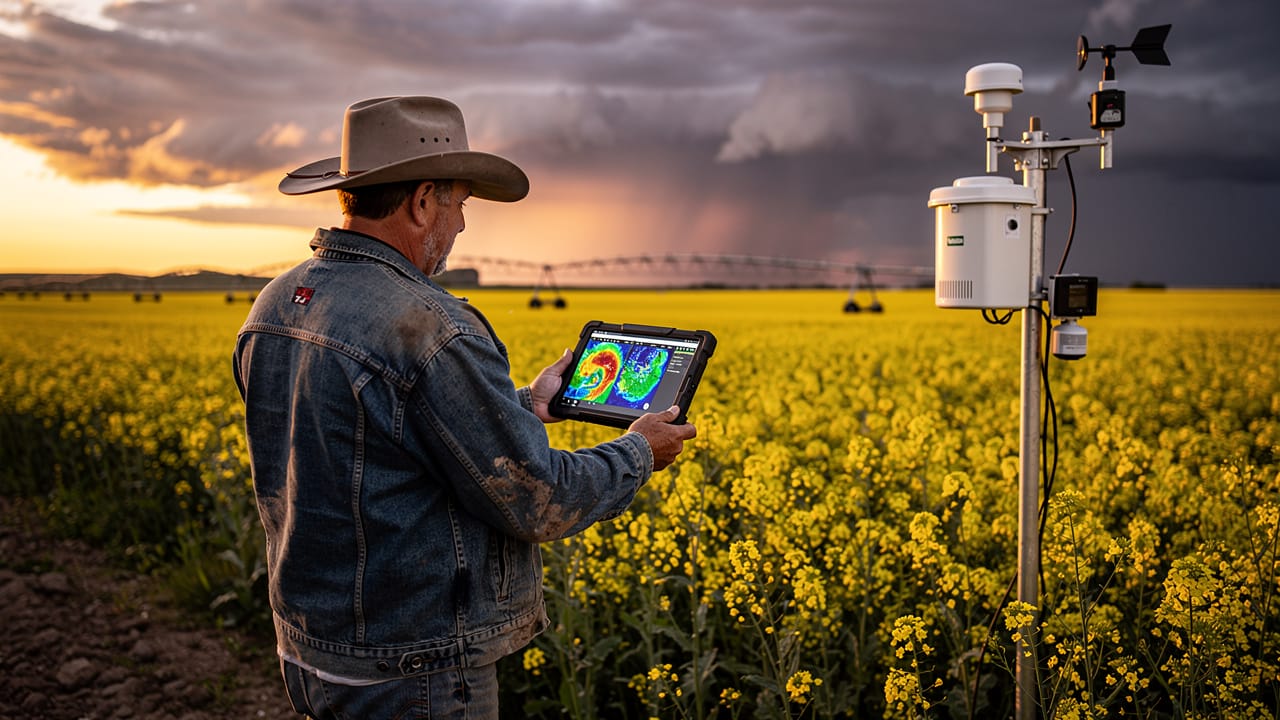
Irrigation systems often set the single largest motor load on the farm. High horsepower pumps feeding centre pivot or wheel line systems pull steady power for long stretches and shape rural energy demand through the growing season. These pump stations are often remote and may share power with other farm power systems such as small buildings or monitoring equipment, which adds complexity when planning safe, reliable service.
How To Calculate Your Farm’s Total Electrical Demand
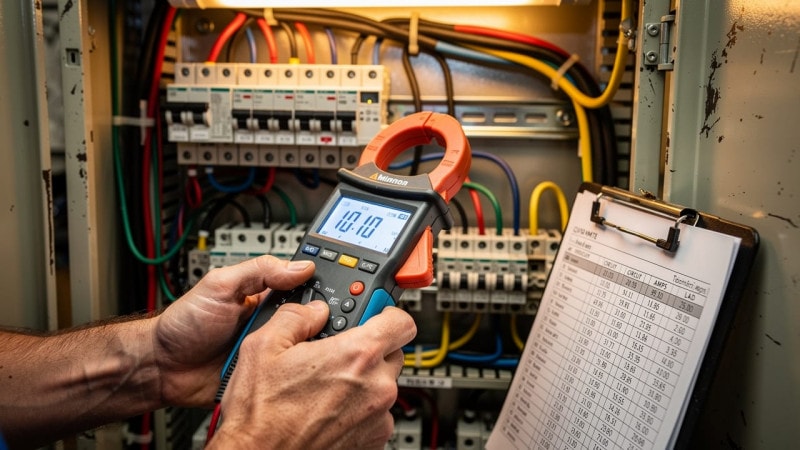
Once the main loads are clear, the next step in understanding agricultural power demands is a proper load calculation. This is not a quick back‑of‑the‑napkin number — structured methodologies for measuring agricultural productivity and energy demand, such as those described in agricultural productivity in the United States research methods, confirm that rigorous, data-driven approaches are essential for accurate farm-level analysis. It is a structured process that lets an electrician design farm electrical systems that carry the work safely during the worst‑case day, not just an average one.
The goal is straightforward: the service, transformers, wiring, and breakers must handle peak draw without constant tripping, voltage sag, or overheated gear. Undersized systems show up as flickering lights when big motors start, hot panels, nuisance breaker trips, short motor life, and, in the worst case, increased fire risk.
A professional load calculation for agricultural energy management normally follows a few clear steps:
-
List all electrical loads on the property. That means every barn fan, heater, auger motor, grain dryer, pressure pump, welder, greenhouse heater, office circuit, and house load that ties into the same service. This creates a true picture of farm energy consumption rather than a guess.
-
Record the nameplate data for each item. Voltage, full load amps, and horsepower for motors give the baseline. This data supports realistic planning for agricultural load management and helps spot items that already push limits on existing wiring.
-
Apply Canadian Electrical Code demand factors. Not every device runs at the same time, so the Code sets out clear rules for how to treat motors, heating loads, welders, and general circuits. The largest motor is often counted at full value, while others sit at lower percentages. A farm electrician who works with these rules daily can apply them correctly.
-
Review real operating patterns and future growth. Harvest season, irrigation periods, and cold snaps drive the peak draw. On top of that, any smart plan for understanding agricultural power demands will ask what the farm might look like in five to ten years. Extra bins, a new barn, or solar power on farms all point to higher load. Building space for that growth into the design costs far less than ripping out undersized gear later.
With this work in hand, the main service size, panel arrangement, and conductor sizing can match actual farming power requirements and still give room for safe expansion.
Many Alberta operators only discover how close they run to their service limit when a new dryer or fan trips breakers during a busy week.
Why Backup Power Is Non-Negotiable For Modern Farm Operations
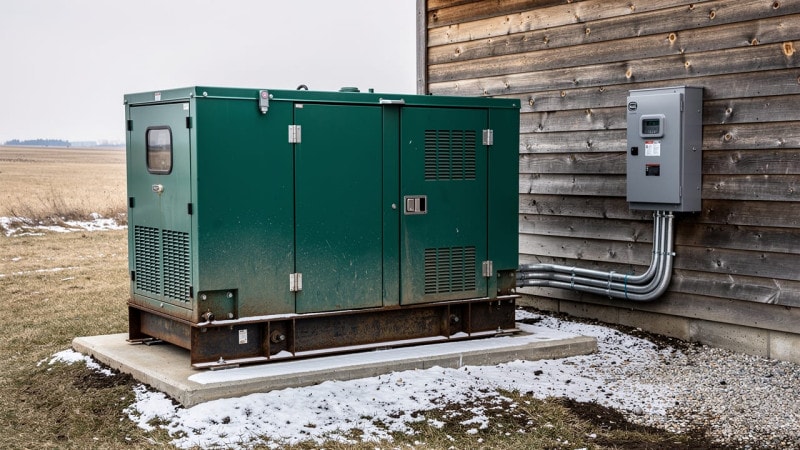
For many rural Alberta operations, the grid is reliable most days and then fails at the worst possible time. Storms, vehicle hits on poles, or upstream equipment faults can leave a yard dark with no warning. When livestock, irrigation, or grain quality depend on continuous power, understanding agricultural power demands must include planning for hours or days without the utility.
The real cost of an outage is easy to feel:
-
Ventilation stops in poultry or hog barns and temperatures climb.
-
Water systems fail, leaving animals without steady supply.
-
Milk coolers sit idle and product quality drops fast.
-
Grain aeration fans shut down during warm, damp weather and stored crops take on moisture.
-
Staff lose productive time while dealing with emergencies and last‑minute repairs.
A backup generator system shifts this risk from guesswork to a managed plan. The first step is to define the critical circuits. For many farms, that list covers:
-
Barn ventilation and heat
-
Water pumps
-
Feed systems
-
Milk cooling and refrigeration
-
Key lighting
-
The most important grain aeration fans
The generator and transfer gear then size to that critical slice of farming power requirements rather than the entire yard, which keeps equipment and fuel costs sensible.
The transfer switch is the heart of a safe setup. Manual units rely on someone on site to start the generator and move the load over. Automatic transfer switches sense the outage, start the generator, and pick up the selected circuits even when nobody is there. For operations that run livestock or sensitive crops through the night, automatic transfer removes much of the worry during bad weather and peak rural energy demand.
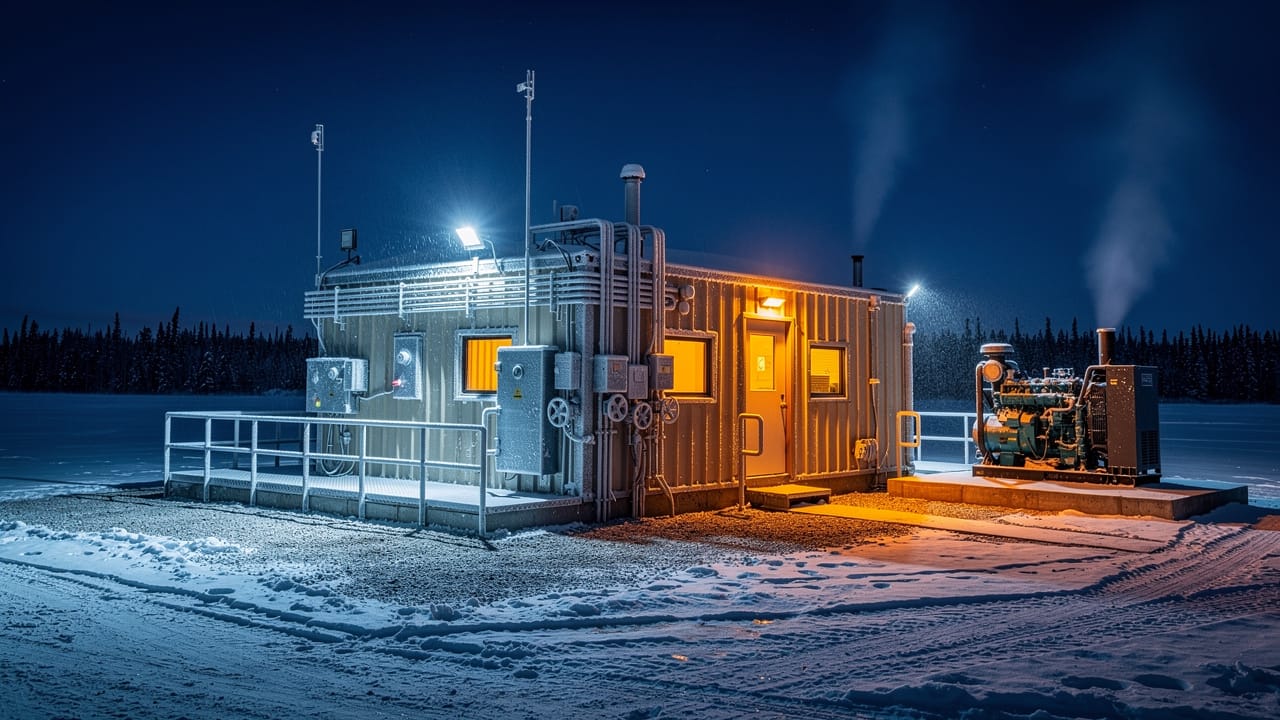
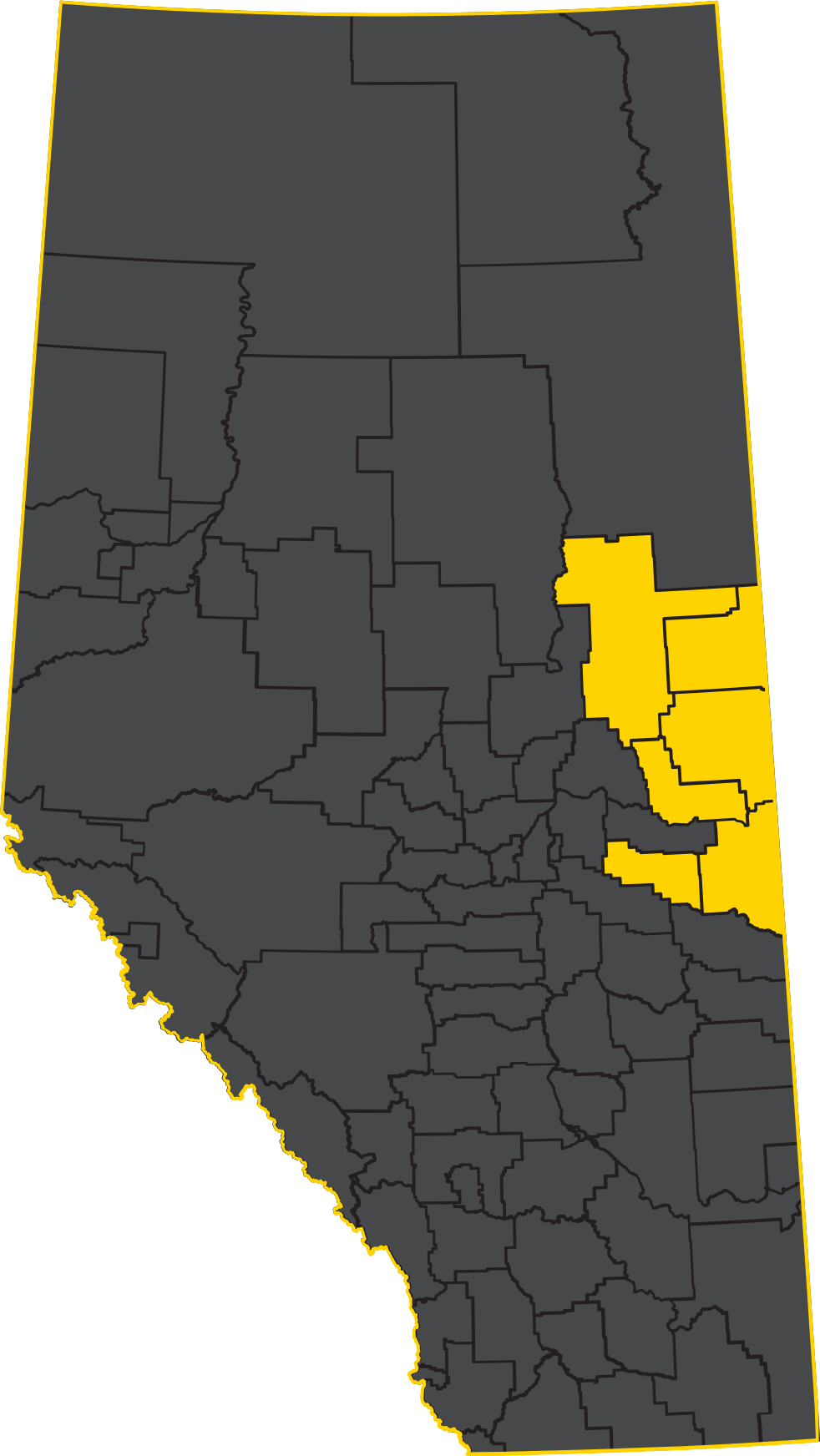
Cove Electrical designs and installs full farm backup systems across Alberta that match real agricultural electricity usage. At sites such as Cedar Brook Farm near Jarvie, the team tied a whole‑yard generator into grain handling controls and automation so that key conveyors, sensors, and protection devices stay live during outages. Careful fuel planning and regular under‑load testing give operators confidence that the generator will start when it matters instead of failing on the first real event.
Modernizing Your Farm’s Electrical Infrastructure For Efficiency And Growth
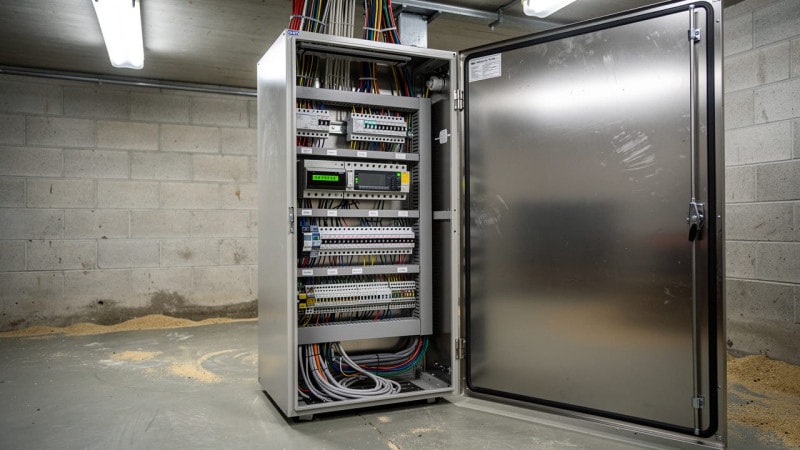
Many Canadian farms run on electrical systems first built for far smaller operations. Over time, extra bins, larger fans, more automation, and even greenhouse energy consumption stack on top of that base — a trend supported by research into the emergence of indoor agriculture as a major driver of global energy demand. The result can feel like a patchwork that works most of the time yet shows strain whenever everything runs at once.
Modernizing with a clear view of agricultural power demands turns that patchwork into a stable base for growth. The main service is often the first pinch point. Older yards with 100‑amp services now push toward 200‑amp, 400‑amp, or higher as grain dryers, larger irrigation pumps, and shop equipment grow. Where large motors are common, three phase power lets them run smoother and more efficiently than single phase, which improves agricultural energy efficiency and reduces stress on both motors and wiring.
Panel layout also matters. A single crowded panel in the yard centre makes fault finding slow and puts the whole operation at risk from one failure. Strategic sub‑panels in barns, grain handling areas, and workshops:
-
Shorten feeder runs
-
Improve voltage levels
-
Make isolation easier during maintenance
This layout supports better agricultural energy management because operators can see and control loads by area.
Automation and monitoring add another layer of value. Cove Electrical designs and installs control systems with PLCs, remote access, shaft monitoring, grain and oilseed temperature monitoring, high bin‑level shutoffs, and overhead bin scales. These tools support precision agriculture energy use by running fans, augers, and other gear only when needed. They also give early warning when equipment runs hot or off normal patterns, which helps prevent breakdowns and wasted power.
Modernization does not need to happen all at once. A staged plan might:
-
Upgrade the main service and primary feeders.
-
Reorganize panels and sub‑panels by area or process.
-
Add automation, monitoring, and, where it makes sense, solar power on farms.
Done this way, farm electrical systems support steady growth, new technology, and sustainable farming energy goals without constant worry about overloads.
Safety And Compliance In Agricultural Electrical Environments
Farm yards are some of the toughest places for electrical gear to survive. Common hazards include:
-
Fine grain dust
-
Moisture and wash‑down water
-
Manure gases and corrosive air
-
Rodents chewing wiring
-
Heavy equipment impacts on conduits and panels
Any plan for understanding agricultural power demands that ignores these conditions leaves people, animals, and buildings at risk.
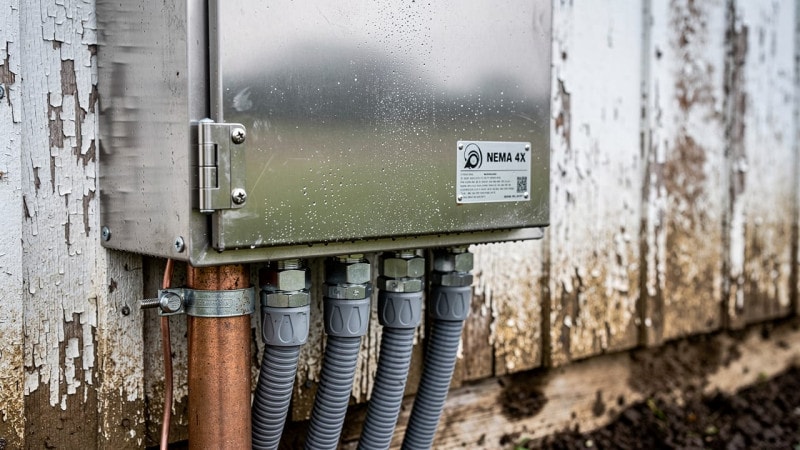
Grain handling areas need special care because dust can ignite from a small spark. Equipment in these spots often needs ratings that match dust hazard requirements under the Canadian Electrical Code (CEC). In livestock barns, ammonia and moisture corrode standard steel boxes and fittings in short order. That is why outdoor areas often use NEMA 3R enclosures for weather, while wash‑down and corrosive zones use NEMA 4X gear that stands up to both water and chemicals.
Grounding and bonding protect workers and animals from stray voltage and shock. Poor grounding can show up as nervous livestock that avoid certain spots, a drop in milk production, or animals refusing to drink. GFCI protection in wet or wash‑down zones cuts the risk of serious shock when equipment faults. Physical protection also matters: armoured cable, rigid conduit, and smart routing keep conductors away from loader buckets, skid steers, and animal contact.
CEC compliance is more than paperwork. Insurance companies and safety officers look closely at electrical work after fires or injuries. Non‑compliant work can lead to denied claims and legal trouble. Cove Electrical brings experience from both agriculture and hazardous oil and gas work to farm projects, which means every design choice focuses on safe operation, clear labelling, and long‑term reliability in harsh rural settings.
“Safety isn’t a cost centre; it’s the base that keeps a farm running year after year.” That attitude guides the best electrical work on agricultural sites.
Conclusion
Electricity now sits at the centre of almost every Canadian farm task. Understanding agricultural power demands makes it clear that barns, grain systems, irrigation, automation, and even office gear all depend on the same backbone. When that backbone is undersized, ageing, or not built to code, the risk touches livestock, crops, equipment, and income.
The way forward is a planned approach. Start with a professional load calculation, then design farm power systems that match real use, add reliable backup generation, and modernize panels, feeders, and controls in sensible stages. When safety and continuity are the priorities, these steps often pay for themselves through fewer failures, better energy use, and smoother growth.
Cove Electrical focuses on operations that cannot afford downtime, from grain farms and livestock barns to industrial and oil and gas sites. For farm owners and operations managers across rural Alberta, the next step is simple: reach out for a farm electrical assessment, generator and transfer design, or a modernization plan that keeps the yard safe, productive, and ready for the future.
FAQs
How Often Should A Farm’s Electrical System Be Inspected?
Most farms benefit from a full professional inspection at least once a year. This visit should include a check of main services, panels, grounding, and visible wiring in barns, grain systems, and workshops. Thermal imaging can pick up loose or overheating connections before they fail. Backup generators and transfer switches should also run under load on a regular schedule so they are ready for real outages.
What Size Generator Does A Farm Need For Backup Power?
The right generator size depends on the critical circuits, not the total number of devices on the property. A good plan starts with ventilation, water pumps, feed systems, refrigeration, and key grain aeration fans, since these shape the most urgent part of agricultural electricity usage. A load calculation focused on those items sets a realistic target. Cove Electrical designs and installs generator systems that match each yard’s specific layout and operating style.
Is Three Phase Power Worth It For A Grain Farm?
Three phase service often makes sense when a grain farm runs large dryers, big grain legs, or irrigation pumps over ten horsepower. Motors on three phase power start smoother, draw less current for the same work, and tend to last longer. Wiring can also be smaller for the same load, which lowers installation cost on long runs. A farm‑focused electrician can compare utility upgrade costs with long‑term savings in energy and equipment life to see if the change fits your operation.