A cold May rain, a surprise June frost, and then a week of hot, dry wind. For seed growers, swings like this decide which fields hit target yields and which ones fall short. Reliable weather data for seed growers has become just as important as seed genetics or soil tests.
Across Canada, especially on the Prairies, weather uncertainty is one of the biggest operational risks. Late frosts, stalled springs, sudden downpours, and smoke-filled summers can erase profit in a single week. North American farmers lose billions of dollars each year to weather-driven crop damage and delays, and seed growers feel that impact first.
Relying on a phone app and gut feel keeps operations in a reactive mode. Moving to proactive management means using accurate, real-time weather information for every major decision, from when to plant to when to fire up the dryer. That only works when the sensors, networks, and control systems behind the data stay powered and stable.
This article walks through the key weather metrics that matter most, how to use them to manage risk, the technology that turns numbers into day-to-day decisions, and why solid electrical and backup power systems are the backbone of it all. Along the way, you will see how Cove Electrical supports operations that depend on weather data for seed growers and cannot afford downtime.
Many agronomists repeat the same reminder: “You cannot manage what you do not measure.”
Key Takeaways
-
Reliable weather data for seed growers starts with five core metrics: temperature, precipitation, humidity, wind, and solar radiation. When these are measured right at the field, not just at the local airport, they guide decisions from planting to harvest and make every other data-driven tool more useful.
-
Weather information turns into real value when it is used for risk management. Drought, flooding, frost, and pest pressure all leave traces in the forecast and in historical records, and using that insight early protects both yields and cash flow. Treating weather as a financial planning input changes how you schedule work and where you invest.
-
Modern tools bring weather data for seed growers into daily operations instead of keeping it on a separate screen. On-farm weather stations, forecasting platforms, satellite imagery, and decision-support software turn raw readings into clear actions. When these systems talk to farm management tools, they help you adjust plans in near real time.
-
None of this works without stable power and quality electrical work. Weather stations, radios, automation panels, and backup generators must stay online during storms and outages for the data to mean anything. That is where a partner like Cove Electrical supports long-term reliability for weather-aware farm operations.
Key Weather Metrics That Drive Crop Decisions
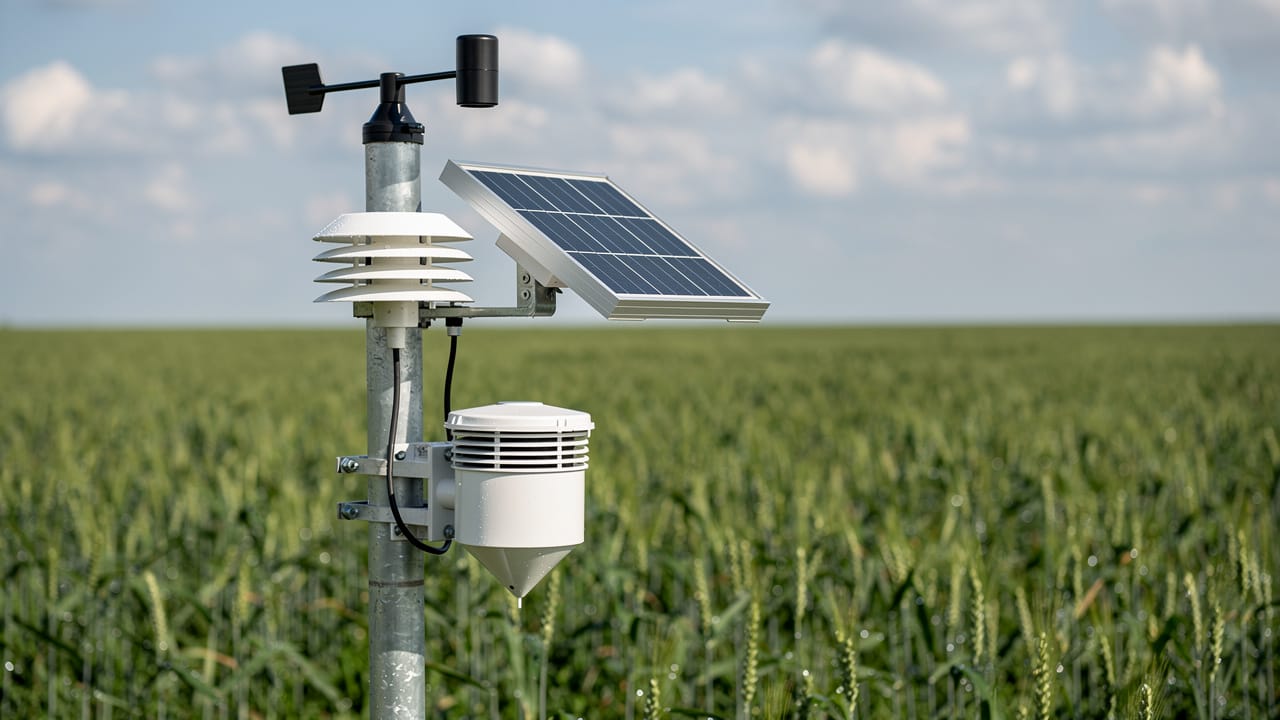
For most Canadian seed growers, regional forecasts are a rough guide at best. What truly matters is what happens in a specific field, on a specific slope, in a specific low spot. Hyper-local readings make weather data for seed growers far more useful than anything on a general forecast map.
The five core metrics that drive crop decisions are:
-
Temperature
Temperature is the first metric most operators think about, and for good reason. Soil temperature controls when seeds break dormancy, how fast they emerge, and how evenly a stand establishes. Tracking daily highs and lows also supports Growing Degree Day (GDD) calculations, which help predict each growth stage and line up harvest windows. Early frost warnings protect young seedlings that have no chance to recover if temperatures drop too far. -
Precipitation
Precipitation data shapes irrigation plans and field access. Knowing exactly how much rain fell on each field lets you decide whether to delay seeding because of saturated soil or go ahead while conditions are still workable. Over-watering wastes fuel, water, and time, while under-watering invites drought stress and yield loss. Accurate rainfall records let you skip unnecessary irrigation runs and still maintain soil moisture in the ideal range. -
Humidity
Humidity might seem like a minor number, but it has a big impact on disease pressure. High relative humidity inside a dense crop canopy creates perfect conditions for fungal issues such as powdery mildew and blight. When you track humidity along with leaf wetness and temperature, spray timing moves from guesswork to planned action. Well-timed fungicide passes mean fewer applications and better control. -
Wind Speed And Direction
Wind speed and direction both matter for safety and efficiency. Strong winds cause drift during pesticide or fungicide applications, wasting product and raising the risk of off-target impact. Gusts also speed up soil moisture loss and can physically damage tall crops. When wind conditions are part of your regular weather checks, you can schedule spraying and other sensitive tasks for the safest, most effective windows. -
Solar Radiation
Solar radiation is the engine behind photosynthesis and plant growth. Measuring incoming sunlight helps you understand how much energy your crop can turn into biomass and, later, yield. Many precision irrigation models, such as FAO56, use solar radiation with temperature and humidity to calculate daily crop water needs. With that kind of insight, irrigation shifts from rough estimates to targeted water management that supports both yield and resource efficiency.
Managing Weather Risks To Protect Yields And Revenue
Collecting weather data for seed growers is only the first step. The real value appears when that data is used to manage risk, protect revenue, and keep a farm financially steady through difficult seasons. Weather is not just an agronomy concern; it is a cash flow and asset protection issue.
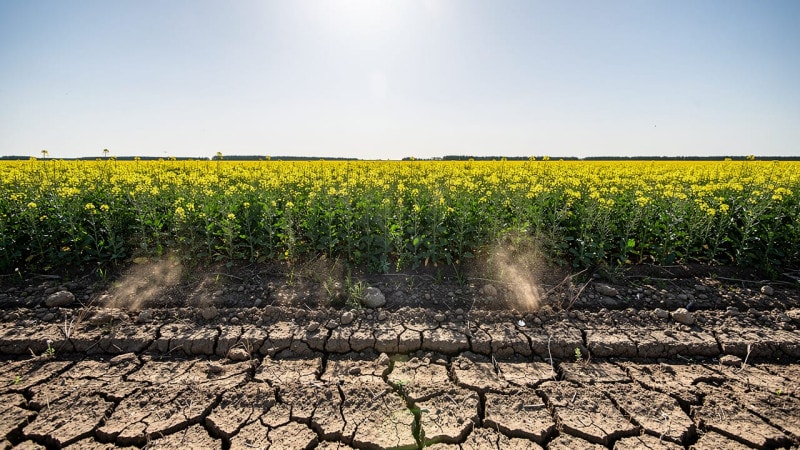
Drought risk is top of mind in many southern Prairie regions. Extended dry periods push crops past stress thresholds, reducing kernel set, test weight, and final yield. When forecasts point to a dry spell, growers can change irrigation schedules early, adjust seeding rates, or choose more drought-tolerant hybrids in the first place. Using weather data this way helps focus limited water on the fields and stages that give the best return.
On the other side of the scale, flooding and heavy rainfall bring their own set of problems. Waterlogged soils limit oxygen to roots, causing stunting and stand loss, while erosion strips away topsoil and fertilizer dollars. When short- and medium-term forecasts flag high rainfall risk, operators can improve surface drainage, delay seeding, or shift to fields with better soil structure. Each of these decisions depends on trusting the weather information feeding them.
Frost events remain one of the most damaging weather surprises for seed growers. A late spring frost can wipe out carefully timed plantings, while an early fall frost can hit crops that are nearly ready but not quite mature. Real-time frost alerts turn a threat into a decision point. You can deploy frost cloth where it matters most, adjust irrigation to add a small amount of heat, or bring harvest forward on vulnerable fields.
Pest, weed, and disease pressure has been changing across Western Canada as temperature and moisture patterns shift. Many insects, fungi, and weeds respond directly to humidity, temperature, and rainfall patterns. By linking weather data for seed growers with pest and disease models, you can spot high-risk windows in advance. That allows targeted scouting and well-timed treatments instead of broad, repeated spraying that raises costs.
Wildfire risk has also grown, especially in Alberta and neighbouring provinces. Hot, dry, and windy conditions put both crops and infrastructure at risk, and smoke can reduce sunlight enough to slow growth. Forecasts that show extended high-risk periods give operators time to create firebreaks, clean up fuel loads around buildings, and review emergency plans.
A common rule on progressive farms is, “Treat weather data like any other input—you pay for it, so make it work for you.”
Financial impacts reach far beyond the crop itself. Soil repair after erosion, extra fertilizer to rebuild nutrients, additional fungicide passes, and logistics problems when regional supply is short all add up. Treating weather information as a core part of risk management helps protect seasonal revenue and the long-term value of land, equipment, and storage assets.
For many seed growers, practical ways to apply weather data in risk planning include:
-
Setting field-by-field trigger points for actions such as switching hybrids, changing seeding dates, or pausing traffic on wet soils.
-
Using multi-year weather records to guide crop insurance choices and coverage levels.
-
Aligning grain drying and storage plans with typical fall weather patterns to avoid bottlenecks when moisture spikes.
Technology That Puts Weather Data To Work
Modern tools turn weather data for seed growers from scattered numbers into clear, operational guidance. The aim is simple: better decisions made faster, based on what is actually happening across your farm rather than a generic forecast.
On-farm weather stations are the starting point for most operations. These systems measure temperature, humidity, rainfall, wind, and solar radiation right where your crops are growing. Because they sit in your own fields, the data matches your conditions far better than distant weather service readings. To stay accurate in heat, dust, and winter, they need careful siting, proper mounting, periodic calibration, and a reliable power supply that does not cut out during storms or outages.
Forecasting apps and web platforms build on this local data with short- and long-term outlooks. Many tools now focus on farm operations, flagging frost risk, storm fronts, high-wind periods, and likely drought spells. When forecasts connect to your field records, they help you plan seeding, spraying, and harvest days well in advance. Some platforms even link directly to farm management software so that when a forecast changes, task lists and work orders update to match.
Satellite imagery and other remote sensing tools add another layer of insight. By viewing fields from above, you can spot zones with poor vigour, uneven emergence, or moisture stress before they stand out from the headland. When you combine this with on-farm sensor data, you get a clear picture of how weather patterns are interacting with soil type and topography. That makes it easier to direct scouting and inputs to the hectares that need it most.
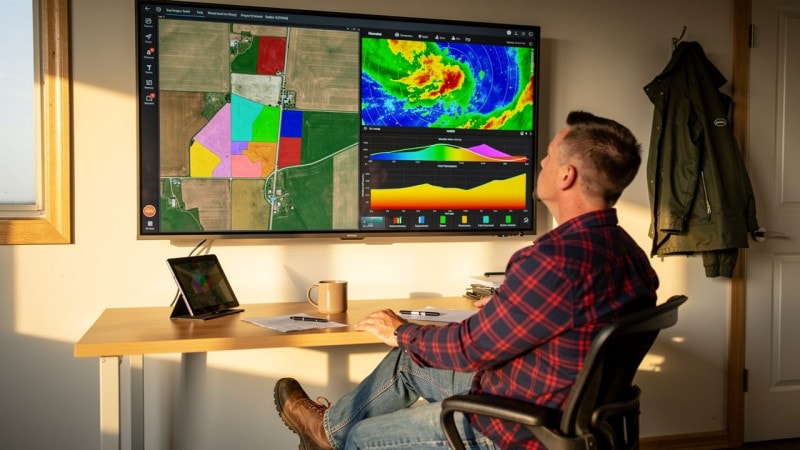
Decision-support software brings everything together. These platforms pull in readings from weather stations, satellite images, soil probes, and Numerical Weather Prediction models. They then suggest irrigation volumes, spray windows, and even yield forecasts based on local weather history and current conditions. GPS-based field mapping ties recommendations to specific fields, or even zones within fields, so seed growers can match hybrids, population, and inputs to the conditions that give the best return.
To make these tools pay off in day-to-day work, most farms focus on:
-
Keeping sensors, gateways, and routers powered and protected from electrical noise.
-
Standardizing data formats so weather feeds, soil readings, and yield maps can be viewed together.
-
Training staff so that alerts and dashboards trigger clear, agreed-on actions rather than guesswork.
Every one of these tools depends on stable, clean power and sound electrical work. A weather station that loses power in a storm will not record the very event you need to understand. A network switch that trips when a dryer starts will break the link between sensors and software. This is why operators who treat weather data for seed growers as a core input also invest in electrical systems built for continuous operation, not just for minimum code.
How Cove Electrical Supports Weather-Ready Farm Operations
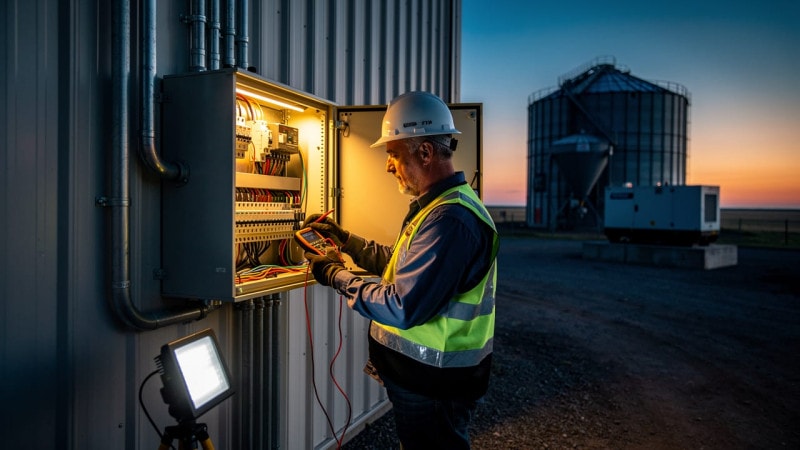
Weather intelligence, automation, and precision equipment all rely on one thing: dependable electrical infrastructure. Cove Electrical focuses on agricultural and industrial operations where downtime is not an option, so supporting weather data for seed growers fits directly with what the company does best.
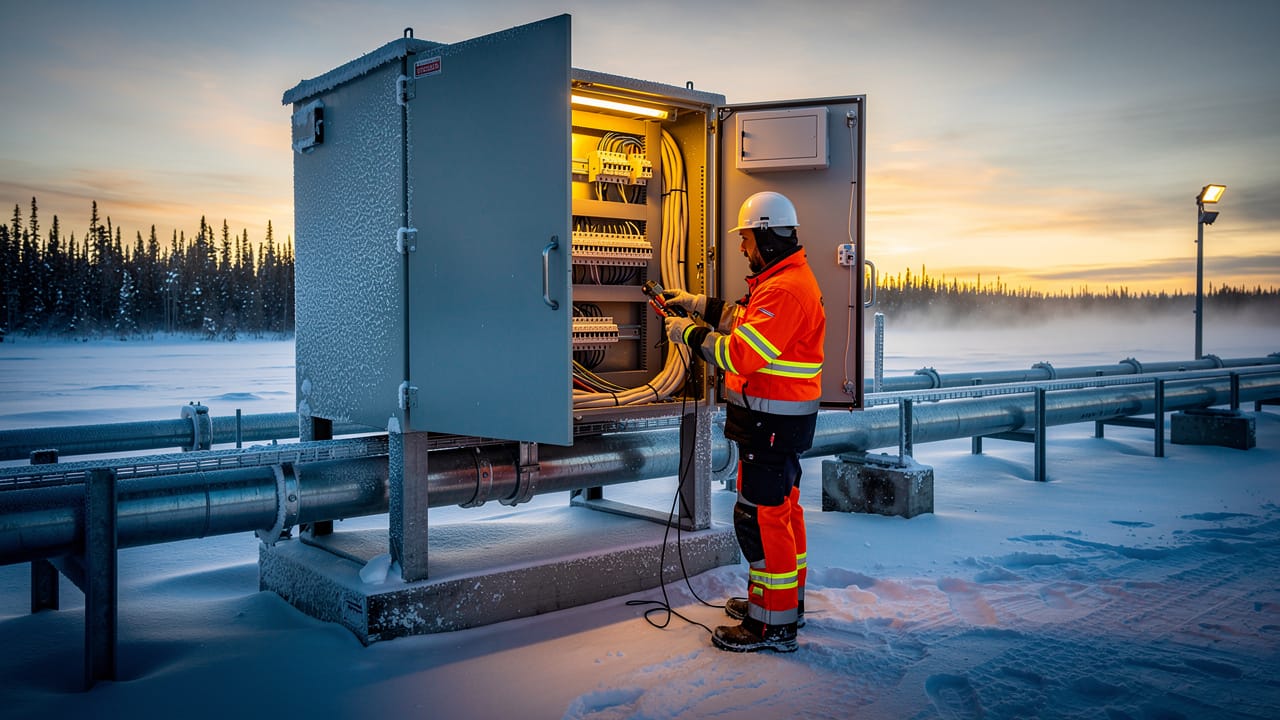
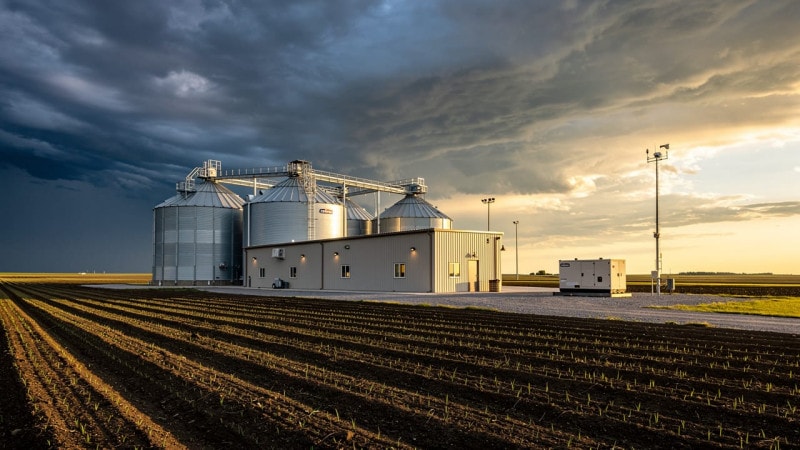
For farms that want accurate local readings, Cove Electrical supplies and installs professional-grade weather station systems from leading manufacturers. Installations are designed for real farm conditions, from wide temperature swings to dust and corrosive air around grain handling sites. Careful placement, quality wiring, and proper grounding help these stations deliver consistent data year-round, with cabling and protection sized for long service.
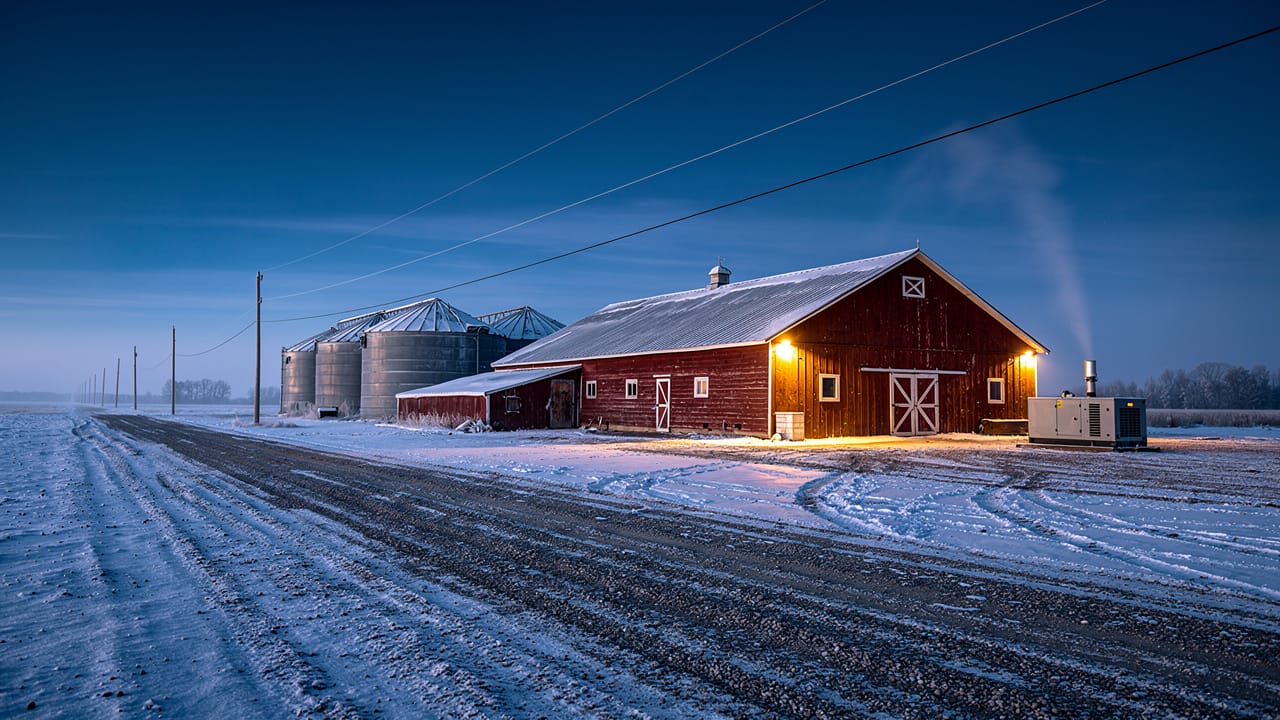
Backup power is another key part of weather readiness. Rural grids are often the first to go down when storms, ice, or wildfires hit, which is exactly when growers need their monitoring, irrigation, grain drying, and ventilation systems to stay online. Cove Electrical designs and installs layered backup setups that can include whole-yard standby generators, Automatic Transfer Switches, and Uninterruptible Power Supplies. Together, these keep critical controls, weather stations, and communication systems running when the grid fails.
Automation and control systems also benefit directly from weather inputs. Cove Electrical provides system engineering, PLC programming, and electrical installation for grain and oilseed temperature monitoring, high bin level shutoffs, and integrated overhead bin scales. When these controls can respond to weather data for seed growers, such as humidity and temperature trends, they help protect stored product and maintain quality.
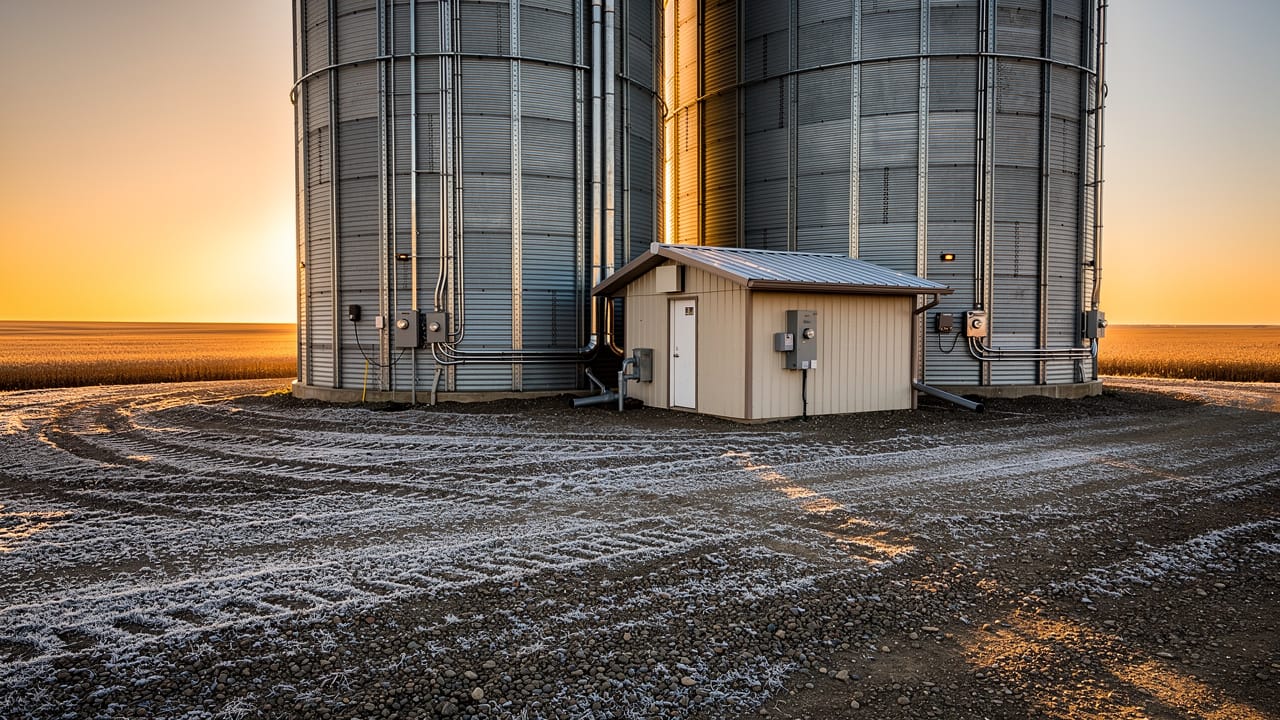
All of this work is carried out with specialized agricultural experience and full Canadian Electrical Code compliance, including hazardous dust areas around grain systems. A good example is Cedar Brook Farm in Jarvie, Alberta, where Cove Electrical modernized grain handling power and controls. That project improved early fault detection, reduced unplanned stops, and gave the operators confidence that their electrical backbone could support future growth and more advanced weather-aware automation.
For farms that rely on data, power reliability is not a luxury—it is part of crop insurance.
Conclusion
Reliable weather data for seed growers is now a core input, not a side benefit. Temperature, rainfall, humidity, wind, and solar readings, combined with solid forecasts, guide nearly every important decision from seeding plans to harvest timing.
The tools to collect and use this data already exist. What decides whether they pay off is the quality of the electrical and backup power systems behind them. When power is stable, networks are wired correctly, and backup generation is in place, weather-driven decisions stay available even during storms and outages.
For seed growers who want weather-aware, reliable operations, the next step is to match data tools with heavy-duty infrastructure. To discuss professional weather station installation, backup power planning, and farm electrical upgrades that support your long-term plans, contact Cove Electrical.
FAQs
Weather data raises many practical questions for seed growers who want to apply it in day-to-day work. These quick answers cover common points and help frame how to use local measurements, forecasts, and electrical planning together on Canadian farms.
What weather data is most important for seed growers?
The most important weather data for seed growers covers temperature, precipitation, humidity, wind speed, and solar radiation. Temperature, including GDD and frost risk, guides planting and harvest timing. Rainfall readings support irrigation planning, while humidity shines a light on disease risk. Wind conditions affect spray safety, and solar radiation helps with photosynthesis and water-use modelling. Local, on-farm data is far more useful than broad regional forecasts.
How do on-farm weather stations improve crop yields?
On-farm weather stations give seed growers real-time, field-specific data instead of generic regional figures. With accurate readings, you can fine-tune irrigation, pick safe spray windows, and respond quickly to frost or heat stress. Better timing and fewer wasted passes mean lower input costs and higher-quality yields. To gather reliable records year after year, these stations need professional installation, regular maintenance, and a steady power supply.
How does backup power protect weather monitoring and farm automation systems?
When severe weather hits, rural grids often fail just as growers need their monitoring and control systems most. Without backup power, weather stations, irrigation controls, grain drying equipment, and ventilation can all shut down at once. Standby generators, Automatic Transfer Switches, and UPS units keep critical circuits alive, so data continues to flow and automation keeps working. Multi-layered backup power acts as a risk control measure that protects both crops and long-term assets.