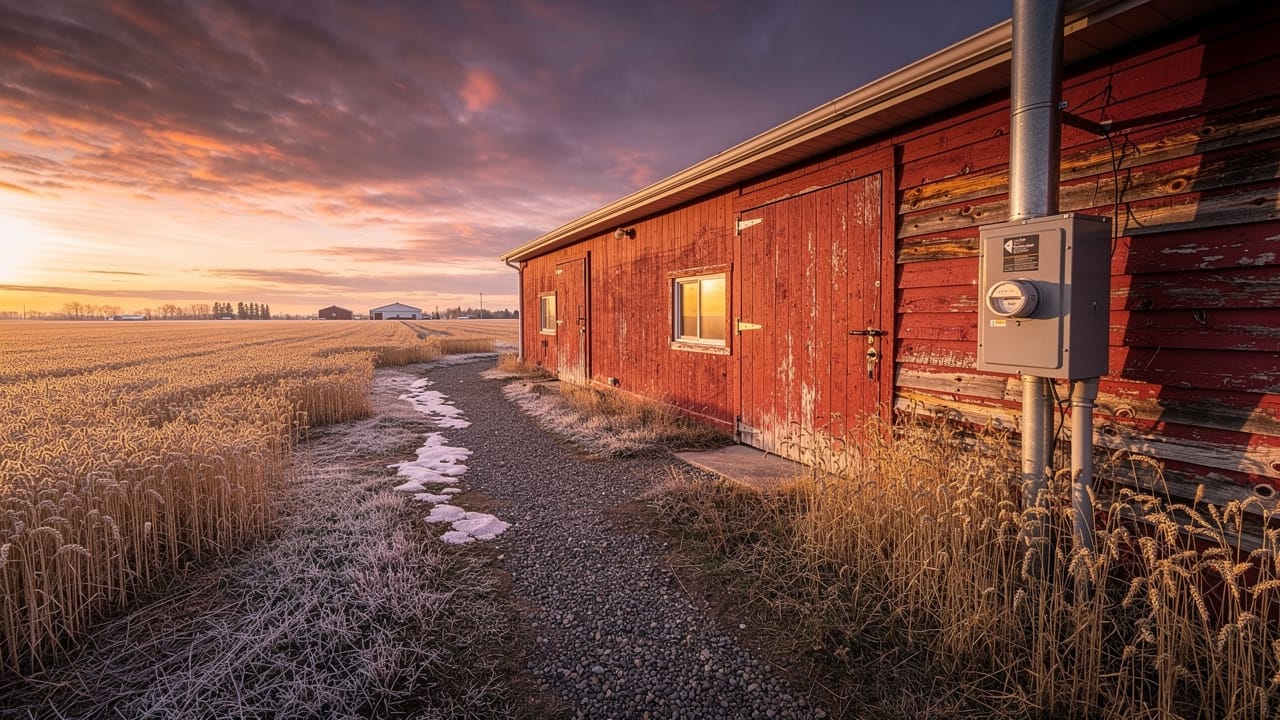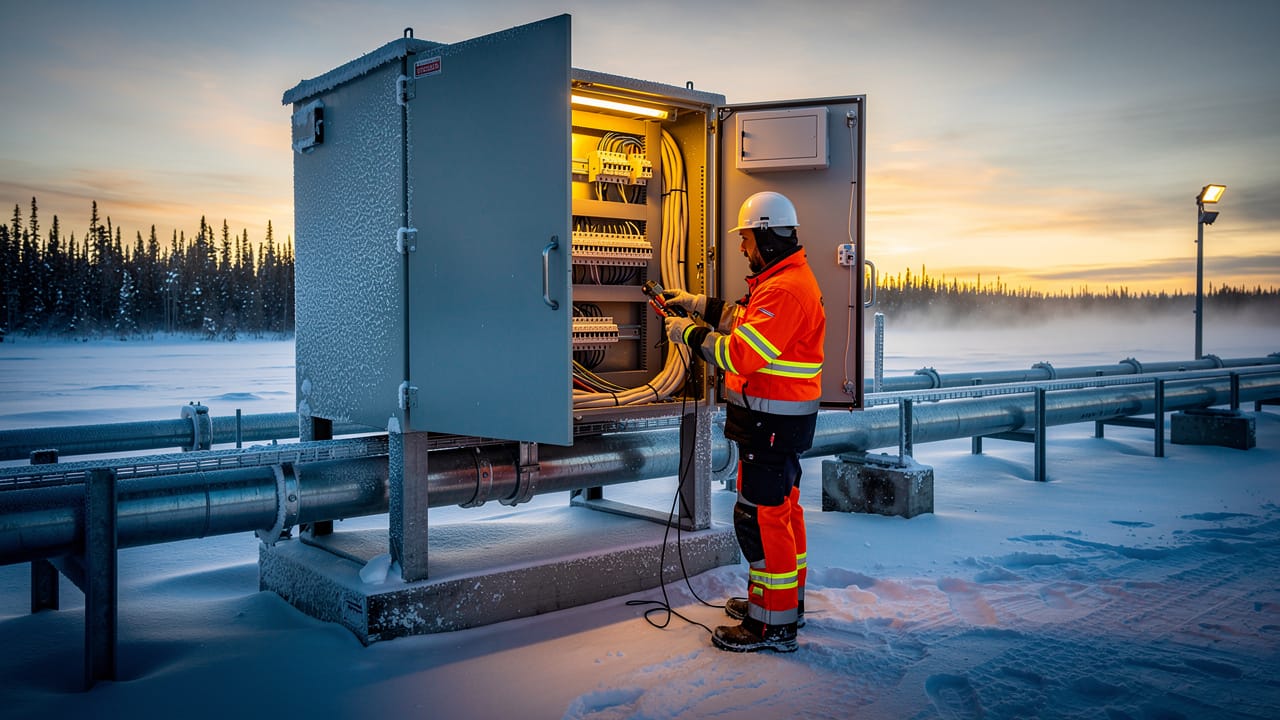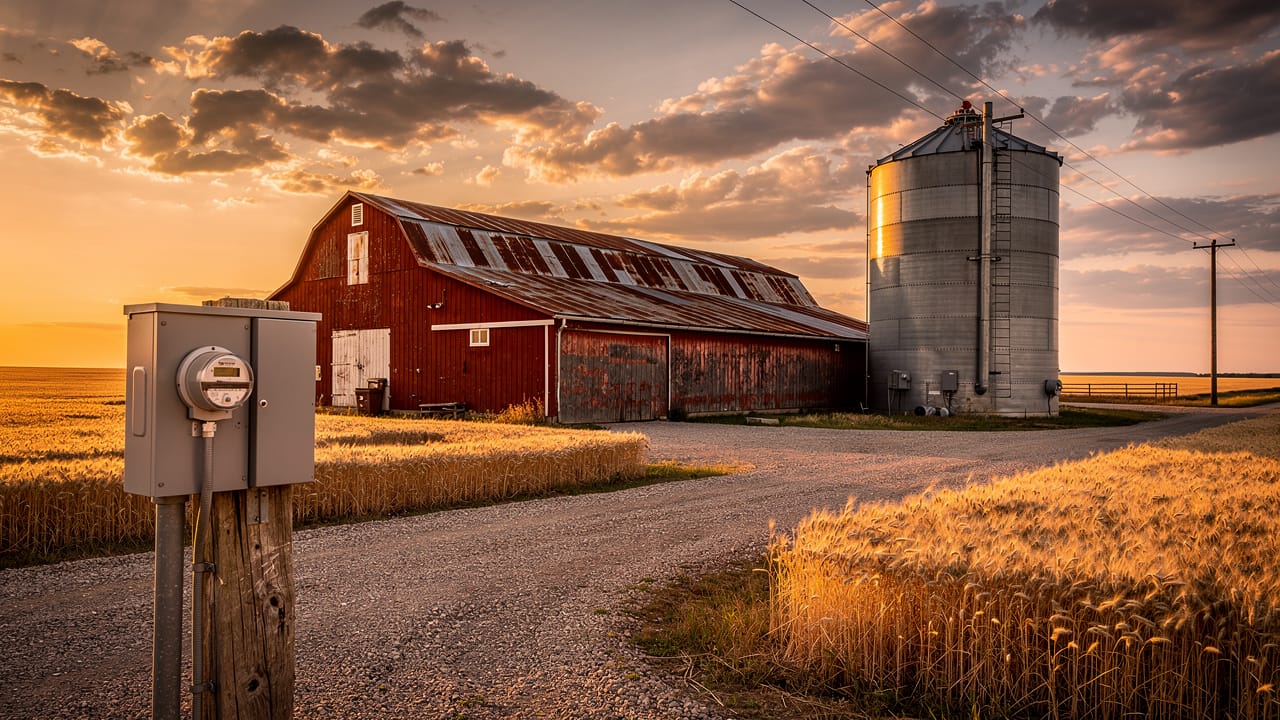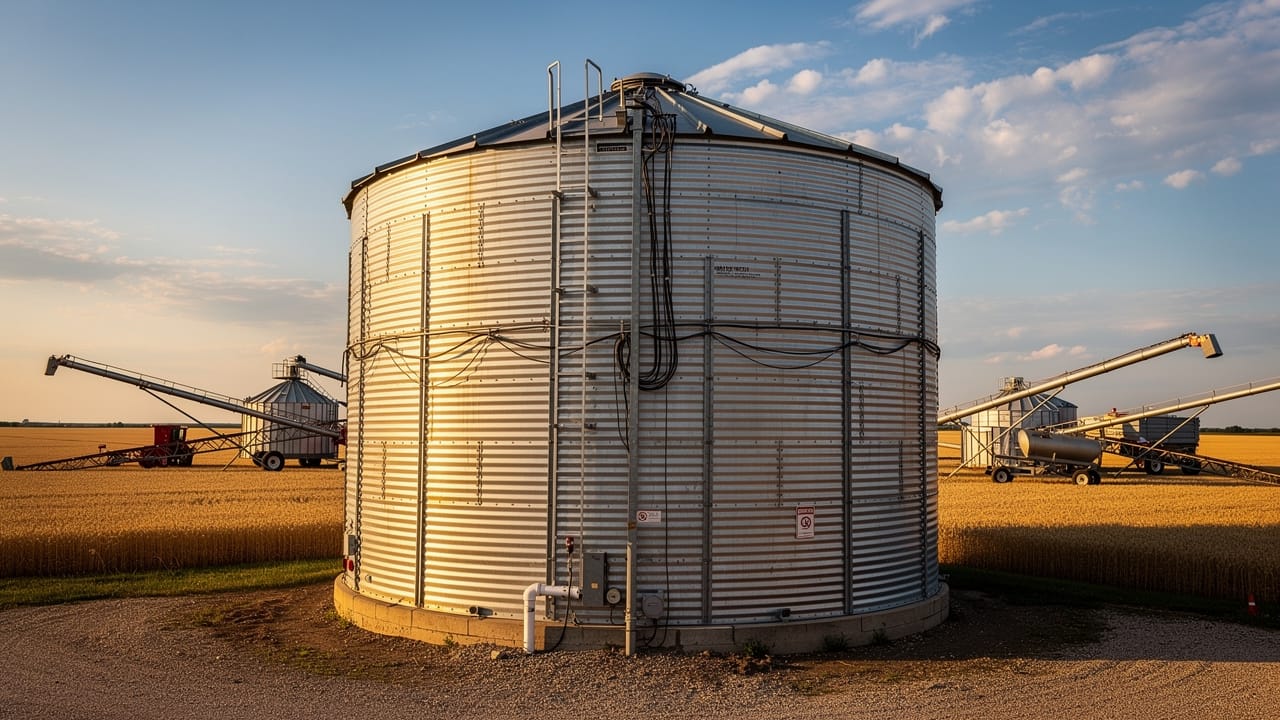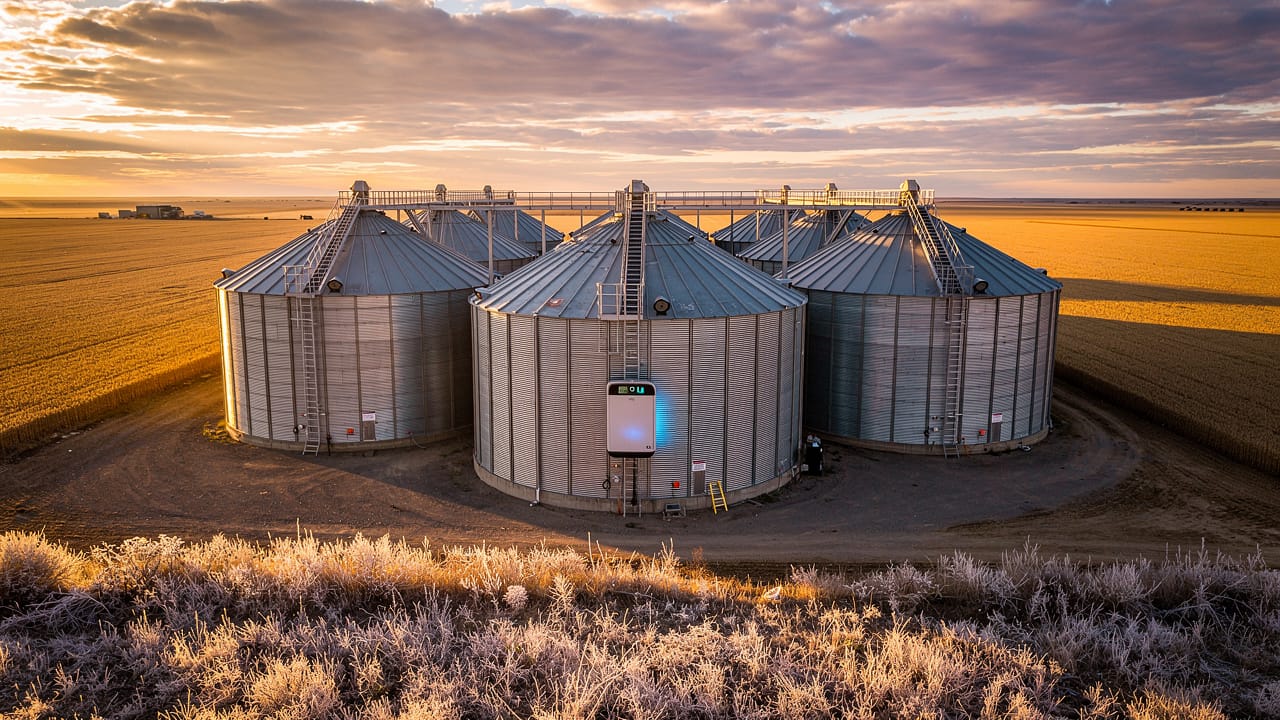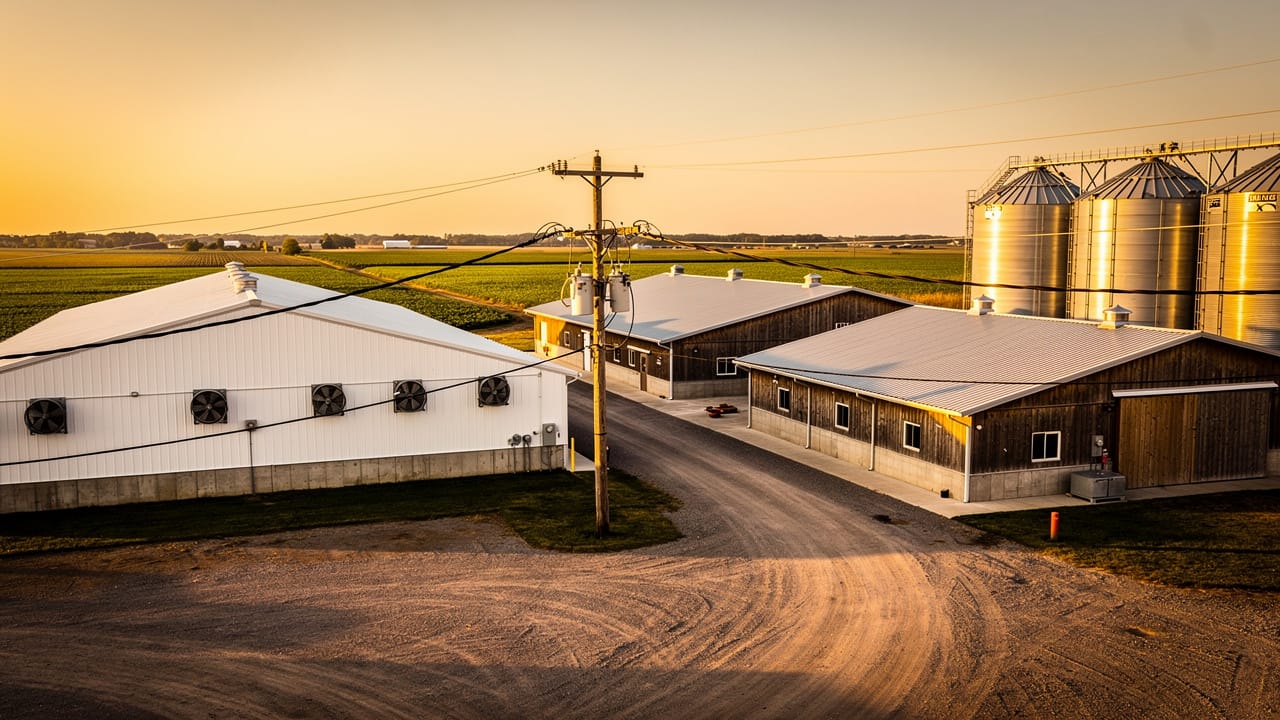
The power flicks off without warning. Barn fans stop. Feed systems sit idle. Alarms go quiet. Grain dryers and aeration fans shut down while a storm rolls across Northeast Alberta. In a few minutes, a normal day on the farm starts to look very expensive. This is the risk that drives more operators to plan serious farm generator installation in Alberta, instead of hoping the grid holds.
Modern Alberta farms run more like compact industrial sites than hobby operations. Livestock barns depend on automatic feeding, heating, and ventilation. Grain systems need steady power for conveyors, dryers, and bin monitoring. Irrigation pumps draw high loads for long hours. When these systems lose power, the cost shows up in animal health, grain quality, labour, and repair bills.
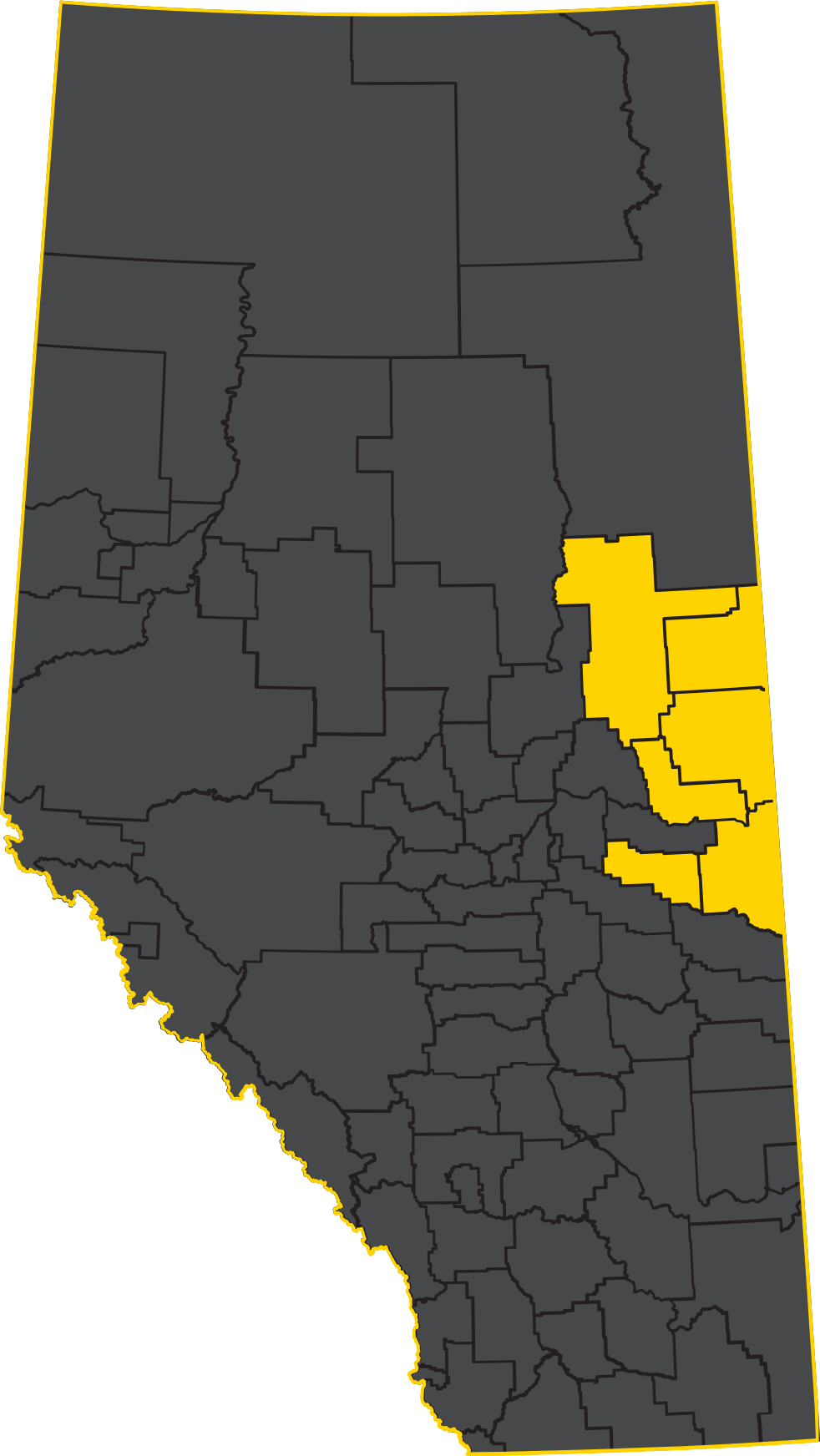
For farms around Bonnyville, St. Paul, Cold Lake, Vermillion, Glendon, and surrounding rural areas, long outages are common and grid strength is not always reliable. That is why professional farm generator installation in Alberta should be viewed as core infrastructure, not a quick purchase after the first big outage. Cove Electrical focuses on these power-dependent operations, bringing experienced electrical supervision and agricultural experience to every project. A well-designed backup power system protects livestock, grain, water, and automation, and the right partner makes farm generator installation in Alberta straightforward and safe.
“Backup power is as important as any piece of iron on the yard,” is how many Alberta producers describe their generator after the first major outage.
Key Takeaways
Backup power planning can feel like one more project on a long list, so this section captures the main points before we go deeper.
-
Power failures on Alberta farms create fast, measurable losses. A correctly sized standby generator for farms in Alberta, based on a real load audit, turns that risk into a controlled event instead of a crisis. Cove Electrical treats generator sizing as engineering work, not guesswork with a catalogue.
-
Safe farm generator installation in Alberta relies on proper transfer equipment and code compliance. A correctly wired transfer switch and full compliance with the Canadian Electrical Code protect workers, utility crews, and equipment from dangerous backfeed and other faults. A licensed generator installer in Alberta like Cove Electrical manages permits, inspections, and all code details.
-
Ongoing farm generator maintenance in Alberta keeps the system dependable. Routine testing, fuel checks, and transfer switch inspection keep equipment ready for real outages. Cove Electrical offers long-term farm electrical generator service across rural Alberta to support this.
Why Alberta Farms Cannot Afford Power Failures
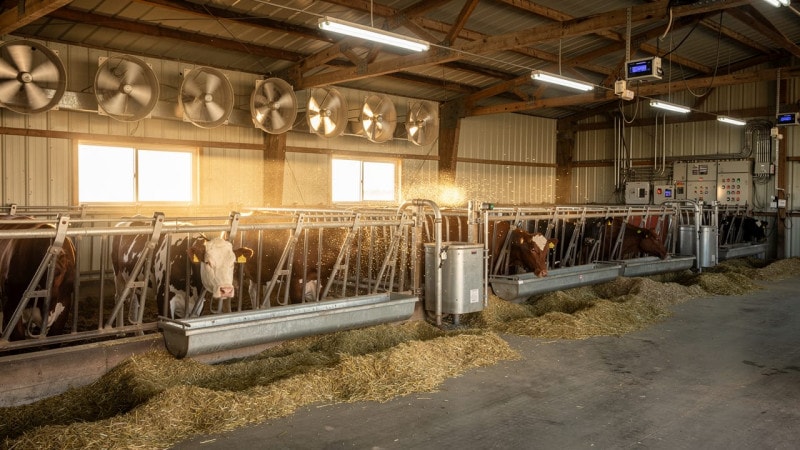
Power loss on an Alberta farm is more than an inconvenience. It is a direct hit to production, animal welfare, and long-term equipment health. Many operators in Northeast Alberta already treat emergency backup power for farms in Alberta as essential, because a single major outage can cost more than a complete backup generator installation for the farm.
Livestock barns are among the most sensitive areas. Ventilation fans, heaters, and circulation systems keep animals within a safe temperature band. When those stop, barns heat up or chill down fast, especially during winter cold snaps or summer heat waves. Automated feeders and waterers also depend on steady power. Even a short interruption can:
-
Stress animals and affect welfare
-
Reduce growth, weight gain, or milk output
-
Trigger health issues in young or high-producing animals
-
Force hours of manual feeding and watering
Grain handling and storage bring another set of risks. Grain dryers, augers, aeration fans, and bin monitoring systems depend on steady power to control moisture and temperature. If power fails while bins are near the edge of safe moisture levels, a few hours of still air can start spoilage or crusting. During harvest, when bins are full and grain is moving fast, a dead dryer or conveyor due to an outage can cause major losses that never come back. This is where a well-planned agricultural generator installation in Alberta often pays for itself over a few seasons.
Water and irrigation systems also rely on strong and steady power. Well pumps supply barns and homes, while irrigation pivots and pumps draw heavy loads for long periods. A stopped pump during a hot, dry spell can hurt crops just when yield is being set. Loss of water for livestock is even more serious. For many operators, on-site generation is not just backup, it is part of a dependable water plan — and community opposition to new generation infrastructure, as seen when residents rally to keep large power plants out of their backyards, underscores that grid expansion in rural Alberta faces real obstacles.
Finally, there is the rural reality. Farms around Bonnyville, St. Paul, Vermillion, and similar areas often sit at the edge of utility networks — and as coverage from CBC News shows, do AI data centres and other large power consumers are adding new pressure to Alberta’s rural grid capacity. Outages can last many hours, sometimes days, and crew access is limited during storms.
“On a modern farm, power is as vital as feed and water,” is a common rule of thumb among livestock producers.
When the numbers are added up, a strong standby generator for farms in Alberta usually costs less than one major outage across livestock, grain, and irrigation. That is why more operations treat farm power generator setup in Alberta as core infrastructure rather than a nice-to-have accessory.
What to Look for in a Farm Generator Installation Service in Alberta
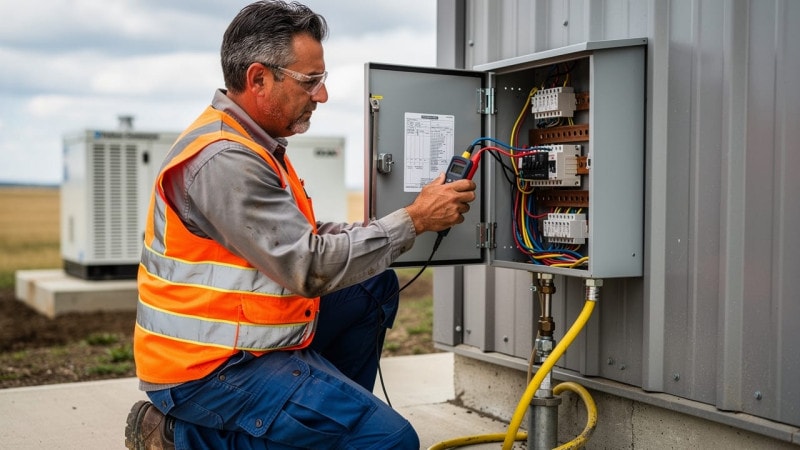
Choosing a partner for farm generator installation in Alberta is as important as picking the generator itself. A poor design or rushed hookup can leave critical loads unprotected or create serious safety hazards. A strong provider treats the project like industrial electrical work, not a simple appliance install.
When you compare providers, focus on:
-
Licensing And Code Compliance
Generator installations in Alberta must follow the Canadian Electrical Code and provincial rules. Transfer switch wiring, grounding, bonding, conductor sizing, and overcurrent protection are all inspected items. Improper work can send power back onto utility lines, endangering line workers and damaging farm gear. Working with a licensed generator installer in Alberta like Cove Electrical means permits and inspections are handled properly, and the system passes without surprises. -
Agricultural Experience
Barns, parlours, grain systems, and irrigation setups have high motor starting loads and a mix of single and three phase equipment. A generalist electrician may not fully understand the surge current of large well pumps, augers, or fans, or how bin monitoring devices react to poor power quality. Cove Electrical focuses on agricultural generator installation in Alberta, designing systems that support livestock facilities, grain handling lines, and farm automation rather than just basic lights and plugs. -
Accurate Load Analysis
Undersized generators may start but trip off as soon as several motors try to start together. Oversized units cost more to buy and feed, and often run at light load, which shortens life. Cove Electrical carries out a full load review that considers running watts, motor starting currents, phase and voltage needs, and planned growth. This keeps commercial generator installation in Alberta efficient for mixed farm and agribusiness sites as well. -
Correct Transfer Switch Selection
Transfer switch selection is worth close attention. Automatic transfer switches suit operations that need hands-free response, especially remote barns or off-site pump stations. Manual switches may work for smaller sites where someone is always nearby. Either way, the right switch is central to safe generator installation service in rural Alberta. -
Gear That Stands Up To Farm Conditions
Farm environments are tough on electrical gear. Moisture, dust, ammonia, and vibration can wear out cheap components fast. Cove Electrical chooses wiring methods and control hardware intended for barns and grain facilities, so a diesel generator for farm in Alberta, propane unit, or natural gas set stays reliable in real conditions. For operators looking at propane generator farm installation in Alberta or natural gas generator farm setups in Alberta, that experience makes a clear difference over the long term.
How Professional Farm Generator Installation Works
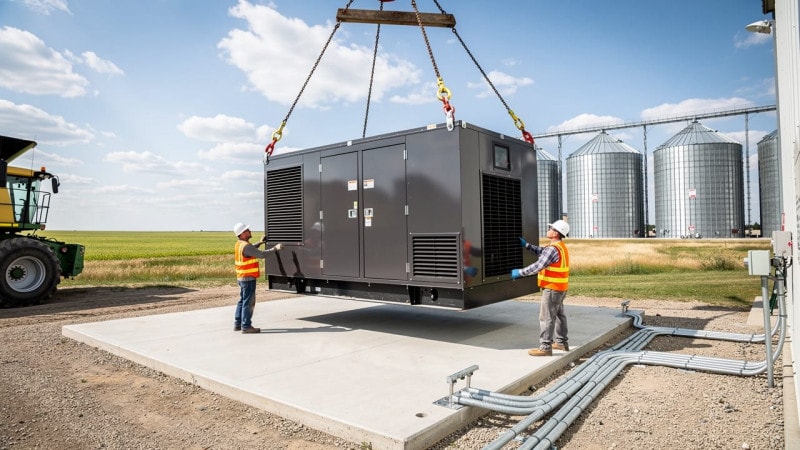
A professional farm generator installation in Alberta follows a clear process from first visit to final test. This step-by-step method reduces surprises, exposes weak points in existing wiring, and makes sure critical loads have the support they need when the grid goes dark.
-
Electrical Assessment
Cove Electrical visits the farm and walks through barns, grain systems, shops, and pump sites to see how power is used day to day. Panel capacity, breaker condition, conductor sizes, and any past add-ons are reviewed. This is the time to find outdated wiring, overloaded panels, or unsafe connections before adding a generator. For many operators, this assessment also uncovers chances to tidy up panels and improve reliability across the property. -
System Design And Sizing
Based on the site visit, Cove Electrical defines which loads must run during an outage and which can wait. This might include fans, heaters, feeding systems, select lighting, water pumps, and key grain equipment. With that list in hand, the team sizes a generator that can handle both running and starting loads. Fuel type is chosen here as well, whether a diesel generator for farm in Alberta, propane generator farm installation in Alberta, or natural gas generator farm in Alberta fits best. Design also covers grounding, bonding, cable routing, and any changes needed for generator hookup on a rural property in Alberta. -
Installation And Integration
The generator is set on a stable pad with clear access for service and ventilation. The transfer switch, manual or automatic, is wired into the main distribution so that generator power and grid power cannot exist on the same conductors at the same time. Branch circuits that feed barns, grain handling, or irrigation can be grouped into a whole farm generator system in Alberta or limited to critical circuits, depending on budget and needs. All work follows the Canadian Electrical Code and provincial standards, with safety as the starting point. -
Commissioning And Testing
Cove Electrical simulates a power outage to confirm that the transfer switch senses loss of grid supply, starts the generator, and moves the load smoothly. Voltage and frequency are checked under real farm loads. Operators are shown how to start and stop the unit, how the automatic features work, and what regular checks look like. This is also when options for off grid farm power in Alberta, future expansion, or farm generator repair in Alberta support are discussed, tying the installation into a full farm electrical generator service in Alberta plan.
Farm Generator Maintenance – Protecting Your Investment
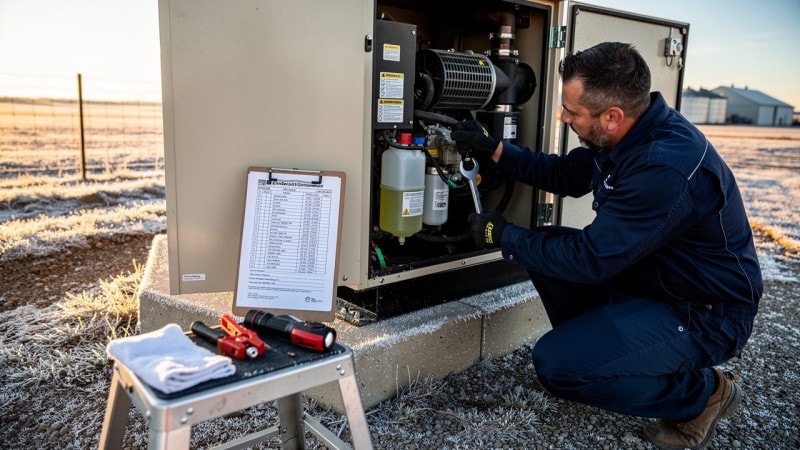
Installing a generator is only the first half of the job. Without regular care, even the best farm generator installation in Alberta can fail at the worst time. Farm sites are dusty, often damp, and see big temperature swings, which all shorten the life of electrical and mechanical parts.
A neglected generator is a liability. Fuel can degrade or grow contaminants, especially in diesel tanks that sit for long periods — and as technical analysis on generator bearing failures: root cause investigation confirms, integrated data from routine servicing is critical to catching mechanical faults before they cause costly failures. Batteries lose charge or corrode, so the set will not crank when the transfer switch calls for it. Filters clog, oil breaks down, and coolant levels drop. Many failures occur during the first long outage after years of light use, simply because no one tested and serviced the unit in quiet seasons.
“The worst time to find out a generator will not start is during a storm,” is a standing joke among service technicians, but it comes from real breakdowns they see every year.
A solid maintenance plan for farm generator maintenance in Alberta usually includes:
-
Regular load testing so the unit runs under real or simulated load, letting problems show up on a calm day instead of during a storm
-
Fuel system inspections for water, sludge, or algae, with special care for diesel units in cold weather
-
Scheduled oil, coolant, and filter changes based on hours of use and manufacturer guidance
-
Battery tests and terminal cleaning so the starter can do its job
-
Transfer switch inspection, so contacts and control boards work when called on
Transfer switches need almost as much attention as the generator itself. A failed switch can leave a working generator isolated from the farm. Cove Electrical includes transfer switch checks in routine visits for generator installation service in rural Alberta, so both sides of the system are ready. When faults do appear, fast farm generator repair in Alberta keeps downtime short and protects the investment made in the original install. For operators who count on their generator every storm season, this maintenance is as important as the installation.
Conclusion
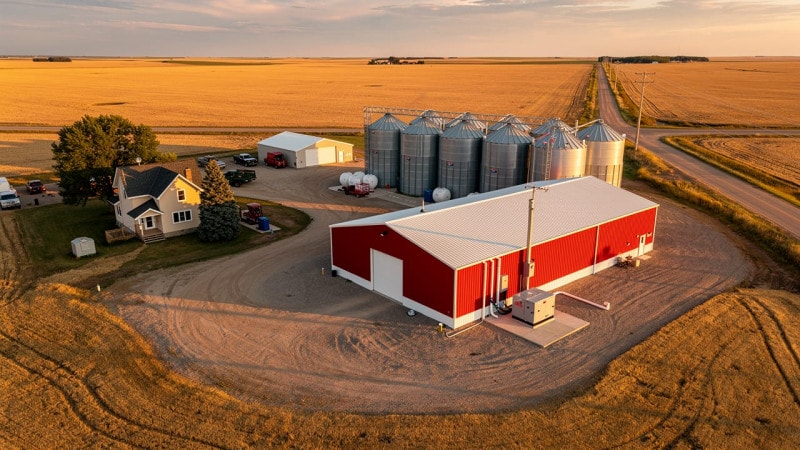
For serious farm operations in Alberta, steady power is not a nice bonus; it is a basic requirement. Livestock welfare, grain quality, automation, and water supply all depend on electricity that does not stop when the grid does. A planned farm generator installation in Alberta, backed by proper sizing and ongoing service, turns that requirement into a controlled, reliable system.
Cove Electrical focuses on operations that cannot afford downtime. With years of agricultural electrical experience and strong agricultural field experience, the team designs and installs code-compliant systems that match real farm loads, not guesses. If a standby generator for farms in Alberta is on the planning list, the best time to act is before the next storm season. Contact Cove Electrical for a farm electrical assessment and generator system consultation across Northeast Alberta, and put a dependable backup power plan in place before the next outage hits.
FAQs
Do I Need A Permit For A Farm Generator Installation In Alberta?
Yes, any serious farm generator installation in Alberta needs an electrical permit and inspection. Work must follow the Canadian Electrical Code and Alberta safety rules, including proper transfer switch wiring, grounding, bonding, and conductor sizing. Cove Electrical, as a licensed generator installer in Alberta, handles permits and inspection coordination so the project moves smoothly from design to approval.
What Size Generator Does A Farm In Alberta Typically Need?
There is no standard size that fits every farm. The right capacity depends on a careful load review that includes running watts, motor starting currents, phase needs, and which circuits are classed as critical. Cove Electrical completes this audit for each farm generator installation in Alberta, so operators avoid both costly oversizing and dangerous undersizing.
What Fuel Type Is Best For A Farm Generator In Alberta – Diesel, Propane, Or Natural Gas?
Each fuel type serves a different kind of site:
-
A diesel generator for farm in Alberta works well where there is no gas line and operators are comfortable managing on-site fuel.
-
Natural gas fits locations with steady gas service and provides long runtime without refuelling.
-
Propane suits rural areas without natural gas, especially for smaller sets.
During the assessment for your farm generator installation in Alberta, Cove Electrical reviews runtime needs, access, and cost to recommend the best option for your operation.
Does Cove Electrical Serve Rural Areas Outside Of Major Alberta Cities?
Yes, Cove Electrical is built around rural and remote work rather than city projects. The team serves farms and operations across Northeast Alberta, including Bonnyville, St. Paul, Cold Lake, Vermillion, Glendon, Aedmore, and Fort Kent. For operators who need dependable generator installation service in rural Alberta, Cove Electrical brings farm-focused experience and ongoing support right to the yard.