Thunder rattles the windows, the wind picks up, and then everything goes dark. In the barns, alarms go silent and fans slow to a stop. On a poultry or hog farm, those few minutes can decide whether animals stay safe or not. Safely handling farm electrical outages at that moment is not theory. It is the line between a bad night and a full-scale disaster, with no time to hunt for extension cords or guess at which breaker does what.
Research such as the Cal Poly Humboldt study highlights how infrastructure vulnerabilities — including powerline risks — can trigger widespread outages that leave operations like modern farms, which run more like small industrial plants than large homes, suddenly without power. Barn ventilation, well pumps, milk coolers, automated feeders, grain dryers, irrigation systems, and security cameras all depend on steady power. When an electrical outage on farm sites shuts those systems down, farm electrical safety, product quality, and staff safety all come under pressure at once.
This article gives a clear, practical framework for farm power outage safety before, during, and after an event. It covers emergency planning, backup power choices, and step-by-step actions once the lights go out and again when power comes back. Along the way, it shows how professional backup power and electrical design from specialists such as Cove Electrical in Alberta support a steady, long-term approach instead of last-minute patches.
Key Takeaways
For a quick overview, these are the main points to keep in mind.
-
Treat power loss as an emergency. A simple written outage plan keeps people focused when stress levels rise. Staff who rehearse that plan move faster and make fewer mistakes.
-
Use a properly sized standby generator. A standby unit with an automatic transfer switch gives the most dependable backup power for most farm sites. It starts within seconds of grid failure and feeds only chosen circuits. It also keeps generator power away from utility lines.
-
Ventilation, water, and milk cooling come first. During an outage, those loads sit at the top of the priority list. After every outage, walk the site, inspect electrical gear, and refuel. An agricultural electrician such as Cove Electrical designs systems that support this way of working.
-
Test your plan and equipment regularly. Short practice drills and scheduled generator test runs a few times a year keep people confident and expose weak spots before a storm does.
What Happens When the Power Goes Out on a Farm
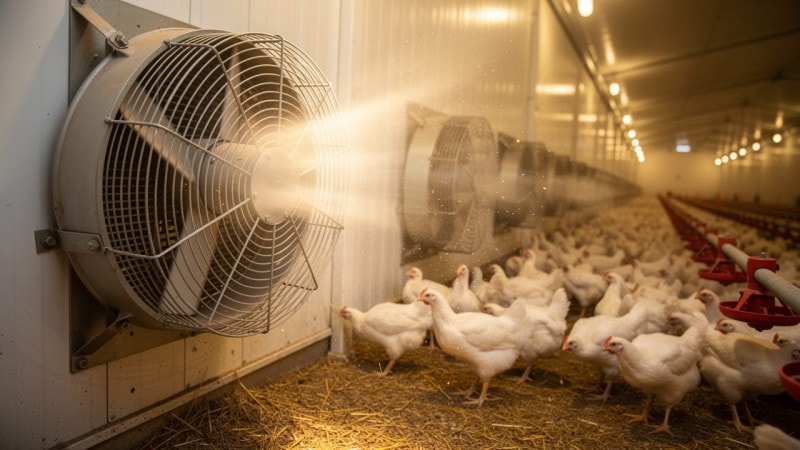
A farm power outage is not the same as lights flickering in a house. During an agricultural power failure, every minute without fans, pumps, or controls carries real risk. Good farm power outage safety starts with clear awareness of how fast conditions can slide.
In enclosed poultry or hog barns, ventilation fans act as life support. Without them, heat, humidity, and gases such as ammonia build up very fast. Within minutes, animals can shift from mild stress to breathing trouble or even death. Waterers and automated feeders also stop, which adds more stress and can trigger health issues later.
Dairy operations face a different but just as serious problem. When milking stops on schedule, cows feel pain and may develop mastitis and other health issues. At the same time, bulk tank cooling shuts off, and warm milk starts to lose quality in a short time. That product may end up rejected, which means direct financial loss rather than income.
For grain and crop producers, an outage during active drying or aeration stops fans and leaves warm, moist grain sitting still. This creates perfect conditions for mould and spoilage that can write off an entire bin. Electric irrigation pumps also stop, which can harm high-value crops during a dry spell. Security cameras, gate controls, lighting, and data systems go dark as well, which makes it harder to see problems and manage staff safely.
All of this adds up to more than inconvenience. You face lost production, animal welfare concerns, spoiled product, and possible issues with regulators or buyers. Modern farms operate as complex industrial sites, so one weak point in the electrical system can send trouble across the entire operation. A clear farm outage plan turns that risk into a problem you can manage rather than a crisis that runs away from you.
How To Build a Farm Power Outage Emergency Plan

Good results during a blackout start long before the storm. A farm power outage emergency plan turns guesswork into clear steps that anyone on the team can follow. The goal is simple, fast action that puts safety first and keeps key systems alive.
Build your plan around four main pieces:
-
List and label critical loads.
Begin by walking every building and writing down each piece of equipment that must stay live during an outage. This list usually includes barn ventilation fans, well pumps, milk coolers, automated feeders and waterers, sump pumps, alarms, heat lamps, and key lighting. Match that list to breakers in each panel, and label those breakers in plain language. When the lights go out at three in the morning, that labelling saves time and reduces error. -
Write the outage plan and practice it.
Put a written plan in a real binder, not just on a phone. Set out who makes safety calls, who starts or checks the generator, who walks barns, and who speaks with the utility. Run short practice drills a few times each year so staff can follow the plan without a long debate during the event. -
Keep a paper contact sheet.
A physical contact sheet sits inside that binder and beside the main panel. It lists the utility outage line, a licensed agricultural electrician such as Cove Electrical, the generator service company, fuel supplier, and veterinarian. When cell service or data drops, that paper copy still works. -
Stock an emergency kit and fuel reserve.
An emergency kit rounds out the plan — and guidance like Lights Out, Pantry Full: from Penn State Extension shows how food and supply preservation strategies can further strengthen your household and farm readiness during extended outages. Keep flashlights or headlamps with fresh batteries, a battery-powered radio, first aid supplies, bottled water, and spare mobile chargers in a single, easy-to-reach spot. Store safe fuel for at least seventy-two hours of generator use in approved containers away from any flame or heater. The best time to fix weak spots in farm electrical safety is before the next storm, and a tested plan cuts response time when power fails in the middle of the night.
As Benjamin Franklin is often quoted, “By failing to prepare, you are preparing to fail.” That line fits farm outage planning perfectly.
Choosing and Operating Backup Power for Your Farm Safely
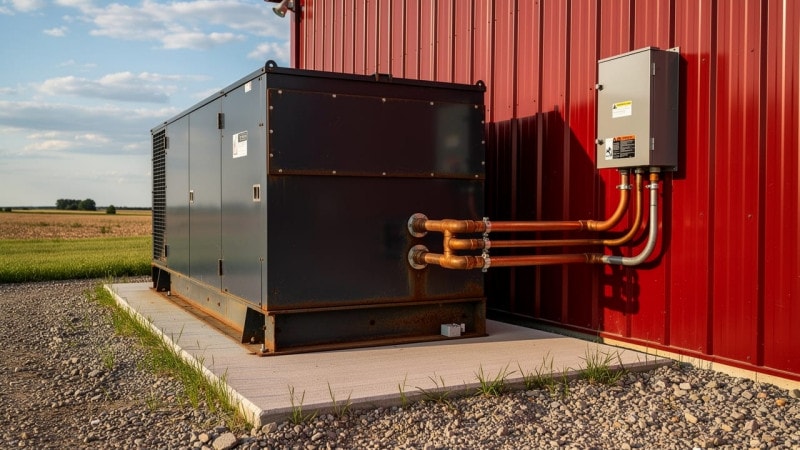
A reliable farm emergency power supply turns a blackout from a crisis into a hard but manageable day. For most operations, that means some form of generator ready to carry the loads that matter most. The right backup power for farms depends on how critical your systems are and how remote your site is.
Small portable generators can keep a few lights or a single pump running, but they demand a lot of manual work. Cords need to move in the dark, fuel tanks run dry quickly, and placement mistakes can create deadly carbon monoxide inside barns or houses. Portable units may work for a remote well or a small shed, but busy livestock and dairy sites usually need more. By contrast, a properly sized standby generator sits on a pad, ties into your wiring, and starts on its own when grid power fails.
A standby generator for farm use needs careful design, not guesswork. Cove Electrical performs detailed load checks, separates critical circuits into a dedicated panel, and then sizes natural gas, propane, or diesel units to match that load. The team also handles concrete pads, safe exhaust routing, and feeders that connect the generator into the heart of the system.
An automatic transfer switch sits between the utility feed and the backup set. When grid power drops, it isolates the farm from the line, tells the generator to start, and connects selected circuits within seconds. When power returns, it moves the load back in a controlled way and lets the generator cool down. This device prevents backfeeding, which sends power out on utility lines and can injure or kill line workers. The Canadian Electrical Code requires that generators connect through proper transfer gear, and only licensed electricians should install that gear.
Many experienced electricians share the same reminder: “The safest generator is the one you test before the storm, not during it.”
Even the best equipment needs safe habits during a real outage, so a few farm generator safety tips matter just as much as the gear itself:
-
Run portable generators outside. Place portable generators outdoors on firm ground well away from buildings. A minimum distance of six metres from doors, windows, and air intakes helps keep exhaust out of barns and homes. Carbon monoxide has no smell and can build up fast, so detectors with fresh batteries in living areas give an extra layer of safety.
-
Fuel with the engine off and cool. Shut the unit down and let it cool fully before adding fuel. Spilled fuel on a hot engine or muffler can flash into fire without warning. Store fuel in approved containers in a dry, well-ventilated shed away from animals and ignition sources.
-
Add electrical loads in stages. Bring loads onto the generator in stages rather than all at once. Start the largest motors first, such as well pumps or big fans, then add smaller loads while you watch the ammeter or status display. If breakers start to trip or the engine lugs, remove some load right away.
Managing Critical Systems During and After an Outage
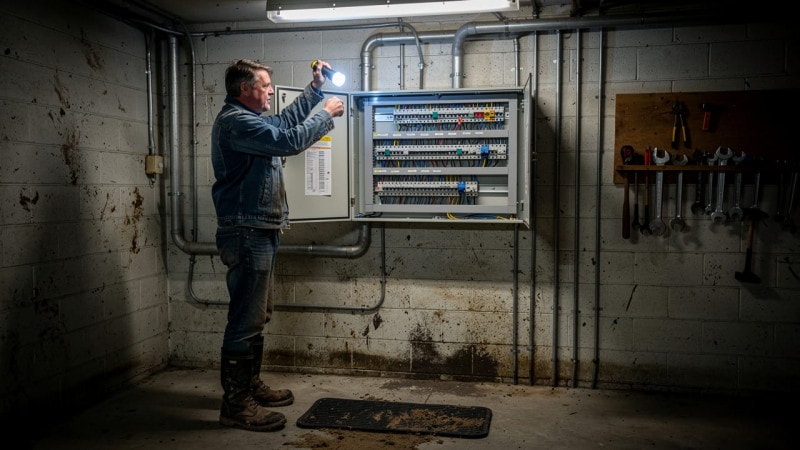
Good rural power outage preparedness starts with a calm first check rather than panic. Use a flashlight to reach the main panel and look for tripped breakers or obvious damage. If the panel looks normal, call the utility outage line and check whether neighbours also have no power. Treat any downed line on your property as live and stay at least ten metres away.
Power companies repeat one message after every storm: “Treat every downed line as energized and stay back.”
Once you confirm a wider outage, move to your farm electrical emergency plan. Switch the transfer gear to generator mode if you use a manual device, or confirm that the automatic system has already done so. Turn off non-essential breakers so the generator sees only the most important circuits during startup.
In livestock and poultry barns, ventilation sits at the top of that list. Fans keep temperature, humidity, and ammonia in a safe range, so they should receive backup power first. As soon as fans run, check that waterers or well pumps also have power so animals never lose access to clean water. These steps sit at the heart of power outage livestock management.
For dairy farms, bulk tank compressors join that first group of loads. Keep tank lids and cooler doors closed as much as possible to hold cold air. In grain operations, an outage during drying calls for quick action to restore fan power or at least open vents for natural airflow. Without that, moisture pockets can form and spoil stored grain.
When the utility reports stable power, prepare for a clean change back to the grid. For manual transfer switches, move the handle to the utility position before you shut the generator down. Then bring breakers back on one by one over ten or fifteen minutes so motors do not start together. Walk the site, listen for odd sounds from motors or fans, and look for tripped protections. Finally, refuel the generator, recharge portable lights, and restock the emergency kit while the event is still fresh in mind so farm power restoration safety stays strong for the next outage.
Conclusion
Safely handling farm electrical outages depends on more than a few extension cords in a storm. It calls for a clear plan, labelled panels, trained staff, and backup equipment that works every time. Random hookups or last-minute fixes put animals, staff, and income at risk.
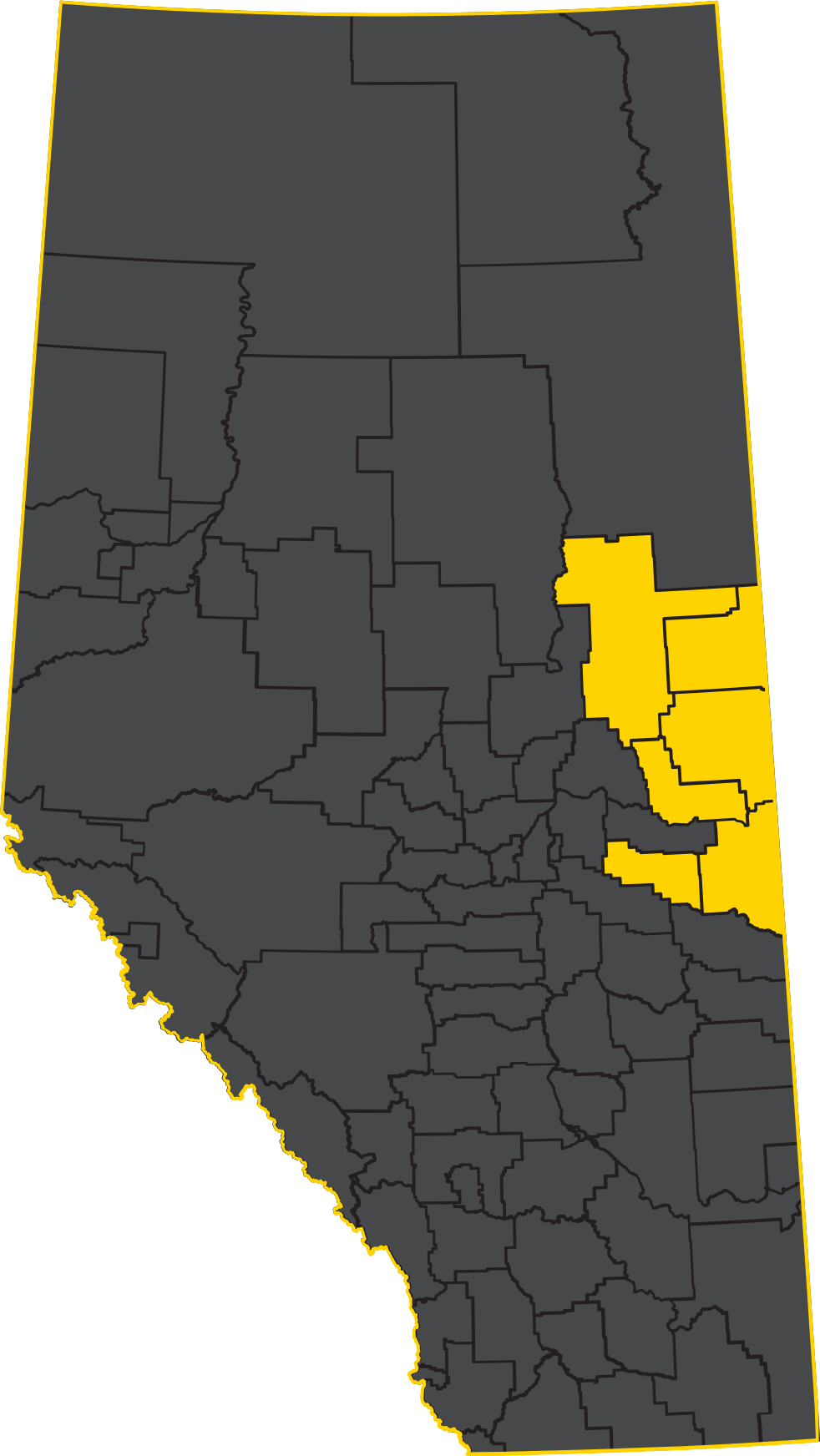
Standby generators with proper transfer switches, sized and installed by licensed agricultural electricians, form the backbone of reliable farm backup power. Cove Electrical focuses on operations that cannot afford downtime and brings that focus to farms across Alberta. Reach out for a farm power assessment and backup design before the next outage, not after it, and review that plan regularly so it stays current as your operation grows.
FAQs
These quick answers cover questions farm operators ask most often about outage safety and backup power.
What Is the Most Important Thing To Do When Power Goes Out on a Farm?

Start by checking the main breaker panel in a safe, dry area to see whether a breaker has tripped. If the panel looks normal, call the utility to report the outage. Then follow your written plan, with barn ventilation and water systems as the first circuits to receive backup power.
Is It Safe To Run a Generator in a Barn During a Power Outage?
No, running any generator inside a barn, garage, or other enclosed space is extremely dangerous. Exhaust contains carbon monoxide, which can build up and poison people and animals. Place portable units outdoors at least six metres from doors or windows, and use professionally installed standby sets with correct exhaust routing.
Do I Need a Transfer Switch To Run a Generator on My Farm?
Yes, a transfer switch is a safety device required under the Canadian Electrical Code for fixed generator use. It separates the farm from the utility line so power cannot backfeed and harm line workers or damage equipment. Both manual and automatic switches must be specified and installed by a licensed electrician such as Cove Electrical.