The weather station at the nearby airport says calm and mild. Out in a low spot of your field, a thin layer of frost just clipped the emerging canola. Inside the barn, the forecast looks fine, yet birds are panting because fans did not start when the sun hit the metal roof. That gap between what the forecast says and what your crop or livestock actually feels is where money goes missing.
“The weather at the airport is not the weather at the crop.”
— Common saying among prairie growers
Agricultural microclimate monitoring closes that gap. Instead of guessing from regional weather, it measures the real conditions right where plants grow and animals live. Sensors track temperature, humidity, soil moisture, wind, light, and air quality in real time so decisions rest on facts, not assumptions.
On its own though, data is only half a system. Agricultural microclimate monitoring delivers full value when it ties into reliable automation and solid electrical infrastructure. Sensors have to talk to PLCs, PLCs have to control fans, pumps, and heaters, and all of it has to keep running when the grid blinks.
That is where Cove Electrical fits. Our team designs and installs the power, PLC panels, weather stations, and backup systems that keep monitoring and automation working on Alberta farms and other demanding operations. In this article, we will walk through what to measure, where agricultural microclimate monitoring pays off, the practical benefits, why electrical design is the foundation, and how Cove Electrical supports long-term reliability.
Key Takeaways
-
Agricultural microclimate monitoring replaces guesswork with real measurements at the field, barn, or bin. This leads to faster, more confident decisions that directly protect yield and animal health.
-
Key data points include air temperature, humidity, VPD, soil moisture, CO2, light, wind, and barn air quality. Each one links to a real cost or risk. Together they give a clear picture of growing conditions.
-
Applications cover greenhouses, open-field crops, vineyards, orchards, livestock facilities, and grain storage. Each setting uses the same data in different ways to keep inputs tight and margins stronger.
-
Automation tied to PLCs turns sensor readings into action by starting fans, pumps, heaters, and aeration. Reliable electrical infrastructure and backup power keep the whole agricultural microclimate monitoring system online when it matters most.
What Agricultural Microclimate Monitoring Actually Measures
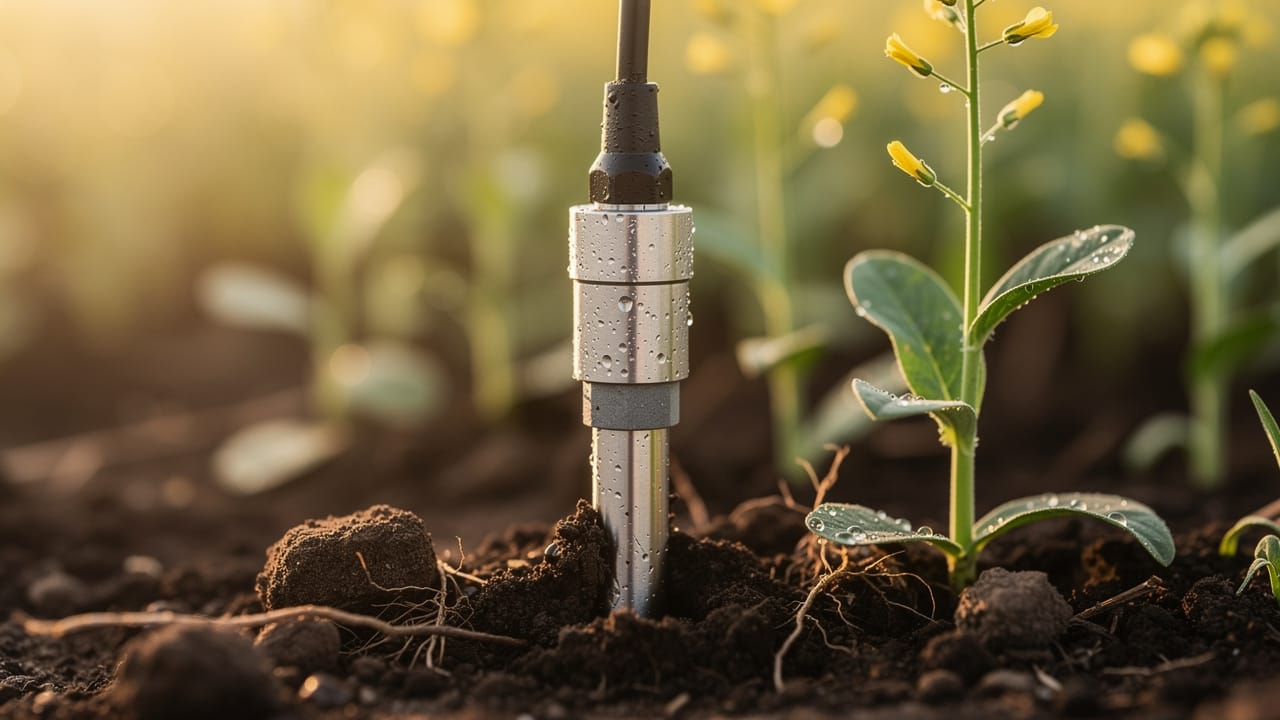
Agricultural microclimate monitoring tracks the conditions that crops and livestock actually experience, not what the regional forecast suggests. Each parameter connects directly to yield, animal performance, and equipment uptime. When these readings feed into your control systems, they move your operation away from guesswork.
Air temperature is the most obvious piece. It drives germination, growth speed, flowering, and grain fill. In a barn, temperature swings show up as stressed animals, slower gains, and higher feed conversion. With microclimate monitoring, you see temperature peaks in hot spots across a field or building, not just at a single weather station.
Relative humidity works closely with temperature. High humidity ties to fungal diseases in crops and wet, stale air in barns. Vapour Pressure Deficit (VPD) goes a step further and shows how hard the air pulls water from plant leaves. When VPD climbs too high, plants close their stomata and growth slows, even if the soil is moist.
Soil temperature and moisture tell you what is happening in the root zone. Cool soil delays germination and root activity. Soil moisture sensors show when only the top layer is wet while deeper roots are dry. With microclimate monitoring in the soil, you can time irrigation to avoid both root rot from too much water and drought stress from too little.
CO2 levels matter in two very different ways. In greenhouses, CO2 is a growth input, so monitoring and adding it at the right time increases yield. In barns, high CO2 points to poor ventilation and air that is hard on lungs, for both animals and workers.
Light intensity, often measured as PAR, shows how much usable light reaches the crop canopy. In greenhouses, this guides when to turn supplemental lights on or off. In the field, it helps with canopy management choices that affect ripening and disease risk.
Wind speed and direction data guide spray timing, frost protection with wind machines, and the risk of physical damage to tall crops. In livestock buildings, air movement patterns tie into draft control and heater performance.
Finally, ammonia and general air quality readings in poultry, hog, and dairy barns provide a direct view of animal comfort. Microclimate monitoring of these gases shows problems before they turn into lost weight, higher vet bills, or mortality spikes.
Where Microclimate Monitoring Delivers Results: Key Farming Applications
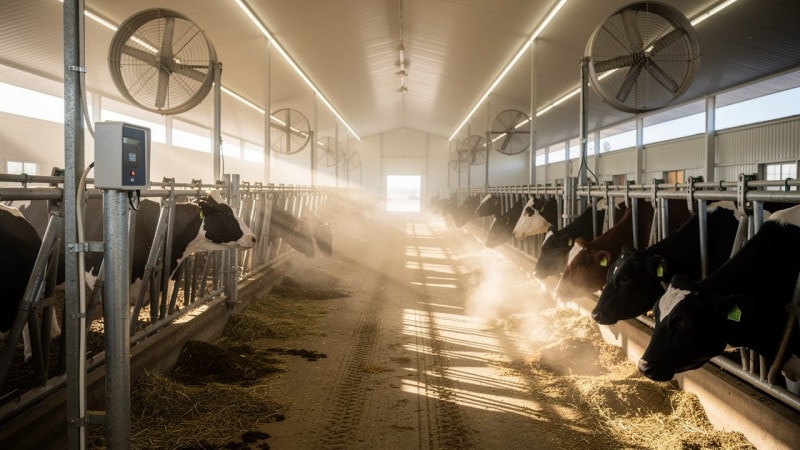
Agricultural microclimate monitoring shows up differently on every farm, but the goal stays the same: better control over the conditions that drive performance. Across Canadian operations, the same core technology supports very different day-to-day decisions.
In greenhouses and other controlled environment agriculture, sensors for temperature, humidity, VPD, CO2, and PAR feed directly into climate control. When readings drift from target, PLCs can open vents, start fans, drive fogging lines, or dim lights. With this closed loop, growers in a cold Canadian winter still hit high yields and consistent quality because the greenhouse environment stays inside tight bands.
Open-field cropping for canola, grains, and potatoes uses agricultural microclimate monitoring in the soil and air. Wireless sensor nodes across a pivot or field block measure soil moisture, temperature, and humidity in each zone. That data supports variable-rate irrigation, so lighter soils get more frequent but smaller sets and heavier areas get less water. Temperature and humidity curves also feed disease models, guiding fungicide sprays when risk is high instead of on a fixed calendar.
Vineyards and orchards see strong gains from hyper-local monitoring. Small changes in slope or elevation can mean big swings in night-time temperature. Sensors in known frost pockets send early alerts so fans, sprinklers, or heaters can start before damage hits. Humidity and leaf wetness readings guide canopy thinning and spray timing, protecting high-value fruit with fewer passes.
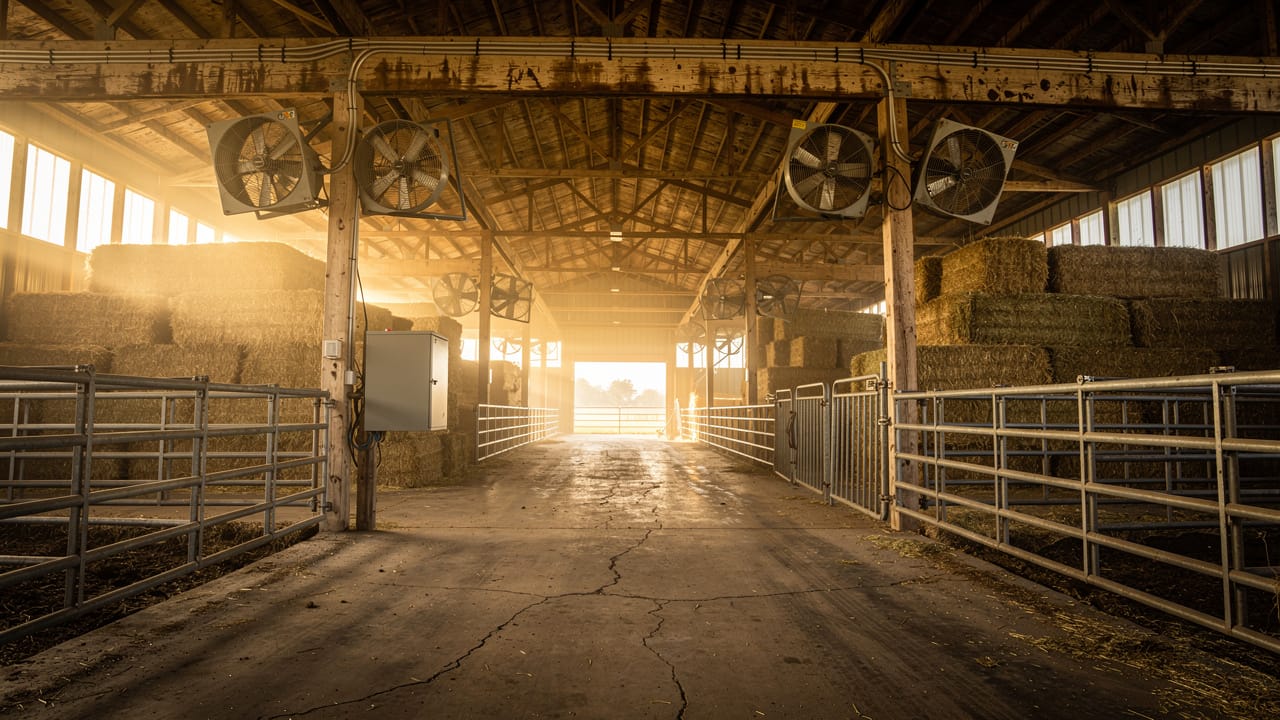
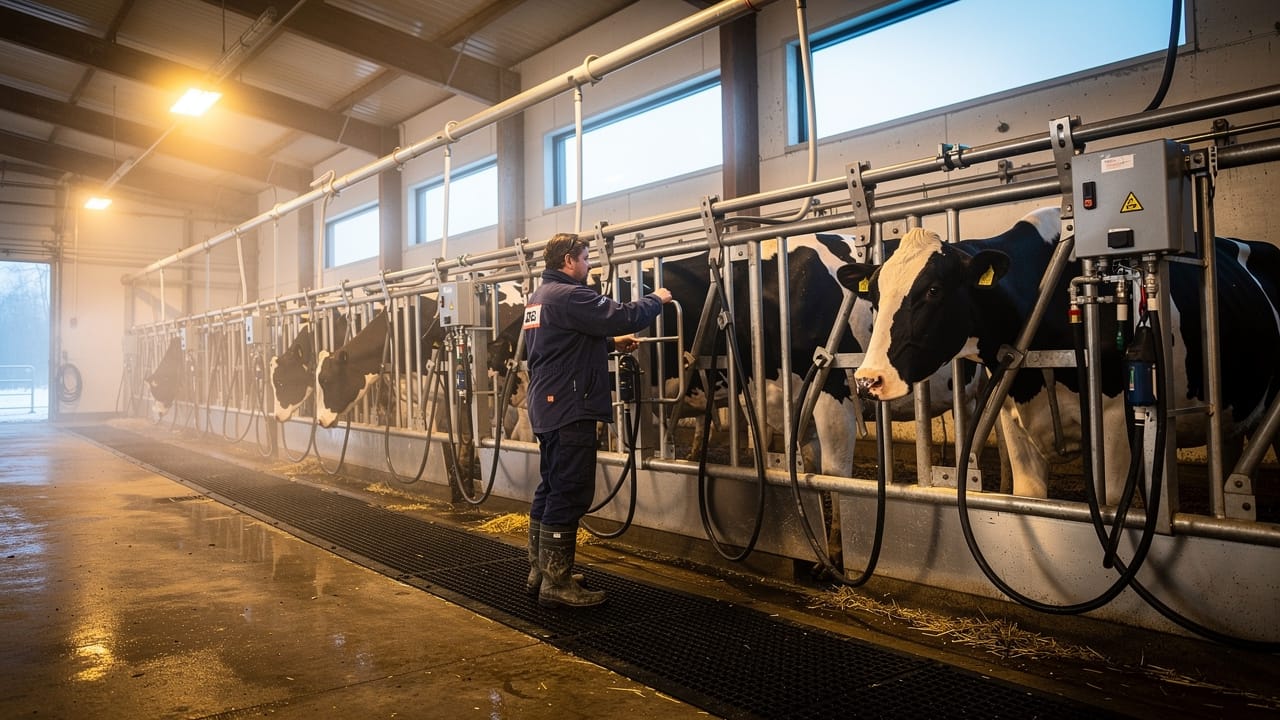
Livestock operations rely on barn microclimate monitoring to keep animals in their comfort zone. Sensors track temperature, humidity, CO2, and ammonia at animal level, not just near the ceiling. PLCs use this data to adjust fan speeds, open inlets, fire heaters, or activate misters. Stable barn conditions cut stress, improve gains, and reduce disease pressure, especially during Alberta’s wide temperature swings.
Grain storage is another major use case. In-bin temperature and humidity cables show where grain is starting to warm or where moist layers form. Aeration fans can then run only when outside air will cool and dry the grain instead of making things worse.
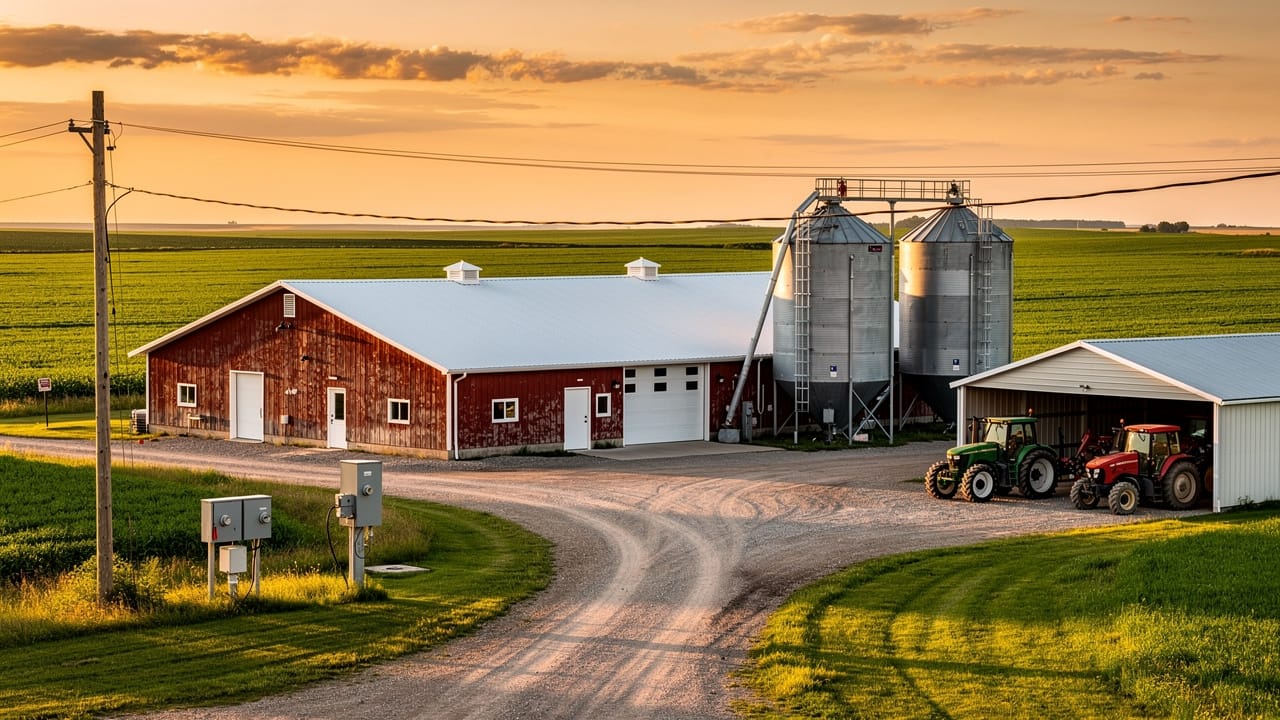
At Cedar Brook Farm near Jarvie, Cove Electrical upgraded the grain handling system with PLC control, grain and oilseed temperature monitoring, high-bin shutoffs, and shaft monitoring on more than twenty points. That combination of electrical design and microclimate monitoring supports early detection of issues and keeps grain quality higher with less guesswork.
The Tangible Benefits: Yield, Efficiency, And Risk Reduction
For farm owners and operations managers, agricultural microclimate monitoring has to show clear payback. The value appears in more saleable product, lower input bills, and fewer surprises that wipe out a season’s work.
“You can’t manage what you don’t measure.”
— W. Edwards Deming
Key gains include:
-
Higher yield and better quality
When crops grow inside their ideal temperature, humidity, and VPD ranges, they reach their genetic potential more often. That means tighter size and grade windows, better colour, and longer shelf life. In livestock, steady barn conditions support better feed conversion and fewer days to market weight. -
Lower water use and pumping costs
Soil moisture and VPD data let irrigation run based on need, not habit. Instead of “every second day for three hours,” you water when the root zone reaches a known refill point. This cuts water use, reduces pumping costs, and lowers the risk of root disease in wet spots. In dry years, microclimate data helps stretch limited water across the whole farm. -
Reduced energy bills
Fans, heaters, coolers, and lights draw power only when readings say they need to. Systems do not run “just in case” all night or start at full speed when a slow ramp would do. That means lower electrical and fuel bills, with no sacrifice in crop or animal performance. -
Less chemical use and fewer passes
By tying disease models to real temperature and humidity curves, you can move from calendar sprays to risk-based sprays. The same applies to insect pressure when models exist. Fewer passes save product, tractor hours, and operator time while still guarding yield. -
Better risk management during weather extremes
Frost, extreme heat, humidity spikes, and poor air quality in barns can all kill income very quickly. Agricultural microclimate monitoring gives early warnings so you can start fans, heaters, irrigation, or aeration before damage is locked in. -
Improved long-term planning
Year-over-year records let you compare fields, zones, and strategies. Instead of guessing why one field under-performed, you can look back at the microclimate and make grounded changes for the next season.
Powering The System: Why Electrical Infrastructure Is The Critical Foundation
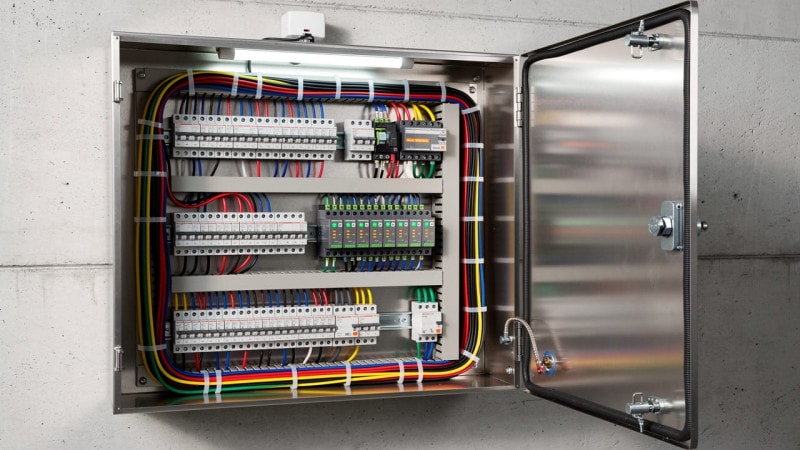
Every part of an agricultural microclimate monitoring system runs on electricity. Sensors, data loggers, communication gear, PLCs, VFDs, and actuators all depend on clean, stable power. When that power fails or wiring is undersized, the system often fails at the worst time, like a frost night or a summer heat wave.
Cove Electrical starts with that reality. Our work focuses on operations that cannot accept downtime, so we treat the electrical side of microclimate monitoring as core infrastructure, not an add-on. We design feeders, panels, and protection so that sensors, gateways, and control panels stay online when loads like dryers or compressors start.
PLC panel engineering is a major part of this. For irrigation systems, greenhouse climate control, and barn automation, we design and program PLC panels that pull in sensor data and send commands to pumps, valves, fans, and heaters. This is how microclimate monitoring turns into action without constant human input. Proper grounding, separation of power and control wiring, and clean power for PLCs reduce nuisance trips and random faults.
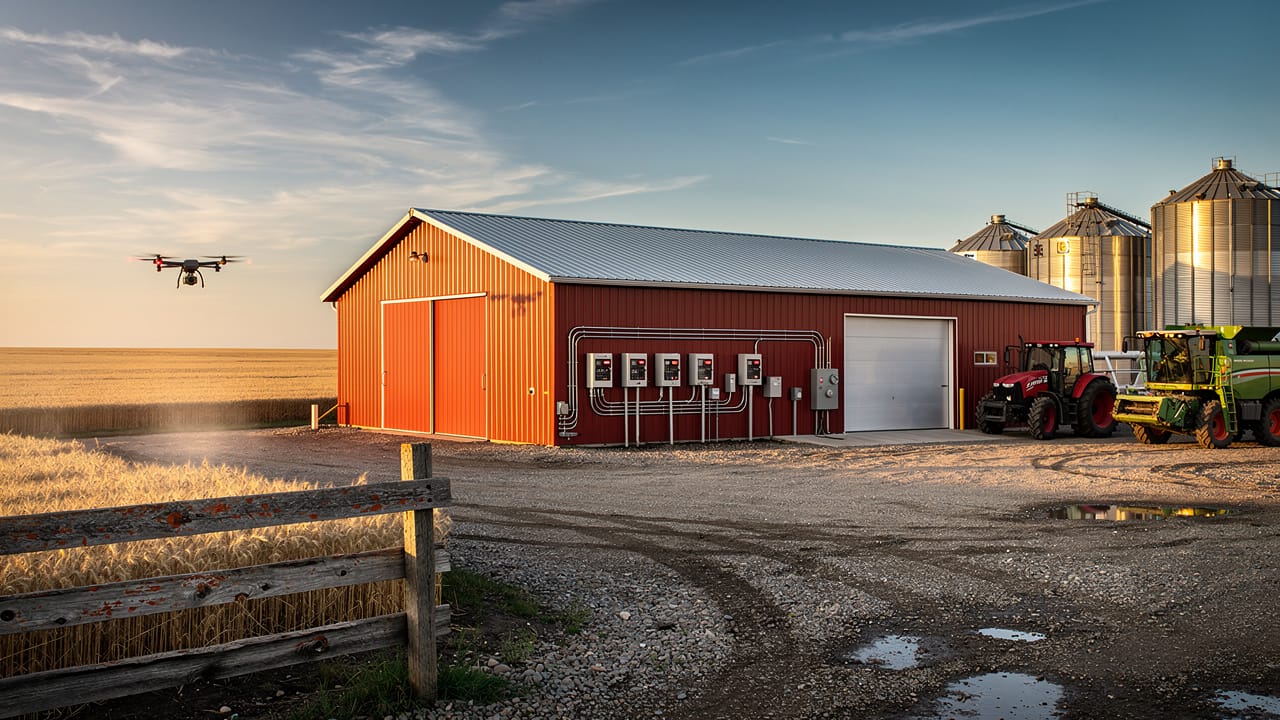
Farm yards in Alberta are hard on electrical gear. Fine grain dust, corrosive gases, wash-down water, and heavy equipment all attack weak points. Cove Electrical uses NEMA 4X enclosures where needed, correct cable types for damp or corrosive areas, and rigid conduit in spots where equipment or rodents are likely to hit. That design approach keeps monitoring and control hardware working season after season.
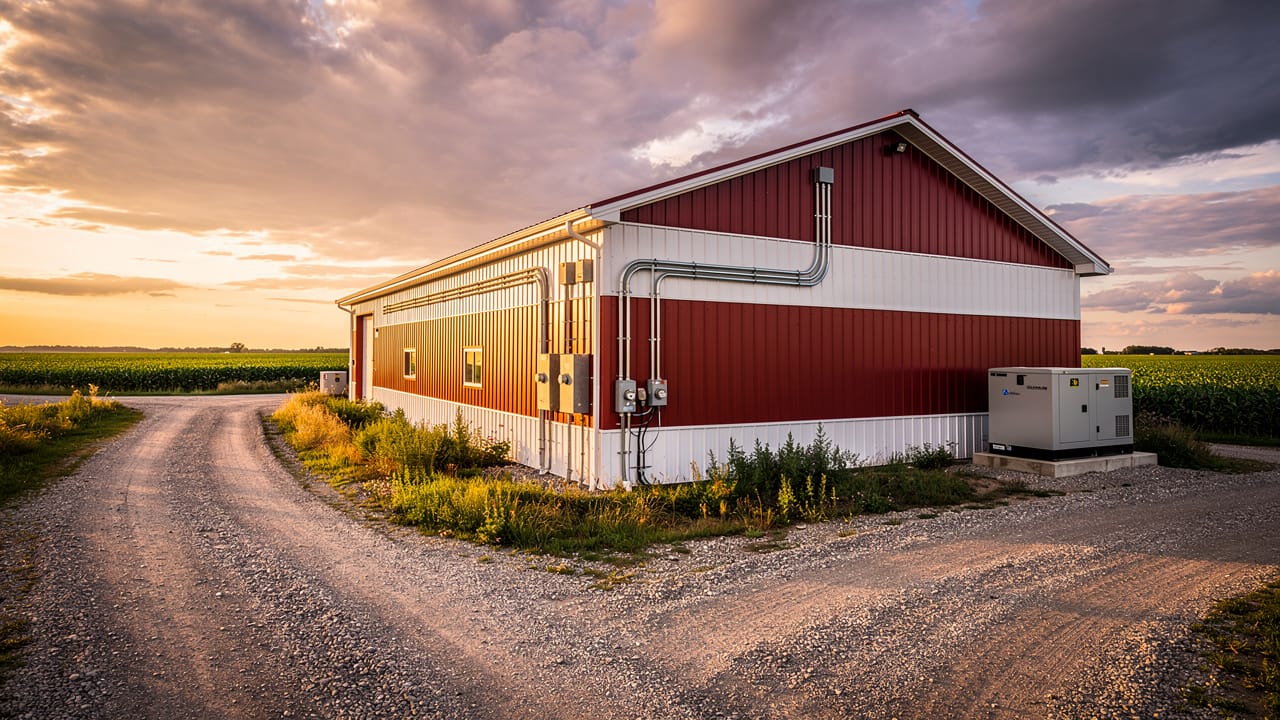
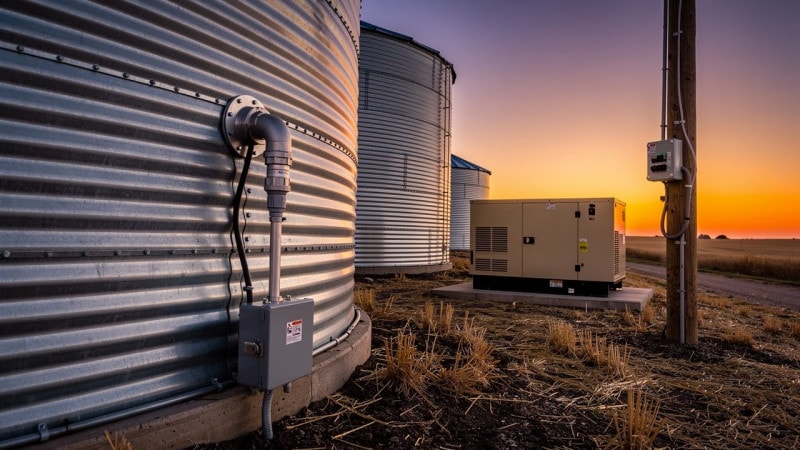
Backup power is non-negotiable for certain loads. Livestock ventilation, frost protection pumps, grain temperature monitoring, and site networking all need to keep running when the grid drops. We design and install complete backup systems with standby generators, Automatic Transfer Switches, and UPS units for sensitive electronics. During an outage, critical circuits stay live, so microclimate monitoring and automation keep protecting crops and animals.
To support growing operations, scalability also matters. As more bins, pivots, or barns add sensors and drives, the electrical system must keep up. Cove Electrical plans for this ahead of time, with extra breaker capacity, upsized raceways, and spare conduits between key buildings. That way, adding the next weather station or control panel does not mean ripping apart what is already in place.
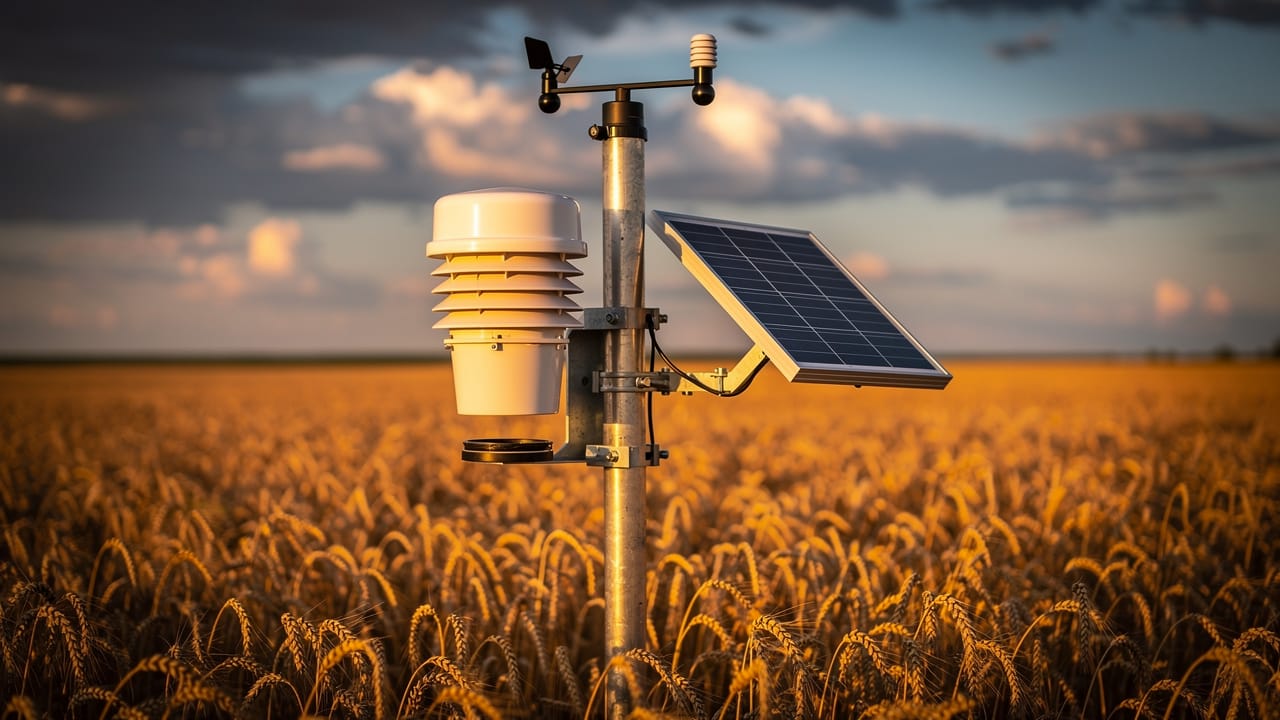
Through our True Ag Automation Division, we also supply and install professional-grade weather station systems that feed precise data into farm control platforms. Combined with strong electrical design, this gives you a long-term base for agricultural microclimate monitoring, automation, and future upgrades.
“Airflow and power are life-support systems in a livestock barn. If either one stops, the clock starts ticking.”
— Senior project technologist, Cove Electrical
Conclusion
Agricultural microclimate monitoring is no longer a nice-to-have gadget. It is a practical tool that links real-time data to the actions that protect crops, livestock, and grain. Accurate readings feed into PLCs and control systems, those systems drive fans, pumps, heaters, and aeration, and the result is higher yield, lower inputs, and fewer nasty surprises.
Sensors alone cannot deliver that outcome. Without solid wiring, panels, grounding, protection, and backup power, even the best monitoring gear can go dark at the worst moment. The strength of the electrical foundation decides whether your monitoring system quietly guards your operation or sits on the wall as an expensive thermometer.
Cove Electrical brings deep agricultural experience to this problem. From PLC programming and weather station installation to backup generator systems and grain temperature monitoring integration, we focus on operations that depend on steady power. If you operate a farm or ag-based facility in Alberta and want to build or upgrade your monitoring and automation, our team can design a system built for long-term reliability and real-world results.
FAQs
What Is Agricultural Microclimate Monitoring And Why Does It Matter For Canadian Farms
Agricultural microclimate monitoring means measuring the exact conditions around crops, livestock, or stored grain instead of relying only on regional forecasts. Sensors track air and soil temperature, humidity, wind, and other local factors in real time. For Canadian farms, with short seasons and frequent frost risk, that local data is vital. It supports faster reactions to cold snaps, heat waves, and humidity spikes, so a single night of bad weather is less likely to wipe out a field or herd performance.
What Electrical Infrastructure Is Needed To Support A Farm Monitoring And Automation System
A reliable monitoring and automation setup needs more than a few sensors. It starts with a stable power supply, correct breaker and conductor sizing, and solid grounding to keep PLCs and communication gear running clean. Surge protection and weather-resistant wiring protect sensitive electronics from storms and moisture. Agricultural-grade enclosures guard against dust and corrosive gases. PLC panels act as the “brain,” taking data from sensors and driving pumps, fans, and valves. Backup generators with Automatic Transfer Switches and UPS units keep critical monitoring circuits alive through grid outages.
How Does Microclimate Monitoring Improve Grain Storage Outcomes
Inside bins and silos, agricultural microclimate monitoring tracks grain temperature and moisture layers before problems show at the auger. When a cable reports a warming pocket or rising humidity, fans can run at the right time with the right outside air, stopping mould and spoilage early. Cove Electrical designs and integrates grain and oilseed temperature monitoring into handling systems, as at Cedar Brook Farm where more than twenty shaft and level points now tie into one PLC. That setup improves safety, spots mechanical issues sooner, and keeps stored grain in saleable condition longer.