A clear autumn night can look harmless from the house window. The sky is calm, the stars are out, and the potato vines still look strong in the yard light. By morning, that same calm night can leave blackened leaves and soft, ruined tubers if there were no precise field-level frost alerts for potato farms watching the temperature fall.
Potato plants are full of water. When air at the canopy slips to around 0 to -2 degrees Celsius, ice crystals form inside the cells and tear them apart. That damage does not repair after sunrise. It can hit leaves, vines, and even the tubers under the soil, leading to yield loss, crop downgrades, and storage piles that break down long before they should.
Standard weather reports do not see what happens at plant height in a low pocket of one field. They report a general number, measured two metres above the ground, often at a station many kilometres away. Field-level frost alerts for potato farms close that gap by watching the microclimate in each field and sending real-time warnings before damage begins.
This article walks through how these systems work, why strong electrical infrastructure is the base that keeps them running, and how to choose and install the right setup. It also shows how Cove Electrical and its True Ag Automation Division bring together sensors, controls, and backup power so frost alerts and protection equipment keep working when the temperature drops.
Key Takeaways
-
Potato plants hold a lot of water. Ice can start forming just below zero. Dead cells do not repair. Field-level frost alerts for potato farms need to act before that point.
-
Local low spots can be much colder than higher ground. Regional forecasts miss this detail completely. Field monitoring reads the air at the canopy. That is where real frost risk lives.
-
Smart frost alert systems use multiple communication channels. Texts, app notices, calls, and emails can arrive hours before damage. That window lets a farm start pumps or wind machines in time. Missed alerts mean missed action.
-
All frost protection equipment depends on reliable power. Irrigation pumps, wind machines, and control panels need steady electricity, good surge protection, and proper grounding. Backup generators and UPS units keep alerts and equipment active through outages.
-
Cove Electrical and its True Ag Automation Division supply sensor stations, weather platforms, and agricultural electrical work. They also design generator and ATS systems for simple, reliable frost protection that works when it is needed most.
Why Potato Crops Are Especially Vulnerable To Frost Damage

Potatoes are often called a cool season crop, but they are still very sensitive to freezing air. Their leaves and stems are packed with water, so when temperatures around the canopy reach 0 to -2 degrees, ice forms inside the cells. Once those cells burst, the plant tissue turns dark and limp, and no amount of sunshine brings it back. That is why many growers now treat field-level frost alerts for potato farms as basic risk management, not a luxury add-on.
As one potato advisor puts it, “If you wait to see frost on the vines, you’re already too late.”
There are two stages in the season when a cold night can hurt the most:
-
Emergence and early vegetative growth. Young shoots have very little stored energy above ground. A late spring frost can burn them right to the soil line. The seed piece may push new shoots later, but this sets the calendar back and shortens the time for tuber set. The stressed plants are more open to disease, and final yield almost always drops.
-
Tuber bulking and maturation. An early fall frost can stop the crop in its tracks. When the vines die overnight, photosynthesis ends and tuber bulking stops at that size. Skin set may be poor, so potatoes bruise easily in harvest equipment and are more likely to rot in storage. For contract growers supplying chips or fries, this can mean loads downgraded or rejected.
The financial impact goes far beyond one night in the field:
-
Damaged potatoes have shorter storage life, and one rotten tuber can spoil a whole section of a pile.
-
Harvest plans get pushed or rushed, adding labour and trucking costs.
-
In Canadian seasons, where spring and fall both carry frost risk, field-level frost alerts for potato farms help turn that risk into something that can be planned for instead of feared.
How Field-Level Frost Alert Systems Work
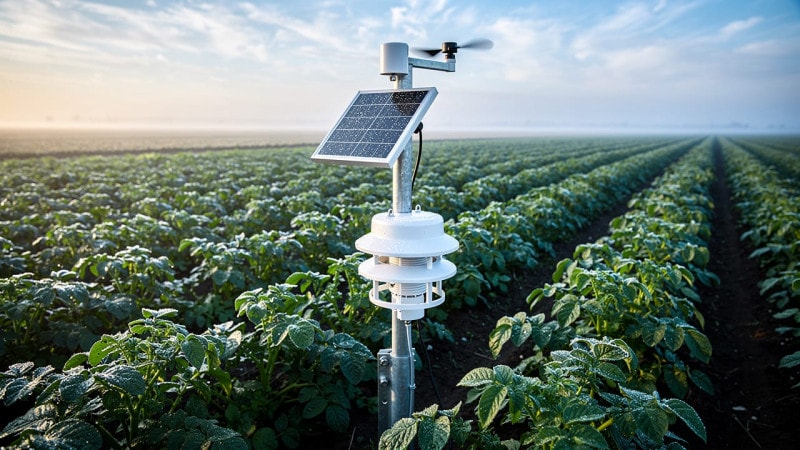
Many producers have learned the hard way that a forecast of plus two degrees at the nearest airport does not guarantee safety in a low corner of a potato field. Cold, heavy air flows downhill and settles in hollows, and the temperature at the canopy can be several degrees lower than the official reading. Field-level frost alerts for potato farms solve this by tracking the actual air around the plants, not a generic number from far away.
A field-level system focuses on each field’s microclimate in real time. Small weather stations sit where cold air gathers, watching canopy temperature, humidity, and wind. In larger operations, several stations are spread across different fields and frost pockets so risky spots trigger alarms first. This local view is what gives reliable, timely frost alerts.
“You can’t manage what you don’t measure” is a common saying among irrigation and frost specialists, and frost monitoring systems are a direct example of that idea.
At the core of many field-level frost alerts for potato farms is a set of linked components that work together:
-
In-field sensor stations sit at potato canopy height and, in some cases, at tuber depth. They measure air temperature right where frost forms, along with relative humidity and wind speed. Several stations may be placed in known cold areas, so the system sees trouble coming where it usually starts first.
-
Data loggers and communication gateways collect readings every few minutes. These devices are built to handle dust, moisture, and temperature swings, and they send data over cellular, LoRaWAN, or Wi‑Fi. Solar panels and batteries often power them so they keep working in remote corners of the farm.
-
Cloud-based analytical software receives the raw data and turns it into useful information. It calculates dew point and wet-bulb temperature, watches how quickly the air is dropping, and estimates the chance of frost in the next few hours. Growers can see this on a simple dashboard from a phone, tablet, or office computer.
-
A multi-channel alert system sends warnings the moment a threshold is met, such as air sliding toward one degree with a clear, calm sky. Texts, push notices, phone calls, and emails all go out, so someone on the farm sees the alert even in the middle of the night. That early notice is what allows real action in the field.
Cove Electrical’s True Ag Automation Division supplies and installs professional-grade stations and weather platforms, including Cloud7 Weather. These LTE‑M and NB‑IoT units feed an easy-to-use app with real-time field data. The same team integrates these field-level frost alerts for potato farms with PLC controls, pumps, and remote switches so readings can trigger equipment, not just alarms.
The Electrical Infrastructure That Keeps Frost Protection Running
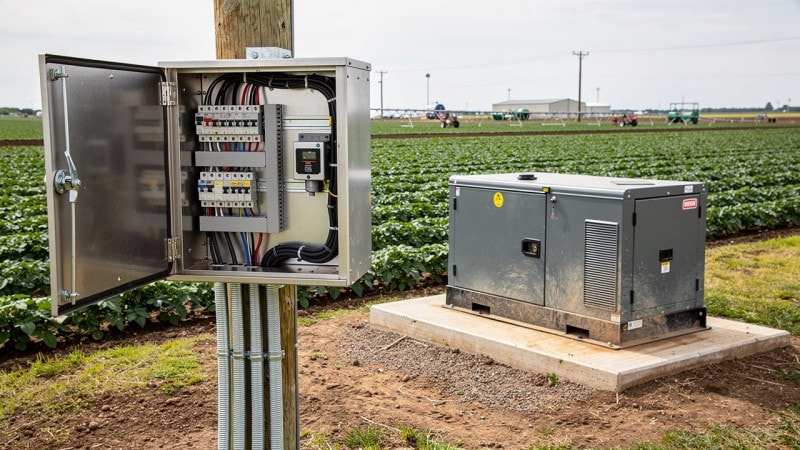
Frost monitoring and frost control are two sides of the same coin, and both depend on dependable electrical power. A perfect network of sensors does little good if a pump motor trips off when the frost hits, or if the communication gateway shuts down during a short outage. For field-level frost alerts for potato farms to pay off, the electrical system behind them has to be planned with the same care as the agronomy.
Active mitigation equipment draws serious power, such as:
-
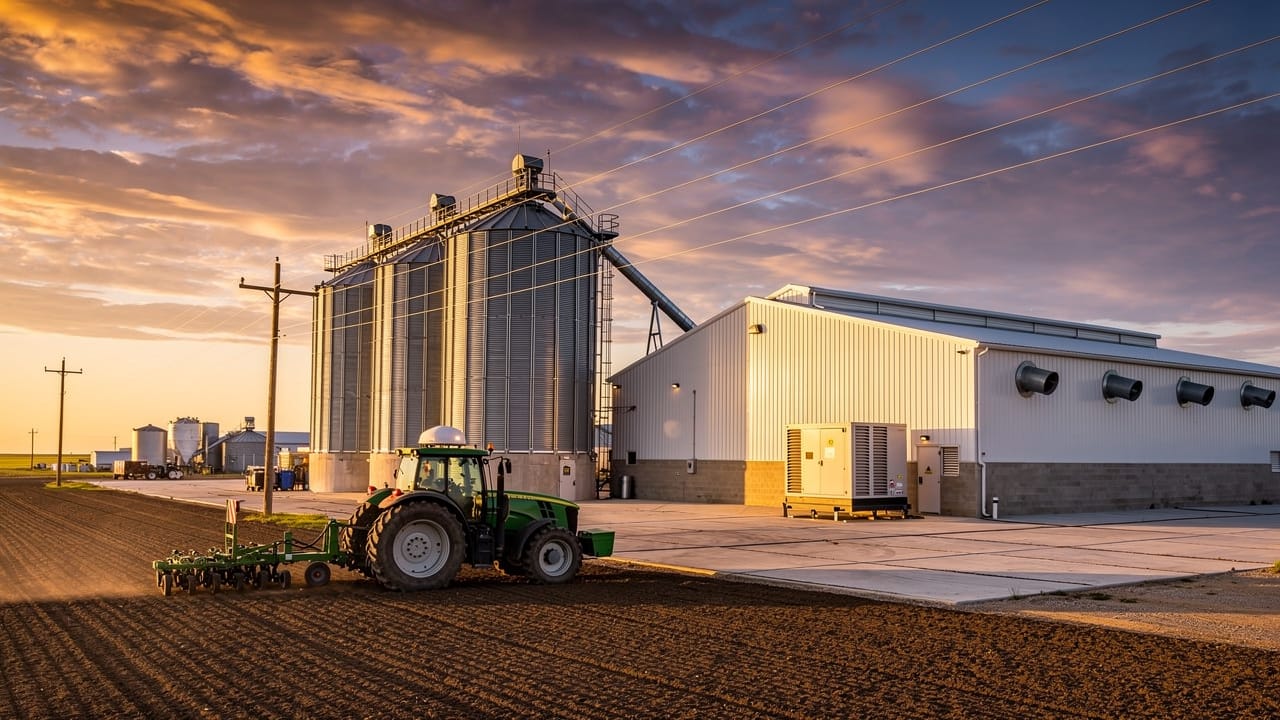
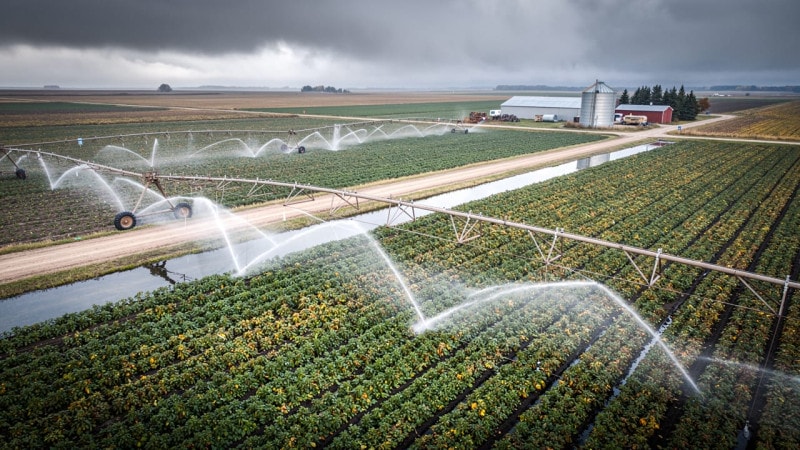
Overhead sprinkler irrigation, which needs high-horsepower pumps, often on three-phase service, pushing large volumes of water through long mainlines.
-
Electric wind machines, where large motors must start smoothly and keep turning through the coldest hours.
-
Control panels and starters, which have to bring these loads online without nuisance trips or voltage drops that stall motors just when they are needed most.
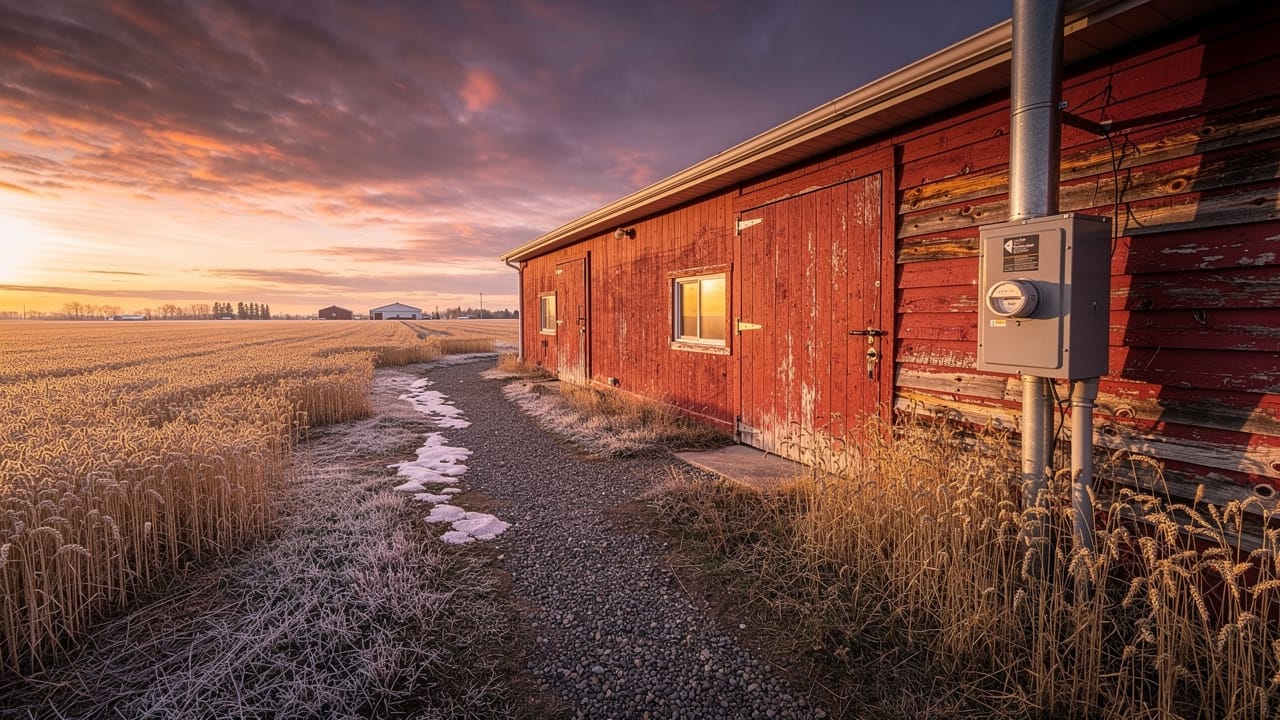
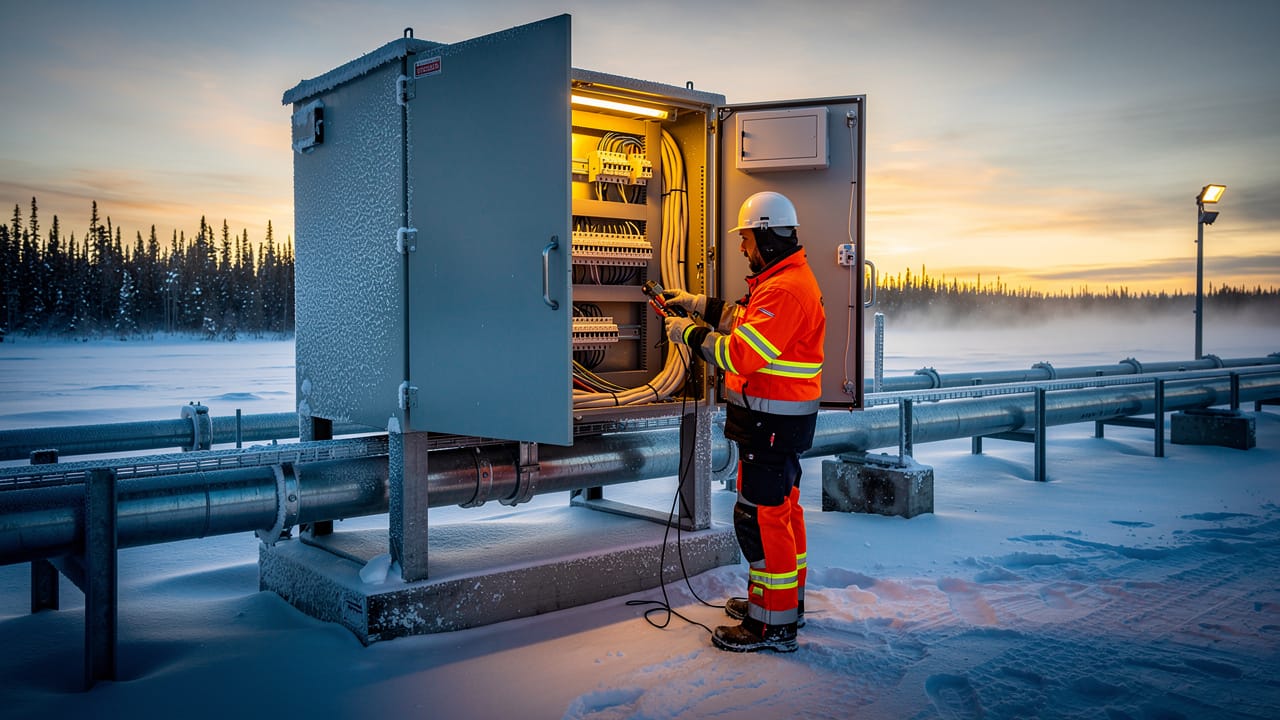
The monitoring side also needs clean, stable electricity. Rural grids can have voltage swings, and lightning is a steady threat across open fields. Sensitive electronics, such as sensor stations, gateways, and PLC panels, are vulnerable to spikes. Good designs use high-quality surge protective devices on power and communication lines and solid grounding systems so stray current has a safe path to earth. Hardware in the yard or field is mounted in strong NEMA 4X enclosures and wired in durable conduit that stands up to mud, dust, and farm equipment.
As many farm electricians say, “Frost control systems are only as reliable as the power feeding them.”
Backup power is the safety net under the whole frost strategy:
-
Short outages can be bridged with uninterruptible power supplies (UPS) that keep gateways, radios, and network gear alive so alerts keep flowing.
-
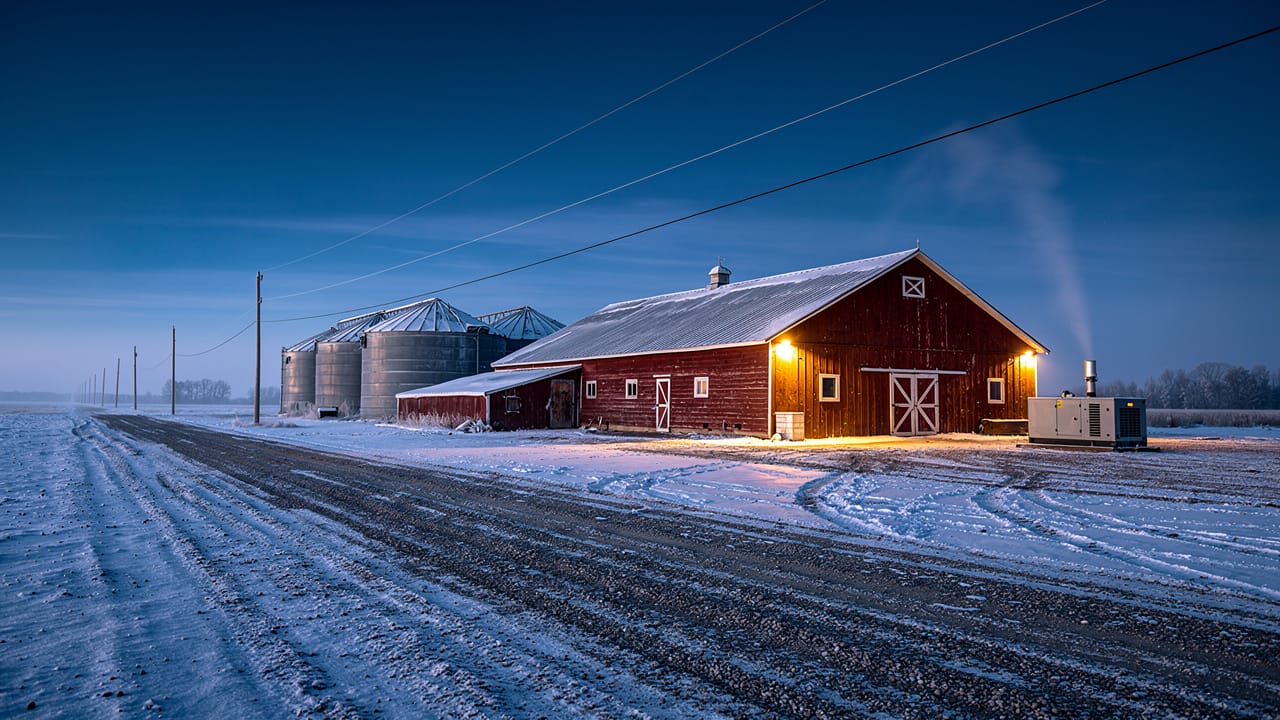
Longer outages call for standby generators sized to carry all critical loads, especially irrigation pumps and control panels.
-
Automatic transfer switches (ATS) watch the utility feed, start the generator when power is lost, and move the load over within seconds, even if the outage hits at three in the morning.
Cove Electrical designs and installs these systems as a single, integrated package. The team combines field-level frost alerts for potato farms with farm-grade wiring, weather-resistant controls, surge protection, and well planned generator and ATS setups. That way, when the alert arrives, the pumps, fans, and electronics all have the power they need to protect the crop.
Choosing And Implementing The Right System For Your Operation
No two farms are the same, and the right field-level frost alerts for potato farms depend on the size, layout, and risk pattern of each operation. A flat fifty-acre block on good power and cell service has very different needs from a large, rolling farm with several frost pockets and patchy coverage.
Several practical factors should guide the choice of system:
-
Farm size and topography decide how many sensor stations are needed and where they go. Large acreages and land with hills or valleys usually need multiple stations in the lowest areas, where cold air pools first. Mapping historic frost spots and overlaying that with field maps helps decide where to start.
-
Connectivity and signal strength affect how data moves back to the house or shop. Reliable cellular coverage may support LTE stations on every key field. Where cell signals fade, long-range radio such as LoRaWAN or even satellite links may be the better option. The goal is simple, steady data flow, not just fancy hardware.
-
Software usability and growth potential matter day to day. Dashboards should be easy to understand at a glance, with colour-coded alerts and clear graphs. It should be simple to set a pre-alert at three degrees and a critical alert at one degree. As the farm grows, the platform should handle more stations and tie in with irrigation control if needed.
-
Hardware durability protects the investment. Field units should carry strong weather ratings and stand up to UV light, dust, chemicals, and the odd bump from a sprayer or tractor. Sturdy masts, secure fasteners, and tidy wiring reduce the chances of damage during a busy season.
Good installation and upkeep finish the job. To keep readings accurate and the system reliable:
-
Temperature probes belong at canopy height in representative spots, well away from buildings, tree lines, and gravel yards that skew readings.
-
Solar panels should face the right way and stay clean so batteries stay charged.
-
Periodic checks after storms and scheduled sensor calibration keep data on track.
-
Field-level frost alerts for potato farms also need correct power wiring, sized and protected to Canadian Electrical Code standards, so adding more stations or controls later is simple.
When weighing cost, it helps to compare the price of a system to the loss from one hard frost on even ten acres of potatoes. Many growers find that saving part of a field once pays for the hardware. On top of that, time-stamped records support crop insurance claims, and better timing on pumps and wind machines can cut water, fuel, and electricity use.
Conclusion
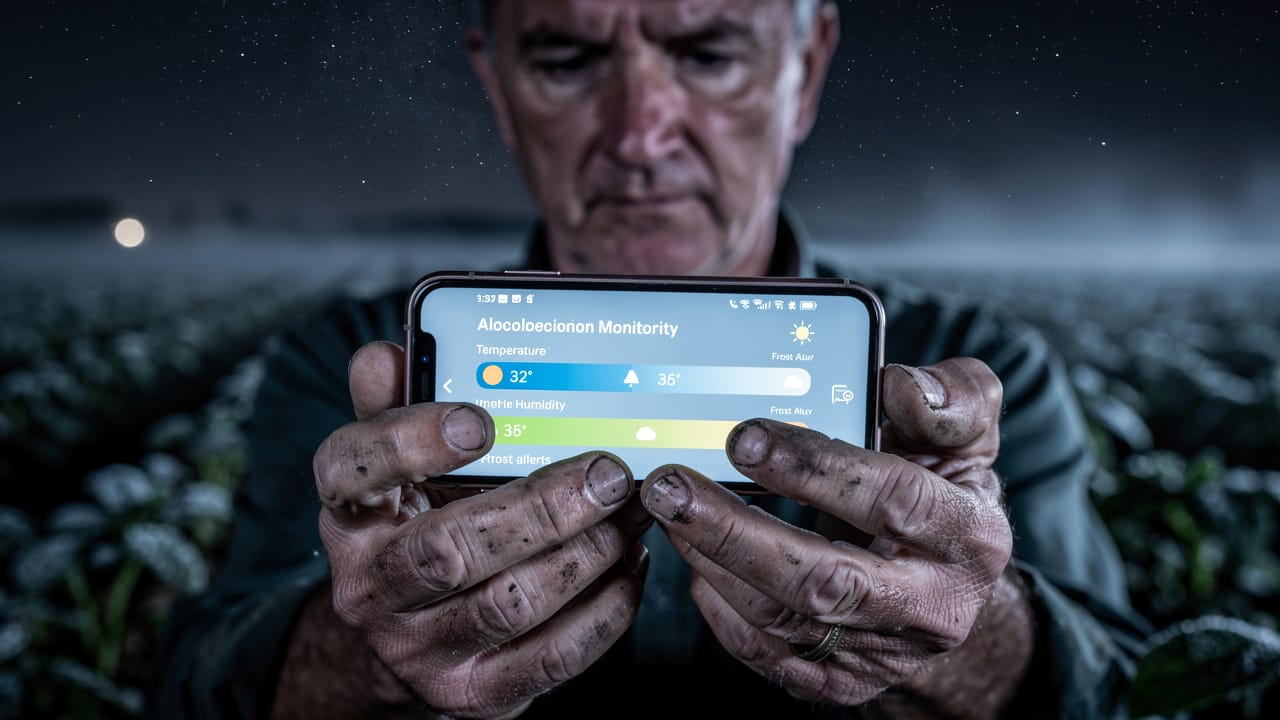
Frost is a constant threat for Canadian potato growers, but it does not have to be a guessing game. With accurate, field-level frost alerts for potato farms and a strong electrical backbone, low temperatures become a problem that can be managed instead of a surprise disaster.
By watching canopy conditions in each field and sending fast, clear alerts, these systems give enough time to start irrigation, wind machines, and other protection methods before damage begins. The whole plan depends on reliable power, proper surge protection and grounding, and backup systems that keep everything running through outages.
Cove Electrical, through its True Ag Automation Division and agricultural electrical services, brings these pieces together. From sensor stations and weather platforms to control panels, generators, and transfer switches, the team focuses on keeping power and data steady when it matters most. Now is the right time to review the frost protection and electrical systems on the farm, long before the next cold night arrives.
FAQs
Field-level frost alerts for potato farms raise a lot of good questions. Here are clear answers to some of the most common ones from growers.
At What Temperature Does Frost Damage Potato Crops?
Frost injury to the foliage starts when canopy temperature falls to around 0 to minus 2 degrees Celsius. Inside that range, ice forms in the plant cells and causes permanent damage. Tubers are protected by soil, but a hard or long frost can still reach them. Alert thresholds are usually set a few degrees higher to give time to act.
What Is The Difference Between A Field-Level Frost Alert And A Regional Weather Forecast?
Regional forecasts report air temperature about two metres above ground over a wide area, often from a station far from the farm. Field systems measure the air right at the potato canopy and in known frost pockets. The difference between a low hollow and nearby higher ground can be several degrees, which can be the line between a safe crop and serious loss.
Why Do Frost Alert Systems Need Backup Power?
If grid power fails during a cold night, monitoring hardware, communication gear, and active protection equipment can all stop at once. Standby generators with automatic transfer switches pick up those loads within seconds so pumps, fans, and controls keep running. Uninterruptible power supplies cover brief outages and keep gateways and networks online so alerts continue to reach the people who need to respond.