One clear afternoon can turn into a freezing night without much warning on a Western Canadian farm. During early spring bud break or a late‑fall harvest, a single cold snap can burn blossoms, stop growth, and erase a season of work in a few hours. That is why a reliable frost alert system for farms is no longer a nice‑to‑have tool; it is part of basic risk management.
Large farm properties face extra pressure. Different elevations, tree lines, and low spots create several microclimates on one yard. One field can sit safely above zero while a hollow a few hundred metres away is already below freezing. Walking fields with a handheld thermometer or relying on a regional forecast cannot keep up with these fast changes, especially at night.
A modern frost alert system for farms watches temperatures across the property every minute, sends mobile alerts when readings cross set points, and gives operators time to start irrigation, wind machines, or other protection only where it is needed. In this article, the focus is on what these systems are, how the core components work, how to put them in place, and how the right electrical partner keeps the whole setup running when conditions are at their worst.
As an old farming saying goes, “The coldest part of the farm is the spot you forget to check.”
Key Takeaways
Time is tight when frost risk rises, so this quick summary highlights the most important points before digging into details.
-
Multi‑Zone Monitoring: A well‑designed frost alert system for farms tracks temperature in several field zones at once and sends text or email alerts as soon as readings reach warning levels. This fast notice turns a surprise frost into an event that can be managed with planned action.
-
Core Building Blocks: The main building blocks are wireless sensor networks in the field, a cellular communication hub, and a cloud platform with a mobile app. Together they provide live readings, history, and status for every monitored zone.
-
Step‑By‑Step Rollout: Effective rollout usually follows three steps that build on each other. First comes farm assessment and network design, then on‑site deployment of sensors and power, and finally alert programming and staff training for day‑to‑day use.
-
Reliable Power: Continuous power is just as important as accurate sensors. Backup generators, automatic transfer switches, and UPS units keep weather stations, gateways, and control gear alive through grid outages that often happen during storms and cold snaps.
-
Professional Installation: Professional installation by electricians who know agricultural work gives the frost alert system for farms a solid foundation. That support covers safe wiring, code compliance, and clean integration with existing irrigation, automation, and remote monitoring.
What Is a Frost Alert System for Farms?
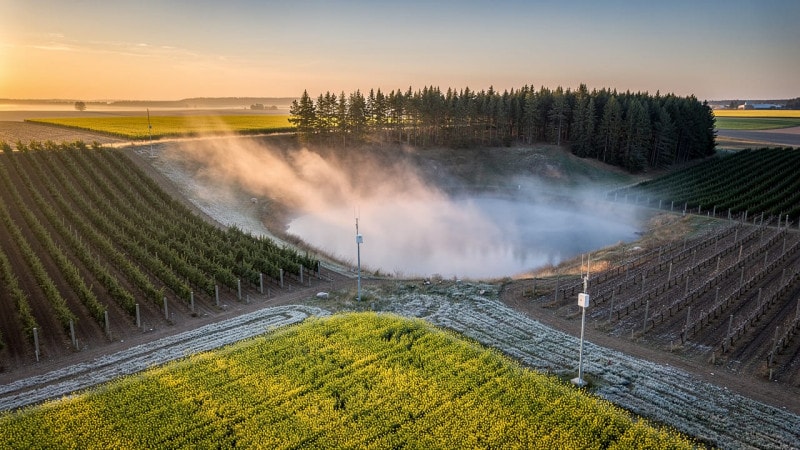
A frost alert system for farms is an integrated set of field sensors, wireless radios, and cloud software that watches real‑time temperature conditions across a property. Instead of checking one thermometer by hand, operators see several zones at once, right down to low‑lying pockets and problem areas. When readings drop toward frost risk, the system sends a warning before crop damage starts.
For Canadian operators, this matters on most shoulders of the growing season. In Western Canada, warm, sunny afternoons can be followed by sharp overnight drops. Buds, flowers, and late‑season fruit can all be hit in a single night. Some parts of a field may stay just above freezing, while pockets where cold air settles dip well below zero. The more varied the ground, the bigger the spread in temperature between high and low points.
Microclimate effects make a single yard weather station or public forecast unreliable as the main guide for frost protection. A hilltop station might say everything is safe while vines or canola in a hollow are already icing. Manual checks help but take time, cost labour, and still miss rapid shifts that happen between rounds, especially in the dark.
As one agronomist once remarked, “Frost rarely hits every acre the same way, but it only takes one cold pocket to wipe out a crop block.”
A frost alert system for farms addresses this by placing accurate sensors exactly where crops are at risk. Each sensor sends readings wirelessly to a central gateway, which uploads the data to a cloud platform. There, software tracks each zone against thresholds picked for the crop and growth stage. When levels are reached, alerts go out to phones and computers so staff can start irrigation, run wind machines, or use frost covers in the right places. That targeted response protects yield while avoiding wasted water, fuel, and overtime in areas that do not need treatment.
Most importantly, a frost alert system for farms is a complete system, not a single gadget. Sensors, radios, data logging, alerts, and power all work together. When one part is planned poorly, the whole chain is at risk of failing on the coldest night of the year.
How a Frost Alert System Works – Core Components
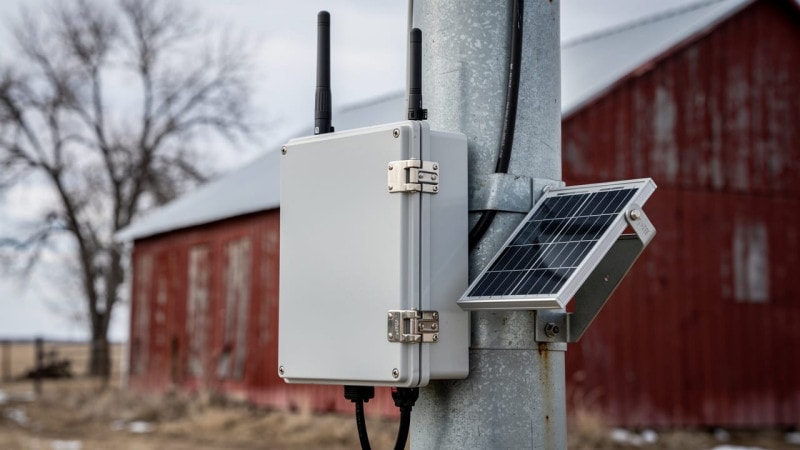
A modern frost alert system for farms runs on three main layers. The first is the network of sensors in the field, the second is the communication and gateway hardware, and the third is the cloud data and alerting tools that operators use on their phones and computers.
Those three layers are:
-
Field Sensors that measure temperature and related conditions.
-
Communication Hardware that collects those readings and sends them off‑site.
-
Cloud Software that stores data, triggers alarms, and presents clear dashboards.
Wireless Sensor Networks
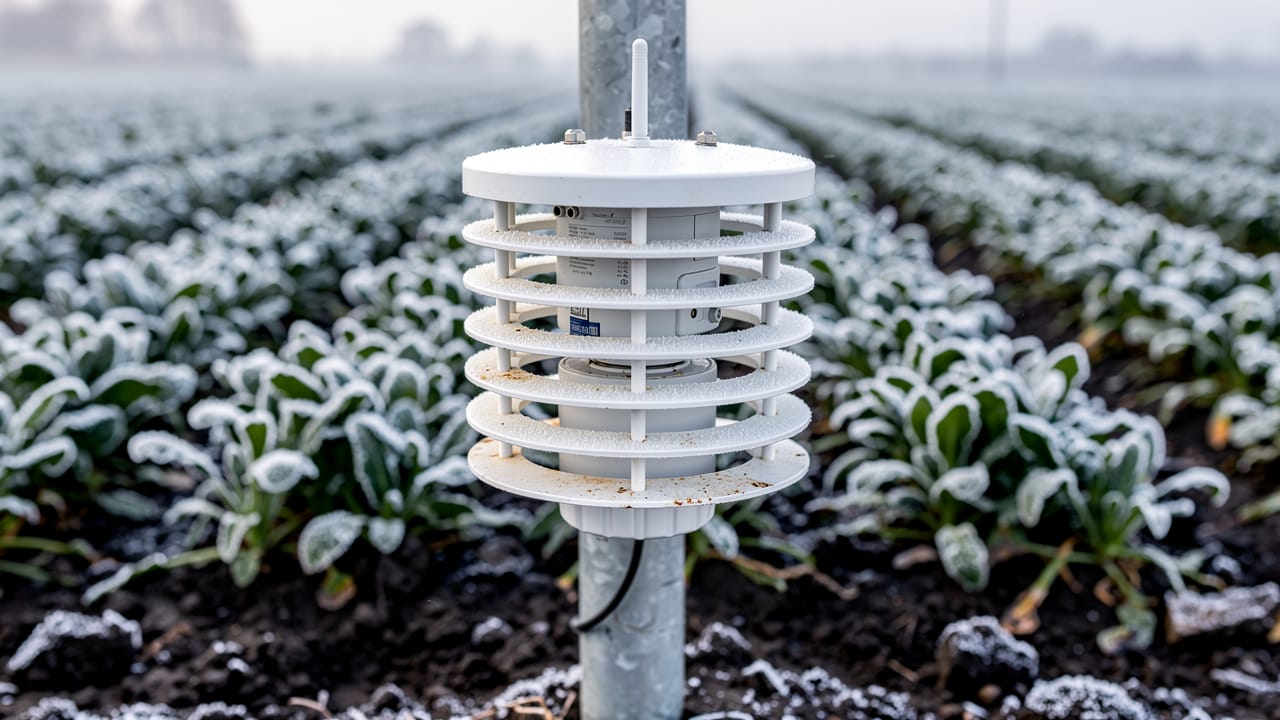
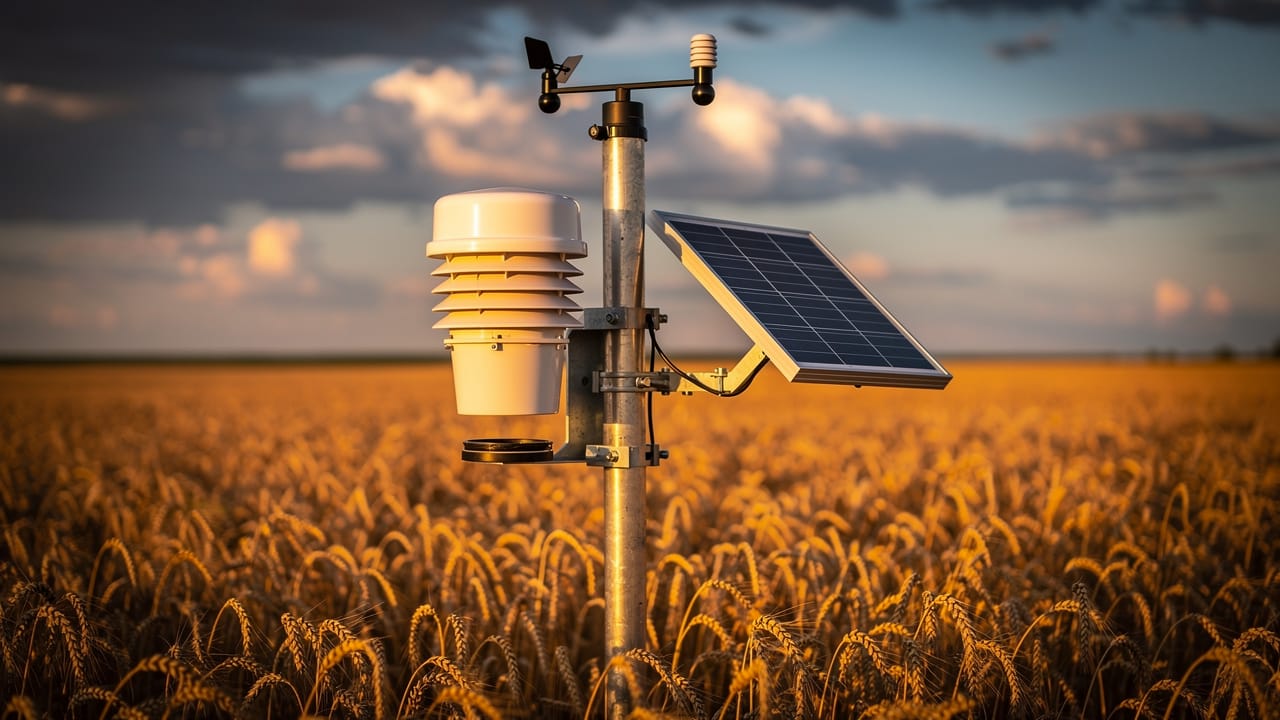
High‑accuracy temperature sensors are the foundation. Agricultural‑grade models can read within about plus or minus zero point two degrees Celsius, which gives confidence that an alert fires at the right moment rather than after damage has already started. Many current systems use combination sensors that track both temperature and relative humidity. With both numbers, the platform can calculate dew point, which gives a stronger picture of when frost is likely to form on leaves and fruit. For best results, sensors sit in radiation shields so direct sun or wind does not skew readings.
A frost alert system for farms often grows into a full environmental station. Operators can add:
-
Soil moisture probes to fine‑tune irrigation.
-
Rainfall gauges to track natural water.
-
Wind speed and direction sensors to understand how air moves across the property.
All these extras plug into the same network, building a detailed view of field conditions that supports decisions well beyond frost nights.
The sensor nodes are built for harsh agricultural settings. Housings keep out moisture and dust, and mounting hardware stands up to wind, machinery, and curious livestock. Each node sends data by radio along a long‑range wireless path, often up to hundreds of metres per hop. Relay nodes can sit in between to bridge hills, tree belts, or long distances, so even scattered parcels can share one frost alert system for farms without trenching cables.
Once readings leave the field, a communication hub takes over. This small panel or weather station gathers the wireless signals and passes the data on through a cellular or internet link. Farm staff do not have to drive around collecting data cards or plugging in laptops. Temperatures log on a set schedule, such as every fifteen minutes, and stream automatically to a secure cloud server.
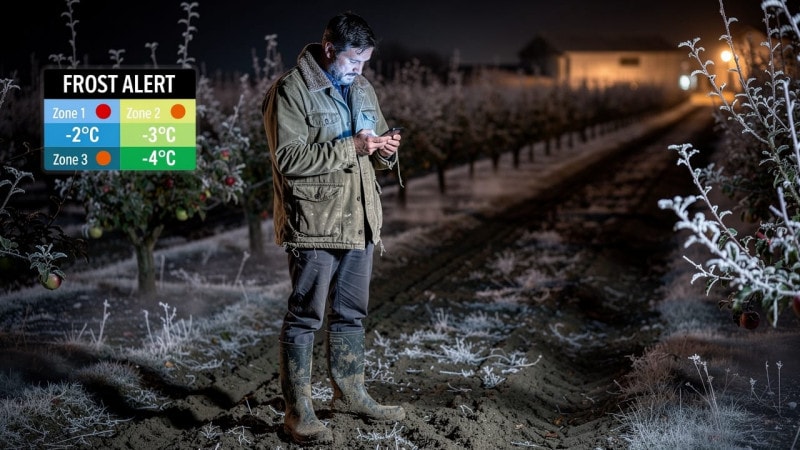
On that cloud platform, the frost alert system for farms turns raw readings into practical tools. Operators set threshold levels for each sensor or group, matching the needs of different crops or stages like bud break, bloom, or ripening. When a reading crosses a warning or danger level, the software sends a text, email, or app notification to the right people. Dashboards show live temperatures, historical graphs, and alarm history, which helps with planning, insurance records, and long‑term risk review. Over a few seasons, that history builds a strong picture of frost patterns on the farm.
How to Implement a Frost Alert System on Your Farm
Putting a frost alert system for farms in place works best as a planned project rather than a quick gadget purchase. A three‑phase approach helps match the technology to the property and keeps the system reliable for many seasons.
Those phases are:
-
Assessment and Network Design
-
System Deployment and Power Setup
-
Alert Configuration and Ongoing Management
The first phase is farm assessment and network design. This starts with a walk‑through and map review to spot low‑lying pockets, higher benches, and areas with past frost damage. Notes on crop types, planting patterns, and critical stages help decide where sensors matter most. From there, a basic sensor layout is drawn that covers key microclimates, with thought given to radio paths back to the gateway. During this step, operators also pick starting alert thresholds for each crop and decide who gets notified and by what method.
The second phase is system deployment and configuration. Sensors are mounted at consistent heights that match crop canopies, so temperature readings compare fairly across zones. Antennas face the right direction, and relay nodes fill in radio gaps. The communication hub is installed in a protected, central spot with good cellular or network signal. Power wiring follows electrical code and uses weather‑rated enclosures that stand up to dust, moisture, and temperature swings on a Canadian farm.
A frost alert system for farms has little value if it shuts off during a storm, so power planning is part of this same phase. Many operators add dedicated circuits from panels to gateways and weather stations, along with UPS units and, where possible, automatic generator backup. Testing follows, with staff watching readings in the app to confirm that every sensor reports and that alarms arrive on time.
The third phase is alert configuration and ongoing management. Inside the cloud platform or app, warning and danger levels are tuned to local conditions and adjusted as the season moves from early growth to harvest. Data logging intervals are set so the frost alert system for farms catches fast changes without flooding storage with unneeded points. Staff are trained on how to read dashboards, clear alarms, and respond when a notice comes in at two in the morning. Over time, operators review graphs from past seasons to refine sensor placement, adjust thresholds, and expand coverage as new fields or higher‑risk crops come into play.
A short preseason check‑up keeps the system ready. Cleaning radiation shields, checking battery levels on remote nodes, and confirming test alerts reach the right phones can prevent surprises on the first cold night.
Why Cove Electrical Is the Right Partner for Your Frost Alert System
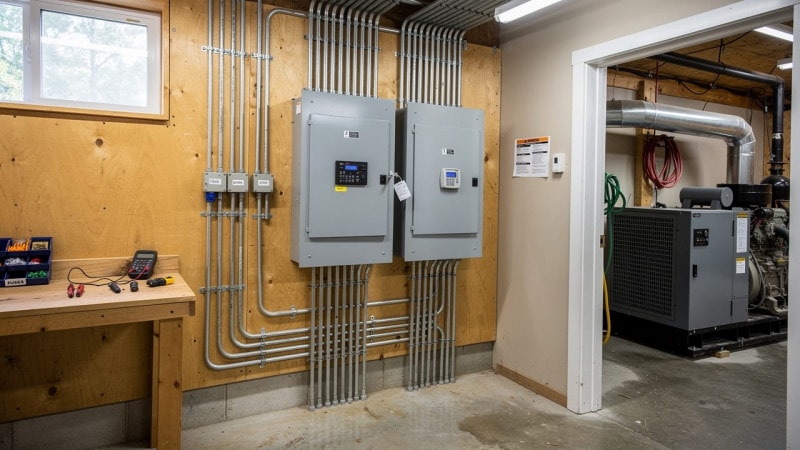
Even the best hardware will fail if the electrical backbone is weak. Cove Electrical focuses on power and automation for operations that cannot afford downtime, which makes the company a strong fit for any frost alert system for farms.
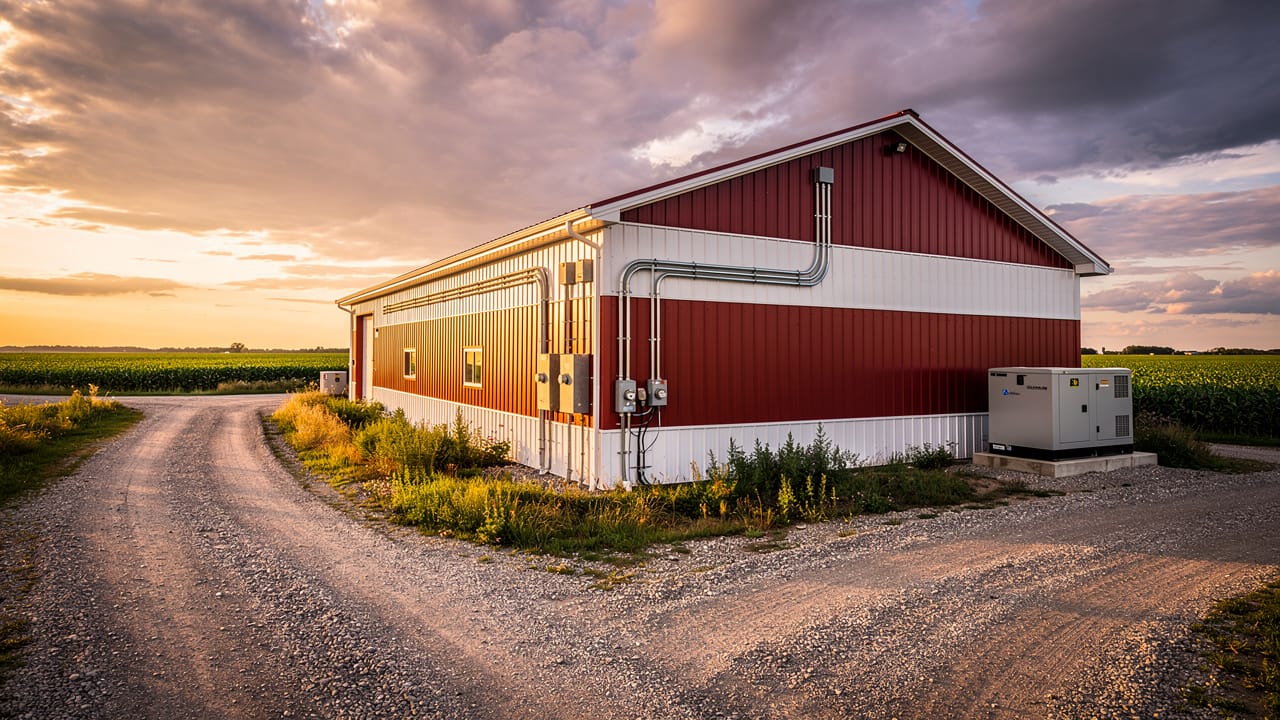
Cove Electrical designs and installs farm power layouts that give monitoring and control gear their own dependable circuits. That includes weather stations, communication hubs, PLCs, and networking equipment. Whole‑yard generator systems with automatic transfer switches and UPS units keep those brains online when the grid fails during a cold front.
Through the True Ag Automation Division, Cove Electrical supplies and installs Cloud7 Weather stations that stand up to Western Canadian conditions. These professional‑grade stations connect easily with wider farm automation. Thanks to deep experience with PLC programming, sensor networks, and IoT monitoring, Cove Electrical can link a frost alert system for farms directly to irrigation pumps, valves, or other automated responses.
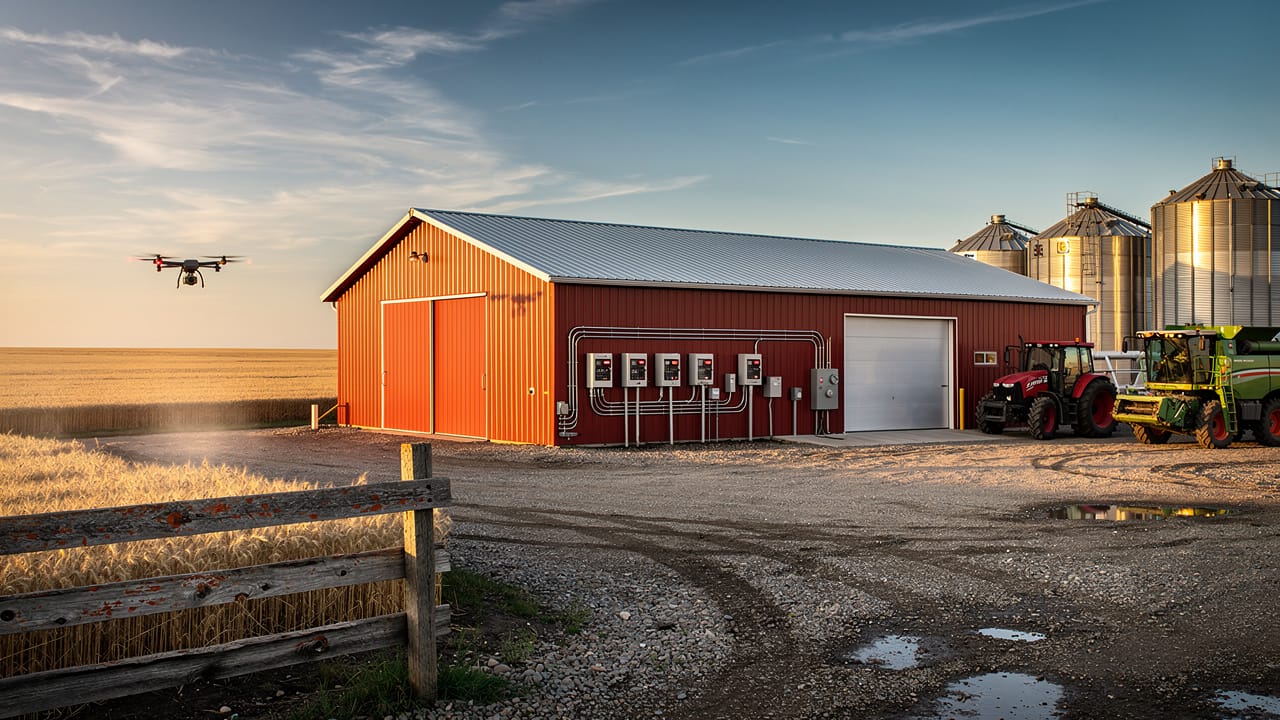
Agricultural electrical work brings extra hazards, from dusty grain handling areas to corrosive barn air. Projects like Cedar Brook Farm in Jarvie, Alberta, show how Cove Electrical handles these demands with proper NEMA‑rated enclosures, thoughtful routing between spread‑out buildings, and designs that leave spare panel space and conduit for future expansion. That same mindset gives a frost alert system for farms room to grow as more sensors and automation come online. This way, farmers work with one partner for both power and monitoring instead of juggling several contractors.
Conclusion
Frost risk is a fact of life for Canadian producers, especially across Western Canada where temperature swings can be abrupt. A well‑planned frost alert system for farms turns that risk from a constant worry into a managed part of operations by giving clear, early warnings for every key zone.
The value of this technology depends on solid electrical and communication infrastructure behind it. Continuous power, quality installation, and smart integration with existing irrigation and automation separate a reliable safety net from a fragile gadget. For operators who want long‑term stability rather than patchwork fixes, working with Cove Electrical is a direct way to build a frost monitoring setup that is ready when the next cold front arrives. Reaching out for an assessment is the first step toward protecting crops, controlling costs, and gaining some peace of mind on every frost‑prone night. With the right system in place, the next cold snap becomes a manageable event, not a disaster.
FAQs
What Temperature Triggers a Frost Alert On a Farm?
The trigger level in a frost alert system for farms is set by the operator inside the software. Many start with a warning near 2 °C and a second level near 0 °C to give time to act. High‑accuracy sensors with tight tolerances help those alerts line up closely with real field conditions, and thresholds can be adjusted for different crops or growth stages.
Can a Frost Alert System Operate During a Power Outage?
A frost alert system for farms can keep running through an outage only if it has backup power. That usually means a generator with an automatic transfer switch feeding key circuits and UPS units smoothing short gaps for gateways and network gear. Cove Electrical designs these backup setups so frost monitoring does not go dark when the grid fails, and can size systems to match the load from weather stations, pumps, and control panels.
How Many Sensors Does a Farm Need for a Frost Alert System?
The ideal sensor count in a frost alert system for farms depends on farm size, changes in elevation, and the number of crop blocks. Properties with several microclimates need more coverage than flat, uniform ground. Many operators start by placing sensors in known high‑risk spots, then add more after a professional site review shows gaps or after a season of data highlights unmonitored cold pockets.
What Is the Difference Between a Frost Alert System and a Standard Weather Station?
A standard weather station watches general conditions in one spot and reports numbers. A frost alert system for farms goes further by using several field sensors, zone‑based thresholds, and automatic alerts that support fast decisions. When Cove Electrical installs Cloud7 Weather systems, they are set up both as full weather stations and as the core of a responsive frost protection network that ties into pumps, valves, and other farm control gear where appropriate.