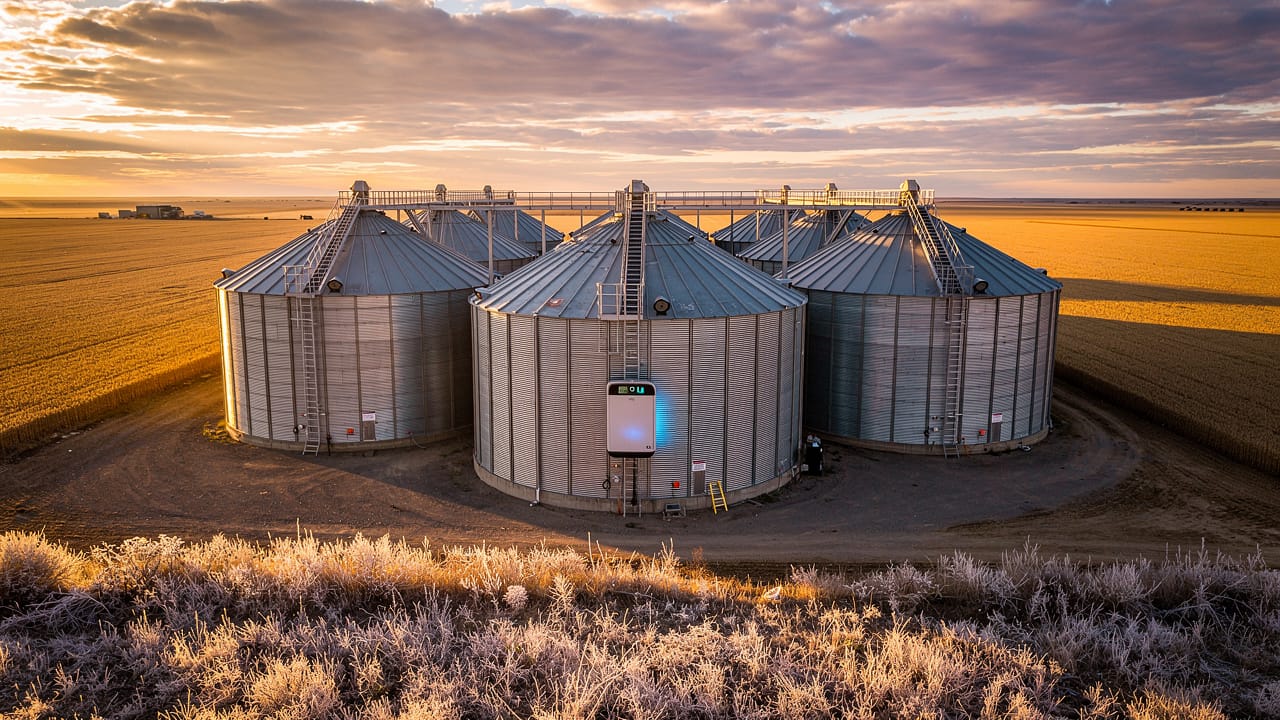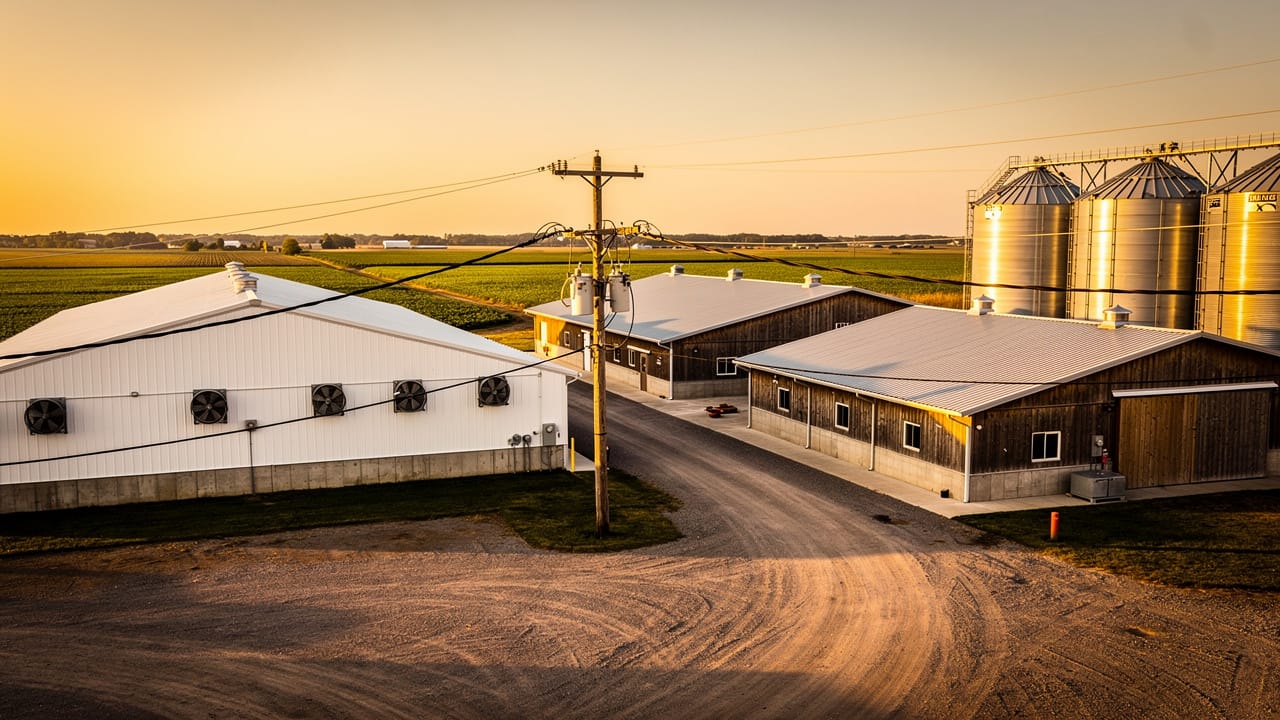
A wet October, a surprise chinook, or a weekend grid outage is all it takes to turn a line of full bins into a line of worries. When grain sits without proper monitoring and control, hot spots, crusting, and mould can quietly eat away at margins long before anyone notices. For Western Canadian operators, that risk is very real.
Many farms still rely on notebooks, whiteboards, and spreadsheets to keep track of bin levels and conditioning. Those methods work only as long as nothing goes wrong and everyone remembers to write things down. They offer no real-time alerts, no shared view across the team, and no way to react fast when moisture or temperature starts to drift. Larger grain volumes and tighter margins make that approach harder to justify.
This is where modern grain storage management systems make a clear difference. These systems bring together a digital inventory platform, smart in‑bin sensors, automated aeration control, and a dependable electrical backbone that keeps everything running. For Western Canadian farms, that combination turns grain storage from guesswork into a managed, repeatable process.
Cove Electrical focuses on keeping these systems powered, protected, and compliant. Led by an experienced electrician with deep agricultural experience, the team designs and installs the electrical and automation side of grain projects across Alberta and beyond. By the end of this article, it will be clear what a complete system looks like, which tier fits different operations, and why the right electrical infrastructure is the base of every reliable setup.
“When you can measure what you are speaking about, and express it in numbers, you know something about it.” — Lord Kelvin
Key Takeaways
A well-designed overview helps busy operators decide what to read more closely. The following points summarize how modern grain storage management can protect grain quality and operating margins.
-
Manual grain management with notebooks and spreadsheets increases spoilage risk and adds avoidable labour, because problems only appear when someone happens to check a bin at the right time. Modern grain storage management systems replace guesswork with real-time data and alerts.
-
The most effective systems combine a centralized software platform, smart in‑bin sensors, and automated conditioning that starts and stops fans based on real conditions. This approach protects grain quality while reducing energy use and truck rolls to remote yards.
-
None of this works without dependable power. Reliable electrical infrastructure, including PLC automation, VFDs, and backup generators, is what keeps monitoring hardware, conveyors, and fans running when it matters most.
-
Cove Electrical designs and installs complete electrical and automation setups for Western Canadian grain operations, from PLC panels and shaft monitoring to whole‑yard backup power and bin safety controls.
-
Matching the right system tier, from basic monitoring to full automation, to the operation’s size and risk profile delivers the best return on investment without overbuilding.
H2 1: Why Modern Grain Storage Management Systems Are No Longer Optional
Relying on manual checks in a bin yard is similar to running a plant without alarms. It works on quiet days, but it breaks down the moment conditions change. With only notebooks and whiteboards, information lives in different places, often in one person’s head. When grain starts to heat or migrate, nobody knows until smell, steam, or a core sample gives it away.
Western Canadian conditions make that even harder. Wide temperature swings, high humidity periods, and chinooks drive moisture migration inside bins. At the same time, rural feeders can be prone to outages and brownouts, especially during storms. Without grain storage management systems watching every bin, a short power interruption during an aeration run can leave grain in a half‑finished state that spoils easily.
Hot spots, moisture pockets, and rising CO₂ levels do more than damage a few tonnes. They can flatten the margin on an entire harvest, especially when quality drops below contract specs. As farms add more bins, higher‑capacity dryers, and longer conveyor lines, the electrical system that feeds all that equipment becomes just as important as the bins themselves. Older services and undersized panels often cannot support dryers, conveyors, and monitoring hardware running at the same time.
There is also a safety and compliance angle. Grain dust creates a Class II hazardous environment. The Canadian Electrical Code (CEC), Section 22, sets clear requirements for dust‑ignition‑proof motors, sealed conduit, and proper bonding and grounding in these spaces. Non‑compliant installations increase fire risk and bring legal exposure if something goes wrong.
Modern grain storage management systems address these problems by combining real‑time monitoring, automated control, and a code‑compliant electrical backbone. Instead of reacting to problems after they show up in the grain, operators see issues forming early and act before quality is lost.
H2 2: Core Components Of An Integrated Grain Storage Management System
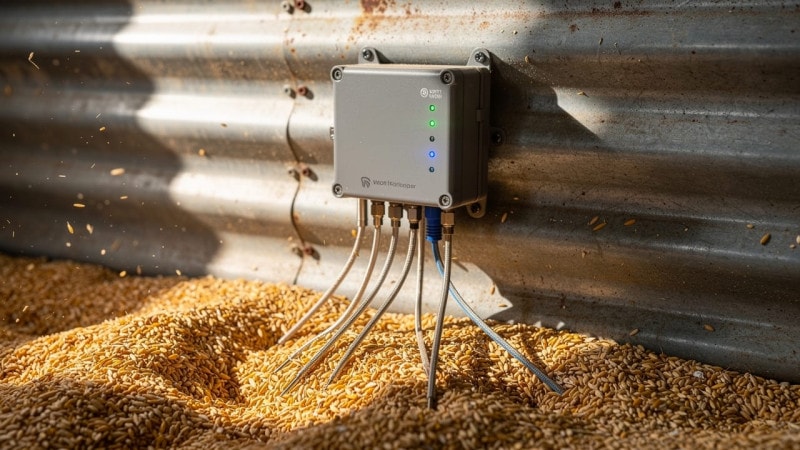
A complete system has three main layers working together:
-
Centralized management software that gives a clear view of every bin.
-
Smart in‑bin hardware that collects data and controls equipment.
-
Electrical and automation infrastructure that keeps everything running safely and reliably.
The centralized management platform is where most operators start. It presents a map‑based view of the yard, with each bin shown in its real location. From one screen, it is possible to see grain type, volume, moisture targets, and recent conditioning activity for every bin. Inventory changes are logged, and bin‑specific notes record things like treatment dates or blending plans. Because the platform keeps an audit history, everyone on the team sees the same information, whether they are in the yard or on the road.
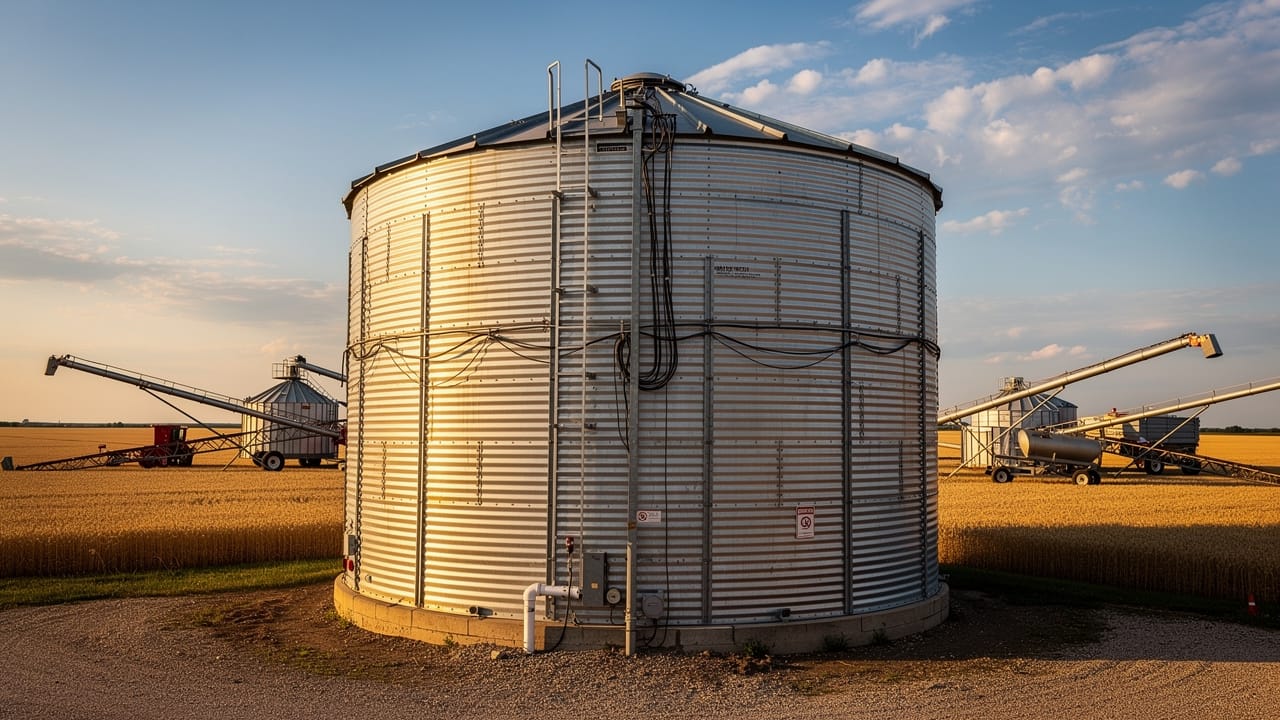
Smart in‑bin monitoring devices give that platform something to work with. These IoT units connect to existing temperature and moisture cables from brands such as OPI and Bin‑Sense, which keeps upgrade costs down. They take frequent readings through the grain column and in the plenum area, tracking temperature, humidity, static pressure, and headspace CO₂. A spike in CO₂ often appears well before a noticeable rise in temperature, so these grain storage management systems can flag trouble weeks earlier than manual probing. Custom text and email alerts trigger when any reading crosses a set threshold, which removes the need to climb bins daily.
The next layer is automation and remote control. Advanced controllers use incoming sensor data to run aeration fans, exhaust fans, and supplemental heaters only when conditions are right. That may mean cooling grain on cold, dry nights, drying during low‑humidity windows, or adding moisture on damp evenings to bring grain up to contract weight. Operators can still start and stop equipment from a phone or laptop, but most of the time the system follows its own schedule, saving both labour and power.
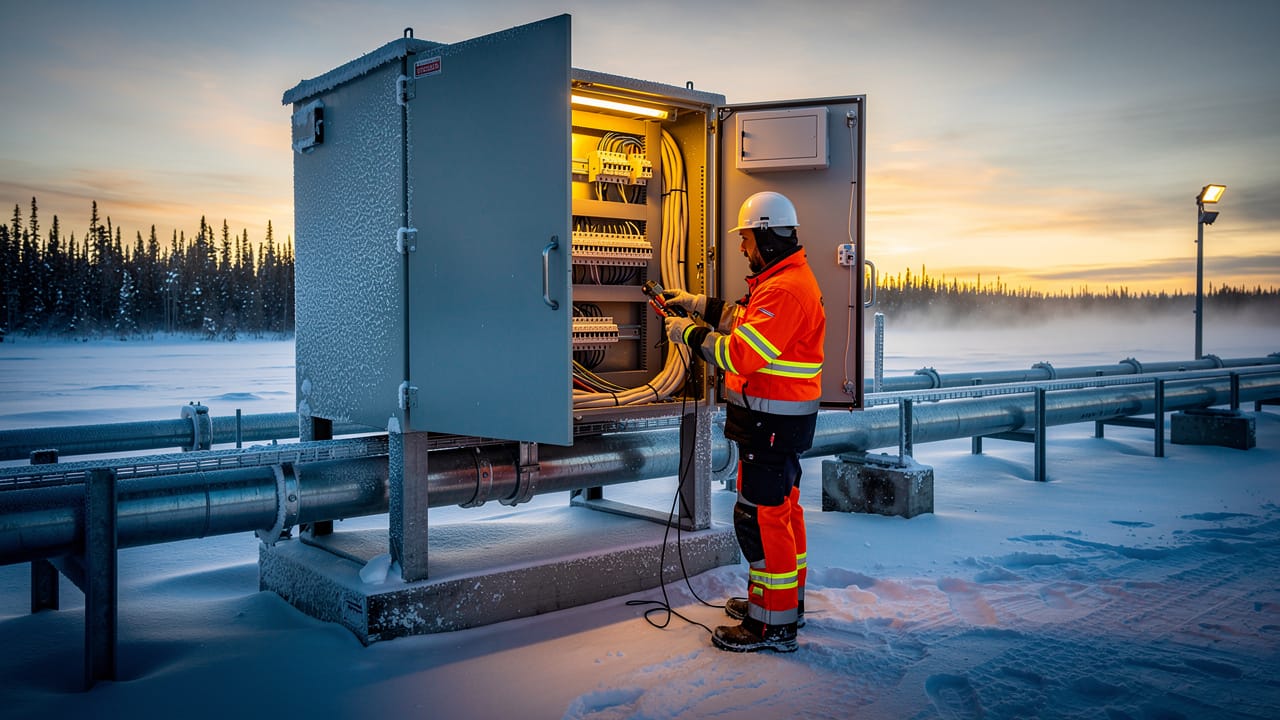
Under all of this sits the electrical and automation foundation, which is where Cove Electrical focuses. The company designs PLC‑programmed panels that coordinate fans, conveyors, and dryers. Power distribution is sized for long hours and high starting loads. VFDs control motor speeds for fans and conveyors, while MCCs centralize protection and status. Grain and oilseed temperature monitoring, high bin level shutoffs, overhead bin scales, and shaft monitoring tie back into the same control gear. Agricultural‑grade components, such as NEMA 4X enclosures, dust‑ignition‑proof motors, and sealed wiring methods, help these grain storage management systems stand up to dust and moisture year after year.
H2 3: Choosing The Right System Tier For Your Operation
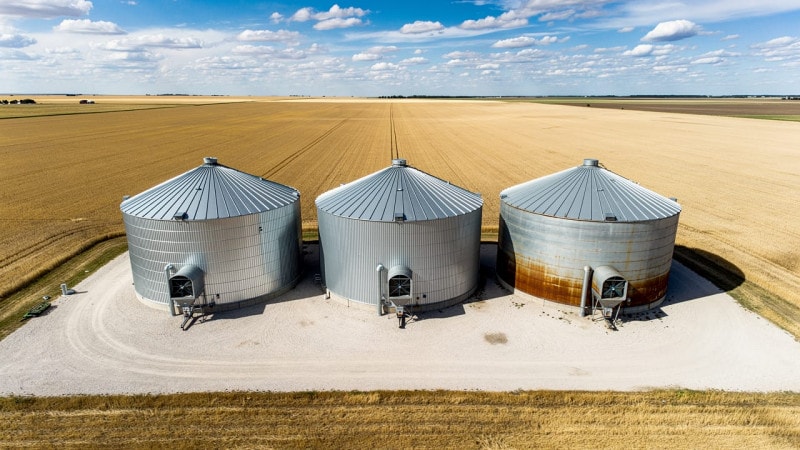
Not every farm needs the same level of automation on day one. A practical way to plan upgrades is to think in three tiers, then build grain storage management systems that match current scale and risk while leaving room to grow.
-
Tier 1 – Foundational Monitoring. This is the first step away from clipboards and guesswork. A compact monitoring unit connects to existing temperature and moisture cables, then sends readings to the central platform over Wi‑Fi. Hourly data makes hot spots much easier to catch early, and text or email alerts warn of any threshold breach. Operators also gain access to inventory and team tools in the platform. This tier fits smaller yards or farms that want to start modernizing in stages.
-
Tier 2 – Advanced Sensing. Here, producers add plenum sensors for temperature, humidity, and static pressure, along with headspace CO₂ monitoring. The richer dataset supports better conditioning decisions without committing to full automation. Some devices can run on solar power, which is helpful for remote bins without utility service. This level works well for farms that want a more detailed picture of grain condition but still prefer to control equipment manually.
-
Tier 3 – Full Automation And Remote Control. Controllers at this level include all the sensing features from Tier 2 plus modular outputs for aeration fans, heaters, and exhaust fans. They run drying, cooling, and hydrating cycles automatically based on live sensor data and weather inputs. Many platforms also provide predictive timelines that estimate when a conditioning run will finish, helping with planning and truck scheduling. Large‑scale yards, or any operation with high grain value and limited labour, often see strong payback from this tier.
Connectivity ties all three tiers together. Wi‑Fi‑based devices use existing farm networks with no recurring data fees, while cellular models bring distant bins online when Wi‑Fi is not practical. Hardware is usually modular, so more bins or sensors can be added later. One practical point stands out, though: even the smartest grain storage management systems fall short when they sit on undersized circuits, poor grounding, or weak backup power. The electrical base has to be right before any tier can perform as designed.
H2 4: Why Reliable Electrical Infrastructure Is The Foundation Of Every Grain Storage System
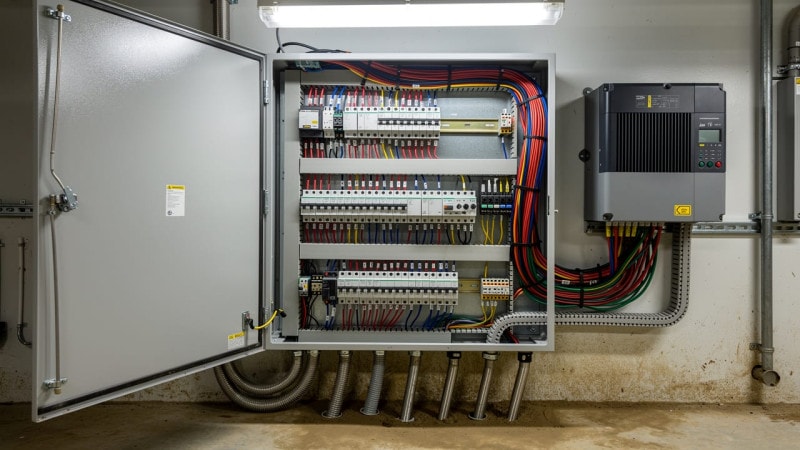
Every piece of grain handling equipment draws power. Dryers, leg conveyors, drag lines, aeration fans, heaters, PLCs, VFDs, and monitoring hardware can all run at the same time during harvest. If the electrical system behind them is too small or poorly planned, the result is nuisance trips, overheating gear, and unplanned downtime. In Class II hazardous locations filled with grain dust, those problems carry safety risks as well.
“We will make electricity so cheap that only the rich will burn candles.” — Thomas Edison
CEC Section 22 sets clear rules for these environments. Motors, lights, and sensors in dusty areas must be dust‑ignition‑proof. Conduit systems must be sealed against dust migration. Grounding and bonding must be solid, and disconnects must be clearly marked and accessible. Meeting these requirements is not only a matter of passing inspection. It directly reduces fire risk around bins and keeps people and equipment safer.
Power quality is another piece that often gets overlooked. PLCs and VFDs in grain storage management systems need clean, stable voltage. Surges, harmonics, or long feeder runs with voltage drop can cause nuisance faults, scrambled logic, or premature drive failures. Properly designed systems use surge protection, line reactors, and dedicated clean circuits for sensitive gear so that a starting dryer fan does not upset a control panel on the other side of the yard.
Backup power is the final pillar. A grid outage in the middle of a drying run or during a warm spell can leave grain in a high‑risk state. Whole‑yard generator systems with automatic transfer switches keep aeration fans, monitoring equipment, and key handling gear operating through those events. For Western Canadian farms that depend on long conditioning windows, this safety net protects both grain and equipment.
Cedar Brook Farm in Jarvie, Alberta, offers a clear example. Their growing operation had outgrown an older electrical setup that was starting to limit capacity. Cove Electrical stepped in to handle system engineering, PLC programming, and full installation. The project included grain and oilseed temperature monitoring, more than twenty shaft monitoring points, high bin level shutoffs, overhead bin scale integration, and a whole‑yard backup generator. With ongoing service support, the farm now runs with less downtime, better early fault detection, and an electrical base designed to support the next stage of growth.
Conclusion
Modern grain storage management systems are not a single device or app. They are a combination of inventory software, in‑bin sensing, automated conditioning, and the electrical and automation gear that ties it all together. When those pieces work in sync, operators gain a clear view of every bin, faster response to developing issues, and more consistent grain quality.
Choosing between foundational monitoring, advanced sensing, or full automation matters, but none of those tiers work well on top of undersized, non‑compliant electrical infrastructure. For Western Canadian farms facing weather swings, grid outages, and tight margins, the cost of doing nothing shows up as spoilage, safety exposure, and lost uptime.
Cove Electrical acts as a single technical partner for this side of the operation. From PLC programming and power distribution to VFDs, shaft monitoring, bin safety controls, and backup generators, the team builds and maintains the electrical backbone that modern grain systems rely on. The next practical step is a detailed assessment of your yard’s electrical readiness, followed by a grain storage management system design that fits both current operations and future plans.
FAQs
What Is A Grain Storage Management System?
A grain storage management system combines a centralized software platform with smart in‑bin hardware to monitor and control stored grain. It tracks inventory, temperature, and moisture, and often CO₂ levels in bin headspaces. Many grain storage management systems also run automated aeration based on real‑time data and send remote alerts when readings move outside safe ranges, all supported by a dependable electrical setup.
How Do I Know If My Farm’s Electrical System Can Support Modern Grain Automation?
Many older services were never designed for the combined load of dryers, conveyors, PLCs, VFDs, and monitoring devices. Warning signs include frequent breaker trips, dimming lights when large motors start, unexplained equipment shutdowns, or warm panel covers. The safest way to answer this question is a professional review by an agricultural electrician who knows CEC Section 22. Cove Electrical provides design‑build assessments that map current loads, code gaps, and upgrade options.
Is Backup Power Necessary For Grain Storage Operations In Alberta?
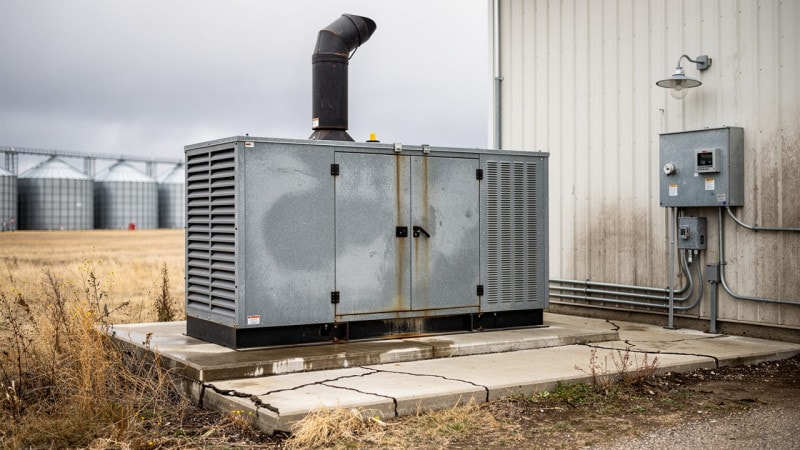
Backup power is strongly recommended for Alberta grain operations, especially where large volumes sit in bins during shoulder seasons. A grid outage during active drying or cooling can stall grain storage management systems and leave grain in a risky state. Whole‑yard generator setups with automatic transfer switches keep key circuits alive, including fans, controls, and monitoring hardware. Cove Electrical designs and installs natural gas, diesel, and propane generator systems sized specifically for grain yards in Western Canada.