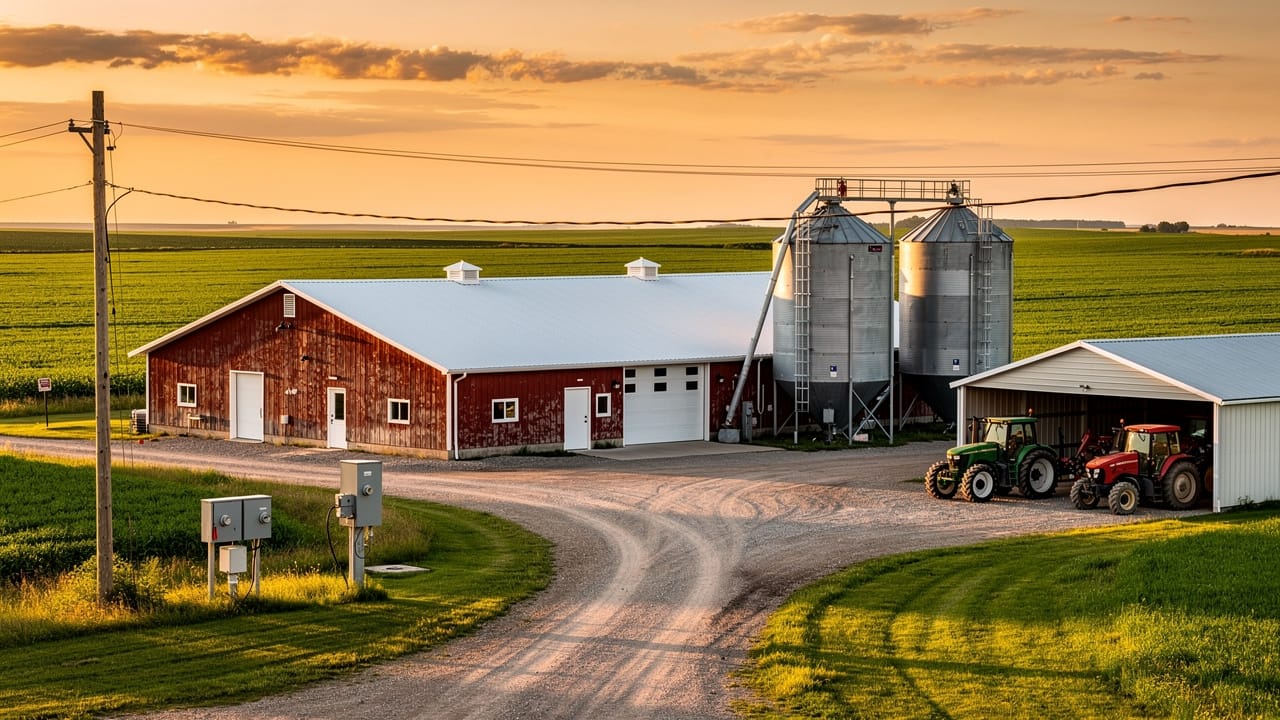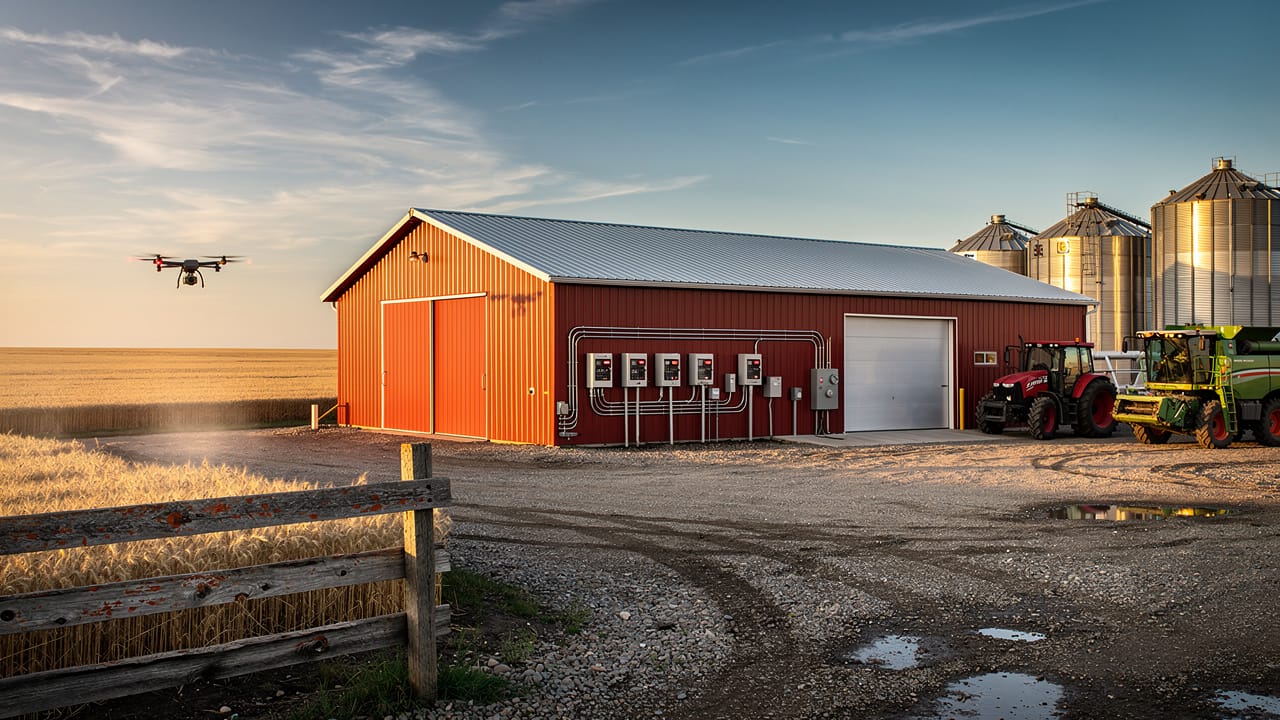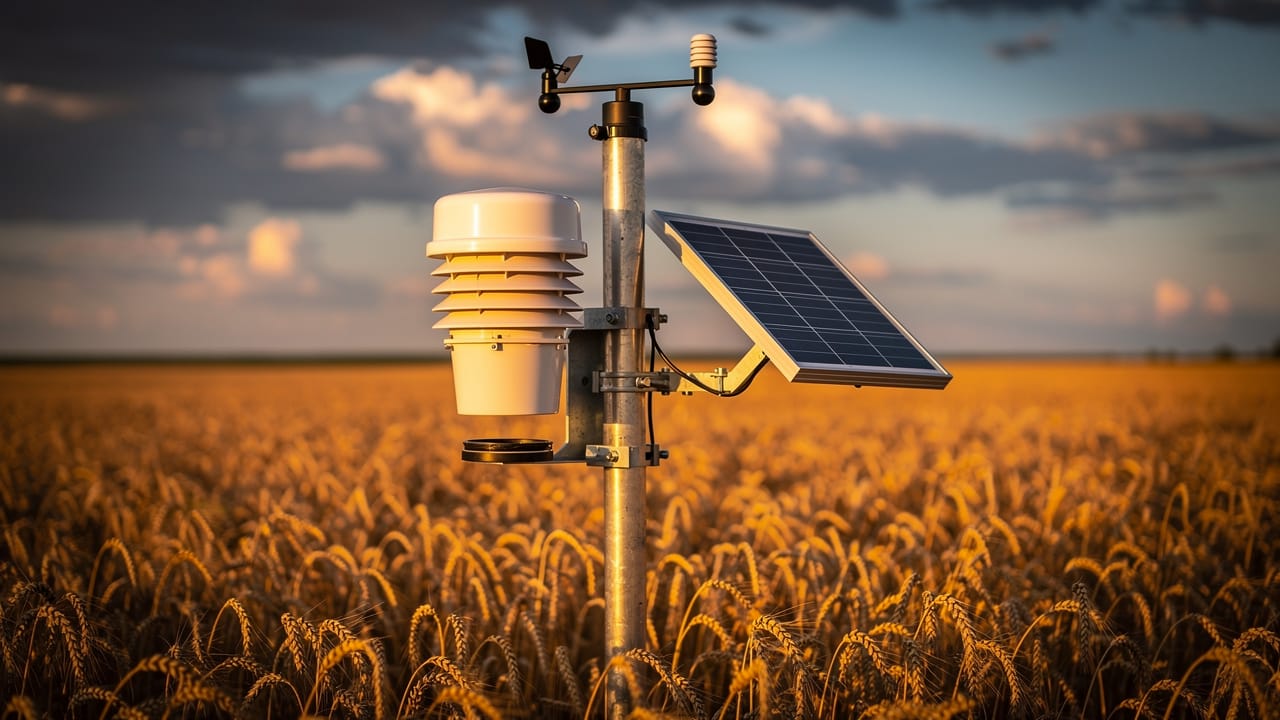
A modern barn or grain site now looks and runs much closer to a small factory than to a traditional yard. Augers, VFD-driven pumps, robotic milking stalls, and GPS-guided tractors all depend on one thing working every hour of the day: a strong electrical backbone. That backbone, not the latest phone app or sensor, keeps every piece of modern farming technology alive.
Across Alberta and the rest of Canada, operators are adding precision guidance, smart irrigation, indoor growing, and automated livestock systems to handle labour shortages, squeeze more yield from every acre, and keep animals safer and healthier. Every new device, motor, and controller adds demand to wiring, panels, and backup power, and small weaknesses in the system start to show up as nuisance trips, false alarms, and outages.
The stakes are high. A stopped milking robot in the middle of the night, a failed grain dryer during a wet harvest, or a dead fan in a packed barn does more than cause frustration; it costs real money and can put animal welfare at risk. This article looks at the core types of modern farming technology, what they need from your electrical system, and how to design things so the power side is as reliable as the equipment it feeds.
As Benjamin Franklin wrote, “An ounce of prevention is worth a pound of cure” — and nowhere is that clearer than in electrical work on busy farms.
Key Takeaways
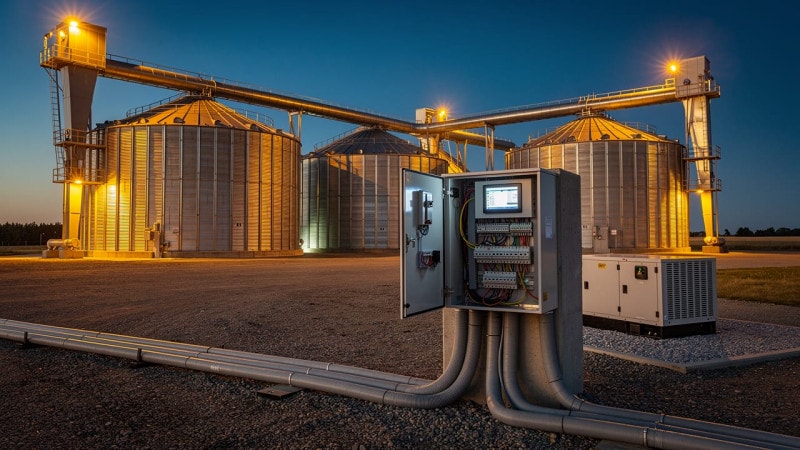
Modern farming conversations often focus on gadgets and software, but the real test is whether those tools run safely and consistently when the pressure is on. Before getting into details, it helps to see how technology and electrical work fit together on a serious farm.
-
Modern farming technology behaves like industrial equipment. Robotic milking, GPS-guided machinery, and CEA lighting need industrial-grade design, not casual add-ons. When design matches the load, equipment runs smoother, lasts longer, and delivers better data instead of random faults and resets.
-
Power failures are financial events, not small hiccups. In a high-tech barn or grain setup, outages mean spoilage, missed harvest windows, and animal stress. Reliable backup power and clean power quality protect your revenue and herd, not just your comfort.
-
Specialized agricultural electrical experience matters. Barns, grain sites, and remote yards bring corrosive gases, dust hazards, and long feeder runs that general commercial work rarely sees. The right materials, routing, and protection reduce fire risk and surprise outages.
-
Planning ahead saves major rework. Oversized conduits, spare breaker space, and smart panel locations make future upgrades simple instead of forcing full tear-outs. When technology changes, your wiring is ready to accept the next piece of gear.
-
Cove Electrical, through its True Ag Automation Division, is built around these realities and provides farm-focused electrical and automation work aimed squarely at uptime and safe operation.
What Is Modern Farming Technology?
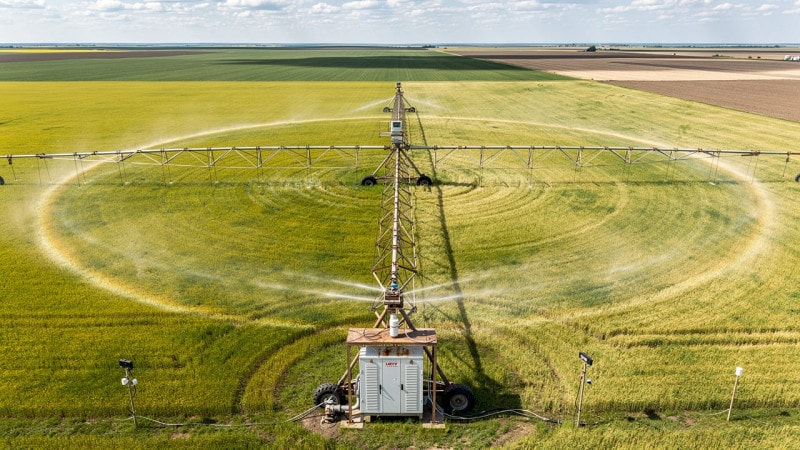
Modern farming technology is not just one gadget or app. It is the mix of automation, sensing, data, and control you build into daily farm work so that machines, pumps, and pens run with less guesswork and less hands-on labour. On a typical Canadian operation, that might mean a robotic parlour in one building, smart irrigation feeding a quarter-section, and grain temperature monitoring tied into a control panel at the shop.
This shift means farms now behave like spread-out industrial plants. A single yard might have large motors starting under heavy load, delicate electronics in the office, and life-support equipment in the barn all drawing power from the same service. Each part needs solid grounding, correct breaker sizing, and good surge protection so that one fault does not ripple through everything else.
Most modern farming technology falls into a few clear groups:
-
Precision agriculture – GPS guidance, RTK correction, variable-rate technology, and drone scouting to map fields, place inputs precisely, and spot crop stress early.
-
Automation and robotics – autonomous tractors, robotic milking stalls, and automated feed and water systems that keep timing and rations consistent.
-
Smart irrigation – soil moisture sensors, weather data, and VFD-controlled pumps so water use matches what the crop truly needs.
-
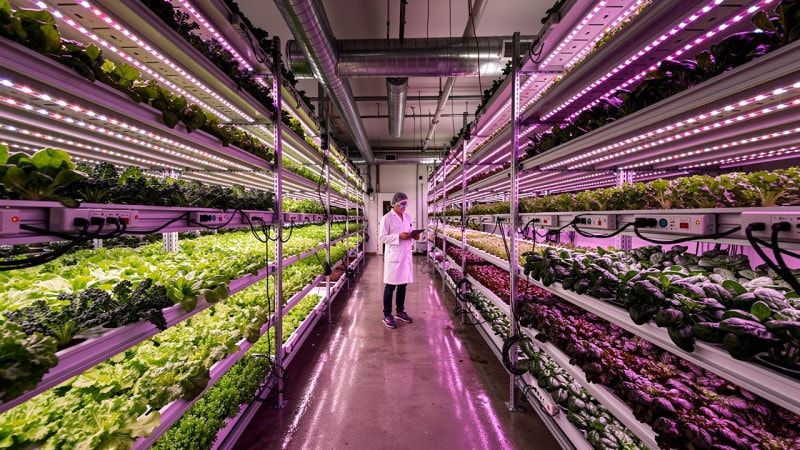
Controlled Environment Agriculture (CEA) – vertical farms and high-tech greenhouses with LED grow lights and fully managed HVAC.
-
Smart livestock management – RFID tags, biometric monitoring, and barn climate controls to keep each animal in the right conditions.
All of these depend on a steady, well-designed electrical supply with enough capacity and proper protection.
In Canada, extreme weather and long rural lines add even more pressure. Voltage dips, ice storms, and sudden outages are common in many regions. Modern farming technology only pays off when the electrical side is planned from the start to handle both the added loads and the local grid reality.
Key Technologies Driving Efficiency And High Yield
Modern farming technology works best when it clearly moves the needle on yield, labour, or energy use. Several groups of tools now offer strong returns for Canadian operators, as long as the electrical system behind them is ready.
Precision agriculture and GPS-guided machinery sit at the core of many upgrades. High-accuracy GPS with RTK lets tractors, sprayers, and seeders run straight, tight passes with almost no overlap, saving fuel, seed, and chemicals while reducing compaction. Drones with multispectral cameras flag stressed areas early, and in-field soil sensors feed moisture and nutrient data back to farm management software. The computers, base stations, and network hardware that tie this together need clean, stable power; brownouts, spikes, or bad grounding can corrupt data and create hard-to-trace faults. Surge protection, UPS units for servers, and well-planned low-voltage wiring give these systems the solid base they need.
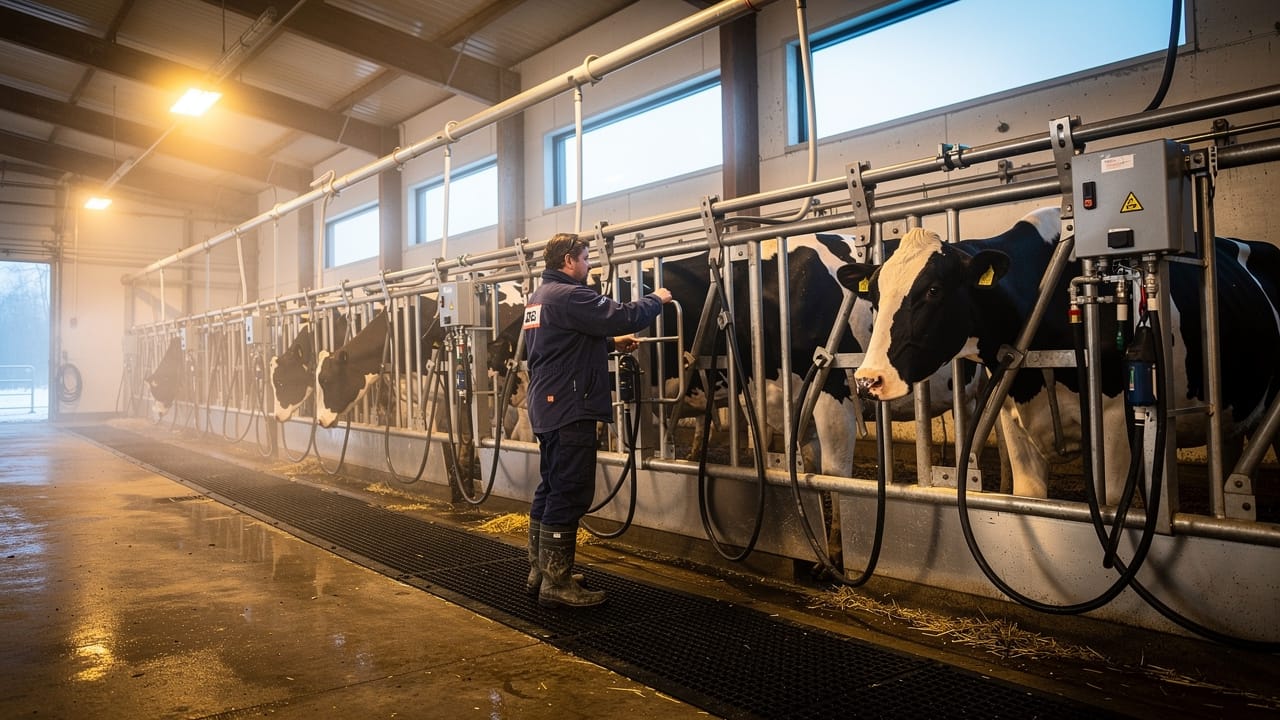
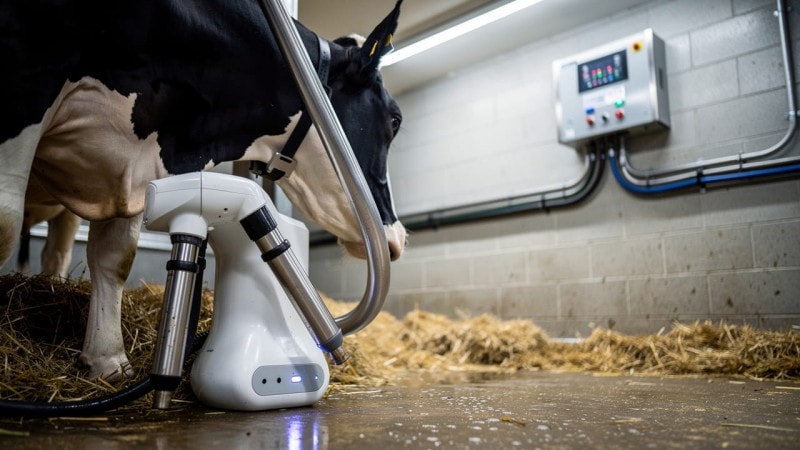
Automation and robotics bring major gains in both barns and fields. Autonomous tractors can run long hours through tight weather windows without operator fatigue or drift. Robotic milking systems have become the heartbeat of many dairy barns, pulling in cows on their own schedule, collecting health data, and sending alerts when something looks off. Automated feeding and watering cut labour while keeping timing consistent, which improves growth and feed conversion. These systems behave like mission-critical industrial gear and work best with dedicated circuits, clean power, and backup generators with Automatic Transfer Switches so they do not drop offline during short outages. In barns, wiring must stand up to moisture, manure gases, and animal impact, which calls for proper conduit, sealed enclosures, and corrosion-resistant hardware.
Smart irrigation and VFD-driven pumps help control two of the biggest cost lines on many farms: water and electricity. When controllers read soil probes and weather data, they can start pumps only when needed, at the right rate. Variable Frequency Drives (VFDs) let pumps ramp up and down instead of jumping to full speed, often cutting power use and reducing water hammer and wear. These drives need correct filtering, grounding, and heat management so they do not interfere with other electronics or fail early.
Controlled Environment Agriculture (CEA) pushes demands even harder. LED grow lights and large HVAC units often run many hours per day, drawing steady, high loads. If they fail during a hot summer day or cold snap, an entire crop can be lost in hours. CEA facilities need strong distribution panels, well-sized feeders, and carefully planned backup power that keeps climate controls and lighting alive when the grid fails.
The Role Of Electrical Infrastructure In Modern Agriculture
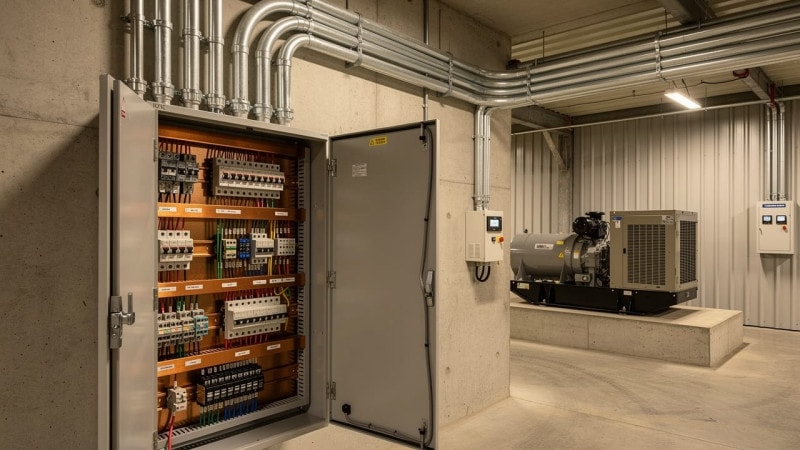
With so much modern farming technology in play, the electrical system becomes the real core of the operation. Many farms now match small factories in total load, yet still rely on wiring and panels that grew piece by piece over decades. That mix of old and new can hide weak spots that show up only under stress, such as harvest or a heat wave.
Farm yards are tough places for electrical gear. Long runs between buildings, large motors starting and stopping, and a steady mix of dust, humidity, and temperature swings all push equipment hard. General commercial work does not always prepare an electrician for corrosive barn air, manure gases, or Class II dust hazards in grain areas. Agricultural installations must follow Canadian Electrical Code rules that apply to these spaces, with correct equipment ratings and proper bonding and grounding.
Hazardous environments need special attention:
-
Grain bins and handling areas can build dense dust clouds that ignite from a tiny spark. Wiring here must use enclosures and fittings rated for the dust class, with tight seals to keep dust out of live parts.
-
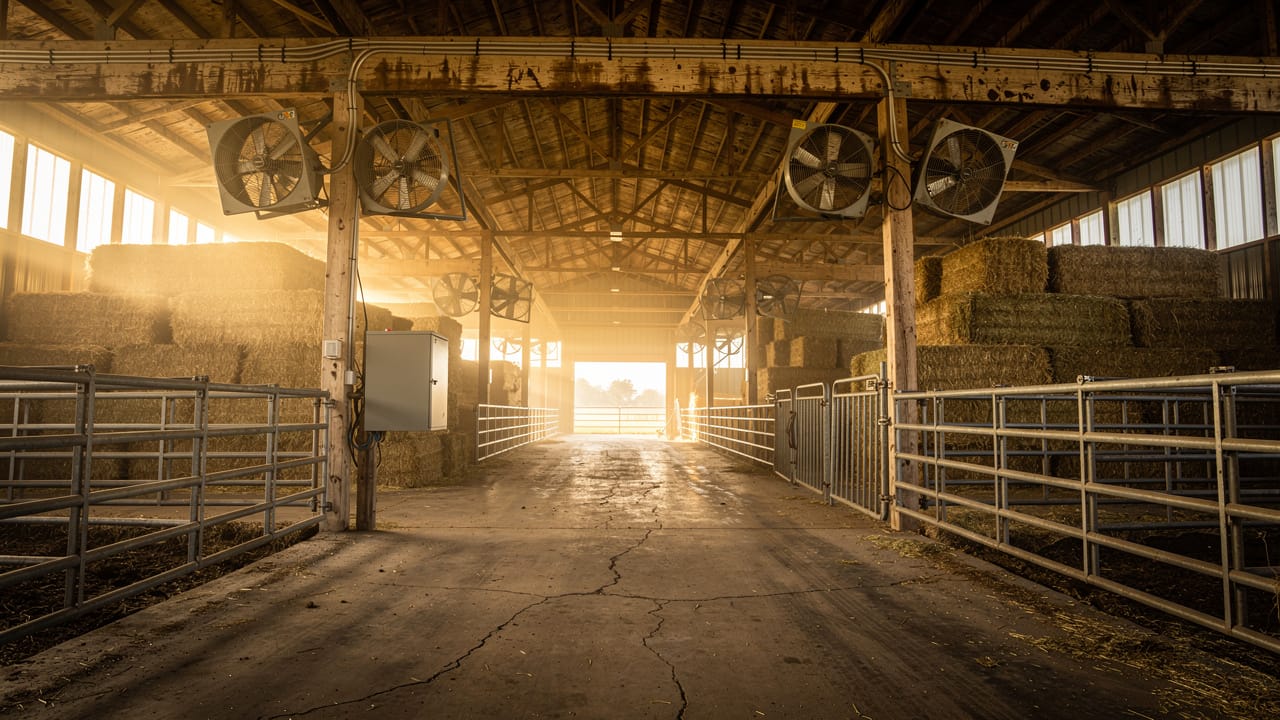
Livestock barns expose equipment to ammonia and moisture that can attack metal parts and insulation. NEMA 4X enclosures, rigid conduit, and farm-grade devices protect wiring and reduce fire risk.
Power continuity is another major concern. A failed fan bank on a hot day in a packed barn can lead to animal losses in a short time. A dead well pump leaves livestock without water. During harvest, a failed grain dryer or transfer system can stall the whole site while trucks sit full. Standby generators with properly sized Automatic Transfer Switches keep pre-selected loads running when the grid drops, without a rushed manual changeover.
Thoughtful design also looks forward. Slightly larger conduits, spare breaker space in panels, and grouping loads with growth in mind make it easier to add new motors or modern technology down the road. Three-phase power, whether from the utility or through a phase converter, lets large motors start smoother and run cooler. Treating the electrical system as a planned whole, instead of a patchwork of fixes, lowers long-term cost and makes the entire farm more reliable.
As many fire inspectors warn, “Age and corrosion in electrical systems are common ignition sources on farms.” Upgrading wiring is as much about safety as it is about convenience.
How Cove Electrical Powers Modern Farm Operations
Cove Electrical focuses on operations that cannot afford to go dark, and farms are at the centre of that work. The team designs and installs electrical systems for grain handling sites, livestock facilities, irrigation, and automation so that modern farming technology has a solid base from day one. The goal is simple: keep power safe, steady, and ready for future expansion.
Through its True Ag Automation Division, Cove Electrical provides full system engineering, PLC programming, electrical installation, and commissioning. That covers shaft monitoring on grain equipment, high bin level shutoffs, overhead bin scales, temperature monitoring, and the control panels that pull this data together. These systems help you spot problems early, stop overfills, and move grain with less risk of fires or mechanical damage.
As operators often say, “You can’t manage what you don’t measure” — which is why well-thought-out monitoring has become standard on serious grain sites.
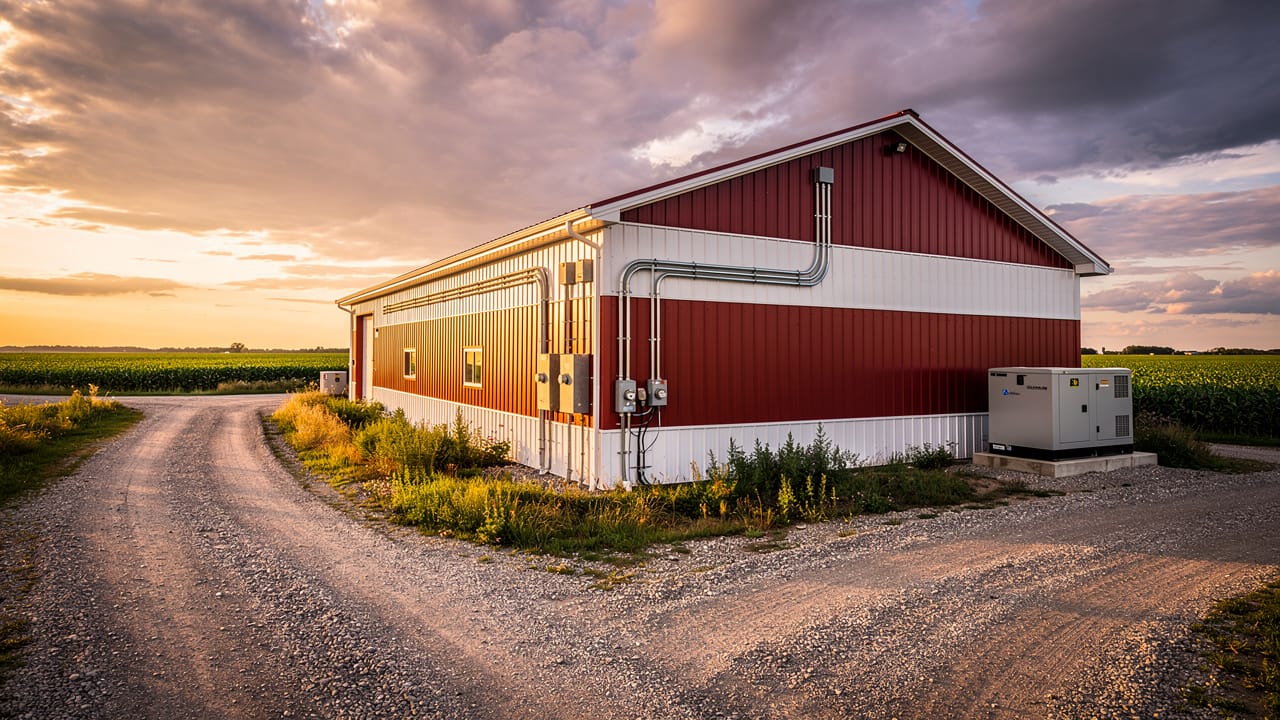
Backup power is another core service. Cove Electrical designs whole-yard generator setups, fuelled by natural gas, diesel, or propane, using careful load calculations to pick which circuits must stay on. Ventilation fans, well pumps, milk coolers, grain dryers, and control systems can all be covered so a grid failure does not bring the farm to a halt. Energy-efficiency upgrades, such as modern lighting, better motor control, and three-phase distribution, reduce strain on equipment and leave room for new loads.
A clear example comes from Cedar Brook Farm near Jarvie, Alberta. Their grain handling system had grown far beyond the original electrical design. Cove Electrical stepped in with new PLC controls, temperature monitoring across multiple grain types, more than twenty shaft monitors, high-bin shutoffs, and a yard-wide backup generator. The result was smoother harvest flow, less downtime, and an electrical system ready for the next phase of growth.
Conclusion
Modern farming technology now sits at the heart of many Canadian farm businesses, from precision-guided tractors to climate-controlled barns and indoor crops. All of it depends on an electrical system that can handle heavy motors, sensitive electronics, long feeder runs, and sudden peaks without drifting out of spec. When the power side is weak, technology underperforms, alarms trip without cause, and outages hit hard.
Old or undersized wiring does more than hold back yield. It raises fire risk, shortens equipment life, and turns every storm into a gamble. Working with a contractor who understands grain dust hazards, corrosive barns, backup power, and farm automation is one of the safest ways to protect animals, staff, and revenue. For agricultural operations in Alberta and beyond, Cove Electrical brings that focus, giving modern farming technology the grounded, dependable power system it needs to pay off for the long term.
FAQs
What does modern farming technology change about my electrical needs?
Modern farming technology adds more motors, sensors, controllers, and network gear to your yard, often spread across several buildings. That raises total load and also increases the need for clean power, correct grounding, and proper surge protection so that sensitive electronics are not damaged by large motor starts or grid events.
Why is backup power so important for farms using automation?
Automated systems control milking, feeding, ventilation, grain movement, and irrigation, so a simple outage can stop many processes at once. Backup generators with Automatic Transfer Switches keep critical circuits alive during grid failures, which protects animal health, harvest timing, and stored product.
Can any electrician install power for grain bins and barns with modern systems?
Farm sites bring hazards that regular commercial spaces do not, such as combustible grain dust, ammonia-rich air, and long distances between buildings. A contractor with agricultural electrical experience chooses the right enclosures, conduit, and wiring methods for these conditions, reducing fire risk and unplanned outages.
How do I start upgrading my farm for modern farming technology?
A good first step is an electrical assessment that looks at service size, panel space, grounding, and the condition of existing feeders and devices. From there, you can plan upgrades in stages, starting with safety issues and backup power, then adding capacity and control for the modern farming technology you want to bring in next.