A cold snap hits in the middle of calving, or a storm knocks power out during grain drying. With so much on the line, many Canadian farm operators are turning to modern agriculture technology to keep barns, bins, and fields running on schedule instead of on hope. The gear is getting smarter, but it still depends on something very old fashioned: solid electrical power.
Labour shortages, higher fuel and fertilizer costs, and tight weather windows push farms to do more with the same crew and the same acres. IoT sensors, automation systems, PLC controls, and AI-driven analytics now separate farms that run smoothly from those that are always one failure away from trouble. It is no longer a distant idea. It is day-to-day equipment that can make or break a season.
The key point is simple. These tools only pay off when the electrical backbone is strong, clean, and sized for where the operation is heading, not just where it started. In this article, we look at the core technologies changing Canadian farms, the electrical infrastructure they rely on, practical examples across livestock, grain, and irrigation, and how a specialist contractor like Cove Electrical ties it all together for Alberta operators and other power-dependent businesses.
“You can’t manage what you don’t measure.” — often attributed to Peter Drucker, and a guiding idea behind data-driven farming
Key Takeaways
Busy farm and plant managers often want the short version before they dive into detail. The main messages from this guide are clear and practical:
-
Modern agriculture technology is core business equipment. It improves yield, reduces wasted inputs, and cuts emergency callouts by turning real-time data from sensors, controllers, and weather stations into simple, reliable actions on the ground. The farms that benefit most treat this technology as essential infrastructure, not as a side project or gadget.
-
Everything depends on safe, stable electrical power. When panels are undersized or wiring is tired, failures show up first in sensitive PLCs, VFDs, and control systems. Fixing repeated nuisance trips, corrupt programs, and failed drives costs far more than building the right power base at the start.
-
Backup power is risk management. On an automated farm, even a short outage can stop ventilation, stall grain handling, and damage electronics. A planned setup with generators, Automatic Transfer Switches (ATS), and UPS units keeps critical loads alive while the grid catches up.
-
Specialist electrical contractors matter. A company like Cove Electrical understands agricultural hazards, rural grid issues, and long-term growth. That mix of field experience and engineering makes it possible to design systems that keep livestock safe, protect stored grain, and leave room for the next phase of automation.
Core Technologies Powering Modern Farm Operations
Modern agriculture technology now reaches into almost every part of a working farm. What used to be manual checks and guesswork can become measured data and repeatable control, as long as there is a reliable electrical backbone tying it all together. The main building blocks show up again and again across Canadian operations.
-
IoT Sensors And Environmental Monitoring
Small devices in the soil read moisture, temperature, and salinity while barn sensors track ammonia, humidity, and air speed. Wearables on cattle report heat cycles and early health issues long before visual signs show up. All of this gear depends on steady low-voltage power and a communications network that reaches back to a panel or server that can act on the data instead of just logging it. -
Drones And Aerial Imaging
Drones support precision agriculture over large acreages. A single flight with a multispectral camera can highlight stressed crop zones, blocked nozzles, or poor emergence well before a drive-through would catch them. Charging these aircraft, offloading data, and running mapping software all demand clean power in the shop or office, which ties back to how well the main service and subpanels are built. -
Automation, Robotics, And Variable Frequency Drives
Automation and robotics reduce manual labour and add consistency. Autonomous tractors follow GPS lines with centimetre accuracy, robotic milkers run around the clock, and automated feeders hit exact rations for each pen. Motors, conveyors, pumps, and fans in these systems run best with Variable Frequency Drives (VFDs) that match speed to load. Those VFDs need proper grounding, cooling, and protection, or they can introduce power quality problems that ripple through the whole farm. -
AI, Data Analytics, And Farm Management Software
AI and data analytics act as the control room for modern agriculture technology. Farm management software brings in readings from sensors, drones, weather stations, and equipment logs, then suggests when to irrigate, dry, or move animals. Whether this runs on on-site servers or in the cloud, the path in and out passes through routers, switches, and power supplies that cannot ride through brownouts or spikes without help.
“Automation applied to an efficient operation will magnify the efficiency.” — Bill Gates
On farms, that efficiency starts with dependable power to every device.
The Electrical Infrastructure Behind Agricultural Automation
As more modern agriculture technology comes online, weak electrical infrastructure starts to show up fast. Tripped breakers, dimming lights when big motors start, and random controller faults are all signs that the electrical backbone is not keeping up. For many Canadian farms, especially older yards, addressing power is the real first step in any automation plan.
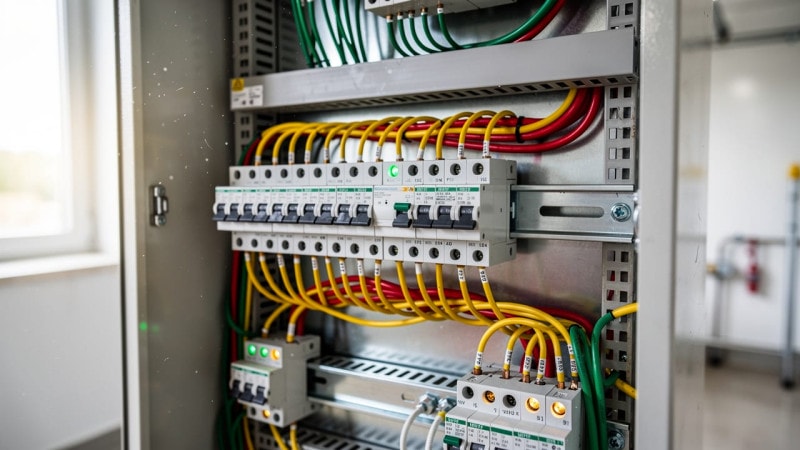
Reliable power distribution sets the base. Modern barns, grain systems, and irrigation pumps draw heavy continuous loads, often in several buildings spread across a yard. Panels need enough amperage for those motors plus controls, lighting, and heating without constant nuisance trips. Feeders and breakers must be sized for long run times, not just short bursts in a shop. Many farms still run older 100 amp or 150 amp services that were never meant for today’s mix of fans, augers, and controllers.
Power quality matters just as much as raw capacity. PLCs, VFDs, and sensor networks do not like voltage swings or electrical noise. Low voltage during peak use can scramble logic programs or shut down drives. Surges and harmonic distortion can shorten the life of expensive electronics. Good practice uses line reactors, harmonic filters, surge protection, and clean control circuits with proper grounding and separation from “dirty” loads.
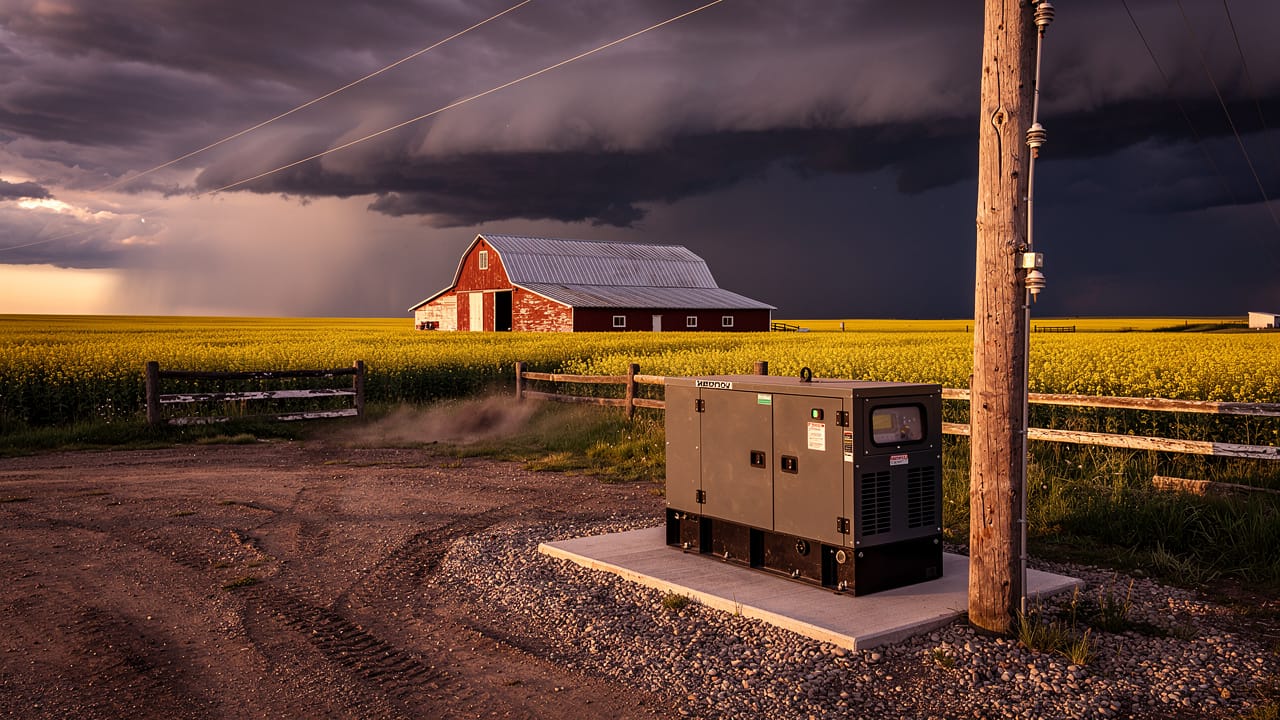
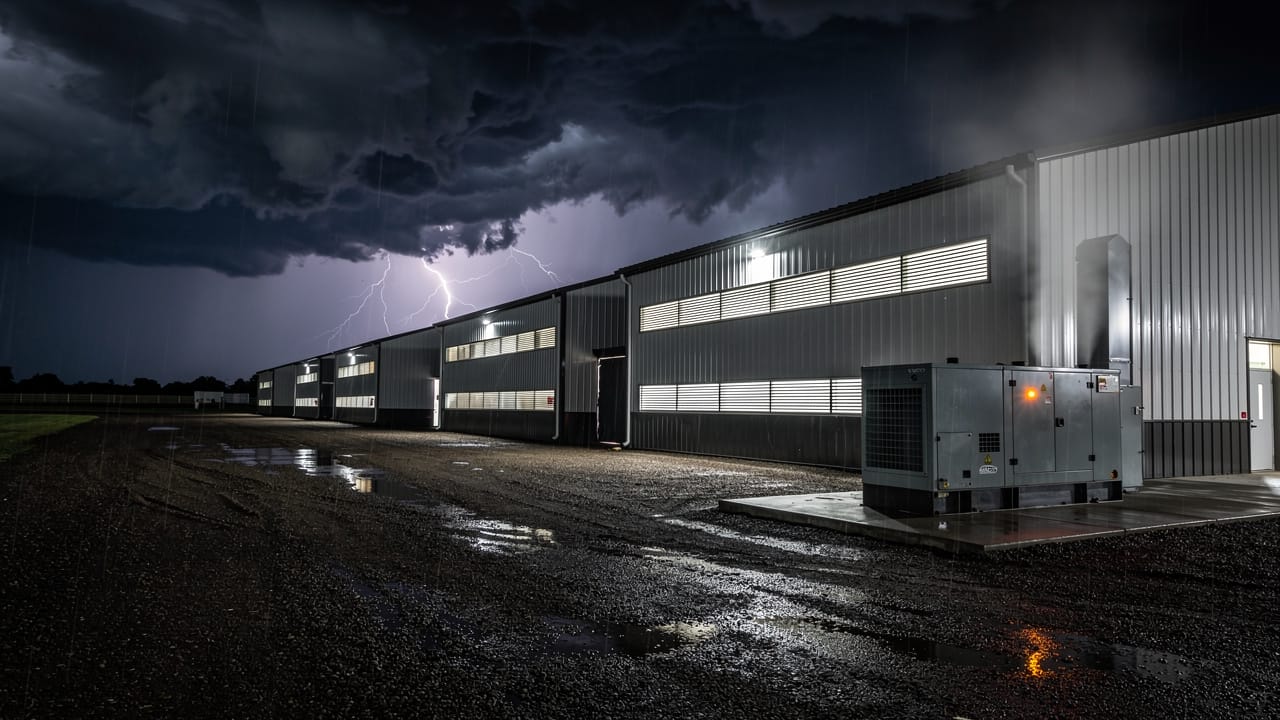
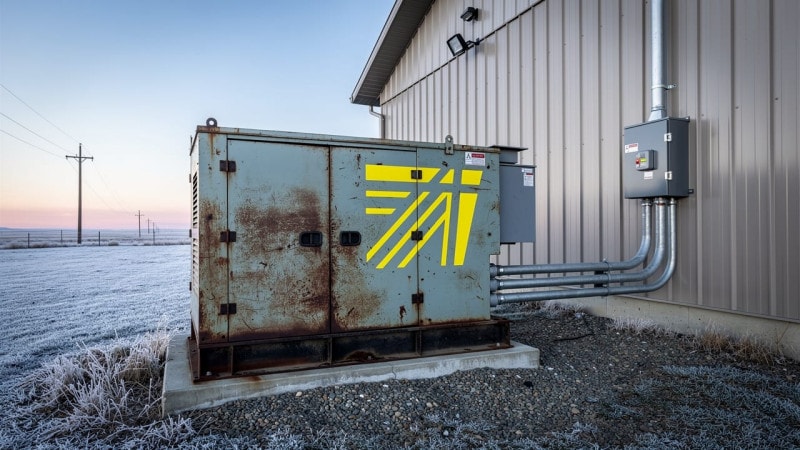
Backup power acts as insurance for automated operations. Rural Alberta grids can drop during ice, wind, wildlife contact, or upstream faults, and repairs may take hours. In a fully stocked barn, even a short loss of ventilation is a life safety emergency. In a busy grain yard, losing power during drying can mean spoilage or fire risk. A right-sized standby generator paired with an Automatic Transfer Switch and UPS units on sensitive gear keeps fans, controls, and monitoring running while the utility sorts out the fault.
Scalability keeps growth affordable. Once modern agriculture technology starts paying off, operators usually want more. Without spare breaker space, oversized conduit, and a clear single-line plan, every new piece of equipment turns into a small rebuild. Designing panels at 200–400 amp capacity and leaving organized room for added drives, controls, and circuits avoids patchwork later on.
Safety ties all of this together. Damp concrete, manure, feed dust, and corrosive gases are hard on standard wiring methods. Grain dust can ignite if poorly protected equipment arcs. Agricultural installs demand the right enclosures, disconnects that are easy to reach in emergencies, and gear rated for hazardous or wet locations, all installed to the Canadian Electrical Code.
“Failing to plan is planning to fail.” — often credited to Benjamin Franklin
Nowhere is this more obvious than in electrical planning for highly automated farms.
Practical Automation Applications Across Farm Sectors
Modern agriculture technology shows its value most clearly in daily work. When automation is paired with strong electrical design, it reduces stress on staff, protects animals and crops, and lets operators focus on planning instead of firefighting.
Livestock facilities benefit first from reliable climate and feeding control:
-
Automated ventilation systems adjust fan speed and curtain position based on temperature, humidity, and gas levels, keeping barns safe during heat waves and cold snaps.
-
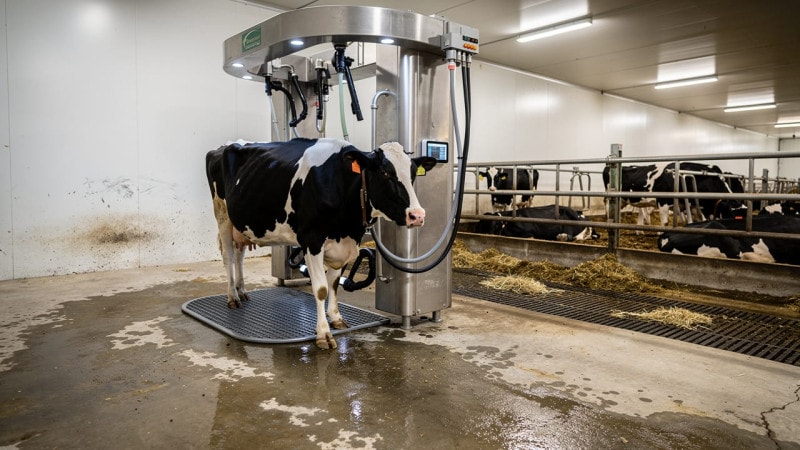
In dairy operations, robotic milkers log production and health data for each cow, flagging issues before they hit the bulk tank.
-
Automated feeding lines deliver the same ration at the same time, day after day, which supports stable gain and lower feed waste.
All of this depends on panels that keep these life-support systems online, with standby generators ready to step in when the grid fails.
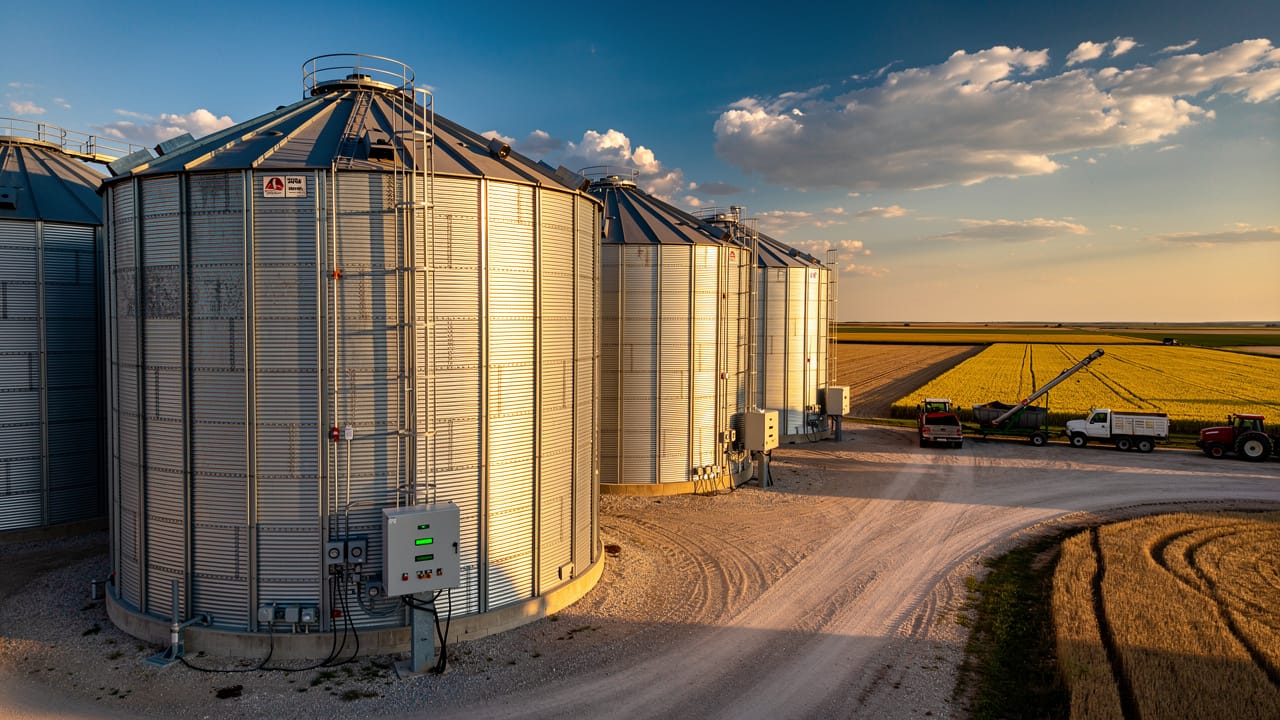
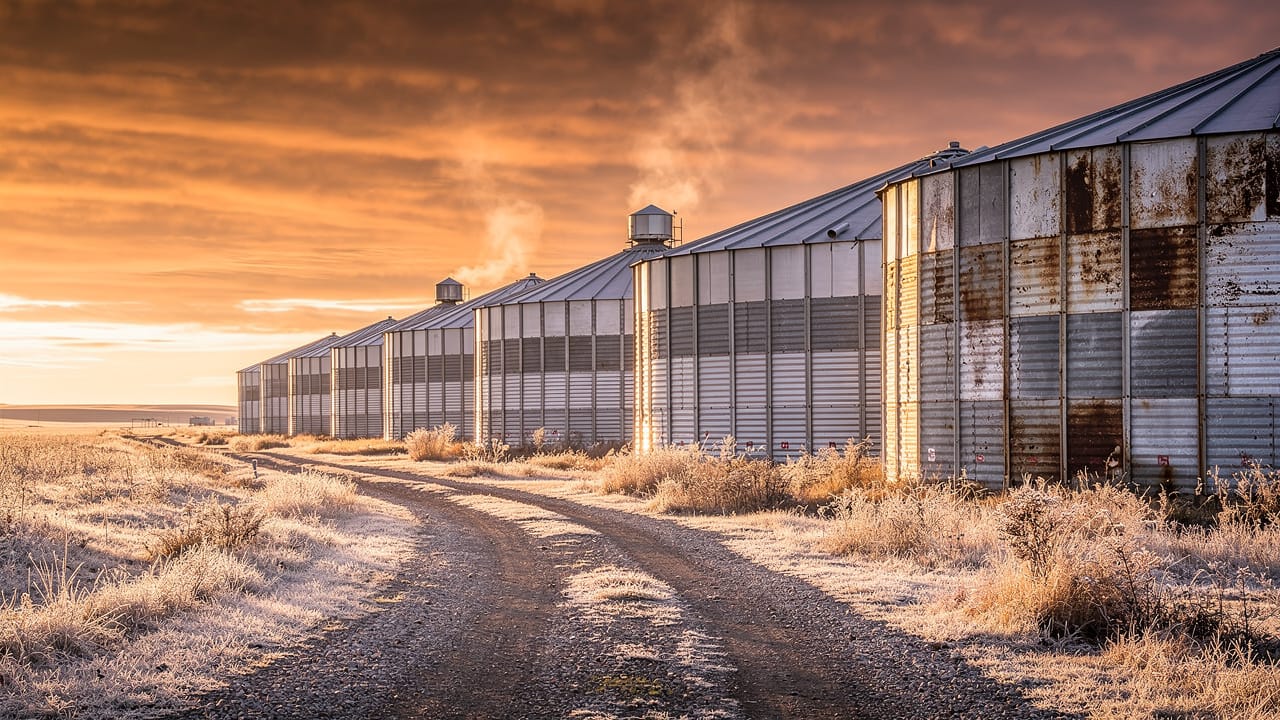
Grain handling and storage use modern agriculture technology to reduce spoilage and labour strain:
-
Automated dryers watch grain temperature and moisture, trimming fuel use while hitting target specs.
-
Bin cables track temperature and sometimes humidity through the full depth of stored grain, so hotspots show early instead of becoming caked, spoiled zones.
-
High-amperage services run big fans, legs, and conveyors without bogging down during harvest.
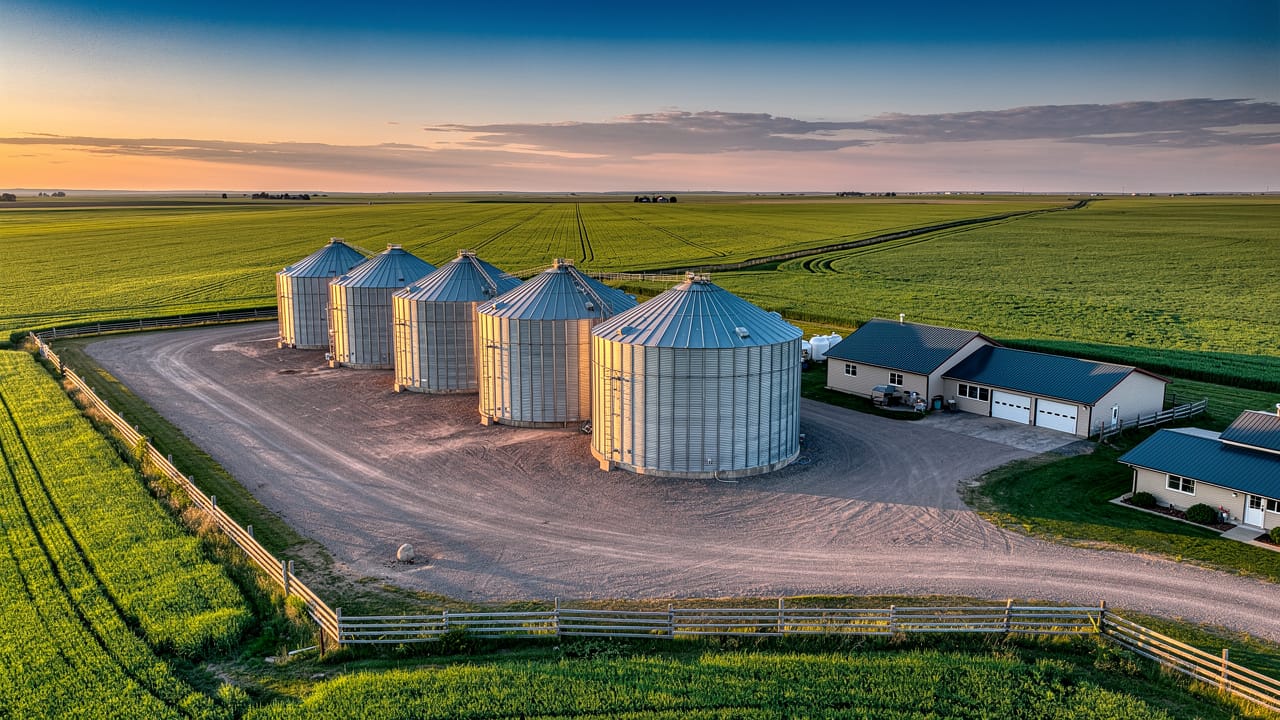
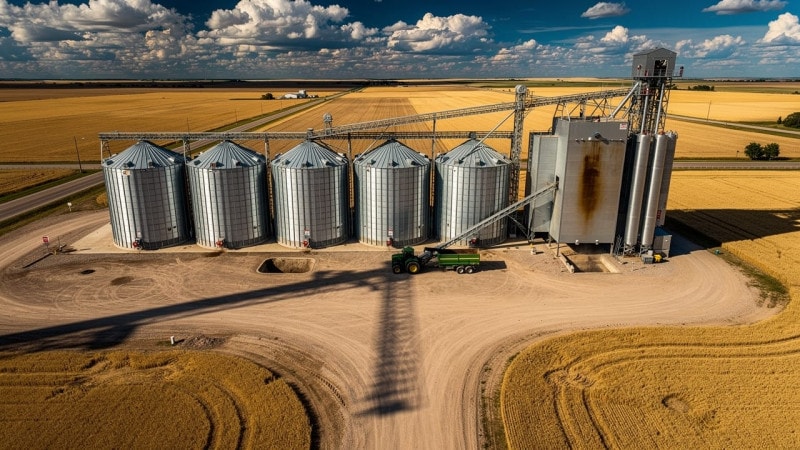
At Cedar Brook Farm in Jarvie, Alberta, Cove Electrical modernized grain handling with integrated shaft monitoring, high-level shutoffs, and whole-yard backup power, giving the owners confidence to run hard during tight weather windows.
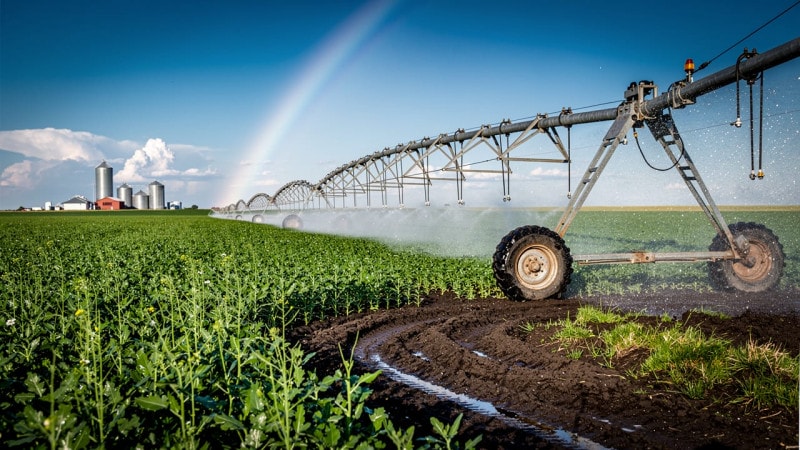
Field crops and irrigation gain from precise water and input control. Soil moisture probes feed centre pivots that adjust speed and application, cutting water use while maintaining or improving yield. VFDs on pump motors match output to field demand, lowering power bills and mechanical wear. GPS-guided equipment applies seed, fertilizer, and crop protection at variable rates driven by mapped soil zones. For all of this to work, pumps, panels at pivots, and control sheds need stable power and surge protection against lightning and switching events.
How Cove Electrical Powers Modern Agricultural Automation
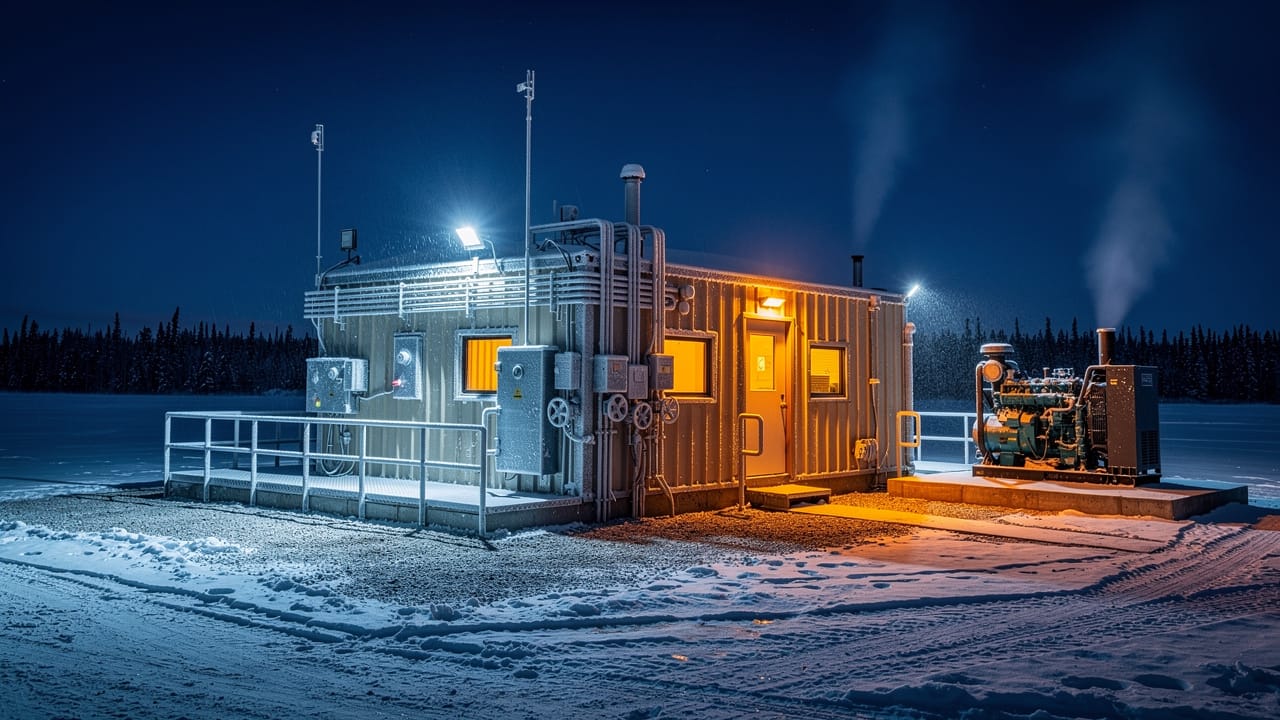
Cove Electrical focuses on operations that cannot afford downtime, with deep experience in Alberta agriculture, industrial plants, and remote oil and gas sites. That focus means the team looks at modern agriculture technology as part of a complete power and control system, not as stand-alone gadgets. The goal is straightforward: keep critical loads running safely, day after day, through busy seasons and harsh weather.
PLC panel engineering and programming sit at the heart of many projects. Cove designs and builds panels that run livestock environmental controls, grain handling sequences, irrigation sets, and greenhouse systems. Programming links sensors, drives, and alarms into logic that matches how the farm actually works, so operators can see clear statuses and make practical changes without digging through code. Panels are laid out and cooled to protect electronics from dust, heat, and corrosion found on real farms.
Grain handling automation is a major part of Cove’s work. Projects often include grain and oilseed temperature monitoring, shaft speed checks across dozens of conveyors and augers, and high-level shutoffs that stop filling before bins overtop. Overhead bin scale integration ties into PLCs so operators know exactly what has moved where. The Cedar Brook Farm upgrade shows how a well-designed system can pull all these pieces together with whole-yard generators for backup.
Backup power design is another core service. Cove sizes diesel, propane, or natural gas generators for barns, grain systems, and farmyards, then ties them in with Automatic Transfer Switches and UPS units for controls and servers. The result is a layered approach where heavy loads transfer smoothly to backup and sensitive devices ride through without rebooting every time the grid flickers.
Motor control and power quality support long service life. Cove applies VFDs on fans, pumps, and conveyors so motors only use the power they need, reducing both bills and wear. Line reactors, harmonic filters, surge devices, and clean control circuits keep modern agriculture technology running steadily instead of failing under noise and spikes. At the same time, Cove upgrades main panels, feeders, and raceways with capacity for future expansions, so each automation step builds on a solid base rather than pushing the limits of old gear.
Conclusion
Modern agriculture technology can raise yields, trim input costs, and give operators better control over risk. IoT sensors, automated handling, and smart control software already prove their worth on Canadian farms that have invested in the right electrical backbone. Where power is weak or outdated, the same gear turns into a constant source of faults and downtime.
Every sensor, PLC, robotic milker, and grain monitor depends on clean, reliable, code-compliant electrical infrastructure. For Alberta farm operators, betting new automation on undersized panels, worn wiring, and no backup power is a real financial and safety risk. Bringing in a specialist like Cove Electrical early in the planning stage lets operations map out capacity, backup power, and control logic before problems appear.
Cove Electrical works as a long-term electrical partner for grain, livestock, and irrigation operations that need their systems to run, not just most days, but every day. Contact Cove Electrical to review your current electrical setup and design a power system that supports the automation in place now and the growth that is coming next.
FAQs
What Electrical Upgrades Do I Need Before Installing Farm Automation Systems?
Before adding major automation, start with a load assessment on the main service and subpanels. Many modern operations need at least a 200 amp service, and larger yards often require 400 amp or more. Wiring should be sized for continuous heavy loads with minimal voltage drop. A standby generator with an Automatic Transfer Switch and a UPS for controls protects modern agriculture technology from outages and brownouts. Surge protection and power quality devices help keep PLCs and drives running reliably.
Why Is Backup Power Important For Automated Livestock And Grain Operations?
In a livestock barn, a power loss can stop fans, heaters, and controls within minutes, putting animals at direct risk. Automated feeding and milking also come to a halt, which can damage production and health. In a grain system, a dryer that shuts off mid-cycle can leave grain at unsafe moisture levels or create fire hazards. Without UPS protection, PLCs and drives may lose settings during each outage. A standby generator with an Automatic Transfer Switch keeps modern agriculture technology online when the grid fails.
How Does Cove Electrical Support Modern Agriculture Automation Projects?
Cove Electrical delivers full-scope agricultural electrical and automation services from design through commissioning and service. The team engineers and programs PLC panels for livestock, grain handling, irrigation, and greenhouse control, tying in sensors, VFDs, and alarms. Backup power systems with generators, Automatic Transfer Switches, and UPS units keep critical loads running during outages. Power quality measures protect sensitive electronics, while upgraded panels and raceways leave room for growth. With strong field experience in Alberta farm and industrial environments, Cove helps operators get the most from modern agriculture technology over the long term.