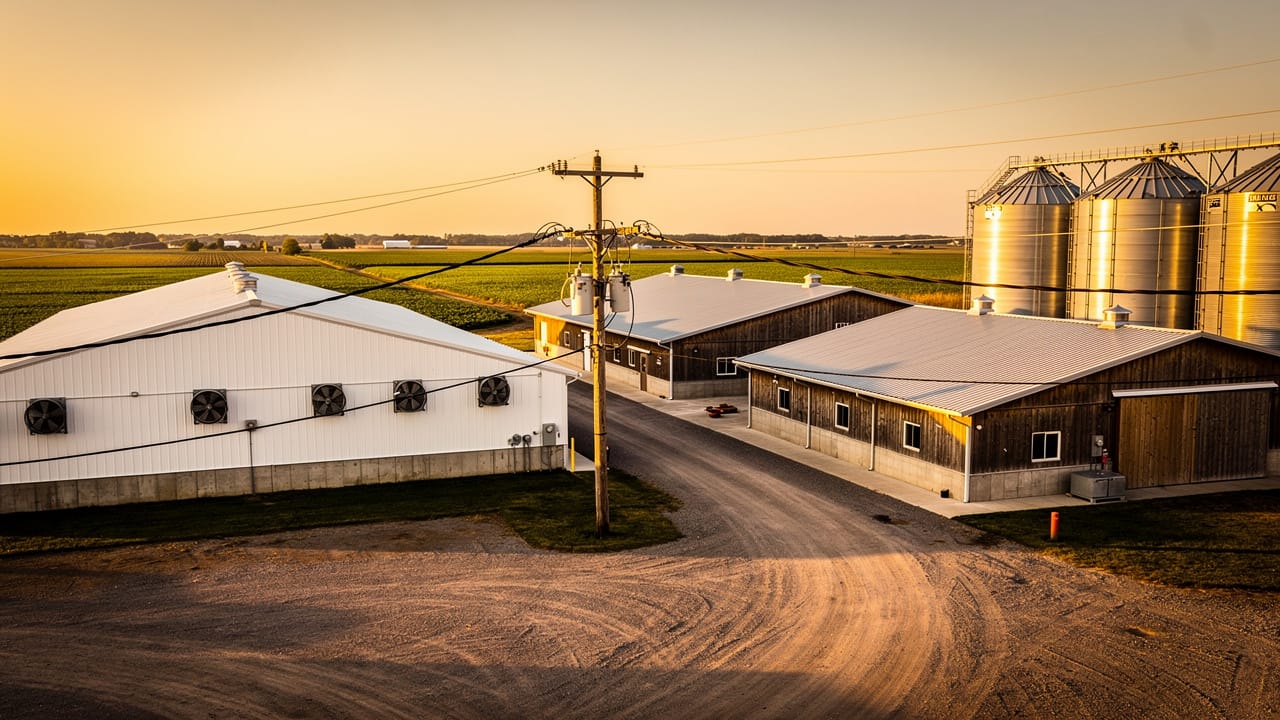
Grain does not wait. When trucks are lined up, bins are near full, and weather is changing by the hour, there is no room for equipment failure, guesswork, or long walks between manual switches. One seized bearing or one wrong gate position can throw the entire day off, and the costs stack up fast. That is a lot to juggle when every hour counts.
This is where PLC controls for grain elevators make a real difference. A Programmable Logic Controller (PLC) is a hardened industrial computer that replaces old relay panels and scattered switches with one smart brain. It watches sensors, follows programmed logic, and runs motors, gates, legs, and conveyors in a safe, repeatable way. Instead of rewiring panels every time the site grows, you update the program.
Grain handling is also a high‑risk environment. Combustible dust, high motor loads, tall structures, and multiple buildings all push electrical gear hard. Add the pressure of harvest season and any weakness in the control system turns into real safety and financial risk.
“The first rule of any technology used in a business is that automation applied to an efficient operation will magnify the efficiency.” — Bill Gates
PLC automation does exactly that for grain handling: it makes a good operation faster, safer, and easier to run.
This article walks through what PLC controls do for grain elevators, the main components involved, the practical benefits for daily operation, and how to pick the right partner. Along the way, you will see how Cove Electrical designs PLC-based systems that keep Canadian grain facilities running safely, even in demanding rural conditions.
Key Takeaways
Time is tight, so here is a quick overview before diving deeper.
-
PLC controls for grain elevators replace manual or relay-based systems with central, programmable automation. They manage grain paths, enforce safe start-up sequences, and react quickly when sensors detect trouble anywhere in the system. This gives operators far more control from a single point.
-
Key hardware pieces include the PLC panel, HMI touchscreen, Motor Control Centre, VFDs, and hazard sensors. Together they monitor everything from bin levels to bearing temperatures and shaft speed. Each part plays a clear role in safe and efficient grain handling.
-
Working with a contractor that understands agricultural sites is just as important as the hardware. Full-scope design, installation, backup power, and long-term support make the difference between a system that only runs on paper and a system that works every busy season.
What Are PLC Controls for Grain Elevators and Why Do They Matter?
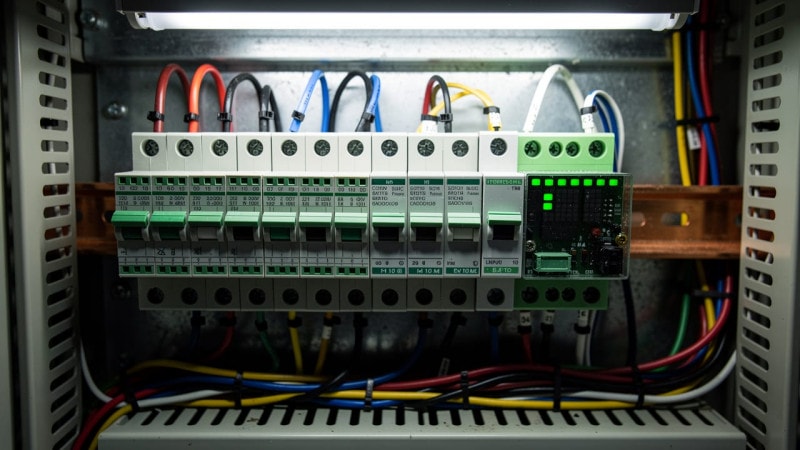
A PLC control system is the central brain of a modern grain elevator. The PLC reads signals from field devices such as bin level sensors, grain and oilseed temperature probes, shaft speed switches, and emergency stops. Based on the logic written by the programmer, it then sends commands to motors, gates, valves, and alarms so the elevator runs in the right order, at the right time.
Older relay-based or manual systems rely on long runs of hardwired logic. Any change in grain paths, motor size, or added equipment often means someone has to spend days tracing wires and moving contacts. With PLC controls for grain elevators, most changes are done in software. You adjust the program, test the logic, and put the new sequence into service with far less downtime.
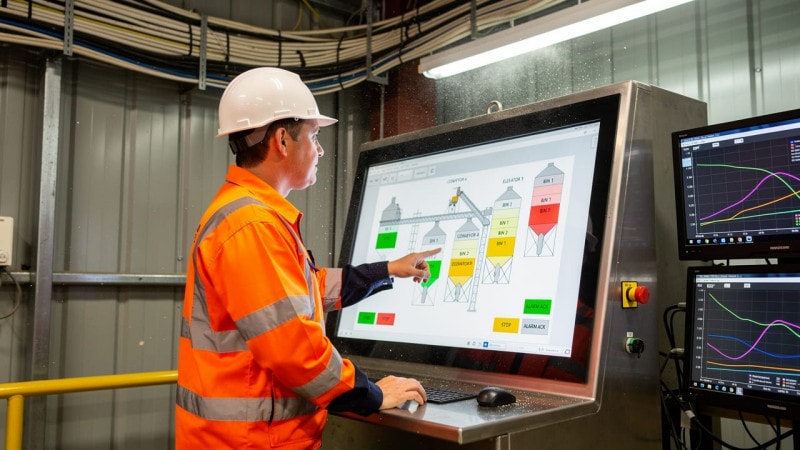
One of the biggest gains is simple, one-touch path selection. An operator chooses a source and destination on the HMI touchscreen, such as a receiving pit to a specific storage bin. The PLC checks that gates and distributors are in the correct position, starts legs and conveyors in a safe order, and keeps watching sensors for overloads, plugs, or misalignment. If something goes wrong, it can shut down the right equipment in a controlled way instead of letting a small issue grow.
Holding off on a PLC upgrade carries clear risks. Manual control makes it easier to start equipment out of order or send grain to the wrong bin. Without integrated hazard monitoring, a hot bearing or slipping belt may not be noticed until there is smoke or a burned-out motor. As more bins, dryers, and conveyors get added, a patchwork of old panels can slow you down and limit future growth.
Grain sites in Alberta and across Canada also face dust, moisture, temperature swings, and electrical noise from long rural feeds. PLC hardware is built to handle these conditions better than office-grade electronics. For operations that live or die by a few weeks of grain handling, investing in a reliable, programmable control system is a direct protection of throughput and profit.
Core Components of a Grain Elevator PLC Control System
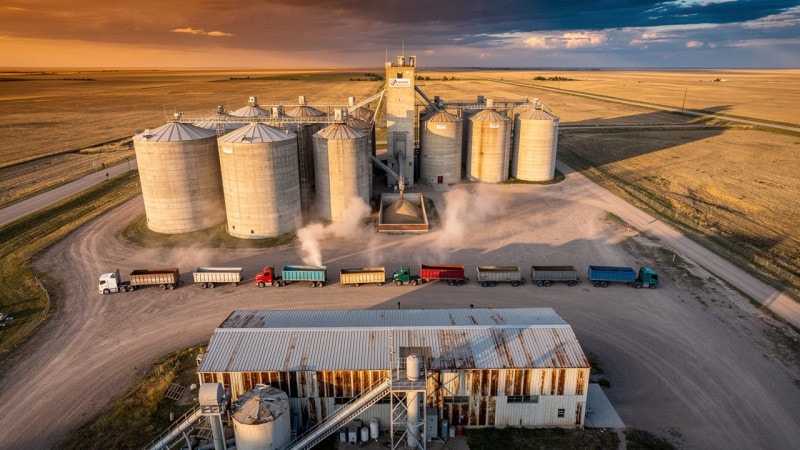
A well-designed grain elevator PLC control system is more than one panel on the wall. It is a group of hardware and software pieces that work together as one clear control strategy.
-
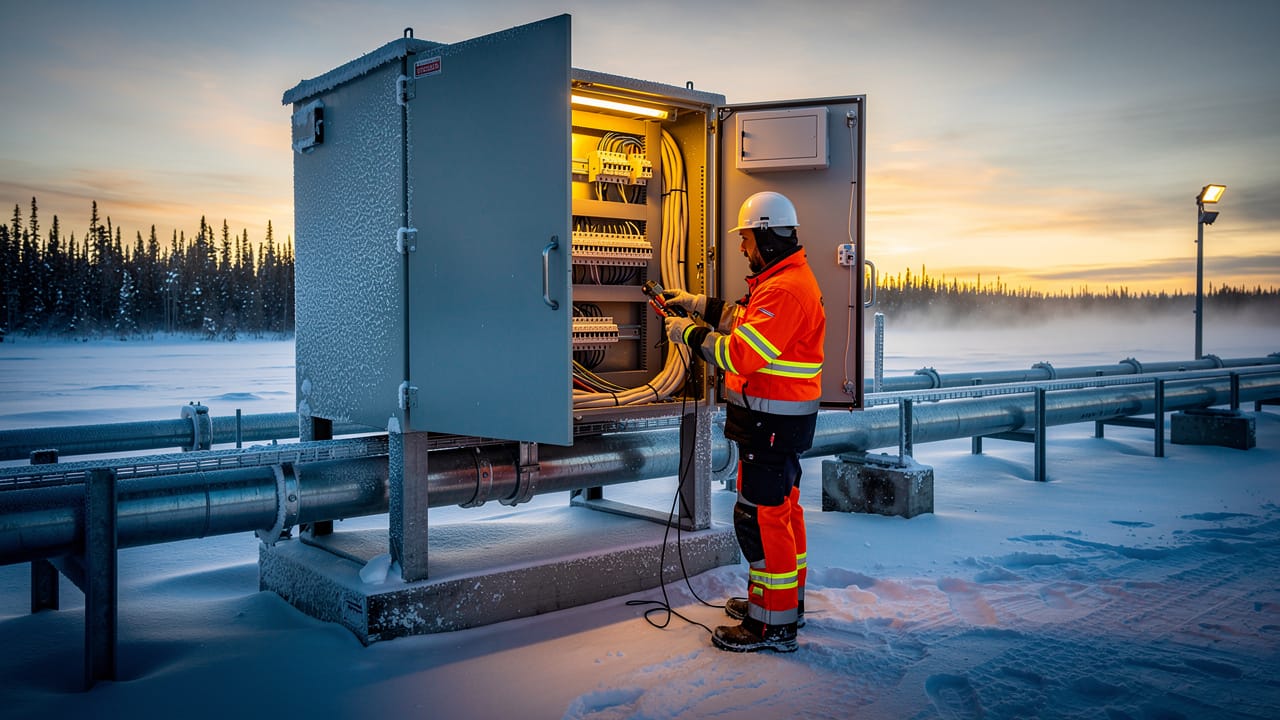
PLC Panel acts as the main processor. It lives in a protective enclosure sized and rated for dusty agricultural spaces. Inside are the CPU, input and output cards, power supplies, and communication modules. The PLC scans input signals from the field many times per second and updates outputs just as quickly, so your equipment reacts in real time.
-
HMI (Human-Machine Interface) is the touchscreen operators use every day. It displays a simple drawing of the site, showing which motors are running, which bins are filling, and where alarms are active. From this one screen, you can start or stop paths, adjust setpoints, and review alarm histories without opening a panel or walking the yard.
-
Motor Control Centre (MCC) brings all the starters, overloads, and Variable Frequency Drives into one location. The PLC sends low-voltage control signals to the MCC, and the MCC switches the higher-voltage motor circuits. This keeps heavy power wiring short and neat while giving clear status feedback to the PLC for each motor.
-
Variable Frequency Drives (VFDs) control the speed of AC motors on fans, pumps, and many conveyors. They provide soft starts that reduce belt slippage and mechanical shock when equipment starts under load. They also let you slow fans or conveyors when full speed is not needed, which cuts energy use and extends the life of motors, belts, and gearboxes.
-
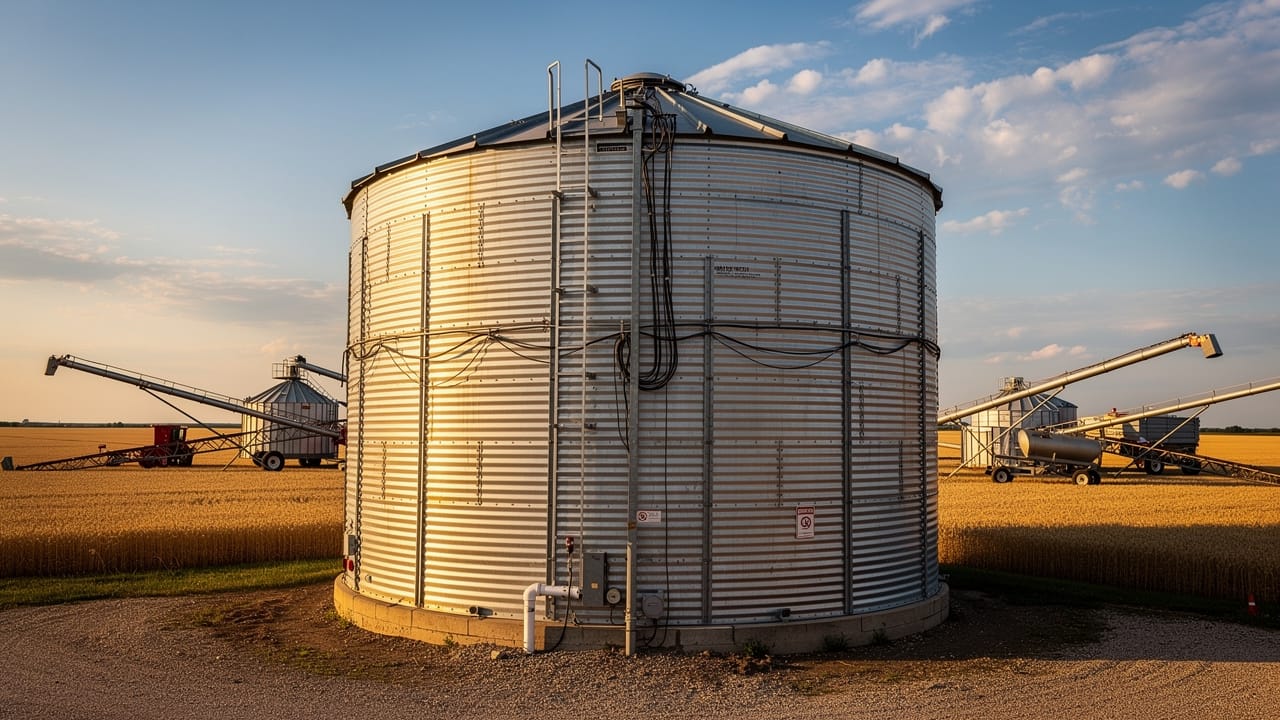
Sensors and Field Devices are the eyes and ears of the system. Bin level sensors provide real-time inventory and protect against overfills. Bearing temperature switches on legs and conveyors warn of overheating before it becomes a fire risk. Belt alignment and speed sensors detect mis-tracking or slippage, while shaft monitoring devices track the health of many handling points around the yard.
-
Safety Controls add another layer of protection. High bin level shutoffs stop filling before grain reaches dangerous heights. Integrated overhead bin scales give accurate weights and act as another check that bins are not overloaded. Emergency stop buttons tie into safety circuits so that pressing one button stops groups of equipment immediately, regardless of the PLC program.
-
Power Quality and Backup Equipment protect the whole control system. Surge protection devices, line reactors, and harmonic filters keep voltage spikes and electrical noise away from sensitive PLC cards and VFDs. Standby generators, Automatic Transfer Switches, and UPS units keep controls powered during outages and generator changeovers. This means the PLC, HMI, and network gear stay online precisely when you need them the most.
Together, these components create a coherent control system instead of a mix of separate panels and switches.
Key Benefits of Implementing PLC Automation in Your Grain Facility
Once the hardware is in place and the logic is written, the benefits of PLC controls for grain elevators show up every single day during operation.
Higher operating efficiency. Automated sequencing improves efficiency from the first truck. Instead of walking between buildings to start legs and conveyors one by one, an operator can select a path and let the PLC start equipment in the correct order. Changeovers between bins or commodities are faster, and overall bushels per hour can climb without adding more staff or longer shifts.
Improved safety. Grain dust and high horsepower motors make elevators hazardous locations under the Canadian Electrical Code. PLC systems tie together bearing temperature monitoring, belt alignment switches, shaft speed sensors, and plug detectors. When readings move into a warning range, the HMI notifies the operator. If they reach a trip level, the PLC shuts the right equipment down before heat, friction, or spilled product lead to a fire or injury.
Proactive issue detection. Monitoring grain temperature, oilseed temperature, and dozens of handling shafts means you see problems forming days or weeks before they cause a full stop. Examples include:
-
A steady rise in a bearing temperature on a leg head
-
A small but repeated drop in shaft speed on a key conveyor
-
Recurring belt misalignment alarms on the same section of belting
Each pattern points maintenance crews to the exact spot to inspect during the next quiet window.
Lower energy use and mechanical wear. Energy savings and reduced mechanical wear show up on the power bill and in lower repair costs. VFDs allow motors to run only as fast as needed, which cuts current draw and softens every start-up. Over time, this means fewer belt changes, less gearbox repair, and motors that last longer before rewinds or replacement.
Room to grow. Scalability might be the most underrated benefit. Modular PLC hardware and clear programming let you add bins, conveyors, or a new dryer without ripping out control panels. New devices are wired into spare input and output points or added cards, then brought into the program and HMI screens. The initial investment keeps paying off as the facility grows, instead of becoming a limit on expansion.
How Cove Electrical Delivers Full-Scope PLC Services for Grain Elevators
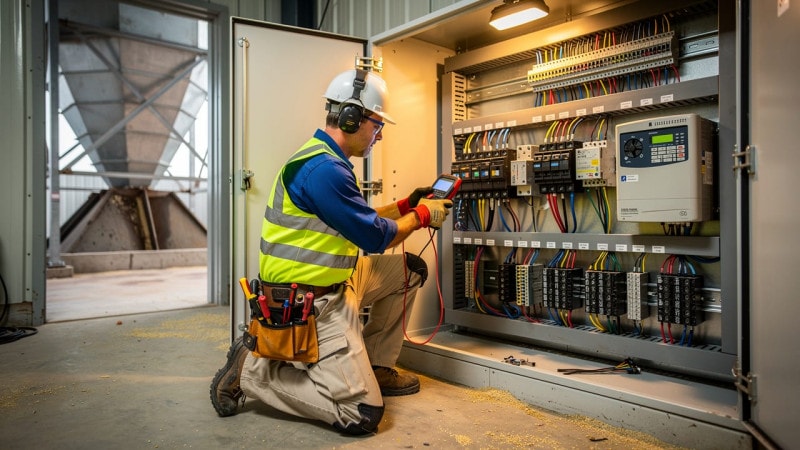
Cove Electrical focuses on operations that cannot afford downtime, and grain elevators are at the centre of that work. The team is led by an experienced electrician with many years of hands-on experience in agricultural, industrial, and remote Alberta sites. For grain handling, Cove Electrical designs and installs PLC controls for grain elevators that keep power stable, automation reliable, and safety at the front of every decision.
The company provides full-scope services for new builds and modernizations. That includes system engineering, PLC programming, and careful electrical installation from the service entrance to the smallest sensor. Grain and oilseed temperature monitoring is tied directly into the PLC, along with shaft monitoring for more than twenty grain handling shafts when needed. High bin level shutoffs, overhead bin scales, and safety interlocks are all designed as part of one clear control strategy instead of being bolted on later.
Typical project stages at Cove Electrical include:
-
Site visit, load review, and concept design
-
Detailed drawings, PLC and HMI programming, and panel fabrication
-
Field installation, verification of every I/O point, and commissioning
-
Operator training, documentation, and ongoing support
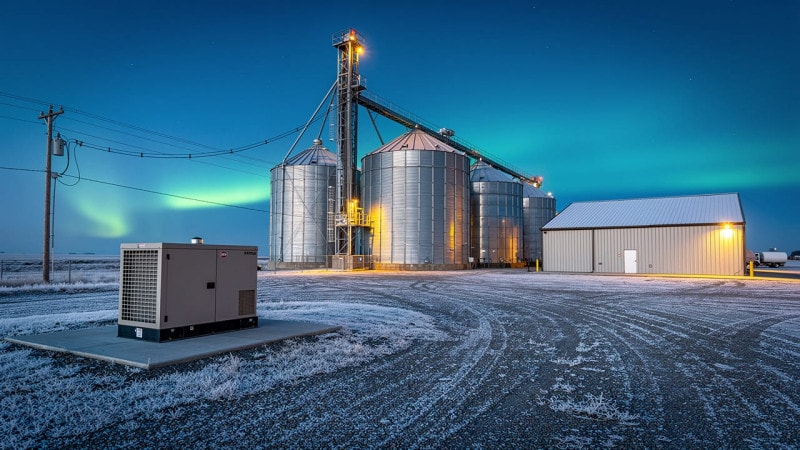
Through the True Ag Automation Division, Cove Electrical adds smart sensor integration and remote wireless control. HMI touchscreens and data analytics give operators real-time insight into grain drying, transfer rates, and inventory without leaving the control room. Backup power systems, including standby generators, Automatic Transfer Switches, and UPS units, keep PLC panels, network gear, and computers running through outages and changeovers, so the control system is not the weak link.
A good example is Cedar Brook Farm near Jarvie, Alberta. Their existing electrical and control setup could not keep pace with growing grain volumes and added equipment. Cove Electrical delivered a complete upgrade that combined new PLC controls, field wiring, temperature and shaft monitoring, bin scales, and whole-yard backup generation. The result was earlier detection of mechanical issues, far less downtime during busy periods, and a grain handling system that the farm can rely on as it continues to expand.
Conclusion
Outdated relay panels, scattered switches, and undersized wiring are more than an inconvenience in a grain elevator. They raise the chance of safety incidents, slow down grain flow during the most important weeks of the year, and hold back expansion plans. For Canadian farms and grain operators, those risks turn directly into lost revenue and higher operating stress.
“If you need a machine and don’t buy it, then you will pay for it without getting it.” — Henry Ford
Modern PLC controls for grain elevators bring all parts of the system into one clear, reliable structure. Automated sequencing starts and stops equipment safely. Hazard monitoring and interlocks prevent many problems before they grow. VFDs and good power quality design cut energy use and extend equipment life. Backup power keeps the brains of the system alive when the grid fails.
Getting that value depends on working with a partner that understands agricultural environments, hazardous locations, and heavy-duty electrical work, not just programming. Cove Electrical combines field-proven design, careful installation, and ongoing support so your control system works every harvest, not just on day one. To see where your current setup stands and what is possible with modern PLC automation, reach out to Cove Electrical and start planning a more reliable future for your grain facility.
FAQs
What is a PLC control system for a grain elevator?
A PLC control system uses a rugged industrial computer to run grain handling equipment automatically. It reads input from sensors such as bin level, bearing temperature, and shaft speed devices. Based on programmed logic, it starts and stops motors, moves gates, and manages alarms. In short, it handles grain path sequencing and safety shutdowns with far more precision than manual or relay-based systems.
How do PLC controls improve safety in grain elevators?
Grain elevators are hazardous locations under the Canadian Electrical Code because of combustible dust and high motor loads. PLC controls improve safety by watching bearing temperature sensors, belt misalignment switches, shaft monitors, and plug detectors in real time. They trigger alarms and controlled shutdowns before conditions become dangerous. High bin level shutoffs and integrated scales add another protection layer, and interlocks in the program prevent unsafe start-up or shutdown sequences.
How long does it take to upgrade a grain elevator to a PLC system?
The schedule depends on the size of the facility, how many motors and sensors are involved, and how complex the automation needs to be. Many projects are planned for the off-season so grain handling is not disrupted. Control panels are built and tested in a shop first, which shortens on-site wiring and commissioning time and helps keep the upgrade window as short as possible.
Why choose Cove Electrical for grain elevator PLC automation?
Cove Electrical focuses on operations that rely on continuous power, with strong experience in grain handling, hazardous locations, and rural Alberta sites. The team covers engineering, PLC programming, installation, commissioning, and long-term support, including remote wireless control through the True Ag Automation Division. The Cedar Brook Farm project near Jarvie shows how this approach delivers better reliability, early fault detection, and confidence that the system will support future growth.