A person can disappear into flowing grain in less than half a minute, and once they go under, there is almost no practical way to pull them out in time. For many operations, that risk still sits just a few steps away behind a bin door. Zero-entry grain management is the approach that removes that danger from the workday instead of trying to control it with harnesses and hope.
Traditional grain bin work asks people to climb inside for levelling, checking for crust, sampling, and shovelling out the last few tonnes. Every one of those tasks puts a worker in the same confined space as unstable grain, dust, and powerful machinery. Even with written procedures, a small mistake can turn routine bin work into a fatal event that changes a farm or plant forever.
Zero-entry grain management replaces those manual jobs with automation, remote monitoring, and engineered clean-out systems. This article explains why conventional bin entry is so dangerous, what a true zero-entry setup looks like, and why electrical and control design under the Canadian Electrical Code sit at the centre of safe operation. It also outlines practical steps for adding zero-entry capability on a new build or retrofitting existing bins, and how a specialist contractor such as Cove Electrical helps keep people, product, and equipment out of danger.
Key Takeaways
-
Zero-entry grain management is about removing people from one of the most dangerous places on a farm or handling site. Instead of sending workers into bins, operators rely on sensors, automation, and remote clean-out equipment to manage grain from a safe distance. The result is fewer confined-space entries, better grain quality, and less labour tied up in high-risk work.
-
Grain bins are treated as Class II hazardous locations under the Canadian Electrical Code because of combustible dust. That means every part of a zero-entry grain management system depends on correctly rated motors, controls, and wiring methods, which must be installed by a contractor who understands hazardous farm sites. Professional integration, along with a phased rollout, helps spread costs while still gaining real safety and performance gains at each step.
The Real Dangers Of Conventional Grain Bin Entry
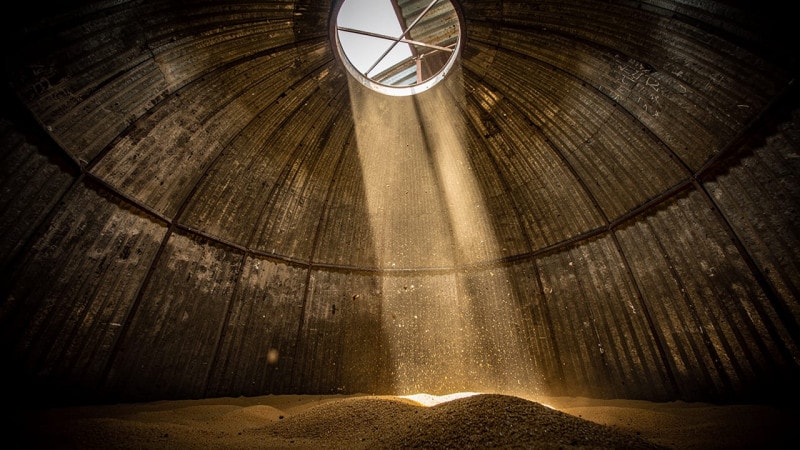
Walking into a grain bin can feel routine, especially for someone who has done it for years, yet the physics inside that space are unforgiving. Flowing grain behaves much like quicksand. An adult can be trapped up to the knees in only a few seconds and pulled under the surface in well under half a minute. Once buried, the pressure of the grain makes self-rescue almost impossible, even for a strong, healthy person.
“No one should have to risk their life to move grain.”
Engulfment does not only happen when grain is obviously moving. Spoiled or high-moisture grain can form a hard crust over an empty pocket left when grain was unloaded earlier. That crust looks solid from above, so a worker steps out to check or break it. The surface suddenly gives way, they fall into the cavity, and loose grain collapses around them before anyone outside understands what happened. The same type of hidden danger exists in steep vertical grain walls stuck to the bin sidewall, which can collapse without warning when someone tries to knock them down.
The air inside a bin can be just as deadly as the grain. Decomposing grain and normal respiration release gases such as carbon dioxide and nitrogen dioxide. These gases push out oxygen and can make the space unbreathable while still looking normal from the hatch. Mould spores and dust can trigger serious lung issues. Without proper testing and supplied air, a person may become dizzy or unconscious before they realize anything is wrong.
Fine grain dust creates another major hazard. When dust hangs in the air at the right concentration, it takes only a small ignition source from a motor, bearing, or static build-up to set off an explosion. That risk is higher when electrical equipment is not rated for dusty Class II locations or when wiring is damaged. On top of this, in-bin augers, sweeps, and conveyors can start unexpectedly if lockout procedures are missed or misunderstood, pulling a worker into moving parts within moments.
The main hazards inside a grain bin include:
-
Engulfment and entrapment from flowing or bridged grain
-
Toxic or oxygen-poor air from gases, mould, and dust
-
Dust explosions triggered by an ignition source
-
Moving equipment such as sweeps, augers, and conveyors
These dangers rarely appear on their own. A person might walk in to break crusted grain, breathe poor air, stand over a hidden cavity, and work near a sweep that can start if someone outside flips the wrong switch. The only reliable way to remove this stacked risk is to remove the need to go in at all, which is exactly what zero-entry grain management is designed to do.
What Is Zero-Entry Grain Management?
Zero-entry grain management is a full strategy that lets an operator load, monitor, condition, and empty grain bins without anyone stepping inside. Instead of sending workers into a confined space when there is a problem, the system uses sensors, smart controls, and powered clean-out equipment that all operate from outside the bin. The focus shifts from reacting to trouble to preventing it.
In a traditional setup, people enter bins for levelling, checking for crust or heating, pulling samples, and shovelling out stubborn pockets along the floor or walls. Zero-entry grain management removes those tasks from the job list. Temperature, moisture, and level data come from inside the bin without opening a man door. Bin sweeps finish the clean-out on their own. Fans and heaters start and stop based on data instead of guesswork or habit.
Key elements work together to make that possible. Temperature and moisture monitoring cables hang from the roof through the grain, with sensors placed at several depths. These cables provide a three-dimensional picture of what is happening inside, so hot spots or wet pockets are spotted early while there is still time to correct them from outside. That early warning is the backbone of safe zero-entry grain management, because it prevents many of the spoilage issues that once forced people to go in with shovels.
“You cannot manage what you do not measure.” — management adage that fits grain storage perfectly
Smart aeration control adds another layer. Instead of flipping fan switches by feel, a controller compares grain conditions to outside air and starts fans only when the air will cool or dry grain in the right way. This protects grain quality, keeps energy use under control, and reduces the urge to climb in and check things by hand. At the end of storage, remotely operated, self-advancing sweep augers pull remaining grain into the centre sump until the floor is clean, removing the classic task of sending someone inside with a shovel.
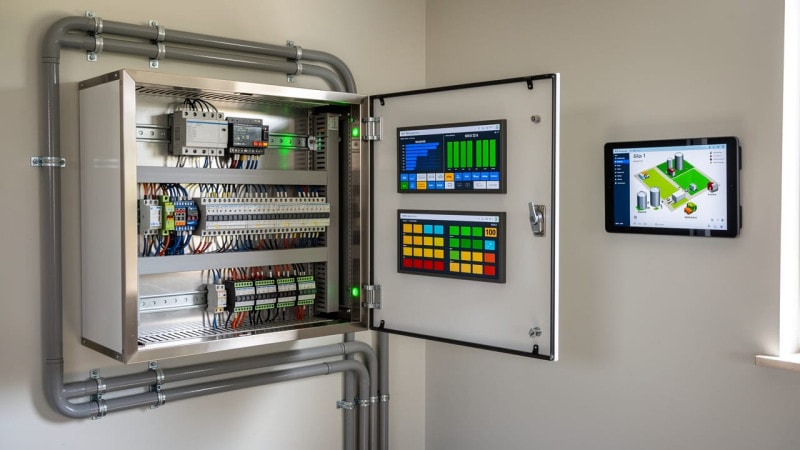
All of these pieces tie into a central control system, often built around a PLC with a user-friendly screen or remote app. From a control room, office, or phone, an operator can see temperatures, moisture levels, grain inventory, and equipment status in real time. That control, paired with a firm rule against bin entry, turns a high-hazard confined space into a managed storage asset.
The Electrical Infrastructure Powering Safe Zero-Entry Systems
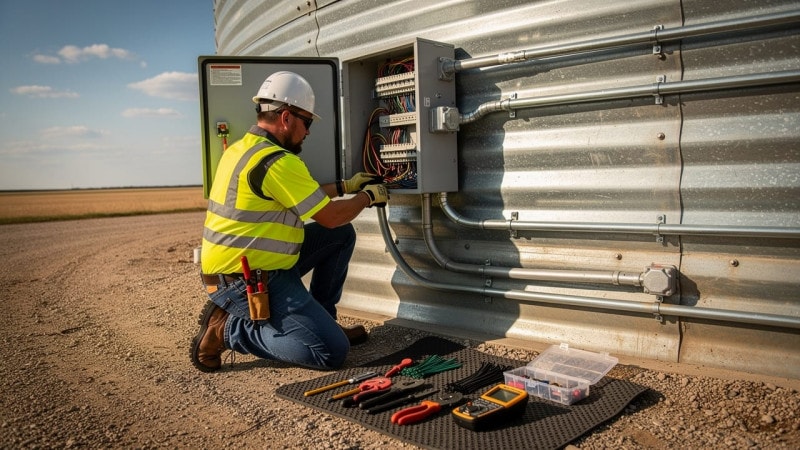
Every part of zero-entry grain management rests on electrical and control work that must stand up to harsh farm conditions and strict safety rules. Grain bins and handling points fall under Class II hazardous locations in the Canadian Electrical Code because of combustible dust. That means general-purpose equipment and light-duty wiring methods are not acceptable. The wrong motor, enclosure, or connector can turn normal bin dust into fuel for an explosion.
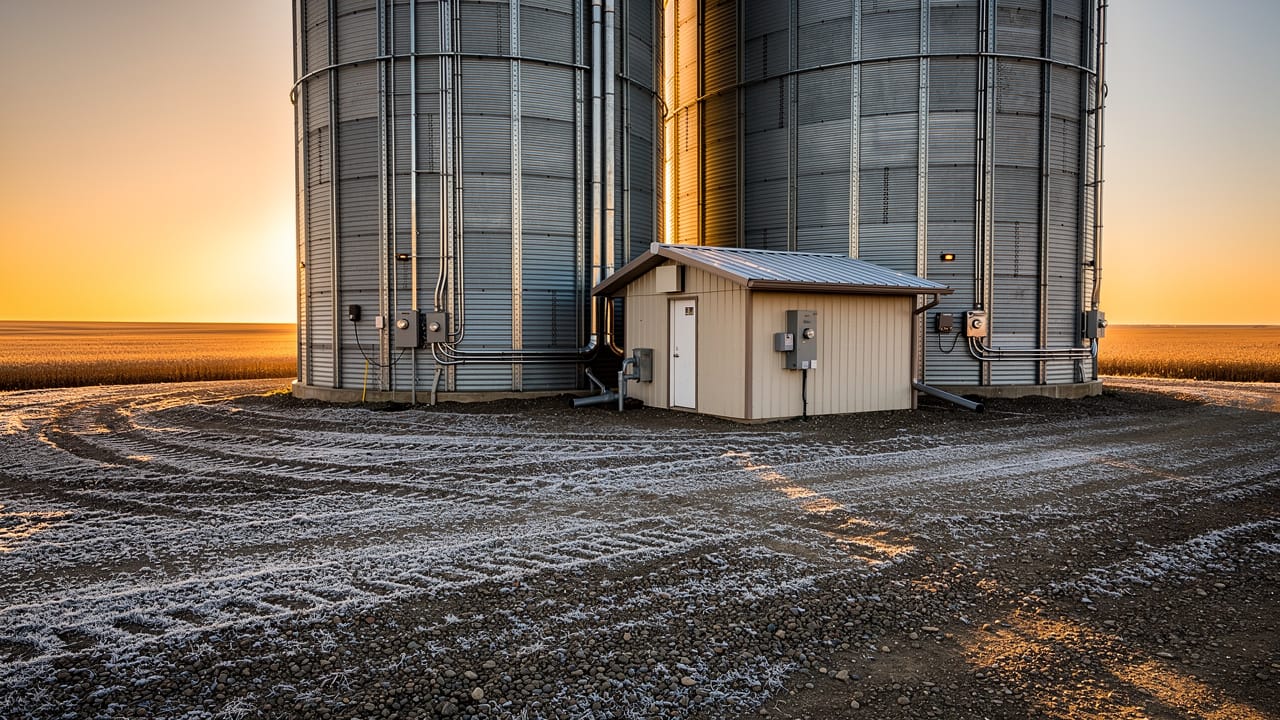
To reduce that risk, every electrical device in a zero-entry grain management system needs the correct rating. Motors, sensors, light fixtures, and control stations in dusty areas must be marked for Class II use and protected so dust cannot get inside. Wiring runs should use sealed metal or PVC conduit that keeps dust out and stands up to physical abuse from equipment and weather. Enclosures often need NEMA 4X ratings for moisture and corrosion resistance so that contact points stay clean and safe over many seasons. Proper bonding and grounding help control static build-up, which is a common ignition source in dry grain dust.
The automation side is just as important. A PLC receives data from temperature, moisture, level, and shaft sensors, then makes decisions about when to run fans, start unloads, or trigger alarms. Variable Frequency Drives (VFDs) control fan and motor speeds, improving grain conditioning while reducing mechanical stress and power draw. Motor control centres and industrial control panels keep power organized and protected for multiple fans, augers, and sweeps spread across a yard. Good design keeps noisy power cables away from data lines so sensor readings stay accurate.
Reliable power is another requirement for safe zero-entry grain management. If a storm knocks out the grid in the middle of a warm spell, grain can heat quickly. A whole-yard generator system with an automatic transfer switch keeps vital fans, sensors, and controls running when utility power fails. Clearly labelled main disconnects for each building and major piece of equipment give workers a fast way to de-energize systems for maintenance or in an emergency.
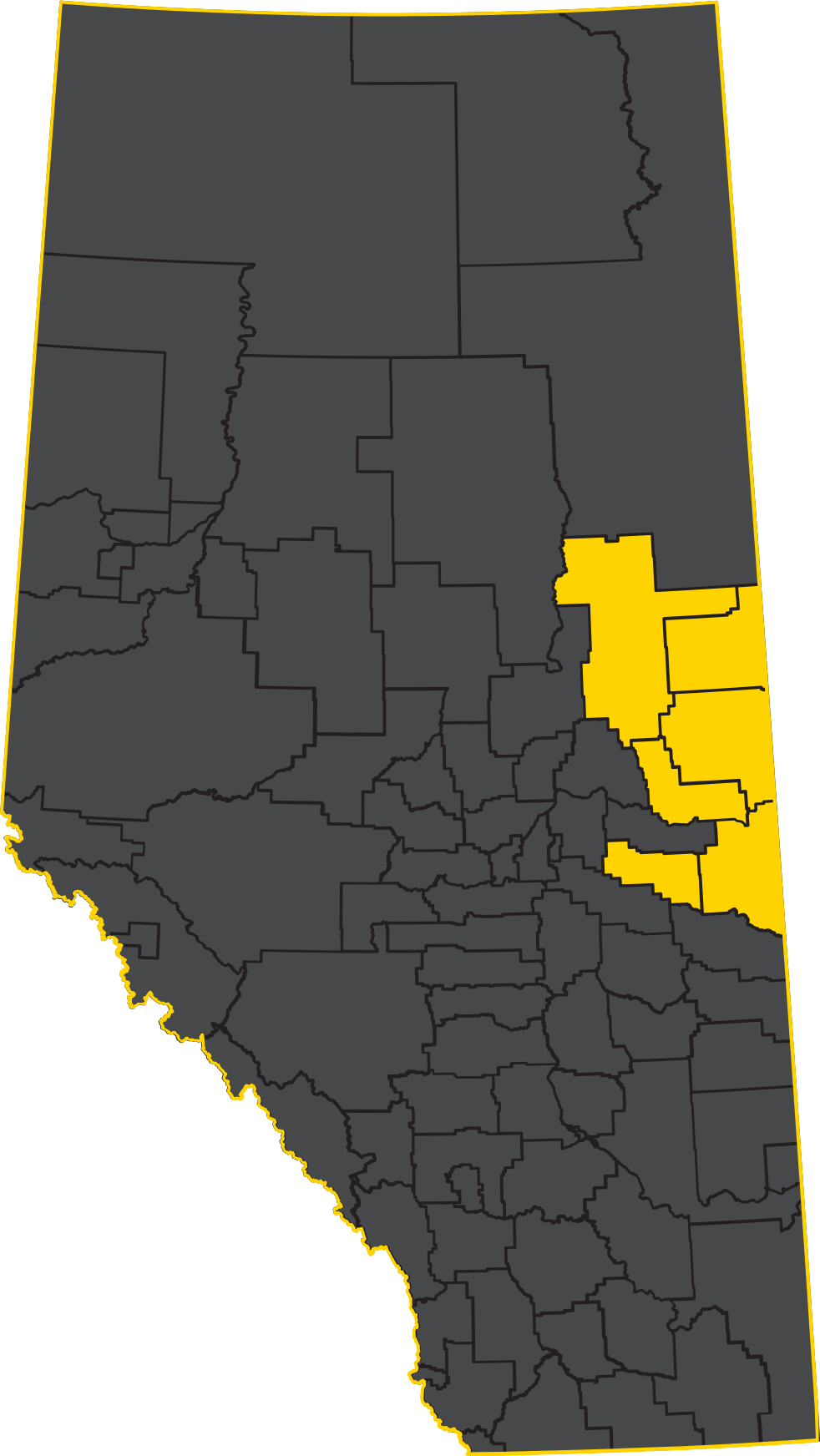
This is exactly where a specialist contractor such as Cove Electrical brings value. The company focuses on operations that cannot afford downtime and has deep experience with agricultural Class II sites. On projects such as Cedar Brook Farm in Jarvie, Alberta, Cove Electrical handled full system engineering and PLC programming, tied in grain and oilseed temperature monitoring, added high bin level shutoffs, integrated overhead bin scales, and monitored more than twenty grain handling shafts. They also installed a yard-wide generator and hazardous location electrical gear, then backed it with ongoing service. Work like this shows how proper electrical design and installation turn the idea of zero-entry grain management into a dependable, safe day-to-day reality.
For any operation that relies on grain income, this is not the place to cut corners or pick the lowest bidder without the right background. The automation and remote features that keep people out of bins only work as intended when the power, controls, and protective devices behind them are designed and installed by people who understand both the Canadian Electrical Code and the way farms actually run.
Implementing Zero-Entry Grain Management On Your Operation
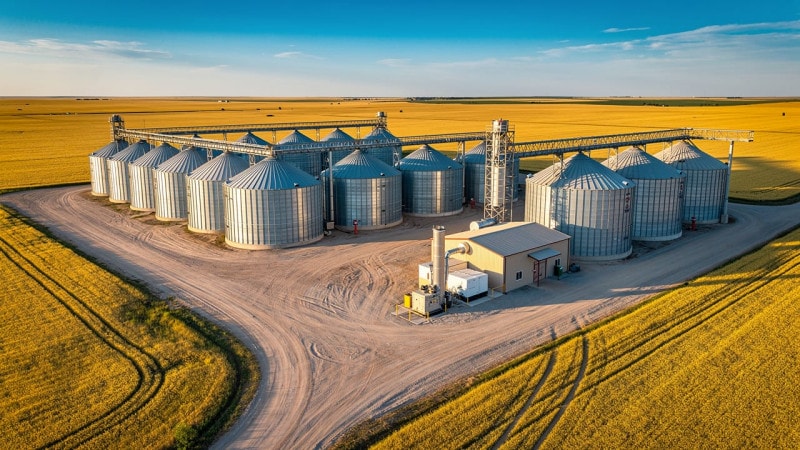
Moving to zero-entry grain management can feel like a big step, but it becomes manageable when broken into clear stages. The first move is a proper look at what is already on the ground. That means checking bin condition and foundations, reviewing existing unloads and aeration, and understanding how power and controls are currently laid out. It also means looking at the crops you store, because canola, wheat, corn, and soybeans each have different ideal temperature and moisture targets.
Along with the physical review, it helps to be honest about the main reasons for change. For some, the driver is a close call or a concern about confined-space rules. Others want better grain quality, less shrink, or lower labour costs. In most cases it is a mix of all three. Sharing that picture with a specialist electrical contractor such as Cove Electrical gives them the context needed to design a zero-entry grain management plan that makes sense for your site and budget.
Many operations choose a phased approach instead of doing everything in one season:
-
First phase: Add temperature and moisture cables with automated aeration control. That single step reduces or removes the need for workers to climb bins with a probe and gives consistent data for better decisions.
-
Second phase: Bring in true zero-entry sweeps and external unload controls so the dirtiest, highest-risk bin jobs disappear.
-
Third phase: Connect several bins and handling points through a central PLC and remote access, so one screen or app oversees the entire yard.
New projects offer the cleanest path for zero-entry grain management. When bins, foundations, and electrical service are planned together, it is easier to include proper sumps and trenches for sweeps, space for future conveyors, and extra conduit for added cables down the road. Retrofitting older bins is still very possible. Many sites gain a lot just from adding monitoring cables, high-level alarms, and smart fan control. Whether a bin can accept a full zero-entry sweep depends on its floor and foundation, which is why a site visit from an experienced contractor is so important.
Technology alone does not make a zero-entry culture. Written procedures, lockout rules, and staff training must match the new equipment. Everyone on site needs to understand that climbing into a bin is now an extreme exception, not a regular tool. Regular inspection of electrical panels, sensors, and mechanical parts should be built into the schedule so the system that protects people continues to perform for years.
Conclusion
Grain bin entry remains one of the most preventable causes of serious injury and death on farms and grain sites. Zero-entry grain management replaces that risk with a system built around monitoring cables, smart aeration, remotely operated sweeps, and dependable automation, all supported by electrical work that matches Canadian Electrical Code rules for Class II locations. When these pieces come together, workers stay outside the bin while grain stays in condition.
For operations across Alberta and beyond, this is not a future wish list. It is a practical step that protects people, product, and uptime right now. If your farm or facility still relies on manual bin entry, the next step is a hard look at your current setup and a conversation with a contractor who lives in this work. Cove Electrical specializes in power and control systems for grain and other critical operations, and can help design and install a zero-entry grain management approach that keeps your site safe and productive.
FAQs
What Does Zero-Entry Grain Management Actually Mean?
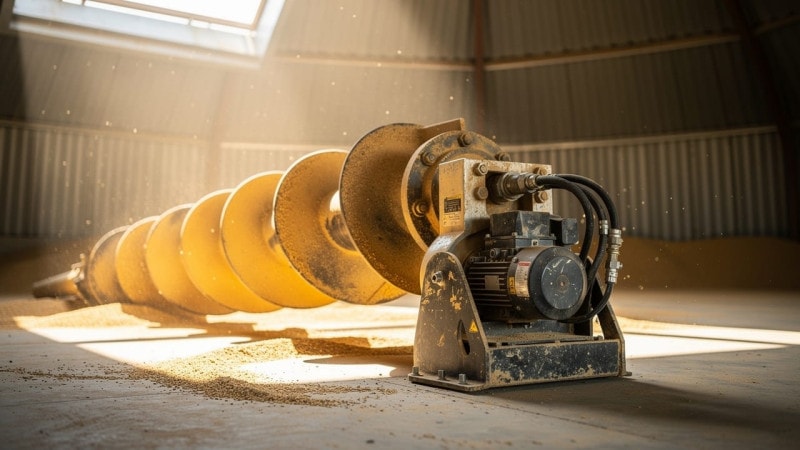
Zero-entry grain management is a way of handling stored grain where no one needs to go inside the bin. Sensors, automation, and remote clean-out equipment take care of monitoring, conditioning, and unloading. The entire storage cycle, from filling to emptying, is managed from outside the confined space.
Are Grain Bins Legally Classified As Confined Spaces In Canada?
Yes, grain bins meet the confined-space definition under provincial occupational health and safety rules across Canada. Entry normally requires a permit, air testing, a written plan, and trained standby support. By using zero-entry grain management, many operations avoid most bin entries and reduce that regulatory and safety burden.
Why Does A Zero-Entry System Require Specialized Electrical Installation?
Grain dust burns easily, so bins and handling areas are treated as Class II hazardous locations in the Canadian Electrical Code. Motors, lights, sensors, and controls must be dust-ignition-proof and wired with sealed methods. Specialized contractors such as Cove Electrical understand these rules and design zero-entry grain management systems that are both safe and reliable.
Can Existing Grain Bins Be Retrofitted For Zero-Entry Operations?
Many existing bins can support parts of a zero-entry grain management approach. Adding temperature and moisture cables, smart fan control, and high-level alarms often delivers big gains with modest changes. Fitting a true zero-entry sweep depends on the bin floor and foundation, so a professional structural and electrical review is the right starting point.