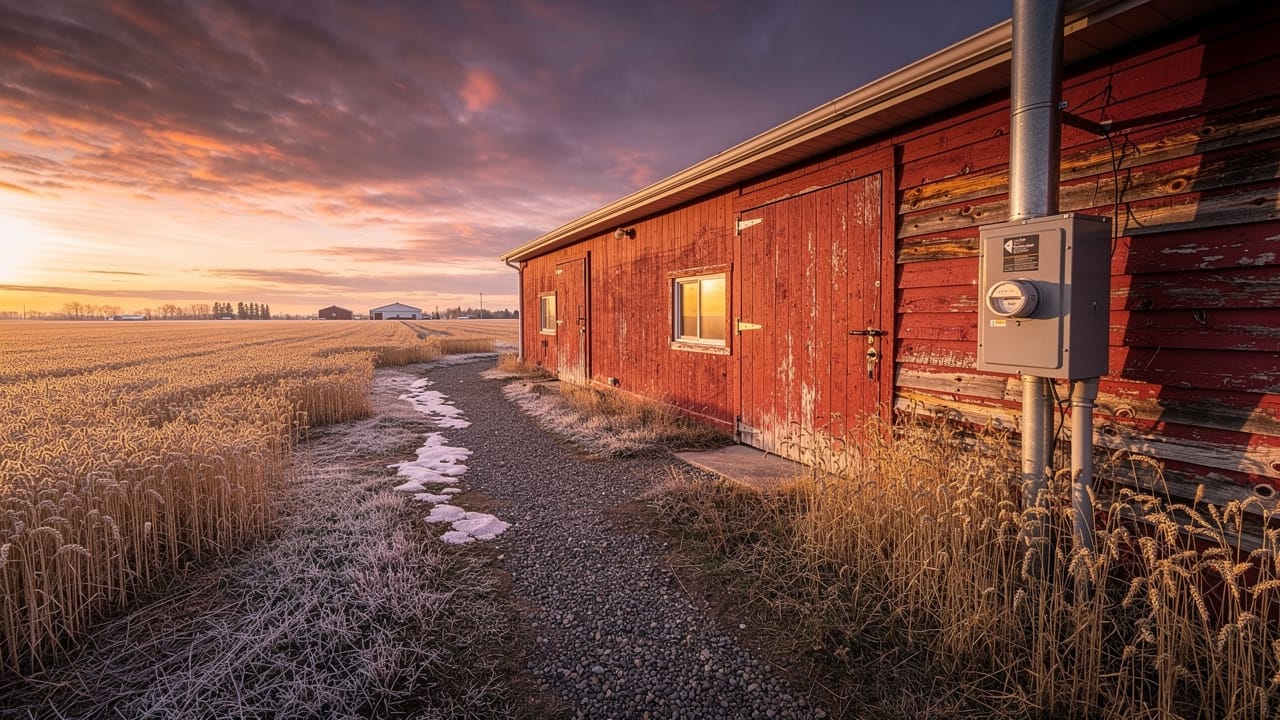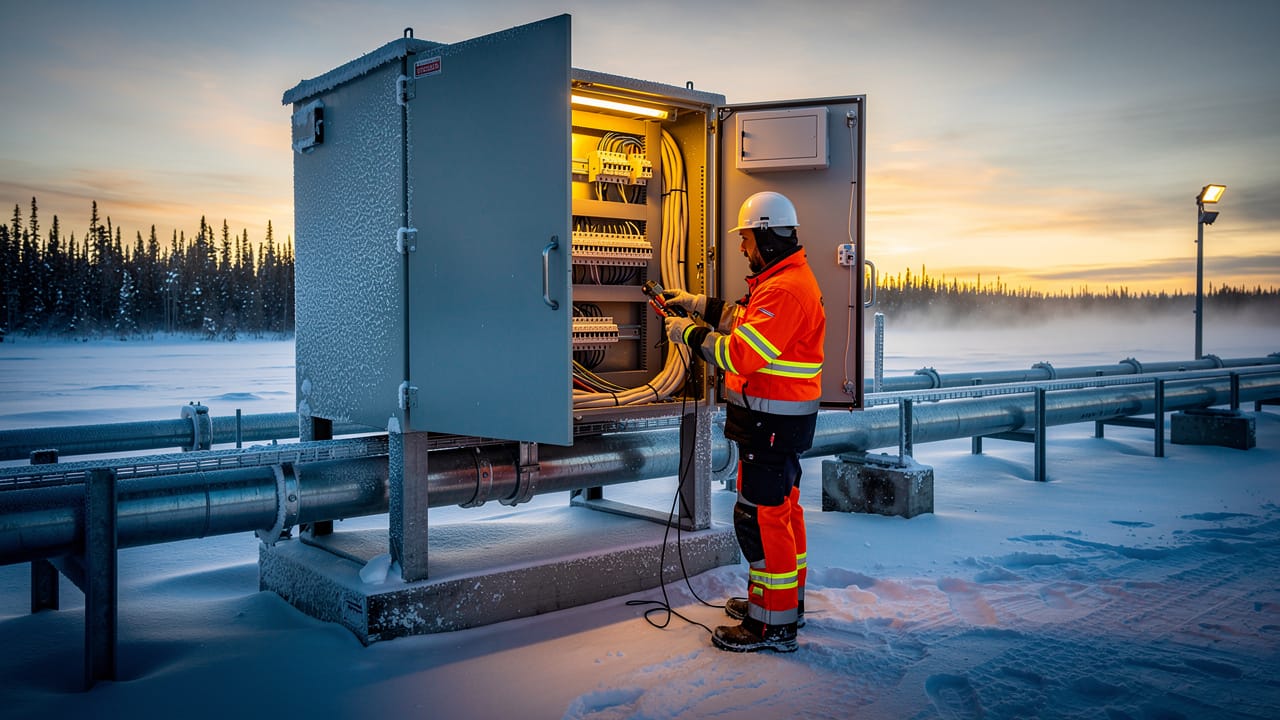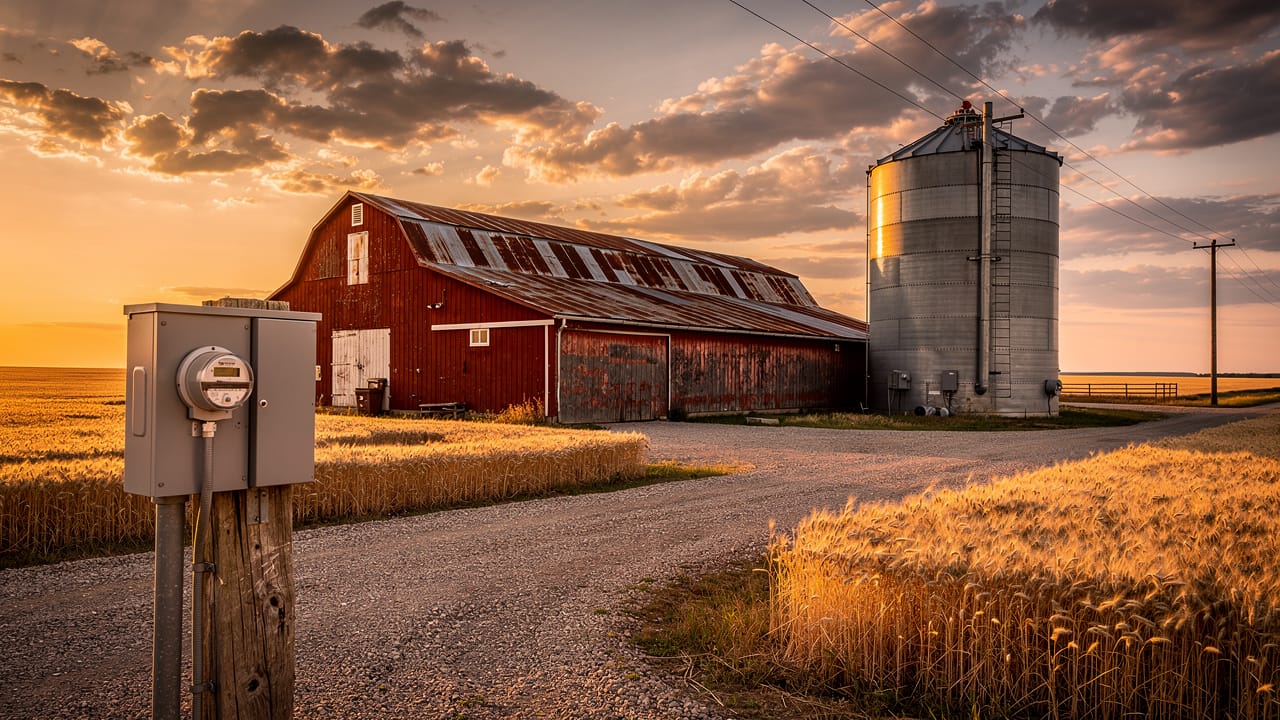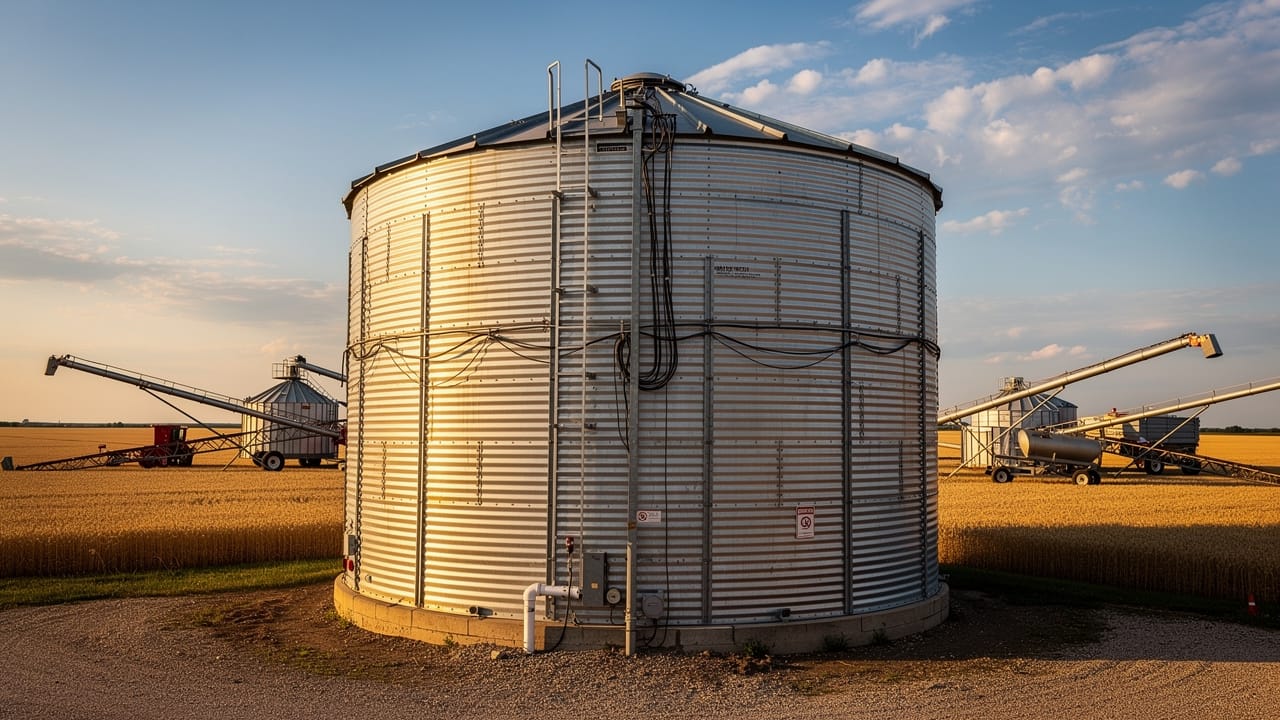
Walk through almost any successful Canadian farm and the difference is easy to spot. There are more screens, sensors, and control panels than clipboards and chalkboards. That shift is powered by farm automation technology, and it is changing how serious operations manage crops, livestock, grain, and irrigation.
This change is not driven by gadgets for their own sake. It comes from pressure most operators know well: labour is hard to find, input costs keep rising, and systems get more complicated every season. Farm automation offers a way to keep up by automating routine work, collecting real‑time data, and acting on that data with precision.
From autonomous tractors to robotic milkers and grain bin monitoring, automation now touches every stage of production. Yet it all depends on one thing that rarely gets the spotlight but always carries the risk. Without reliable power systems, safe electrical design, and stable communications, even the smartest equipment turns into expensive dead weight.
As the old management saying goes, “You can’t manage what you don’t measure.”
This article breaks down the core technologies behind farm and agriculture automation, the business results they can deliver, and the main hurdles farms face when upgrading. Most important, it explains why electrical infrastructure is the foundation of any automation plan, and how a partner like Cove Electrical helps keep that foundation safe, reliable, and ready for growth.
Key Takeaways
Many operators want the short version before they dig into the detail. This quick summary points to the main ideas in the rest of the article.
-
Farm automation technology helps serious operations increase output while leaning less on manual labour. It automates routine jobs, feeds live data into clear dashboards, and supports quicker, more confident decisions on planting, feeding, and grain handling automation.
-
Core tools include autonomous machinery, field and barn sensors, drones, and farm management software that ties everything together. These tools give early warning on problems, guide precise use of inputs, and support planning over months and years rather than reacting day to day.
-
None of this works without an electrical system that matches the load and the risk. That means reliable utility power, properly sized panels and wiring, solid backup power, and hazard‑rated enclosures in dusty or wet areas. Farms that design for future expansion with help from specialists such as Cove Electrical avoid repeated tear‑outs when automation grows.
Key Technologies Driving Farm Automation
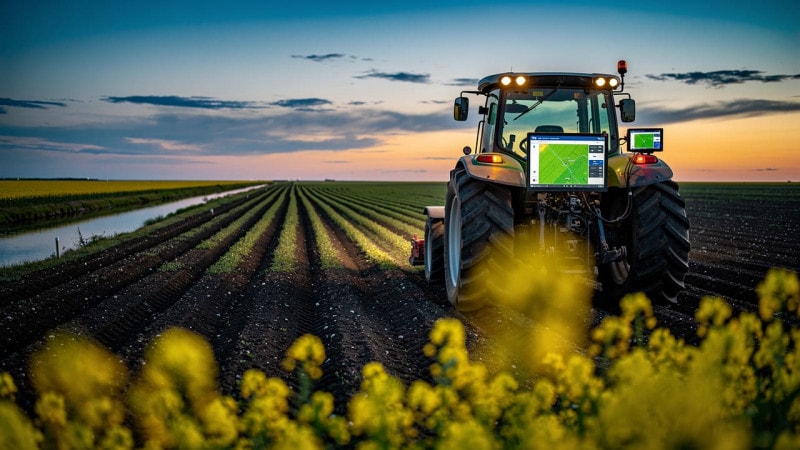
At its core, farm automation technology combines smart hardware in the field with software that turns data into action. The goal is simple: automate what can be automated, then use better information to direct the work that still needs people.
Key technologies include:
-
Autonomous Machinery And Robotics
GPS‑guided tractors and planters follow precise paths with centimetre‑level accuracy, even in poor visibility. They keep moving when narrow planting or spraying windows open, so you can cover more acres without adding extra operators. In crops that rely on careful timing, robotic harvesters and automated weeding systems cut the need for seasonal labour while keeping quality consistent. -
Drones And Aerial Imaging
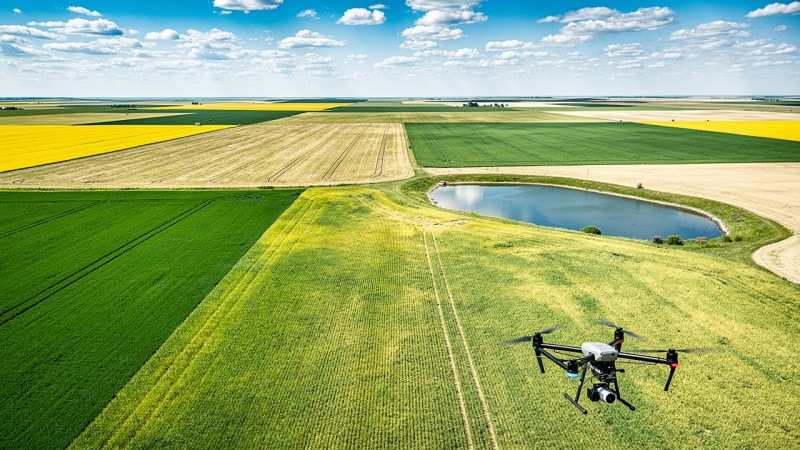
Drones and other unmanned aircraft add eyes in the sky. With multispectral cameras, they show crop stress, moisture issues, and disease patterns long before they are visible from the ground. When linked with automation systems on the ground, drone maps guide variable‑rate spraying and top‑dressing so you apply chemicals or nutrients only where they are needed most. -
IoT Sensors And On‑Farm Monitoring
Networks of IoT sensors handle the detailed monitoring work. Soil probes track moisture and temperature in specific zones so irrigation runs only when and where the crop actually needs water. On‑farm weather stations provide hyper‑local data instead of distant forecasts. In livestock operations, ear tags and collars monitor activity, temperature, and rumination, sending alerts when an animal shows early signs of trouble. Cove Electrical frequently supports this layer by installing and powering professional‑grade weather stations and sensor networks so the data keeps flowing. -
Farm Management Software And AI
Farm management platforms pull in sensor readings, machine data, and drone imagery and present them on a single dashboard. Machine learning tools spot patterns in yields, disease pressure, and input use, then suggest next steps. The result is a shift from reacting after a problem shows up to acting early based on clear trends across your fields and barns.
The Operational Benefits Of Automating Your Farm
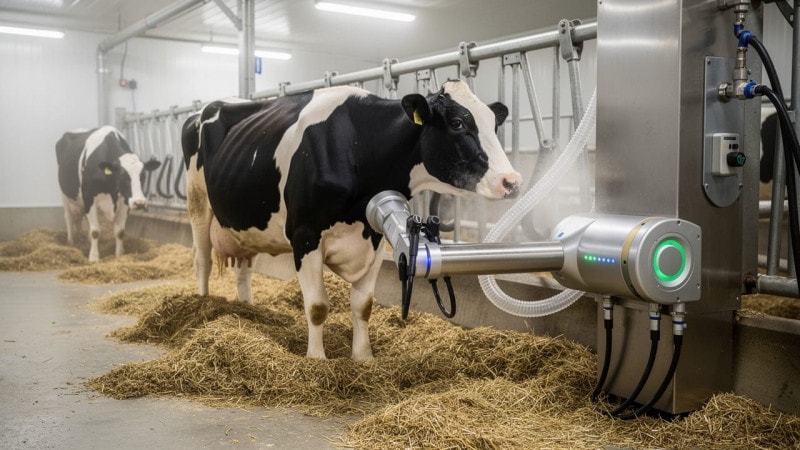
Technology only matters if it improves day‑to‑day operations and long‑term results. When used with a clear plan, farm automation technology delivers gains that show up both in the field and on the balance sheet.
Key benefits include:
-
Higher Productivity
Autonomous tractors, feed systems, and milking robots do not get tired or need breaks. They keep working through the night when conditions allow, so more work fits into tight weather windows. In dairy, round‑the‑clock milking evens out barn flow and often increases total yield per cow. -
Less Pressure From Labour Shortages
Canada’s ongoing labour shortage is not going away. By shifting repetitive or physically hard work to machines, you can assign your best people to higher‑value tasks like planning, diagnostics, and herd management. Over time, this supports a leaner team with stronger technical skills instead of a large crew focused on manual jobs. -
More Accurate Use Of Inputs
Precision irrigation based on soil sensors cuts water waste and power use on pumps. Variable‑rate fertilizer and pesticide application trims input bills and supports compliance with stricter environmental rules across Canada. Better placement does more with less, which helps margins and reduces risk to nearby soil and water. -
Better Quality And Safety
For crops, early warnings from sensors and drones mean faster action on disease or nutrient problems, which leads to more stable yields and fewer surprises at harvest. In livestock barns, automated feeding, climate control, and health monitoring hold conditions near ideal more consistently than manual checks. Automation also takes people out of some of the most dangerous jobs, such as handling chemicals or working inside tight grain spaces, which lowers the chance of serious injury on site. -
Data‑Driven Decisions
Once farm automation systems are in place, you no longer rely only on memory or gut feel to explain why one field or barn row performs better than another. You see the numbers on a dashboard and adjust based on fact, not hunches.
Challenges Farms Must Overcome Before Automating
For all the promise of farm automation, rolling it out across a working operation is not as simple as signing a purchase order. Several real‑world hurdles need a plan before equipment shows up in the yard.
-
Upfront Capital Cost
Autonomous machines, sensor networks, and advanced software platforms are major investments, especially for mid‑sized family farms. A clear return‑on‑investment model has to look beyond the first or second season and consider labour savings, reduced waste, and avoided losses over many years. -
Skill And Training Gaps
Running a GPS‑guided planter or checking bin sensors from a phone is one thing. Diagnosing PLC faults, tuning variable‑frequency drives, or interpreting complex data trends is another. Training needs to be an ongoing part of the operation, not a one‑time event during commissioning. Some farms manage this in‑house, while others lean on partners such as Cove Electrical for support. -
Connectivity Limits
Many Alberta and broader Canadian farms still deal with unreliable cellular coverage or slow internet. Systems that rely on cloud access or live remote control may not work as advertised in those areas. In those cases, it helps to favour automation that runs locally with on‑site servers and then syncs data when connections allow. -
Integration And Maintenance
A typical farm might own equipment from five or six manufacturers, each with its own software and wiring practices. Making sure machines, sensors, and control panels talk to each other requires careful planning and often custom electrical work. Once installed, specialized gear needs timely service. In remote areas, delays in getting a qualified technician on site can turn a minor issue into serious downtime if there is no structured maintenance plan.
Why Electrical Infrastructure Is The Foundation Of Farm Automation
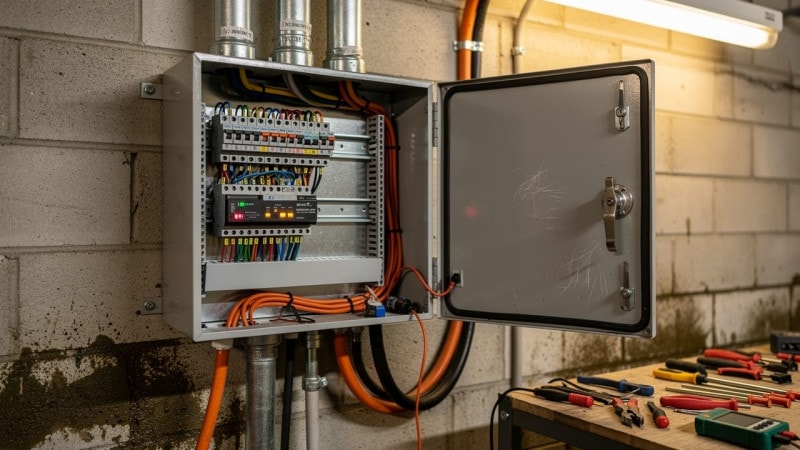
Every piece of farm automation technology depends on one shared resource. If the power or control wiring fails, the entire system fails, no matter how advanced the equipment is. Electrical infrastructure is not an afterthought; it is the base that supports every other investment.
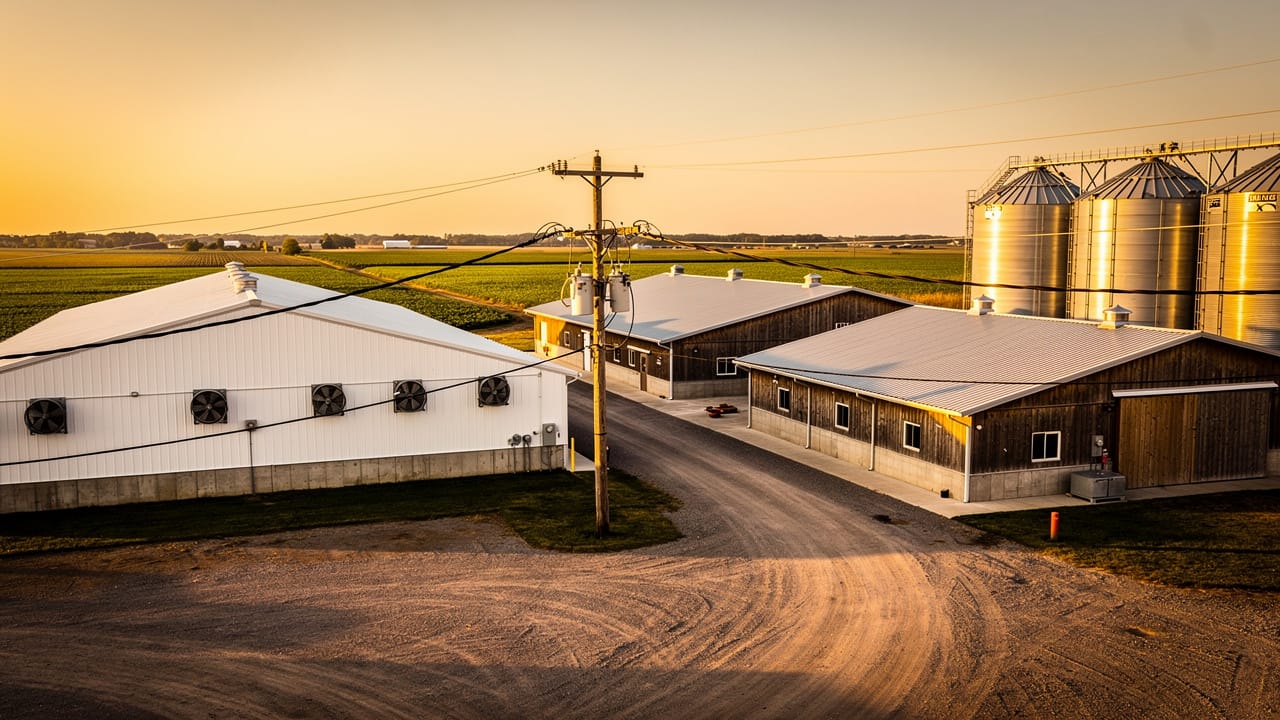
Modern automated farms place heavy, constant loads on their electrical systems. Robotic milking parlours, automated grain handling lines, large aeration fans, feed mixers, and long‑run irrigation pumps can all start at once during busy periods. If panels, conductors, and protection devices are undersized or outdated, the result can be nuisance trips, damaging voltage drops, or in the worst case, overheating and fire. A properly engineered system sizes services and feeders for real demand, not just past usage, with clear room to grow.
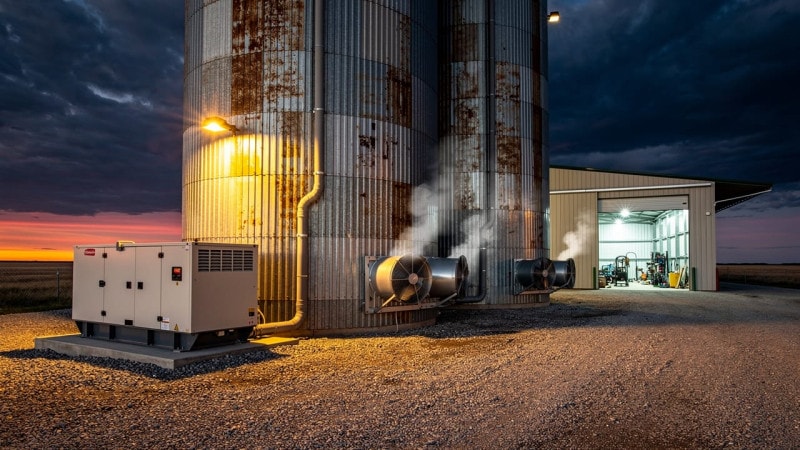
Backup power is just as important. Rural grids are exposed to storms, ice, and wildlife, and outages are common enough to matter. In an automated barn, a loss of power can stop ventilation and manure handling within seconds, putting animals at serious risk. In a grain system, it can halt drying or leave loaded legs stuck mid‑cycle. Professionally designed generator systems with automatic transfer switches keep critical loads alive without manual intervention, while UPS units protect control panels, servers, and communication gear from even short interruptions.
Agricultural environments also create tough safety demands:
-
Grain dust is explosive, so grain handling areas often fall under Class II standards.
-
Livestock barns are humid, often corrosive, and frequently washed down.
-
Regular commercial fittings can break down fast under these conditions.
Safe systems rely on the right wiring methods, watertight connectors, and NEMA 4X or better enclosures that match Canadian Electrical Code requirements for each area.
Scalability should be part of the design from day one. Few farms install every element of farm automation at once. A better approach is to install panels with spare capacity, plan raceways between key buildings, and leave room in control cabinets for more drives and PLC modules. Cove Electrical designs with that growth in mind so adding another grain bin line, a bank of fans, or a new barn does not mean tearing out work that was done only a few years ago.
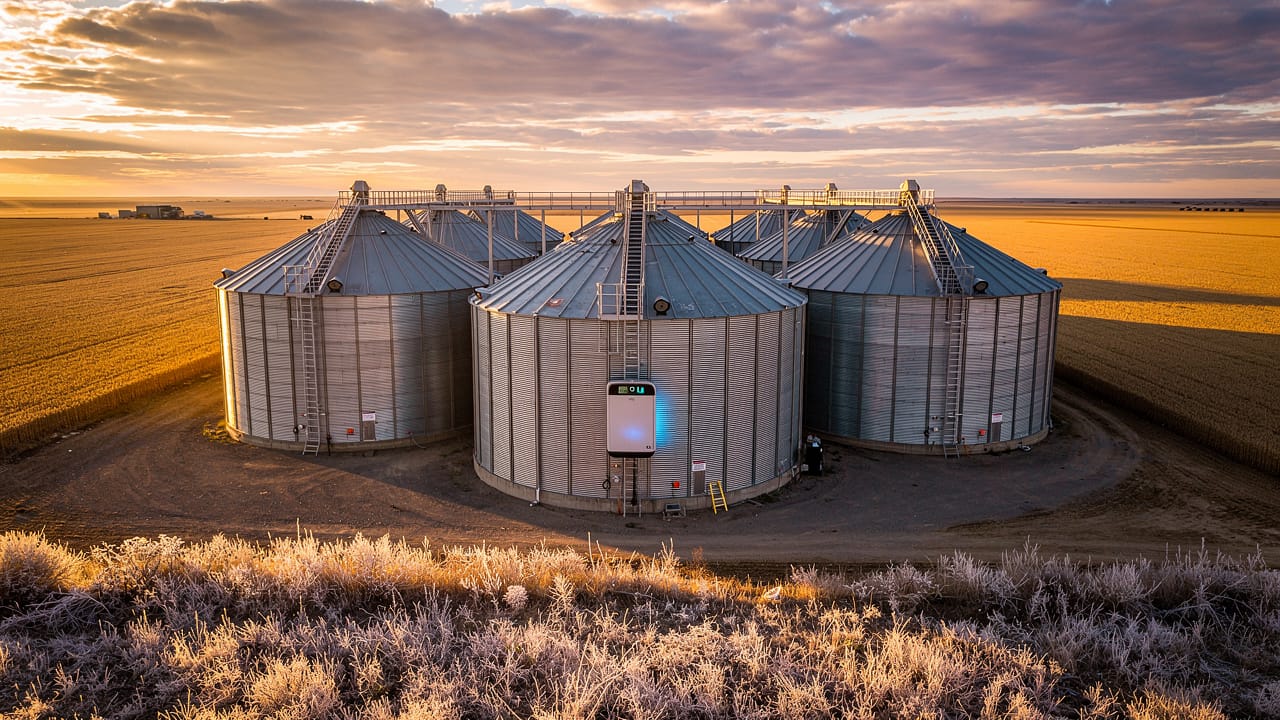
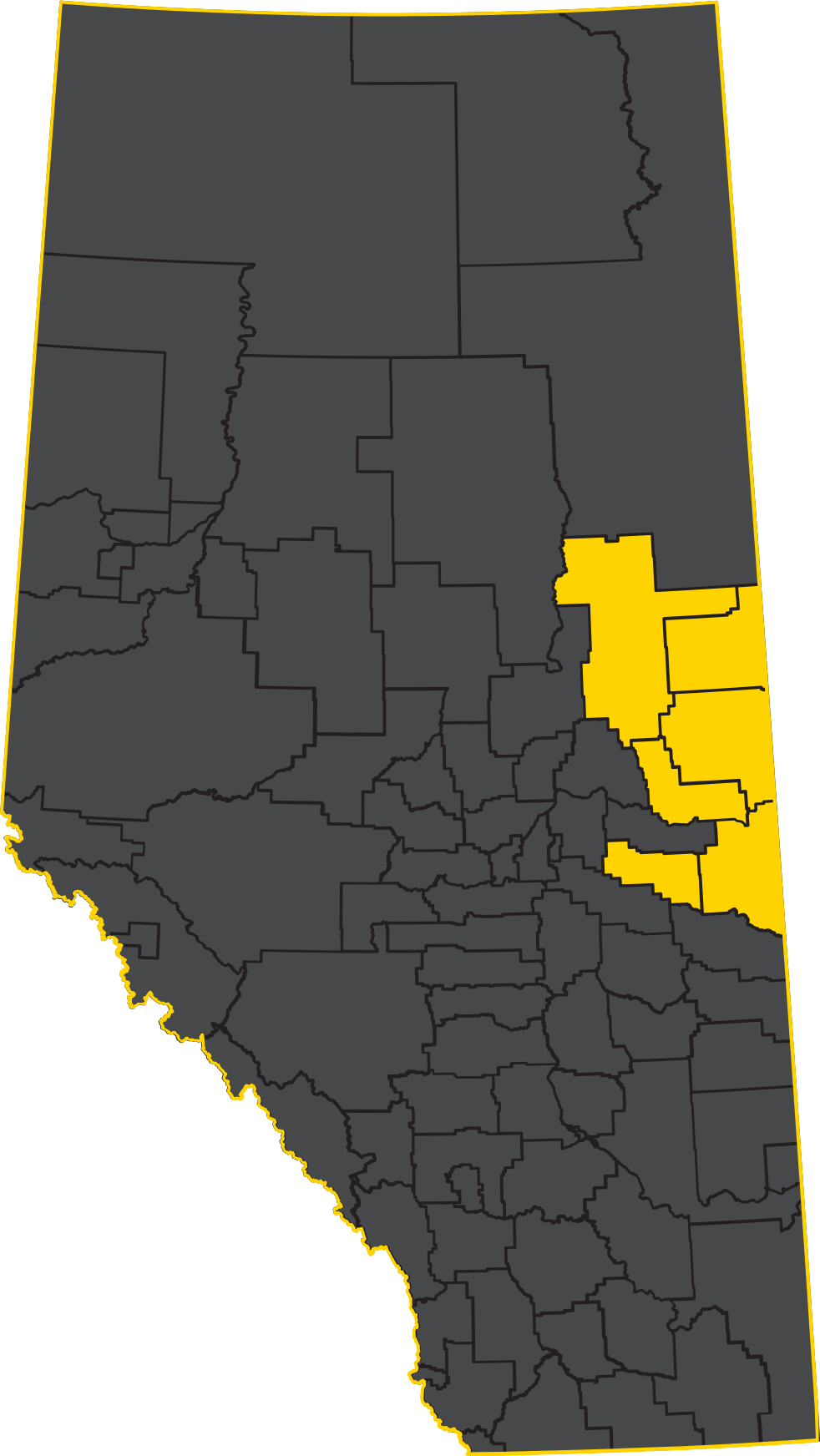
Cove Electrical focuses on operations where power cannot fail, including advanced grain and livestock systems. On projects such as the Cedar Brook Farm grain handling upgrade in Jarvie, Alberta, the team handled system engineering, PLC programming, temperature monitoring, and a whole‑yard generator system tied into critical circuits. The result was a site that loads, dries, and moves grain with less manual work, better early warning on issues, and confidence that a single storm will not bring everything to a stop.
Long‑term reliability also depends on service. Thermal scans of panels and bus connections, regular checks of grounding and bonding, and scheduled testing of transfer switches catch small problems before they stop equipment. In an automated operation, that shift from emergency repairs to planned maintenance is one of the most effective risk controls you can put in place.
On many modern farms, “good electrical work is not a luxury; it is part of risk management.”
Conclusion
Farm automation technology is already reshaping how serious Canadian farms plant, feed, move, and monitor. Pressure from labour shortages, tight weather windows, and stricter regulations will push adoption further in the coming years.
Yet successful automation involves more than picking the right brand of robot or sensor. Without safe, properly designed electrical and backup systems, advanced equipment stays idle when it is needed most. Strong electrical design protects animals, people, and assets while giving every automated device the stable power it needs.
For farm owners and operations managers, that means bringing an agricultural electrical specialist into the conversation early, not after the concrete is poured. Cove Electrical offers that depth, combining years of electrical experience with a clear focus on operations that cannot afford downtime. If automation is on the table for your farm, the next step is a close look at your electrical readiness and a plan to build a foundation that will support growth for years ahead.
FAQs
Many operators have similar questions when they first look at automating more of their farm. These short answers cover the most common points.
Question 1: What Is Farm Automation Technology?
Farm automation technology is the use of robotics, smart sensors, control systems, and data software to automate work across the farming cycle. It covers activities such as seeding, spraying, irrigation, feeding, milking, grain handling, and climate control. These systems already run on many Canadian farms, from small family operations to large integrated sites.
Question 2: What Electrical Infrastructure Does A Farm Need To Support Automation?
An automated farm needs service panels, feeders, and branch circuits sized for continuous high loads from motors, robots, and controls. It also needs backup power with automatic transfer switches and UPS units for critical circuits and electronics. In dusty or wet areas, hazard‑rated and NEMA 4X enclosures protect equipment and meet safety codes. Designing spare panel space and conduit paths for future additions is just as important. Cove Electrical delivers this type of farm power system design and installation as its core business.
Question 3: How Does Backup Power Protect Automated Farm Operations?
Backup power keeps critical systems running when the utility fails so automation can keep doing its job. Without it, ventilation, feeding systems, milking equipment, and grain handling can shut down in seconds, risking animal welfare and product loss. Generator systems with automatic transfer switches start and connect power without manual steps, while UPS units bridge short gaps and protect sensitive electronics. For any operation that depends on automation, backup power should be treated as standard risk control rather than a luxury upgrade.